×

Evaluation of the quality of industrial components in real environments

What is the quality of industrial components?

The quality of industrial components refers to the degree to which a part, assembly, or material meets the technical requirements defined for its intended use. These requirements may include dimensions, mechanical properties, resistance to environmental conditions, in-service performance, or compatibility with other system elements. It is not only about a component functioning, but about doing so consistently, safely, and within defined limits throughout its lifecycle.

In industrial environments, quality is not an isolated attribute but the result of multiple interacting variables. Design, material selection, manufacturing processes, storage conditions, and final use directly influence component performance. Therefore, evaluating quality involves analyzing both the product and the context in which it is produced and used.

The quality of industrial components is not only about meeting specifications, but ensuring reliable performance under real operating conditions.

Furthermore, the increasing complexity of industrial systems has raised the demands placed on individual components. A small defect can propagate and trigger cascading failures, affecting entire systems. This means that quality verification is no longer a one-time step but becomes a continuous process integrated across the entire value chain.

Additionally, the globalization of supply chains introduces further variability. Components manufactured by different suppliers may show significant differences, even when apparently meeting the same specifications. In this context, ensuring quality requires evaluation tools capable of detecting deviations that are not always visible at first glance.

Technical criteria defining the quality of industrial components

From a technical standpoint, quality is defined based on compliance with previously established specifications. These specifications may be regulatory (ISO, ASTM), internal to the manufacturer, or derived from functional product requirements. Evaluating quality involves comparing the actual characteristics of a component against these reference criteria.

Key parameters include mechanical properties (strength, hardness, toughness), dimensional characteristics (tolerances, geometry), chemical composition, and surface condition. Each of these aspects can directly impact in-service performance, making their control essential.

Industrial metrology plays a critical role in this context. Measurement techniques allow deviations to be quantified and determine whether a component falls within acceptable limits. However, measurement alone is not always sufficient, especially when defects are internal or not visible.

For this reason, quality is also assessed through testing that replicates service conditions or accelerates degradation mechanisms. These tests help anticipate component behavior and detect potential failures before they occur in operation.

Critical variables affecting quality control in industrial manufacturing

Quality control in manufacturing is influenced by multiple factors that can introduce variability into the final product. One of the most relevant is process stability. Poorly controlled processes can generate systematic or random deviations that directly impact quality.

Raw materials are another critical factor. Variations in composition or properties can lead to unexpected behavior, even if the manufacturing process remains unchanged. For this reason, incoming material verification is common practice in demanding industrial sectors.

Process conditions such as temperature, pressure, machining speed, or heat treatments also have a significant influence. Small variations can alter the material’s microstructure and, consequently, its final properties.

Finally, human factors and implemented control systems determine the ability to detect and correct deviations. Automation and statistical process control have improved consistency, but they do not completely eliminate the risk of defects, making it necessary to complement them with inspections and specific testing.

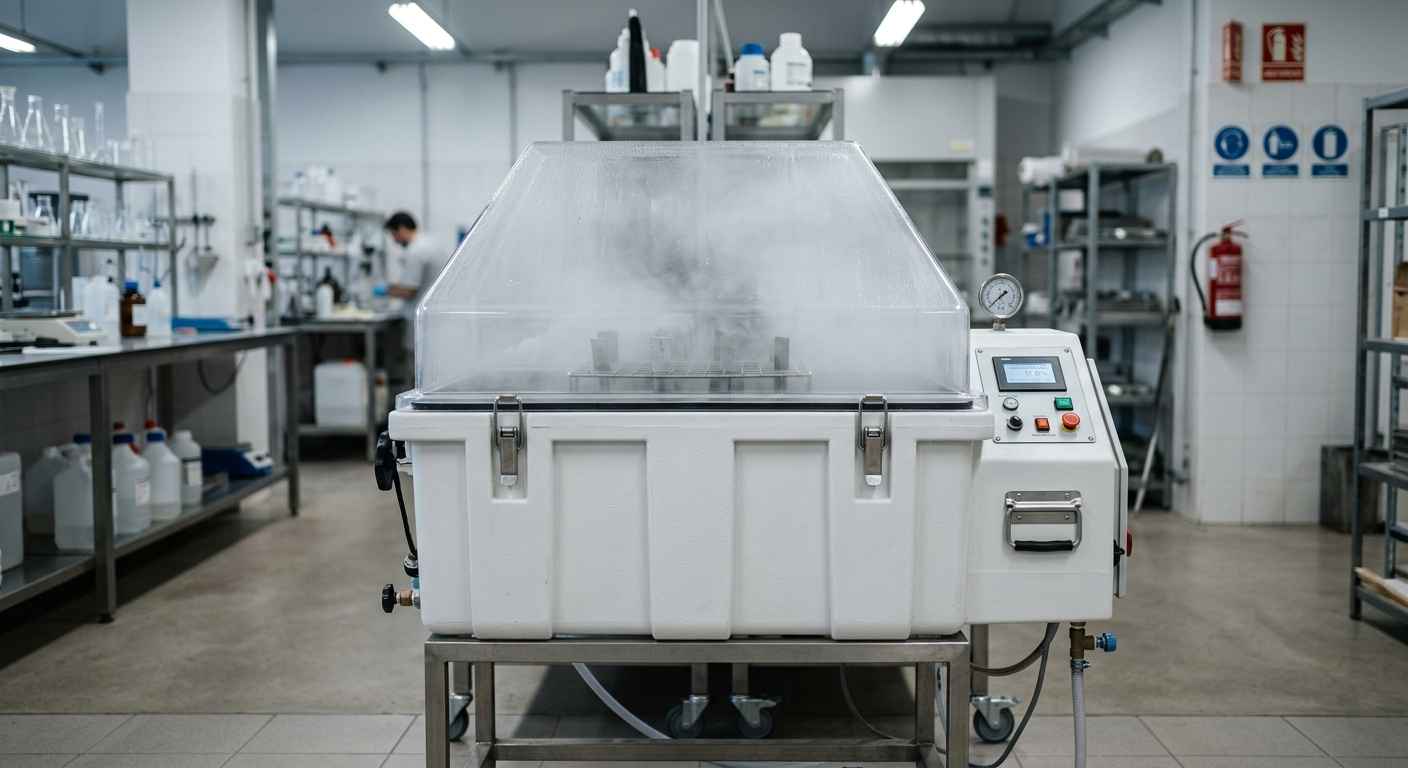
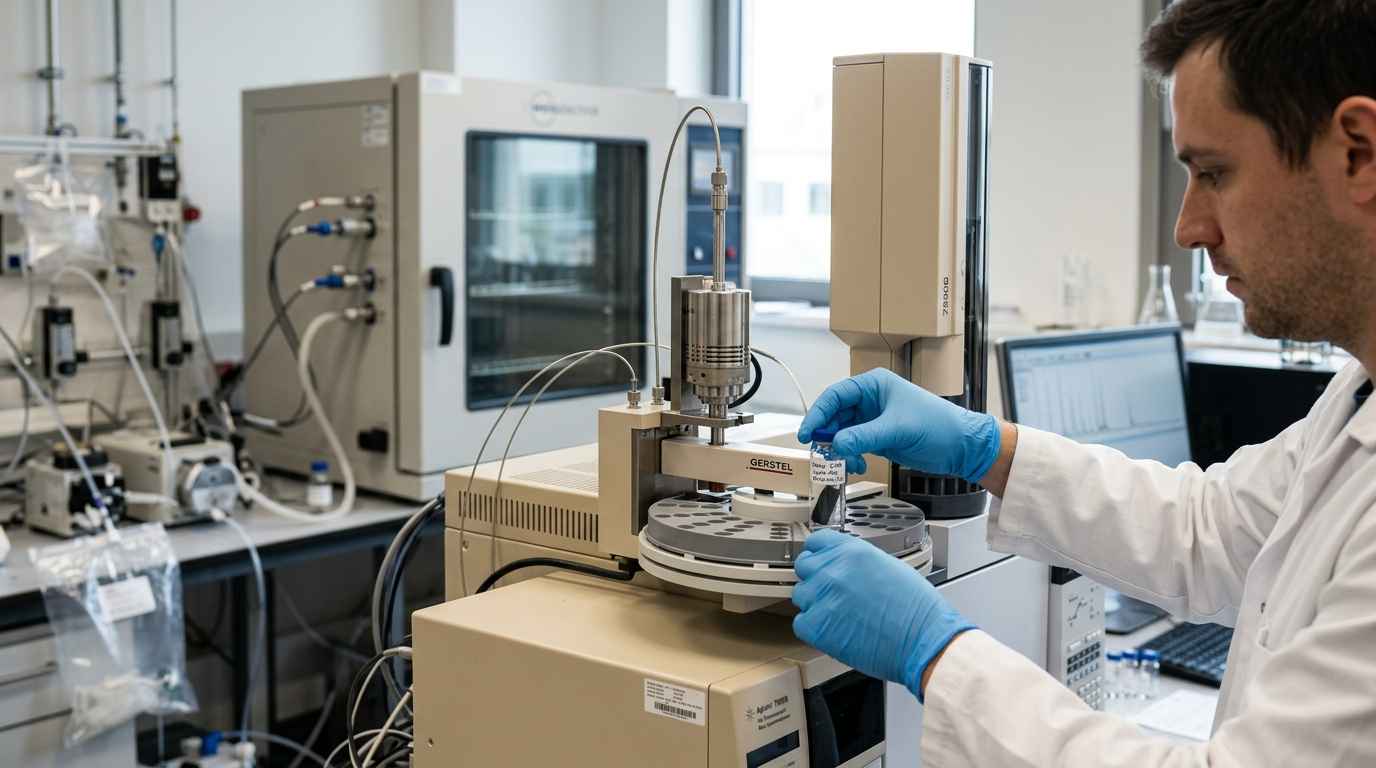
Technician performing climatic chamber testing to evaluate industrial component quality

Technical implications of quality in industrial systems

A lack of quality in industrial components can have consequences far beyond the failure of an individual part. In many cases, these defects lead to production downtime, high maintenance costs, or even safety incidents. Therefore, quality has not only a technical dimension but also economic and operational implications.

One of the main issues associated with component defects is late detection. When a failure occurs in service, the associated cost is usually much higher than if it had been identified in earlier stages. This includes not only component replacement but also collateral damage and production losses.

Detecting defects in service significantly increases technical and economic impact compared to early-stage identification.

In addition, defects can affect customer perception of quality. In sectors where reliability is critical, such as automotive, energy, or aerospace, repeated failures can damage a company’s reputation and lead to contractual consequences.

From a technical perspective, defects can have multiple origins: design errors, manufacturing issues, improper material selection, or unforeseen operating conditions. Correctly identifying the root cause is essential to prevent recurrence.

For this reason, quality management increasingly relies on integrated approaches that combine prevention, detection, and analysis. This includes both in-process control and failure investigation when issues arise.

Risk identification through defect analysis in components

Defect analysis in industrial components helps understand how and why a deviation from expected conditions has occurred. This analysis can reveal hidden issues not detected during standard inspection.

Common risks include cracks, inclusions, manufacturing defects, or premature material degradation. These defects can act as failure initiation points, significantly reducing component lifespan.

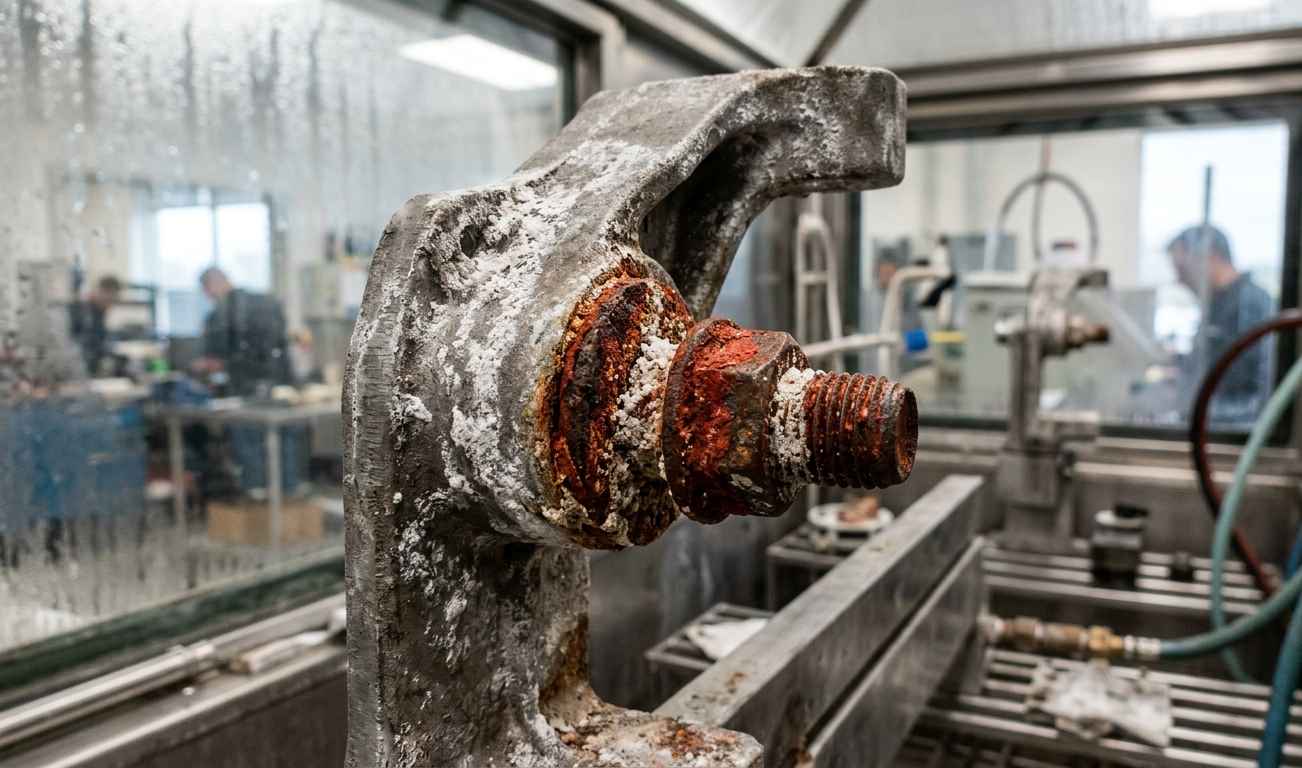
Additionally, some defects do not cause immediate failure but evolve over time, making detection more difficult and increasing the risk of unexpected breakdown. In such cases, detailed analysis is essential to identify mechanisms such as fatigue, corrosion, or wear.

Forensic engineering enables this type of investigation by combining analytical techniques, testing, and evaluation of the operating context. This approach not only identifies the defect but also reconstructs the sequence of events leading to failure.

Practical application of industrial quality standards in production environments

Industrial quality standards (ISO, ASTM) establish criteria that help standardize component evaluation and ensure a minimum level of quality. These standards define testing methods, acceptance criteria, and documentation requirements.

Compliance is particularly important in regulated sectors, where requirements are strict and non-compliance may lead to legal consequences. However, meeting a standard does not always guarantee performance under real conditions, as these may differ from testing scenarios.

Therefore, standards should be understood as a baseline upon which more comprehensive quality systems are built. In many cases, companies complement them with more demanding internal specifications.

Moreover, proper application of standards requires technical expertise. It is not only about performing a test, but also about interpreting its results in the context of the component and its intended application.

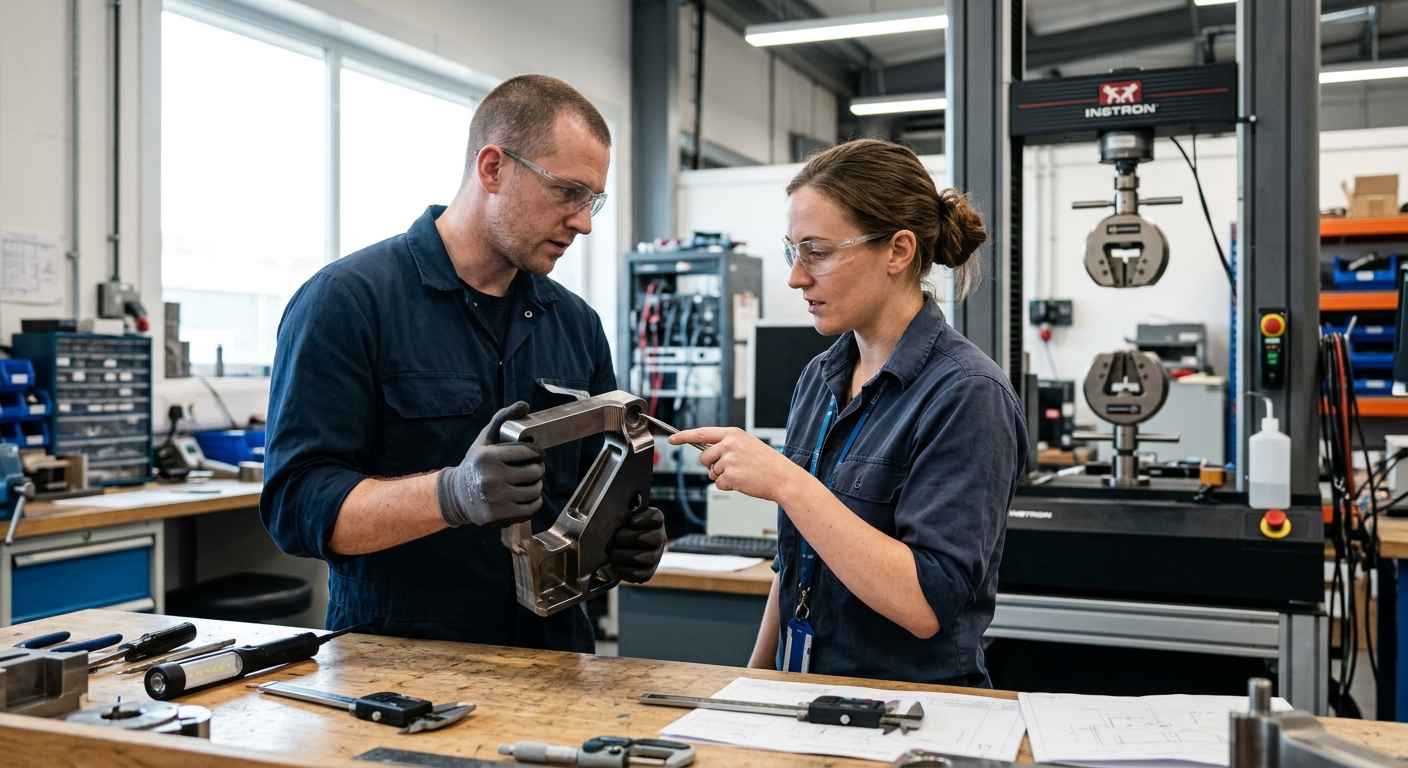
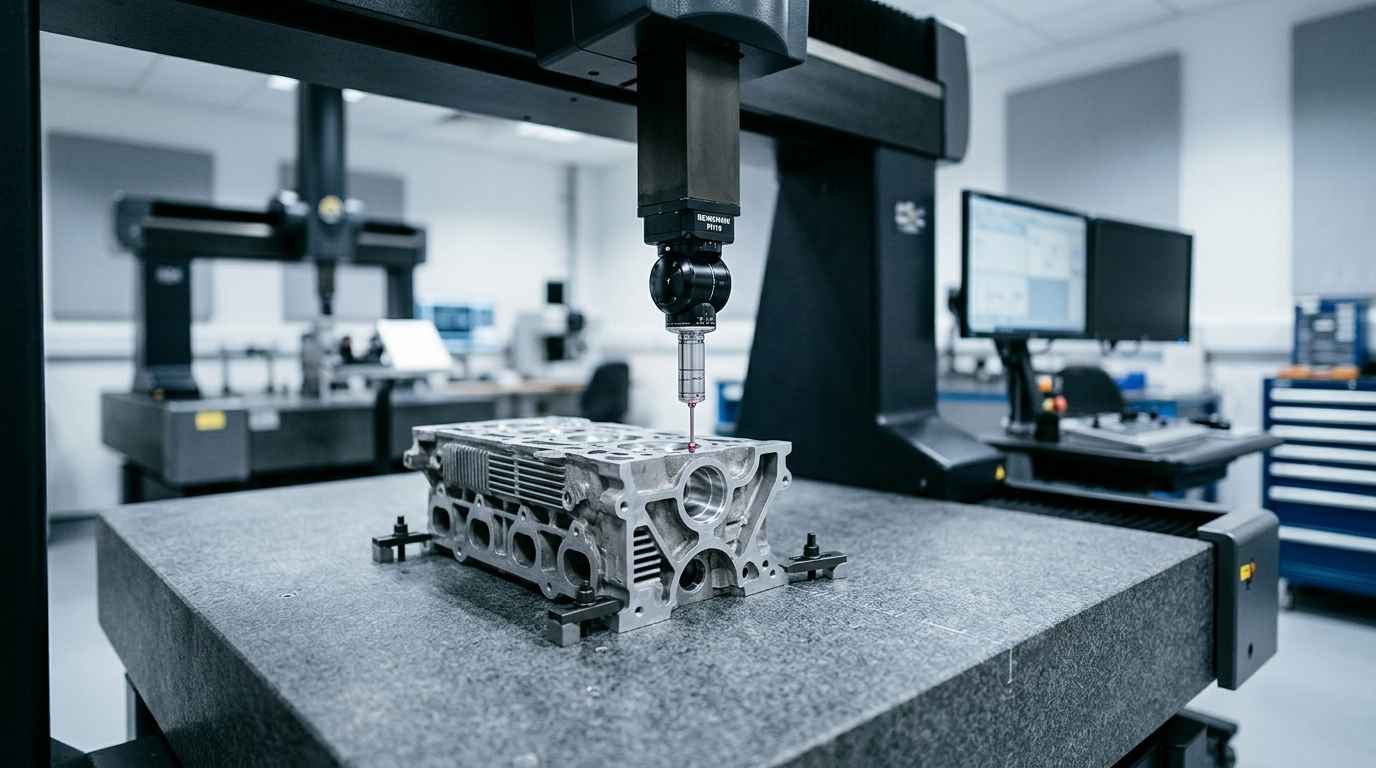
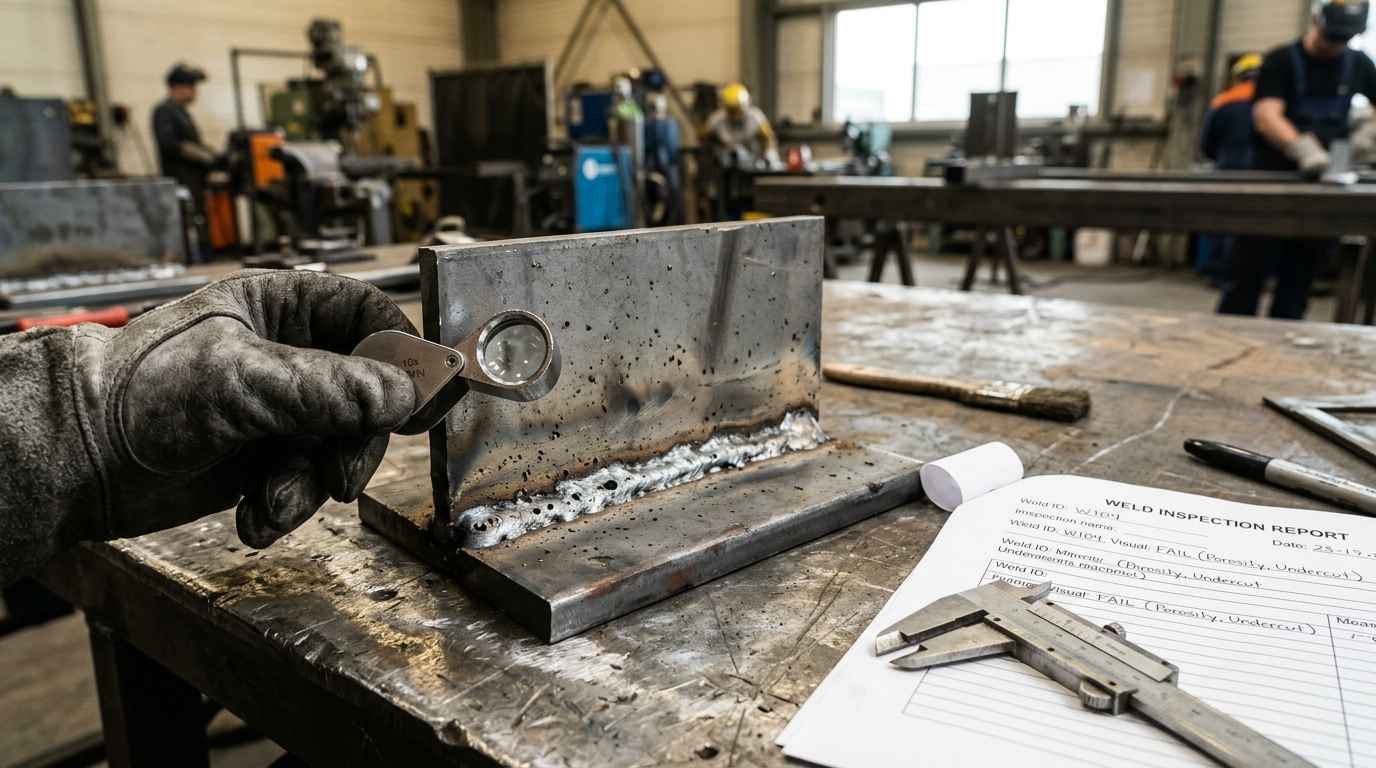
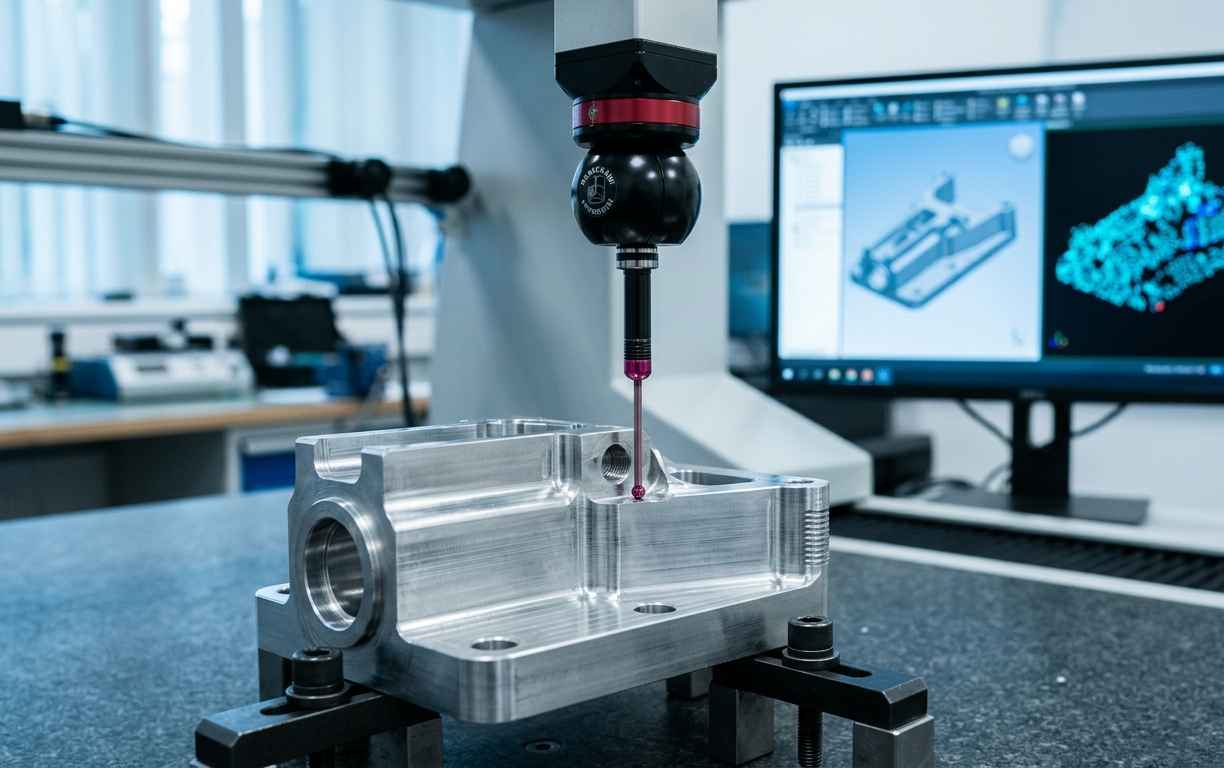
Surface measurement on an industrial component for quality control and property evaluation

Strategies for analysis and validation of industrial quality

The evaluation of industrial component quality is based on combining different techniques to obtain a comprehensive understanding of the component’s condition. These include visual inspection, dimensional measurement, destructive and non-destructive testing, as well as advanced material analysis.

Visual inspection is the first level of evaluation and allows detection of obvious defects such as deformation, cracks, or surface finish issues. However, its scope is limited, as it cannot identify internal defects or issues related to material properties.

Dimensional verification ensures that the component meets specified tolerances. This stage is particularly important for parts that must be assembled with others, where small deviations can lead to functional problems.

Material testing allows evaluation of properties such as strength, hardness, or behavior under specific conditions. These tests can be destructive, involving sample failure, or non-destructive, allowing analysis without damaging the component.

Finally, advanced analysis, including techniques such as microscopy or chemical analysis, provides detailed information about the material’s microstructure and composition, which is essential to understand the origin of certain defects.

Application of non-destructive testing (NDT) techniques in components

Non-destructive testing (NDT) techniques allow evaluation of a component’s internal condition without affecting its integrity. Common methods include ultrasonic testing, industrial radiography, and dye penetrant inspection, each suited to specific materials, geometries, and defect types.

Many critical defects are not visible; non-destructive testing (NDT) enables access to the internal condition of components.

These techniques are particularly useful for detecting internal defects such as cracks, porosity, or inclusions that cannot be identified through visual inspection. Their use is widespread in industries where reliability is critical.

In addition, NDT enables periodic inspections throughout the component’s lifecycle, supporting early detection of issues and effective maintenance planning. This is especially relevant in predictive maintenance strategies.

However, proper application requires technical expertise, as result interpretation depends on multiple factors such as defect orientation, material properties, and testing conditions. Selecting the appropriate technique and correctly interpreting data are therefore critical for reliable conclusions.

Integration of testing and evaluation of mechanical properties

The evaluation of mechanical properties is essential to determine whether a component can withstand expected service conditions. Tests such as tensile strength, hardness, or fatigue characterization provide insight into material behavior.

In many cases, these tests are combined with analysis of the operating context to achieve a more complete understanding. A material may meet requirements under standard conditions but fail when exposed to high temperatures or corrosive environments.

Mechanical property evaluation requires interpretation in real context to avoid incomplete or misleading conclusions.

In this context, INFINITIA approaches quality evaluation by combining testing, material analysis, and technical interpretation. This approach enables not only verification of compliance but also identification of risks associated with real operating conditions.

Furthermore, integrating multiple techniques allows for more robust and well-founded conclusions, which are critical for decision-making in industrial environments.

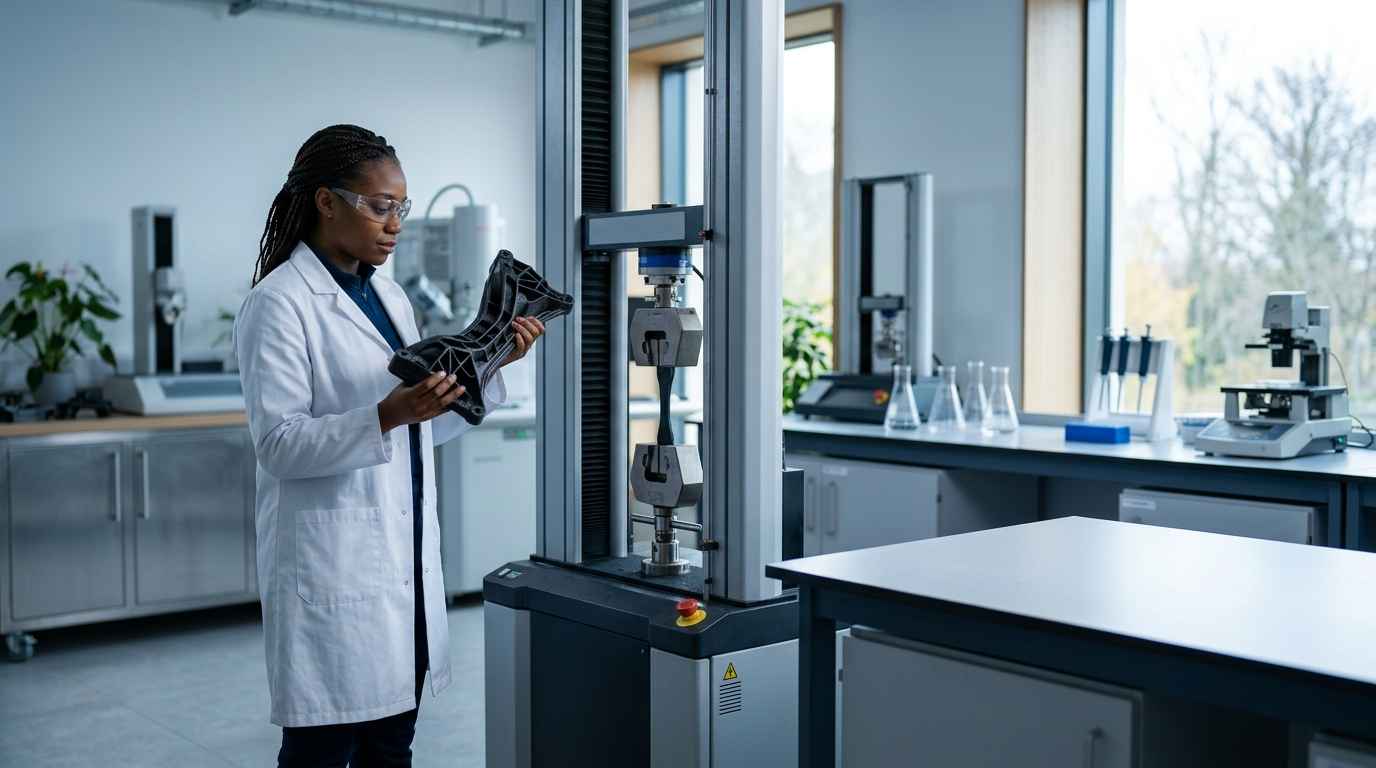
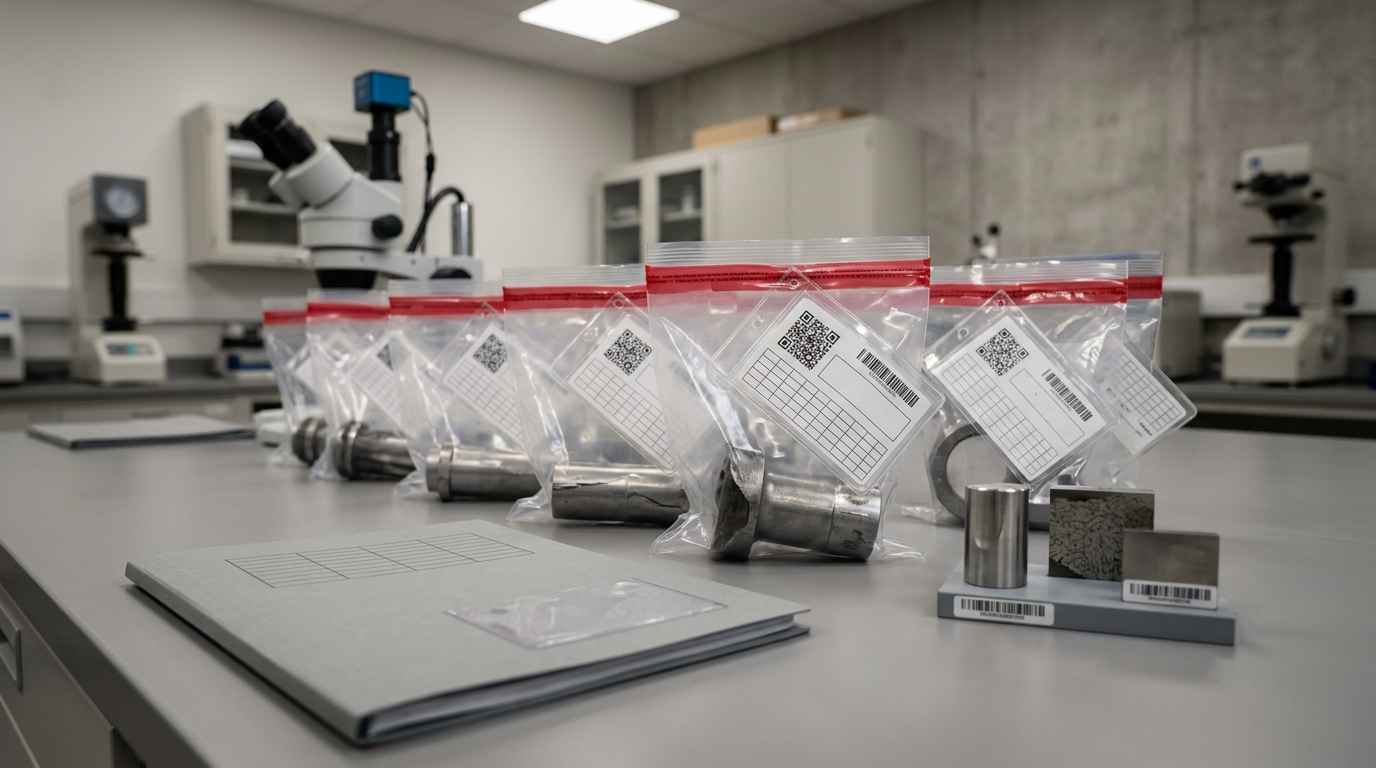
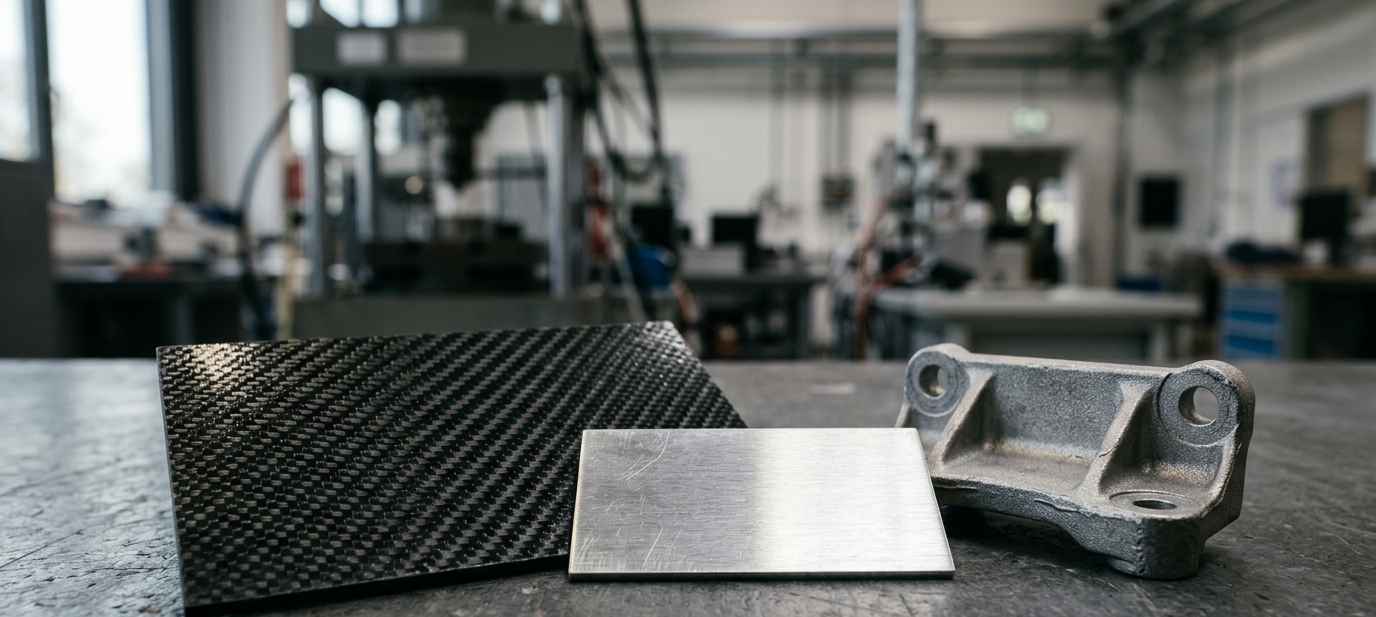
Samples subjected to chemical testing to analyze the quality of industrial materials

Integration of quality into technical decision-making

The quality of industrial components is a broad concept that ranges from compliance with specifications to real in-service performance. Its evaluation requires a structured approach combining inspection, measurement, testing, and technical analysis.

Throughout this process, it is essential to consider not only the component’s characteristics but also the context in which it is manufactured and used. Factors such as process variability, material quality, and operating conditions can significantly influence the final outcome.

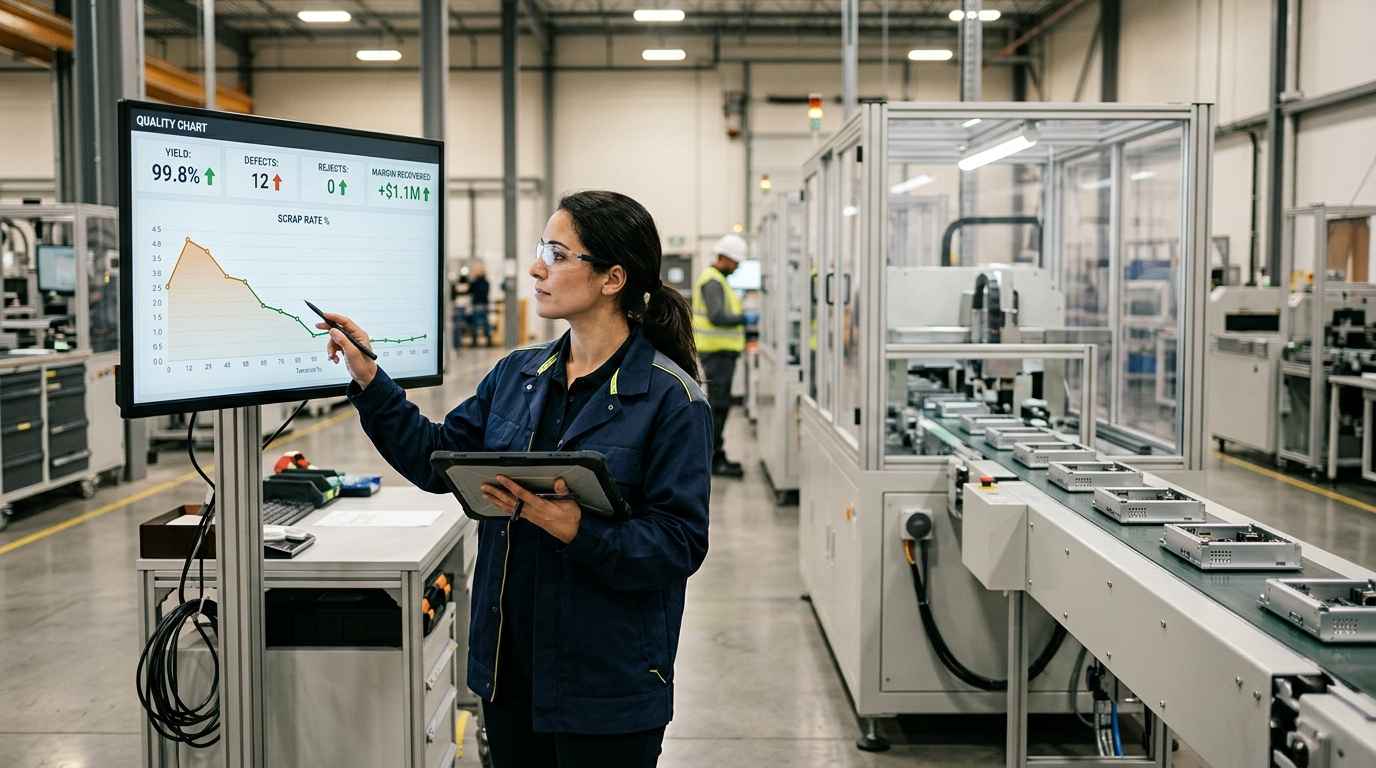
Early detection of deviations helps reduce costs and prevent more serious issues. Therefore, quality should be understood as a continuous process integrated across all stages of the product lifecycle.

Finally, combining different evaluation techniques and approaches such as forensic engineering allows a deeper understanding of problems and the development of effective solutions. This type of analysis is key to improving system reliability and supporting technical decision-making. In cases where there are uncertainties regarding component performance or result validity, having specialized technical analysis can facilitate interpretation and enable well-informed decisions.