

Our customers
We are your trusted partner in industrial engineering


















































Process Improvement Consulting
Industrial process improvement is the set of technical actions aimed at optimizing the performance, quality and cost of a manufacturing process by acting on its variables, its materials and its processing techniques. It is not about reorganizing the plant, but about understanding why a process behaves the way it does and modifying the conditions that determine the product’s final result.
This discipline combines process analysis with knowledge of the material transformed within it. It studies the parameters that control each stage (temperature, pressure, speed, geometry, sequence), characterizes the defects and losses that appear, and validates changes before taking them to production. As an external technical partner with an industrial outlook, INFINITIA approaches the optimization of production processes from the material and the data, not from management.
In demanding manufacturing environments, a process that produces recurring defects, performance losses or uncontrolled variability compromises margins, deadlines and product reliability. That is why process improvement has become a critical lever of competitiveness for production, quality and engineering managers who seek measurable, traceable results. Discover INFINITIA’s entire materials innovation cluster.
Talk to a specialist
Request a free initial consultation; contact a consultant from our team of specialists

What is industrial process improvement?
What is it?
Industrial process improvement is the technical service that optimizes a manufacturing process by intervening on its control variables, the materials involved and the processing techniques used. It serves to increase line throughput, reduce defects and stabilize product quality without resorting to unnecessary investment or to changes that have not been validated beforehand.
The service relies on recognized standards and technical references. Material characterization follows standards such as the applicable ISO and ASTM series for mechanical, thermal or composition testing, and the validation of process changes is documented with repeatability and traceability criteria. This normative basis allows process decisions to be grounded in testable evidence rather than in assumptions, which is especially relevant in regulated sectors.
The technical approach covers all the variables that govern the outcome: the process parameters (temperature, pressure, cycle time, feed rate), the material’s behavior during transformation, the interactions between stages and the failure modes associated with each one. When the problem calls for redesigning the product or the tooling, the work integrates with INFINITIA’s R&D consulting, so that process improvement and product improvement move forward in a coordinated way.
INFINITIA acts as an industrial technical consultant that brings the analytical rigor of testing together with the perspective of those who know the reality of a plant. That combination is the differential value: turning measurements, tests and characterizations into process decisions that are applicable, measurable and sustainable over time.
Process improvement at INFINITIA: improvement methodology, analytical rigor and industrial vision
Process improvement at INFINITIA starts from one premise: no process is reliably optimized without understanding the material that runs through it. The technical value of the service lies in connecting the material’s behavior with the process variables and with the observed failure modes, so that every improvement decision rests on testable evidence. INFINITIA works as an external technical partner, integrating into the client’s team without replacing their industrial judgment.
The techniques used cover the full characterization of the material and of the defect: mechanical testing, microstructural analysis by optical and electron microscopy, composition techniques, thermal testing and controlled reproduction of process conditions. On that basis, parameter-optimization and change-validation plans are designed that articulate the process improvement methodology. These capabilities fall within the innovative solutions that INFINITIA applies to materials transformation.
The strength of the method lies in the complementarity of approaches. Testing provides the data, technical interpretation gives it meaning, and industrial vision turns it into a decision that can be applied on the shop floor. When the improvement requires modifying the product, the tooling or the manufacturing sequence, the service links up with product development and industrialization so that the change is coherent from end to end.
INFINITIA’s differential is that union between analytical rigor and real manufacturing knowledge. How does INFINITIA work? By characterizing the problem with analytical precision, reproducing it when possible, identifying the critical variables and validating each change before implementing it. This avoids the most common error in process improvement: acting on the symptom without having understood the cause.
Problems addressed by process improvement in manufacturing
problems
The appearance of recurring defects on a production line is the first symptom of a process that is not under control. Porosity, cracks, deformation, poor adhesion or dimensional variability lower the first-pass yield, drive up scrap and force reworks that raise the cost of every unit produced. Identifying the origin of those defects makes it possible to act on the cause and not on the symptom.
Loss of yield and excess waste directly compromise the industrial cost and process performance. A process that wastes material, energy or cycle time erodes the margin even when the final product meets specification. Production-line optimization locates the bottlenecks, the points of variability and the stages that add no value, and quantifies their impact on the process economics.
Process instability when changing batch, raw-material supplier or shift reveals an excessive sensitivity to uncontrolled variables. This lack of robustness creates uncertainty in quality and makes any commitment on deadline or performance difficult. Root-cause analysis of that variability, supported by forensic failure engineering when the problem requires it, isolates the critical factors and bounds them.
The difficulty of scaling a process from the pilot plant to industrial production is one of the most costly problems. A process that works under laboratory conditions can degrade when volumes rise, equipment changes or real manufacturing tolerances are introduced. Without a service that anticipates that behavior, scale-up becomes a source of defects, delays and cost overruns that are hard to reverse once the line is running.
Applications and techniques of process improvement to optimize manufacturing
Applications
Industrial process improvement applies across the board to any process in which a material is transformed, formed, joined or finished. Its applications range from the fine-tuning of parameters to the resolution of complex defect problems, taking in material validation and scale-up to production. These process improvement techniques share one common denominator: action based on technical evidence.
INFINITIA’s approach to these applications is to always start from the client’s real problem and bound it with data before proposing changes. As a specialist team, it prioritizes interventions according to their impact on quality, cost and reliability, and documents each one so that the knowledge stays within the organization. The six applications below concentrate most of the industrial demand and, taken together, define an improvement process aimed at improving product quality and line performance.
Process parameter optimization
Process parameter optimization consists of identifying and adjusting the variables that control the outcome of each manufacturing stage: temperature, pressure, cycle time, speed, flow rate or tooling geometry. It analyzes how each parameter influences the product’s final properties and the appearance of defects, establishing the operating windows in which the process produces conforming parts. Optimizing the process from its variables is what stabilizes that result repeatably.
This application makes it possible to take concrete decisions about the process’s operating point: which parameters to fix, which to control strictly and which have tolerance margin. The impact on quality and cost is direct, because a process operating within its optimal window reduces waste, stabilizes performance and increases line efficiency without additional investment. INFINITIA approaches this work as an external technical partner, providing the instrumentation and the judgment to discriminate the truly critical variables.
Parameter optimization turns an intuitive process into a data-governed one. Determining the operating windows that guarantee conforming parts repeatably is the basis on which any lasting industrial improvement is built.
Defect and waste reduction
Defect reduction consists of identifying the physical mechanism that gives rise to each product defect and eliminating the conditions in which it appears. Defects (porosity, cracks, lack of bonding, deformation, inclusions, surface defects) are characterized through microstructural and composition analysis, and correlated with the process conditions and the material used to locate the real cause.
This application makes it possible to decide which intervention corrects the defect at its root instead of filtering it out at quality control. Reducing scrap and reworks immediately improves the first-pass yield and the unit cost, and frees up production capacity. INFINITIA acts here as an industrial technical consultant, distinguishing between defects attributable to the material, the process or the design, a separation that is essential in order not to attack the wrong cause.
Attacking the root cause of the defect, and not its symptom, is what sets a sustainable improvement apart from a temporary patch. A process with its defects under control produces stable quality batch after batch.
Material selection and validation for the process
Material selection and validation assesses whether a material is suitable for a specific manufacturing process and under what conditions it behaves reliably. It studies processability, sensitivity to process variables and the material’s behavior in the different stages, comparing alternatives through standardized tests according to applicable ISO and ASTM references.
This application makes it possible to decide, on a technical basis, which material or supplier guarantees a stable process, and which incoming-inspection controls are needed to ensure repeatability. The impact on reliability is significant, because much of the process variability originates in raw-material dispersion. INFINITIA, as a specialist team, validates these decisions with traceable, comparable material characterization that makes it possible to identify areas for improvement and prioritize the process improvement opportunities.
Validating the material before fixing the process avoids one of the hardest sources of variability to detect once the line is in production.
Industrial scale-up and transfer to production
Industrial scale-up consists of taking a process validated in the pilot plant to a real-scale production process without losing control over quality. It analyzes how the critical parameters change as volumes rise, equipment is replaced and real manufacturing tolerances are introduced, anticipating the failure modes that only appear at industrial scale.
This application makes it possible to decide which conditions must be maintained, adjusted or controlled during the transfer, reducing the risk that a process that is efficient in the laboratory degrades on the shop floor. The impact on cost and deadline is high, since a failed scale-up generates mass defects and costly delays. As an external technical partner, INFINITIA provides the methodology so that the process reaches production already characterized and robust.
Anticipating the process’s behavior at industrial scale before the transfer is what turns a scale-up into a controlled change and not a source of problems.
Preventive and predictive process analysis
Preventive and predictive process analysis anticipates the appearance of defects by identifying, before the failure materializes, the signs of drift, degradation or wear that precede a loss of quality. Unlike reactive control, which acts once the part is already non-conforming, this approach monitors the evolution of the critical variables and of the material’s behavior over time, detecting the trends that lead to the defect. It studies deviation patterns in process parameters, early signs of fatigue or corrosion in components, and the progressive degradation of tooling, molds or tools that ends up transferring to the product.
This application makes it possible to decide when to intervene in a scheduled way instead of waiting for the rejection or the line stoppage: adjusting a parameter before it leaves its optimal window, replacing a tooling element before it generates defects, or reinforcing an incoming-inspection control when the raw material begins to drift. The impact on cost and reliability is high, because it turns maintenance and correction into planned actions, reduces unplanned stoppages and avoids entire compromised batches. INFINITIA approaches this work as an external technical partner, correlating process data with material knowledge to distinguish a normal fluctuation from a real signal of imminent failure.
Anticipating the failure from the evidence, rather than waiting for the defect to appear, is what separates a governed process from one monitored after the fact. A well-founded predictive approach turns quality into a variable that is managed before it is lost, not afterward.
Sensing technologies applied to process improvement
Sensing technologies applied to process improvement incorporate advanced instrumentation to measure variables that conventional control does not capture, turning them into actionable data on quality and material behavior. Gas and liquid sensors, hyperspectral cameras, machine vision, thermal or vibration sensing make it possible to observe the process with a resolution that standard inspection does not reach: the composition of a process atmosphere, the uniformity of a coating, the contamination of a fluid, the thermal distribution of a part or surface defects invisible to the human eye. Each technology is selected according to the critical variable that governs the defect to be controlled.
This application makes it possible to decide which quantity to monitor and with which instrument to close the loop between what happens in the process and what is observed in the product. Having that information continuously, and not just at the end of the line, enables finer control, earlier defect detection and more complete traceability of each batch. The impact on reliability and cost is direct: measuring what was previously invisible reduces scrap, bounds variability and supports process decisions with objective evidence. INFINITIA acts as an industrial technical consultant, integrating the right measurement technology at the point of the process where it adds real value, without over-instrumenting.
Measuring the right variable, at the right point and with the right technology, is what turns an opaque process into an observable and therefore improvable one. Advanced sensing does not add data for the sake of accumulating it, but to make decisions that were not possible before.
Sectors where process improvement builds reliability
sectors
Industrial process improvement applies to any sector that transforms materials under demanding quality, safety or traceability requirements. Its value grows as the consequences of a defect increase, since in critical environments an unstable process translates into functional risk, customer rejection or regulatory non-compliance.
INFINITIA’s approach adapts to the real conditions of each sector: the nature of the material, the dominant processing techniques, the regulatory framework and the cost of a failure. As a specialist team, it prioritizes the critical variables specific to each industry. The six sectors below concentrate a large part of the demand for production-process optimization.
Process improvement in automotive and electric mobility: components subject to long production runs, tight tolerances and safety requirements
Automotive and electric mobility manufacture in long production runs with tight tolerances, where a process defect is multiplied across thousands of parts. Batch-to-batch uniformity, joint reliability and the integrity of components subject to fatigue are non-negotiable conditions.
- Process repeatability: guarantees that every part in a long run meets the same specification, avoiding the variability that drives rejections.
- Joint reliability: ensures the integrity of welds, assemblies and coatings in safety-critical components.
- Material integrity: controls porosity, microcracks and inclusions that compromise the part’s fatigue behavior.
Process improvement in automotive makes it possible to stabilize the manufacture of safe components at high volume. Optimizing the variables that control the quality of each part is the way to sustain minimal defect rates in mass production, and that is how INFINITIA approaches the challenges of this sector.
Process improvement in polymer and plastics transformation: parts sensitive to temperature, pressure and material degradation
The transformation of polymers by injection, extrusion or thermoforming is highly sensitive to temperature, pressure and the material’s thermal history. Defects such as sink marks, weak weld lines, degradation or short shots depend directly on the process conditions.
- Dimensional stability: controls sink marks, warpage and shrinkage that compromise the part’s fit.
- Polymer degradation: prevents the loss of properties caused by an inadequate thermal history during transformation.
- Joint quality: reinforces the weld lines and bonding zones, usually the weakest areas of the part.
Process improvement in plastics makes it possible to obtain dimensionally stable parts with the material’s properties preserved. Adjusting the process to the polymer’s thermal behavior is what determines the quality of the injected part, and INFINITIA approaches it starting from the material characterization in order to improve the process.
Process improvement in machinery and industrial capital goods: components subject to wear, mechanical loads and long service cycles
The manufacture of machinery and capital goods produces components that must maintain their performance under continuous wear, high mechanical loads and long service cycles, where a process defect translates into field failures, unplanned stoppages and warranty costs. Component reliability, wear resistance and manufacturing repeatability are decisive conditions.
- Wear resistance: controls the process and treatment variables that determine surface hardness and the service life of parts subject to friction.
- Mechanical integrity: ensures that forming, machining and joining do not introduce defects that compromise behavior under load.
- Manufacturing repeatability: guarantees that each unit reproduces the design’s performance, avoiding the batch-to-batch dispersion that drives in-service failures.
Process improvement in machinery and capital goods makes it possible to obtain reliable components throughout their entire service life. Controlling the process variables that determine wear and mechanical integrity reduces field failures, and INFINITIA concentrates its work in this sector on that analysis.
Process improvement in the energy sector: components exposed to fatigue, corrosion and severe operating conditions
The energy sector subjects its components to extreme conditions of temperature, fatigue, corrosion and continuous loading, whether in wind generation, thermal infrastructure or transmission systems, where a process failure compromises the installation’s availability and safety. Material integrity and long-term reliability are critical conditions.
- Fatigue resistance: controls the process defects that act as crack initiators in components subject to cyclic loads over years of operation.
- Corrosion behavior: evaluates the material’s degradation in aggressive environments and under prolonged environmental exposure.
- Long-term reliability: ensures that the manufacturing conditions guarantee the component’s performance throughout its service life.
Process improvement in the energy sector makes it possible to guarantee the integrity of critical components subject to severe conditions. Anticipating the failure modes associated with fatigue and corrosion is essential for the installation’s availability, a priority that INFINITIA addresses with specific material and process analyses.
Process improvement in the defense sector: critical components subject to severe use conditions and extreme reliability requirements
The defense sector manufactures critical components that must respond without margin for failure under severe use conditions: impact, vibration, extreme temperatures and high mechanical loads. Material integrity, component reliability and process robustness are decisive conditions of in-service behavior.
- Material integrity: controls porosity, inclusions and microdefects that could compromise the component under extreme loads.
- Reliability under severe conditions: ensures that the process gives the component the performance needed against impact, fatigue and temperature.
- Process robustness: guarantees that each part reproduces the same mechanical behavior, avoiding the variability that introduces weak points.
Process improvement in the defense sector makes it possible to guarantee reliable components under the most demanding service conditions. Controlling the process variables that determine material integrity is the basis of performance in this sector, and INFINITIA orients its analyses under that criterion.
Process optimization in the metallurgical sector: parts subject to heat treatment, forming and welding
The metallurgical sector subjects its parts to forming, heat treatment, machining and welding, operations where small process variations alter the microstructure and the mechanical properties. Defects such as cracks, decarburization or residual stresses originate in poorly controlled parameters.
- Microstructural control: relates the heat-treatment parameters to the resulting microstructure and to the final mechanical properties.
- Weld integrity: controls porosity, lack of fusion and heat-affected zones in welded joints.
- Residual stresses: identifies their origin in the process to prevent distortions and deferred failures.
Process optimization in metallurgy makes it possible to obtain parts with stable mechanical properties and free of critical defects. Correlating process parameters with microstructure is the key to governing the quality of the metal product, and INFINITIA concentrates its characterization work on that correlation between parameter and microstructure.
Process improvement at INFINITIA for more competitive production
Value
Industrial process improvement turns a manufacturing process into a competitive advantage when it is governed with data and grounded in knowledge of the material. INFINITIA provides a service that combines the precision of technical analysis with the perspective of those who understand the reality of a plant, so that every improvement translates into more stable quality, better process performance, fewer defects and a tighter industrial cost. The value can be summed up plainly: more robust processes produce better products at a lower cost.
The impact on industrial decisions is immediate and verifiable. Having a rigorous technical diagnosis makes it possible to decide where to intervene, with what priority and with what expected return, replacing trial and error with data-based action. Compared with management methodologies such as Six Sigma or process reengineering, focused on the organizational flow, INFINITIA’s work applies data analysis to the material and the physical process, and incorporates statistical process control to sustain verifiable continuous improvement. The approach is preventive: process monitoring and the anticipation of failure modes keep the defect from reaching the customer and reduce reliance on final inspection as the only quality barrier.
Economic and operational optimization follows from that robustness. A stable process consumes less material, generates less scrap, requires fewer reworks and frees up production capacity, which raises productivity and improves the unit cost without compromising product performance; its evolution can be tracked through key process performance indicators. When the improvement calls for redesigning the product or the tooling, the work integrates with product industrialization so that the solution is coherent from the material to the manufacturing line.
In regulated sectors such as aeronautics, automotive, pharmaceuticals or the chemical industry, where traceability and repeatability are non-negotiable, INFINITIA positions itself as a strategic technical partner. Why INFINITIA? Because it combines the analytical rigor of testing with the industrial vision needed to turn that data into a decision that can be applied on the shop floor. That is the difference between measuring a process and improving it in a sustainable way.

Projects
Completed Process Improvement Projects
-

 Glass – ceramics – stone
 Technological innovation
Coatings to prevent glass scratching
-
 Food – microorganims – disinfection
 Technological innovation
Determination of the microbiological evolution during fermentation
-
 Food – microorganims – disinfectionTechnological innovation
Evaluation of the antimicrobial properties of a device for food disinfection
-
 Food – microorganims – disinfectionTechnological innovation
Ultrasound for food safety improvement
-
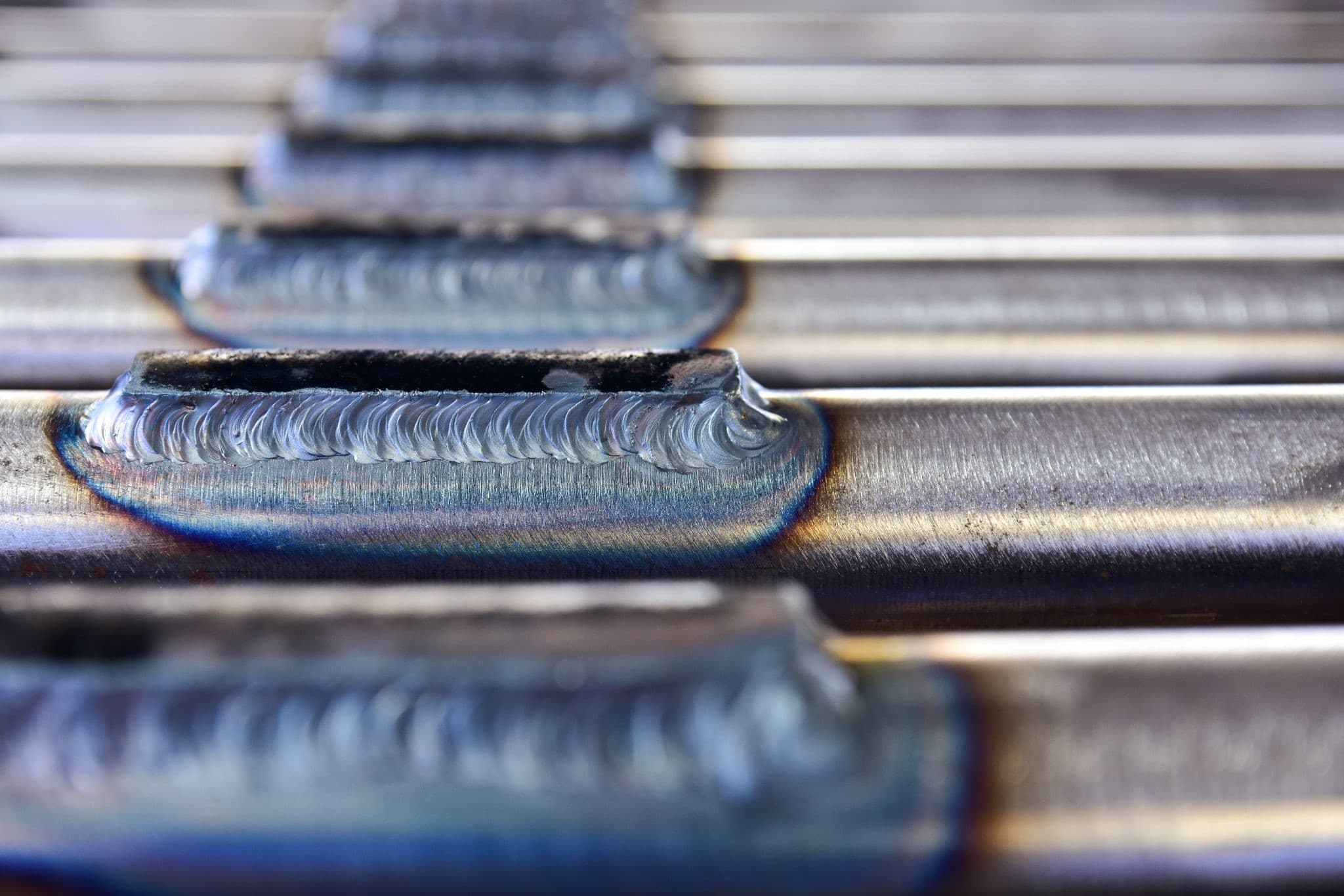 Metals – alloys – weldsTechnological innovation
Optimal weld design of metallic materials
-
 Food – microorganims – disinfectionTechnological innovation
Design and training of panelists for food tastings
-
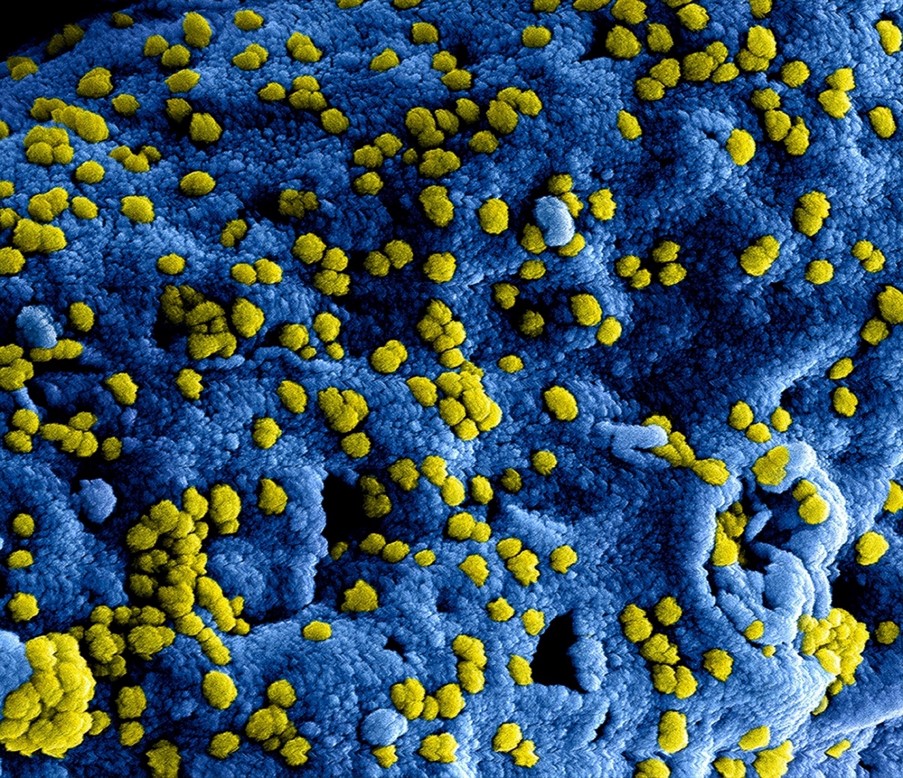 Plastics – polymers – compositesTechnological innovation
Plastics optimization with a new antimicrobial additive
-
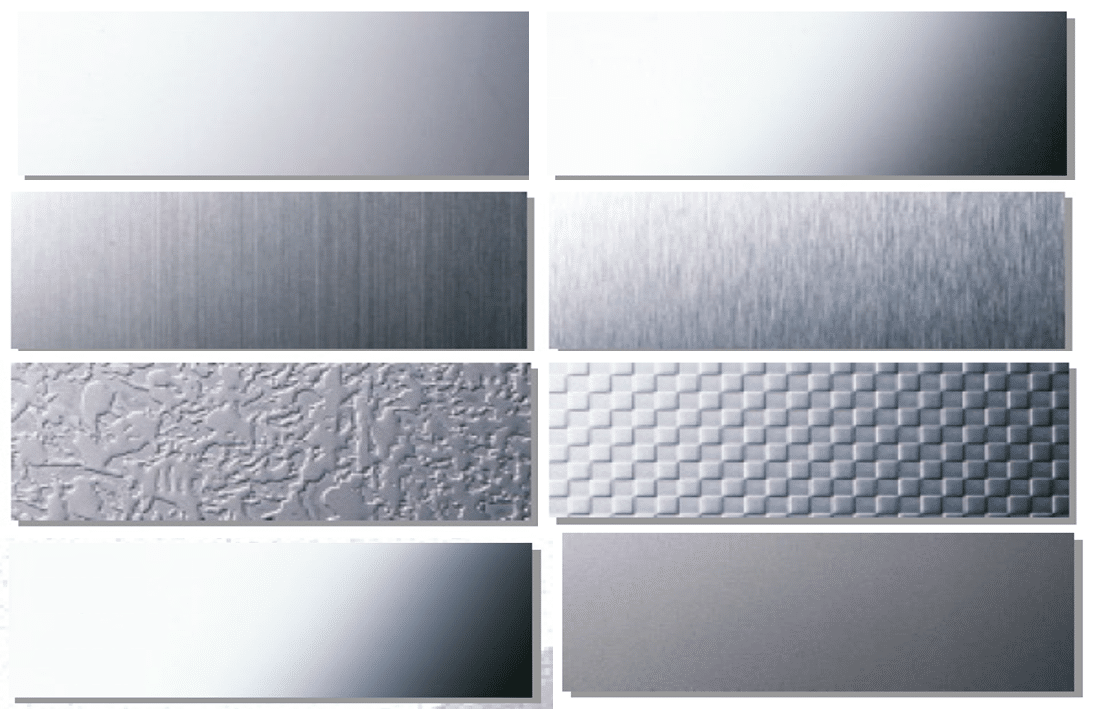 Metals – alloys – weldsTechnological innovation
Selection of an austenitic stainless steel alloy resistant to corrosion
-
 Waste – recycled – sustainabilityTechnological innovation
Research and validation of sustainable corrosion-resistant coatings
-
 Food – microorganims – disinfection
 Technological innovation
Analysis of toxic compounds present in bread baked under different conditions
-
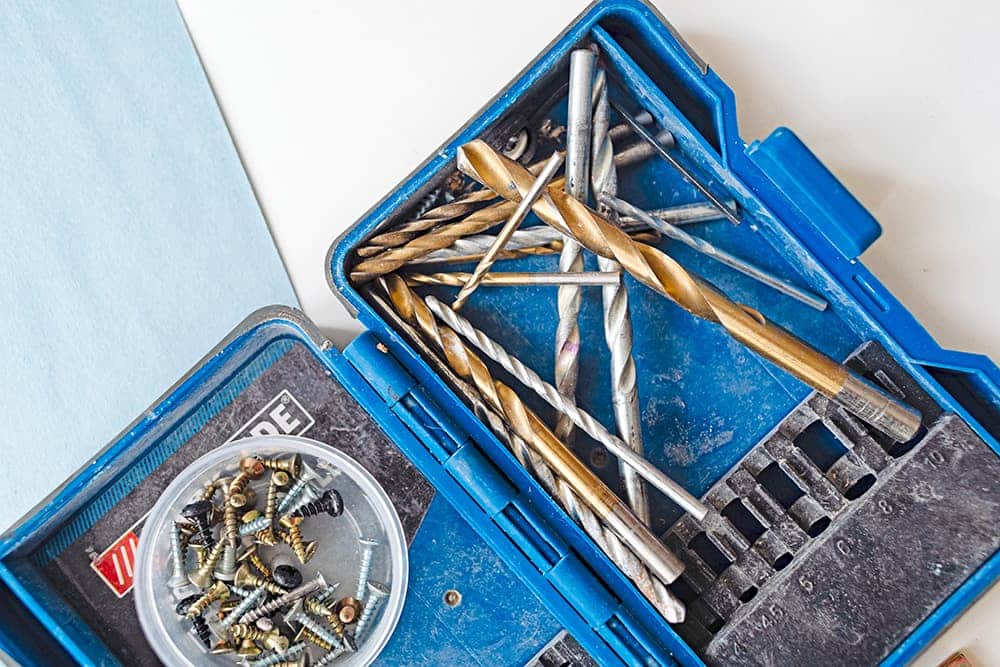 Metals – alloys – weldsTechnological innovation
Hardening treatments of steel to reduce wear and their evaluation under operating conditions
-
 Food – microorganims – disinfectionTechnological innovation
Improving materials for shelf-life extension and food preservation through microstructuring
-
 Food – microorganims – disinfectionTechnological innovation
Design and validation of a prototype to improve the sensory properties of coffee.
-
 Food – microorganims – disinfection
 Technological innovation
Design and validation of a prototype for the improvement of the extraction of compounds in fruits.
-
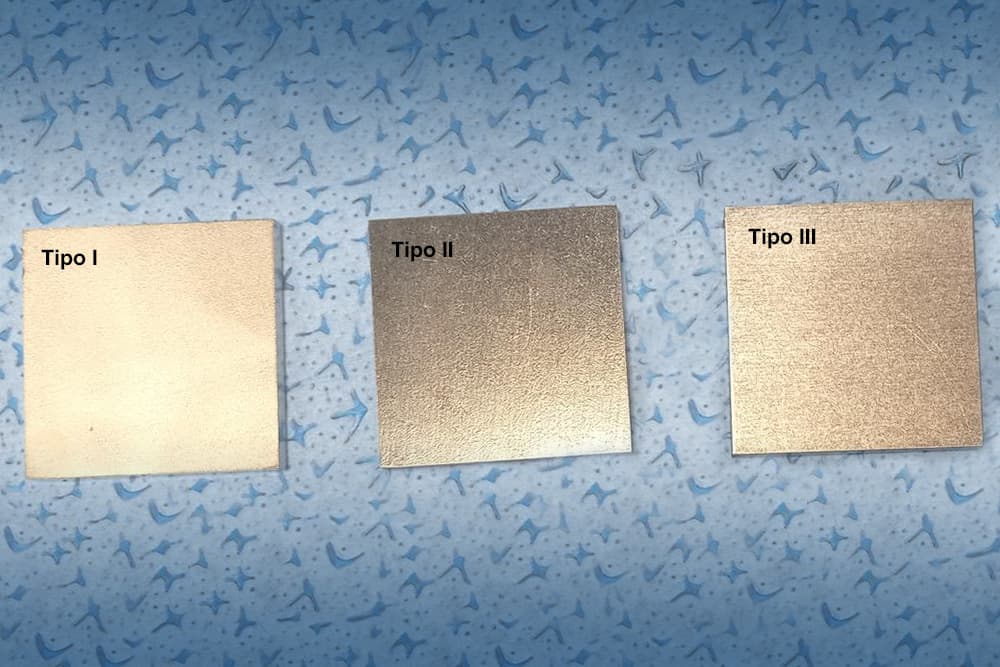 Life tests – accelerated tests – homologationTechnological innovation
Comparative study and selection of wear resistant steels
-
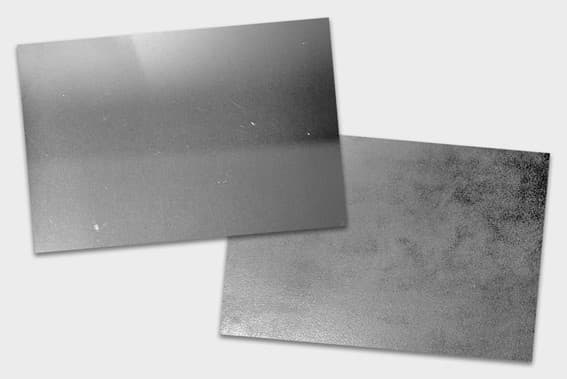 Metals – alloys – weldsTechnological innovation
Corrosion resistance comparison for selecting the optimum surface finish
-
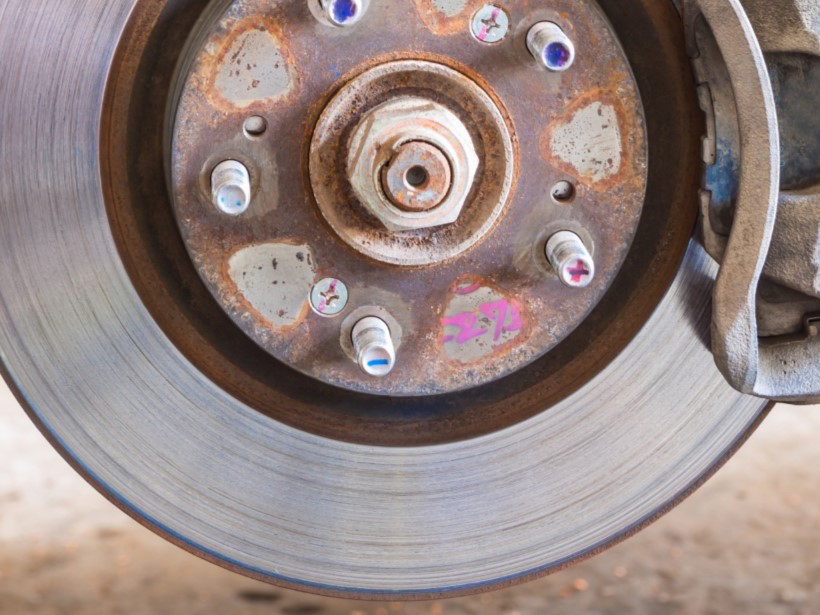 Metals – alloys – weldsTechnological innovation
Selection of Corrosion-Resistant Materials for New Assemblies
-
 Textiles – fibers – packaging
 Technological innovation
Custom Thermal Conductivity Testing in Polymers to Define New Requirements
-
 Life tests – accelerated tests – homologationTechnological innovation
Custom moisture testing in insulating materials for efficient supplier approval
-
 LaserTechnological innovation
Laser Microperforations in Aluminum for the Development of New Aesthetic Finishes with Backlighting
Frequently asked questions about process improvement
FAQs
What is industrial process improvement?
Industrial process improvement is the technical service that optimizes a manufacturing process by intervening on its parameters, the materials involved and the processing techniques, with the aim of increasing performance, reducing defects and stabilizing product quality. It is based on process analysis and material characterization, not on reorganizing the plant.
Unlike management approaches, it always starts from testable evidence: tests, measurements and analyses that explain why the process behaves the way it does. That technical basis allows every change to be validated before it is implemented in production.
What happens if a manufacturing process with recurring defects is not optimized?
A process with recurring defects that is left unoptimized generates scrap, reworks and customer rejections that erode the margin continuously. The defect gets filtered out at quality control instead of being eliminated at source, which keeps cost and risk high over time.
In addition, uncontrolled variability compromises any commitment on deadline or performance, because the process outcome is no longer predictable. Locating and eliminating the root cause of the defect is the only way to reverse that sustained loss of performance.
How are the right techniques and analyses selected to improve a process?
The selection always starts from the specific problem and the material involved. You define what you want to explain (a defect, a loss of performance, a variability) and from there you choose the mechanical, microstructural, thermal or composition characterization techniques that provide the necessary evidence.
INFINITIA, as an industrial technical consultant, prioritizes the analyses according to their ability to discriminate between material, process or design causes. This criterion rests on a process improvement methodology that avoids unnecessary tests and concentrates the effort on the truly critical process variables.
What is the difference between a standard process improvement and a tailored one?
A standard improvement applies known, validated adjustments for common problems, with a bounded scope and short timelines. It is appropriate when the process and the defect fit well-characterized patterns.
A tailored improvement is designed when the problem is specific, recurring or of unknown cause, and involves detailed characterization, reproduction of conditions and validation of changes. INFINITIA adjusts the scope to the real complexity of the case, without oversizing the analysis or falling short in the face of a deep-rooted problem.
What distinguishes a preventive approach from a reactive one in process improvement?
A reactive approach acts once the defect has already occurred: it detects the non-conforming part and removes or reworks it. A preventive approach, by contrast, monitors the critical process variables to anticipate drift before it turns into a defect, allowing scheduled intervention instead of accepting the rejection.
The difference translates into cost and reliability. Anticipating the failure avoids compromised batches, unplanned stoppages and reworks, and reduces reliance on final inspection as the only quality barrier. INFINITIA orients the service toward that anticipatory character, correlating process data with material behavior to distinguish a normal fluctuation from a real signal of imminent failure.
Can the real conditions of a production process be reproduced in a controlled environment?
Reproducing real conditions in a controlled environment is one of the service’s most powerful tools. It makes it possible to recreate the process variables that generate a defect and observe the failure mechanism in isolation, ruling out hypotheses until the real cause is identified.
This capability, linked to forensic failure engineering, is decisive when the problem appears intermittently or only under certain manufacturing conditions. Reproducing the failure is the most reliable way to then validate that the proposed correction truly eliminates it.
How does process improvement help reduce production costs?
Process improvement reduces costs by acting on the real sources of loss: scrap, reworks, excessive material or energy consumption and inefficient cycle times. A process operating within its optimal window produces more conforming parts with the same resources.
The saving is sustainable because it comes from the robustness of the process, not from a one-off cut. By stabilizing quality and reducing reliance on final inspection, production capacity is freed up and the unit cost improves without compromising product performance.
What determines the scope of a process improvement project?
The scope is determined by three factors: the number of variables to analyze, the characterization techniques required and whether it is necessary to reproduce conditions or validate changes in production. A bounded diagnosis is not the same as a project covering scale-up or process redesign.
INFINITIA defines the scope in proportion to the problem, avoiding unnecessary analyses. The advisable step is to request an initial technical assessment that delimits the objective and allows the real effort to be dimensioned before committing resources.
How long does it take to get results?
Typical timelines run between two and four weeks, depending on the complexity of the process, the tests required and the need to reproduce or validate conditions. An initial diagnosis can offer preliminary conclusions within the first few days.
For critical cases that halt a line or jeopardize a delivery, there is an urgent mode with a response within 24 to 72 hours. It is advisable to discuss the specific case to adjust the timeline to the real urgency and to the depth of analysis needed.
What measurement technologies detect defects that conventional inspection cannot see?
Certain variables that govern quality (the composition of a process atmosphere, the uniformity of a coating, the contamination of a fluid or invisible surface defects) are not captured by standard inspection. Technologies such as gas and liquid sensors, hyperspectral cameras, machine vision or thermal sensing make it possible to observe them with a resolution that routine control does not reach.
Incorporating the right measurement technology at the correct point of the process turns previously invisible variables into actionable data on defects and traceability. INFINITIA selects the instrument according to the critical variable that controls the defect, without over-instrumenting, integrating only the sensing that adds real value to the process decision.
Can a process be improved without stopping production?
In most cases, improving a process does not require stopping production. Much of the work (material characterization, defect analysis, parameter study and reproduction of conditions) is carried out in parallel with the line’s activity, on samples and data from the process itself, without interrupting manufacturing.
The implementation of validated changes is planned to minimize impact: scheduled stoppages, batch changes or low-load windows are used, and the modification is introduced in a controlled way. INFINITIA bounds the scope of each intervention beforehand so that the plant manager knows in advance whether it requires a stoppage and of what duration, avoiding unplanned interruptions in production.
How do you measure whether a process improvement has worked?
A process improvement is considered effective when the results are measurable, repeatable and sustained over time. To verify this, objective indicators are compared before and after the intervention, such as the defect rate, the first-pass yield, the scrap generated and the process’s ability to stay within its operating window batch after batch.
The validity of the result depends on the improvement withstanding the passage of time and the usual manufacturing changes, not just on a single favorable measurement. INFINITIA documents that evolution with testable evidence, so that the decision to consider an improvement consolidated rests on verifiable data and not on an isolated impression.