

Our customers
We are your trusted partner in industrial engineering





































































Quality control and testing
The quality control and testing service is what INFINITIA applies to objectively assess the quality, behavior, and durability of industrial materials, components, and products. It makes it possible to verify compliance, identify deviations, and detect potential defects before they turn into production failures, product issues, or market claims.
In our quality control testing laboratory, we combine advanced characterization techniques, physicochemical analysis, and experimental testing to study everything from the composition and microstructure of materials to their response under real conditions of use. This approach makes it possible to analyze how variables such as design, manufacturing process, environmental conditions, or end use influence product performance, through the necessary testing.
The goal is to provide technical information based on data that makes it possible to validate materials, optimize designs, and ensure product quality throughout its service life through appropriate procedures and methods. This service is especially relevant in industrial environments where functionality, safety, and durability must be guaranteed, and where decision-making requires experimental evidence rather than assumptions.
Talk to a specialist
Request a free initial consultation; contact a consultant from our team of specialists

What is quality control and testing in industrial products?
What is it?
Quality control and testing is a structured technical process aimed at objectively assessing the behavior, composition, and durability of industrial materials, components, and products. Its purpose is not only to verify compliance with specifications, but to obtain experimental data that makes it possible to understand how a product responds under real or simulated conditions.
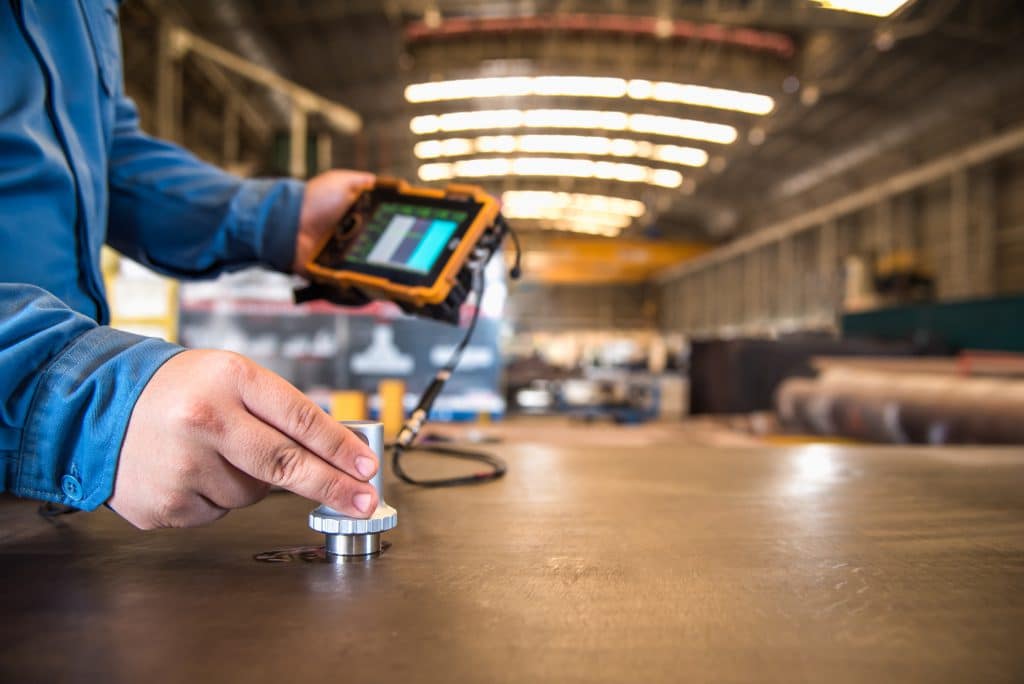
This approach makes it possible to identify deviations, defects, or limitations before they become a problem. In industrial practice, it is key to validate materials, ensure manufacturing quality, and guarantee that the product meets functionality, safety, and service-life requirements.
From the perspective of forensic engineering applied to materials quality control, it is necessary to analyze the product in its full context, including testing in an analysis laboratory. This involves studying its composition, structure, and properties, as well as its behavior in response to mechanical, thermal, chemical, or environmental stimuli, using techniques such as materials characterization, physicochemical analysis, or service-life testing.
At INFINITIA, quality control and testing at our industrial testing laboratory is approached as a tool for validation and continuous improvement. It makes it possible to detect errors, optimize product performance, and anticipate its behavior over time, supporting data-driven technical decision-making and reducing risk in demanding industrial environments.
Quality control at the INFINITIA testing laboratory. Physical, chemical, and service-life testing.
Quality control and testing is approached from a technical standpoint aimed at turning uncertainty into applicable knowledge. In industrial environments, where decisions must be based on data, this approach makes it possible to validate hypotheses, compare alternatives, and anticipate the behavior of materials and products under real service conditions.
To do this, we use physical and chemical materials testing that makes it possible to analyze their composition, structure, and properties. These techniques provide key information on how materials respond under different conditions, and are essential both in development and production to ensure consistency, compliance, and reliability.
This approach is complemented by the integration of service-life testing and techniques such as accelerated aging, which make it possible to estimate product durability and assess how it evolves over time. This way, it is possible to prevent failures, optimize designs, and reduce costs associated with maintenance or in-service issues.
At INFINITIA, quality control is approached as a comprehensive process based not only on gathering data, but on its technical interpretation to support decision-making. This includes material validation, deviation identification, and adaptation to current regulations, especially in regulated sectors where quality, safety, and compliance are critical.
Problems addressed by quality management in material durability and reliability
Problems
The absence of a solid quality control system in industrial processes prevents errors from being detected at an early stage, causing latent defects to surface in service as failures, claims, or cost overruns. In many cases, problems are not evident during manufacturing, but end up directly affecting product reliability and operational efficiency. This scenario forces a reactive response, with ineffective solutions that fail to address the real root of the problem.
Industrial laboratory testing makes it possible to identify deviations in critical properties such as mechanical strength, chemical behavior, or thermal stability, even when materials appear to be compliant. Without this type of analysis, premature degradation, incompatibilities between components, or loss of functionality not anticipated in the early stages tend to appear. These types of problems have a direct impact on final quality and on the repeatability of the production process.
Another critical aspect is the lack of information on product durability. Without service-life testing, it is difficult to anticipate how materials will evolve under real conditions, which limits the ability to define maintenance strategies, guarantee long-term performance, or prevent in-service failures. This uncertainty affects both product design and validation.
In sensitive sectors such as food, the absence of physicochemical or microbiological analysis can compromise product safety and create regulatory risks. In general, the lack of characterization and testing prevents understanding how materials behave under real conditions of use, making decision-making harder and increasing technical risk. In this context, quality control stops being a one-off check and becomes a critical element within the industrial process.

servicios
How do we apply quality control and testing at INFINITIA?
-
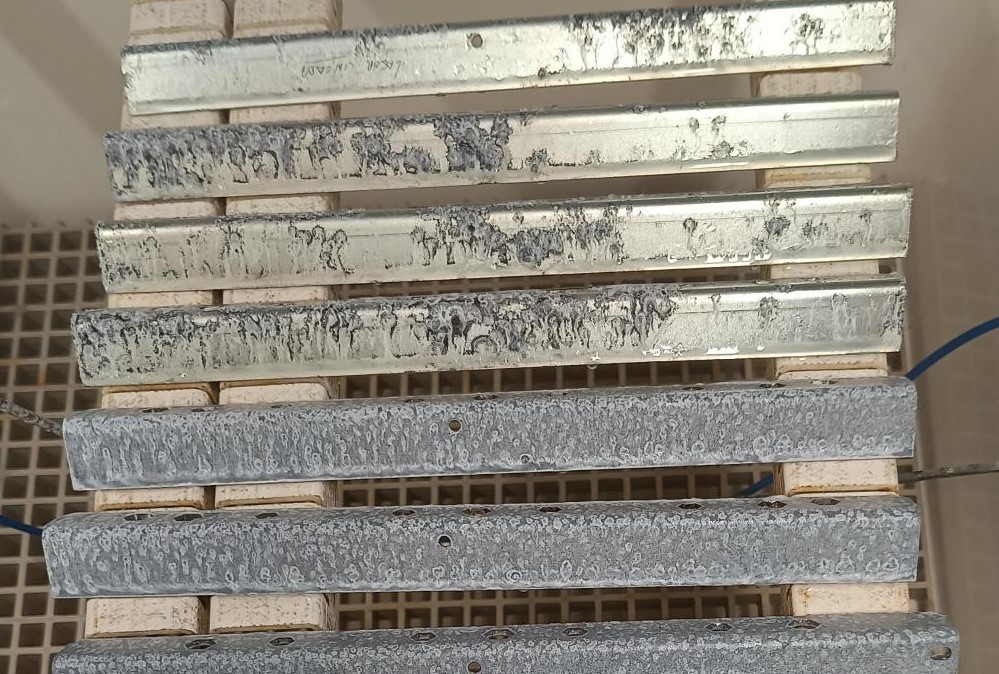 Quality control and testing
Behavior against external agents
The technical approach considers multiple degradation variables simultaneously or sequentially: temperature, thermal cycles, relative humidity, condensation, ultraviolet radiation, saline atmospheres and contact with chemical substances.…
-
 Quality control and testing
Abrasion, scratching and easy cleaning tests
Abrasion, scratch and easy-cleaning tests are designed to measure how materials behave under mechanical wear, scratching and cleaning processes. These tests allow us to verify whether a…
-
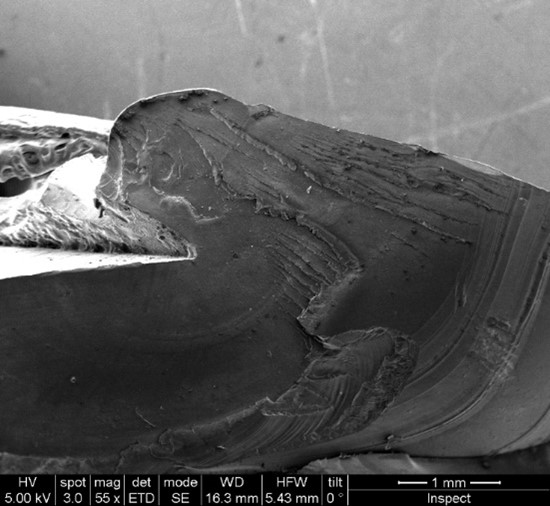 Quality control and testing
Fractography and microscopy tests
Fractography is the study of the fracture surfaces of materials, used to determine the causes and modes of failure. At INFINITIA’s laboratory, we analyze the…
-
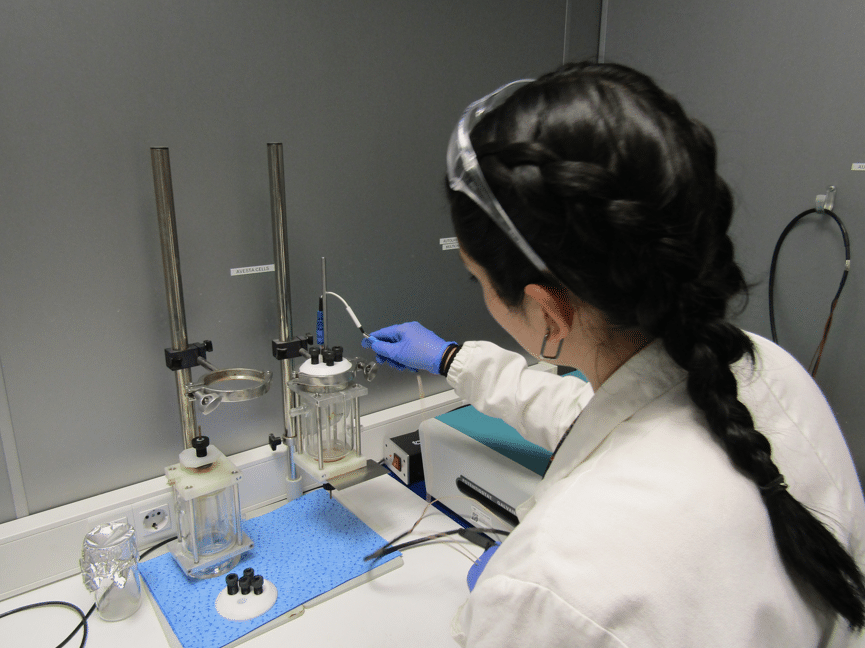 Quality control and testing
Homologation tests
We optimize part costs and durability. Approval testing of a raw material helps us determine which material, and with what characteristics, should be used in…
-
 Quality control and testing
IP or tightness tests
We verify products’ resistance to liquid ingress. We guarantee safe use in humid environments or those exposed to water. Waterproofing tests for products are key so…
-
 Quality control and testing
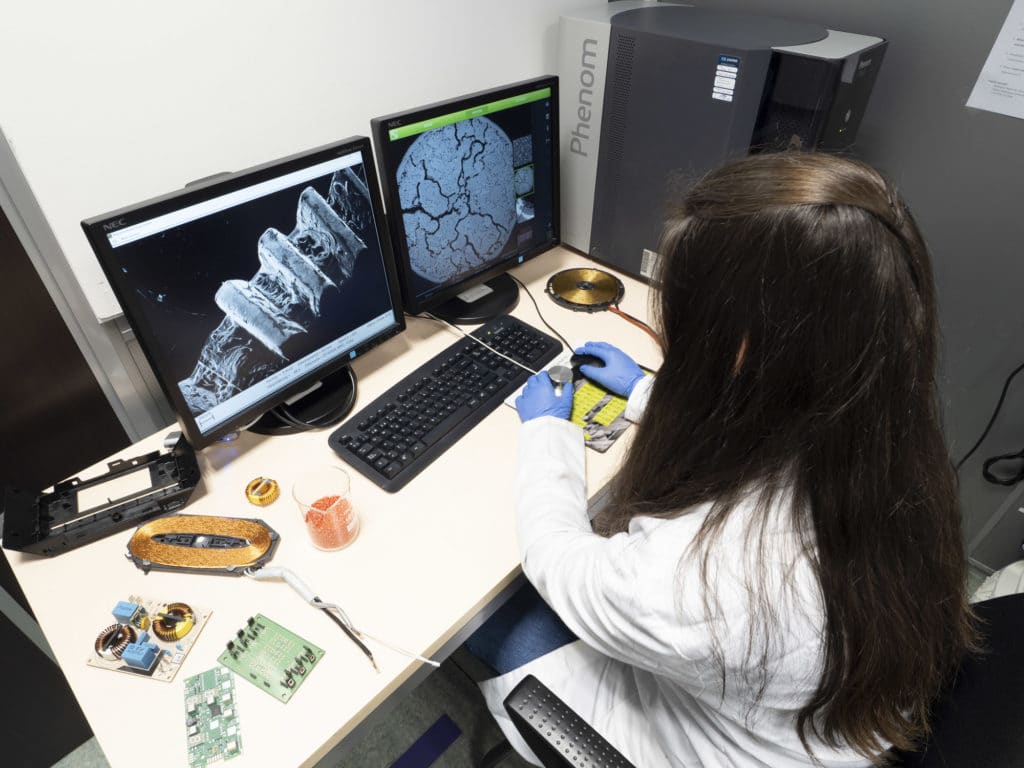
Material Characterisation
Material characterization consists of studying the structural, morphological and functional properties of a substance, with the aim of determining its composition, strength, durability, behavior under external stresses, and…
-
 Quality control and testing
Solar and UV Radiation Testing on Materials
What does a solar radiation or UV test involve? This technical service is based on the controlled simulation of solar radiation using climatic chambers, capable of reproducing…
-
 Quality control and testing
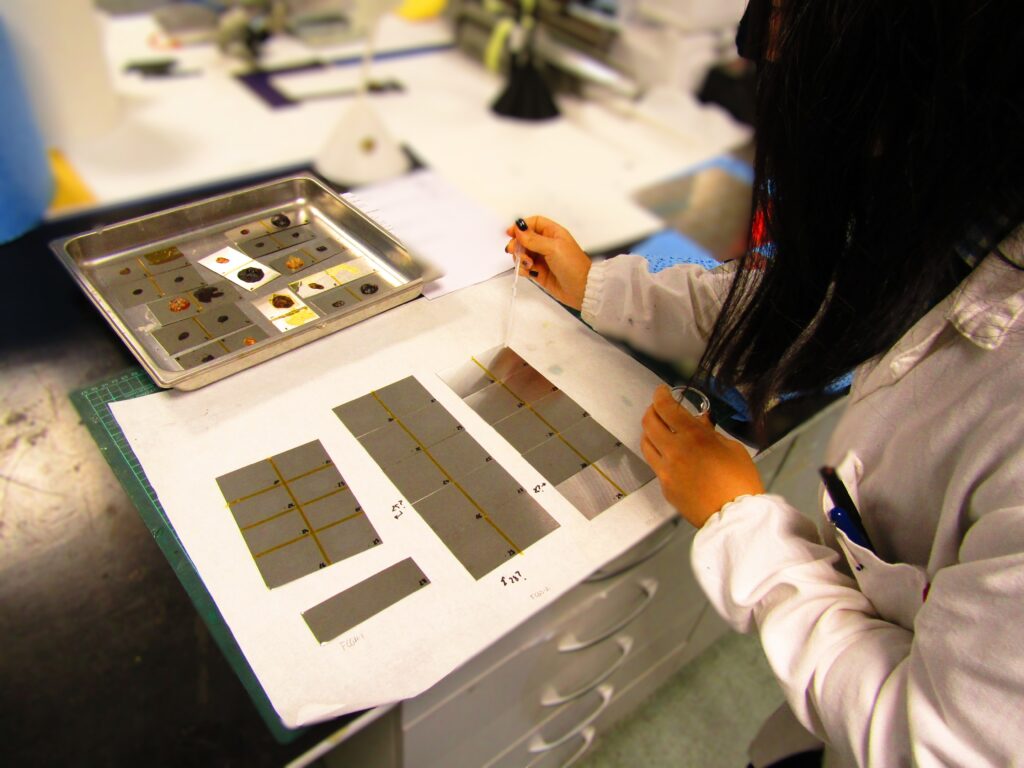
Chemical resistance tests
From a technical point of view, chemical resistance refers to a material’s ability to retain its physical, mechanical and chemical properties without undergoing significant changes…
-
 Quality control and testing
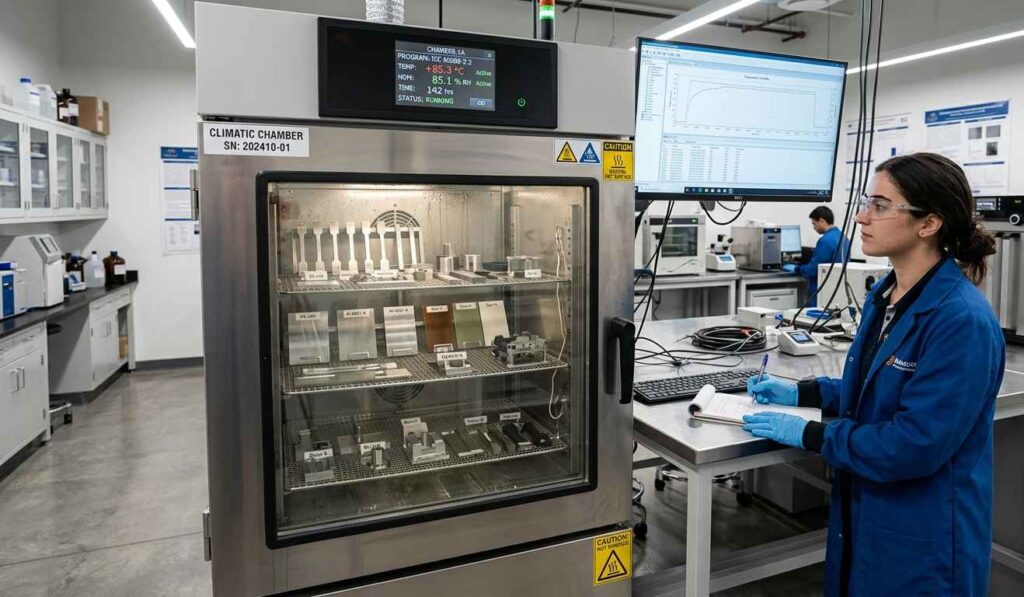
Accelerated ageing tests
This type of accelerated ageing test is based on physico-chemical principles that enable specific degradation mechanisms to be reproduced in a controlled manner, assessing the…
-
 Quality control and testing
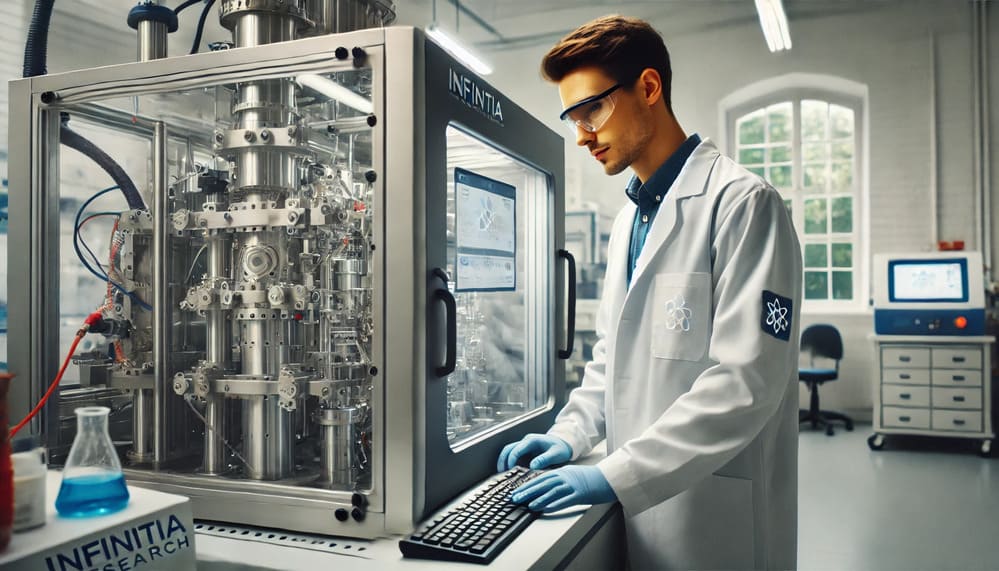
Custom tests
To understand what a bespoke test is, it is important to bear in mind that both materials and products must be certified for use. To…
-
 Quality control and testing
Detection of counterfeit components
This service involves a series of comparative analyses between reference parts, technical data sheets or literature and the components under investigation, using reverse engineering techniques,…
Applications of quality control and testing to evaluate materials, processes, and the final product
Applications
Quality control and testing covers multiple applications aimed at understanding material behavior and ensuring product quality at every stage through testing carried out in the laboratory, identifying the necessary tests. From the initial analysis of materials to validation under real conditions, this testing provides critical information for decision-making within quality control organizations.
At INFINITIA, these applications are carried out through a combination of advanced laboratory techniques and industrial expertise, adapting each analysis to the type of product and its conditions of use.
Materials quality control through advanced characterization
This analysis makes it possible to study in detail the physical, chemical, and mechanical properties of materials in order to understand their behavior and suitability for a specific application. Aspects such as structure, composition, strength, or stability under different conditions of use are assessed, using laboratory characterization techniques adapted to the type of material, whether metallic, polymeric, ceramic, or multi-material.
At INFINITIA, we apply materials characterization to determine how variables such as processing, formulation, or environmental conditions influence material performance. This makes it possible to compare materials, validate specifications, and detect deviations between batches or suppliers, providing a solid technical basis for design and production decisions.
Characterization also makes it possible to estimate the product service life and anticipate possible degradation mechanisms, supporting material optimization and improving the reliability of the final product under real service conditions.
Service-life testing for durability assessment in industrial products
Service-life testing makes it possible to assess how materials and products evolve over time under controlled or accelerated conditions, supporting in-service testing. Phenomena such as aging, degradation, fatigue, or loss of properties are analyzed, reproducing conditions similar to real use in the laboratory through variables such as temperature, humidity, radiation, or chemical exposure.
At INFINITIA, we develop this testing to control the durability of materials and components, identifying critical points and anticipating failures before they occur in service. This approach makes it possible to define maintenance cycles, validate service-life requirements, and compare alternative solutions in terms of long-term performance.
These studies are also key in development and validation phases, as they make it possible to optimize product design, reduce uncertainty, and minimize costs associated with premature failures or market claims.
Design of experimental setups and custom testing for material and product validation
These custom-designed tests make it possible to design specific experimental setups to reproduce real conditions of use or critical scenarios that cannot be assessed using standardized methods. Through the design of customized setups, it is possible to analyze the behavior of materials, components, or systems against combinations of variables such as load, temperature, chemical agents, use cycles, or complex environmental conditions.
At INFINITIA, we develop customized laboratory testing tailored to each case, defining experimental protocols that make it possible to validate hypotheses, identify critical points, and reproduce failures under controlled conditions. This approach is especially useful when existing standards do not cover the real problem, or when the product needs to be evaluated under specific application conditions.
The design of custom test setups also makes it possible to compare solutions, optimize materials, and validate design decisions on an experimental basis. These studies are key in development, industrialization, or product improvement phases, as they reduce uncertainty, anticipate risks, and support well-founded technical decisions before implementation under real conditions.
Analysis of materials against mechanical, thermal, and chemical stimuli through the analysis laboratory
Industrial materials analysis makes it possible to study how materials respond to different mechanical, thermal, chemical, or environmental stimuli, identifying the relevant tests. This includes tests such as corrosion resistance, salt spray, exposure and resistance to chemical agents, thermal variations, and abrasion wear…. all aimed at evaluating material behavior under demanding conditions.
At INFINITIA, we apply this analysis to understand the interaction between material and environment, identifying possible degradation or incompatibility mechanisms. This is especially relevant in applications where materials are exposed to aggressive conditions or variables that can affect their performance.
This approach makes it possible to validate the viability of the material in its final application, optimize its selection, and prevent in-service problems, reducing technical risk and improving product durability.
Physicochemical analysis for composition identification and control
Physicochemical analysis makes it possible to identify the composition, structure, and characteristics of materials, including polymers, metals, coatings, or composite materials. Advanced techniques such as microscopy, spectroscopy, or chemical analysis are used to obtain detailed information on the components and their distribution.
At INFINITIA, we apply this type of analysis to validate formulations, detect contaminants, identify unknown materials, assess the quality of products and raw materials, or even detect counterfeit components. This approach is key to ensuring compliance and understanding material behavior from a chemical and structural standpoint.
These studies also make it possible to develop new materials, optimize compositions, and ensure product quality in sectors where composition is a critical factor for performance.
Environmental and UV radiation testing in materials to assess degradation and weathering resistance
These environmental tests on materials make it possible to analyze their behavior against external agents such as solar radiation, UV radiation, temperature, humidity, or aggressive atmospheres, which can cause progressive material degradation processes that are difficult to detect in the early stages. Phenomena such as discoloration, loss of mechanical properties, cracking, oxidation, or premature aging are studied, especially in materials exposed to weathering or outdoor use.
At INFINITIA, we carry out solar and UV radiation testing on materials using climate chambers and specific equipment that simulate real exposure conditions. This testing makes it possible to assess UV radiation resistance, stability under thermal cycling, and the influence of humidity on polymers, coatings, adhesives, or composite materials, identifying degradation mechanisms associated with prolonged exposure.
This type of weathering resistance testing is key to validating materials for outdoor applications, comparing solutions, and optimizing formulations or surface treatments. At INFINITIA, we use these studies to anticipate failures, improve durability, and ensure that materials retain their functional and aesthetic properties over time under real service conditions.
Industrial sectors where quality control and testing are key to ensuring safety and reliability
sectors
Quality control and testing play a fundamental role across a wide range of industrial sectors, as any system based on materials, components, and processes is subject to requirements for quality, durability, and safety. However, regulatory requirements, operating conditions, and the impact of deviations vary significantly by sector, making it essential to tailor the testing strategy to each specific context.
At INFINITIA, we develop quality control and testing programs by combining characterization techniques, experimental testing, and industrial engineering principles. Our goal is to evaluate each material and product under its actual conditions of use, validate its compliance, and provide useful information for decision-making, ensuring product reliability and process robustness in every industrial sector.
Quality control in automotive: components subject to load, fatigue, and variable use conditions
In the automotive sector, materials and components are subjected to cyclic loads, vibration, thermal variation, and aggressive environments that can cause progressive degradation or critical failures that are difficult to detect in the early stages. Mass production and high safety requirements mean that small deviations in materials, processes, or assemblies can have a significant impact on reliability, warranty cost, and manufacturer reputation.
- Mechanical behavior assessment: analysis of fatigue, wear, plastic deformation, or fracture in components subject to repeated loads and dynamic conditions.
- Materials and process analysis: detection of deviations in raw materials, heat treatments, coatings, or manufacturing parameters.
- Validation under service conditions: simulation of temperature, humidity, corrosion, or accelerated aging to assess the real performance of the component.
At INFINITIA, we analyze these scenarios to determine whether problems originate in the material, the design, the production process, or the conditions of use. This approach makes it possible to optimize material selection, improve design robustness, and reduce the probability of failure in real applications through the implementation of testing methods.
Quality control in electronics: validation of components subject to thermal, environmental, and assembly conditions
In electronics, materials and assemblies are subjected to thermal, electrical, and environmental conditions that can cause multi-factor failures. Component miniaturization, together with strict reliability and stability requirements, means that small deviations in materials or processes generate functional problems that are difficult to identify, which are assessed in a quality control laboratory.
- Thermal stability assessment: analysis of degradation from thermal cycling, overheating, differential expansion, or inefficient dissipation.
- Assembly and joint analysis: detection of failures in solder joints, adhesives, encapsulation, or multi-material interfaces.
- Validation under conditions of use: influence of humidity, chemical agents, vibration, or prolonged use on system behavior.
At INFINITIA, we evaluate these factors to determine whether the failure is associated with materials, assemblies, or service conditions, making it possible to improve product reliability, optimize manufacturing processes, and reduce field incidents.
Quality control in defense: materials and components subject to extreme conditions and demanding operational environments
In the defense sector, materials and systems are subjected to extreme operating conditions, such as high mechanical loads, severe thermal variation, exposure to aggressive environments, and critical use situations. In this context, any deviation in materials, processes, or design can compromise the functionality, safety, or reliability of the system, with significant operational consequences.
- Assessment of behavior under extreme conditions: analysis of resistance to impact, fatigue, vibration, thermal shock, or exposure to corrosive environments.
- Materials and compatibility analysis: detection of degradation, incompatibilities, or loss of properties in metals, polymers, coatings, or multi-material systems.
- Validation under operational conditions: simulation of real-use environments, including specific environmental, mechanical, and chemical conditions.
At INFINITIA, we analyze these scenarios to determine whether the risks are associated with the material, the design, the manufacturing process, or the conditions of use. This approach makes it possible to validate solutions, optimize materials, and ensure system reliability under critical conditions, reducing uncertainty and improving decision-making in highly demanding technical environments.
Quality control in plastics and polymers: materials subject to chemical, thermal, and mechanical degradation
In polymeric materials, exposure to temperature, radiation, chemical agents, or mechanical stress can cause progressive degradation that affects their properties, highlighting the importance of an effective control plan. Small variations in formulation, additives, or processing parameters can also lead to significant changes in material behavior.
- Materials characterization: analysis of composition, molecular structure, filler distribution, and physical and chemical properties.
- Degradation assessment: study of thermal aging, oxidation, hydrolysis, swelling, or loss of mechanical properties.
- Process analysis: influence of extrusion, injection, or curing parameters on the final behavior of the material.
At INFINITIA, we evaluate these factors to determine the suitability of the material, optimize formulations, and prevent in-service problems, improving the durability and performance of the final product.
Quality control in metallurgy: materials subject to structural loads, heat treatments, and aggressive environments
In metallic materials, load, temperature, and environmental conditions can create defects or degradation that compromise structural integrity, which is why rigorous quality control is required. Processes such as casting, machining, or heat treatment can introduce microstructural variations that affect material behavior.
- Mechanical testing: assessment of tensile strength, fatigue, impact, creep, or deformation under different load conditions.
- Microstructural analysis: detection of cracks, inclusions, segregation, or internal defects using advanced techniques to assess material quality.
- Service condition assessment: influence of corrosion, temperature, dynamic loads, or aggressive environments on failure.
At INFINITIA, we analyze these scenarios to identify the source of defects and determine whether they are associated with the material, the process, or the conditions of use, making it possible to optimize designs, improve processes, and reduce the risk of failure.
Quality control in construction: materials exposed to environmental conditions and structural stress
In construction and infrastructure, materials are exposed over long periods to adverse environmental conditions, structural loads, and use cycles that can cause progressive degradation. These processes may evolve slowly but can compromise the safety and service life of structures.
- Environmental degradation analysis: study of corrosion, humidity, UV radiation, contamination, or thermal cycling in structural materials.
- Structural assessment: detection of cracking, deformation, loss of adhesion, or degradation of protective coatings through testing.
- Durability validation: analysis of long-term behavior and estimation of service life under real conditions.
At INFINITIA, we evaluate these scenarios to determine the source of deterioration and define maintenance, repair, or replacement strategies, optimizing the service life of materials and ensuring structural safety.
Quality control and testing laboratory at INFINITIA to minimize risk and improve decision-making
Value
Quality control and testing is a key tool for turning experimental data into well-founded technical decisions. At INFINITIA, we approach this service from an evidence-based standpoint, where compliance is not only verified but the real behavior of materials and products is interpreted. This makes it possible to reduce uncertainty in decision-making and ensure that actions are aligned with the expected performance under conditions of use.
By combining service-life testing, degradation analysis, and materials characterization, we help companies anticipate failures before they appear in production or in the market. This approach incorporates preventive analysis strategies that make it possible to identify potential risks before they materialize, supporting proactive decision-making in design, validation, or industrialization phases. This way, it is possible to validate materials, compare alternatives, and optimize designs, generating applicable technical knowledge that improves product reliability and process robustness.
Quality control also has a direct impact on economic optimization. At INFINITIA, we work to reduce costs associated with maintenance, claims, reprocessing, or product recalls, identifying deviations early and avoiding decisions based on assumptions. The integration of physicochemical analysis and industrial testing makes it possible to ensure the consistency of the production process, improve operational efficiency, and achieve maximum quality.
In regulated sectors, this approach takes on an additional dimension by making it possible to ensure regulatory compliance and product safety. Working with INFINITIA means having a team capable of designing testing strategies tailored to each case, interpreting results, and proposing technical solutions, turning quality control into a strategic tool for continuous improvement and industrial risk reduction.
Projects
Works done in Failure analysis
-

 3D printing – MVP – MLPForensic engineering
3D printing to detect design flaws in leak-tight parts
-
 Textiles – fibers – packagingForensic engineering
Failure analysis, packaging design and validation
-
 Plastics – polymers – compositesForensic engineering
Fatigue analysis of materials and redesign of cracked components
-
 Adhesives – coatings – treatmentsForensic engineering
Coating analysis to resolve adhesion failures in production
-
 Electrical – electronics components
 Forensic engineering
Defect detection in electrical cables to improve quality and reliability
-
 Plastics – polymers – compositesForensic engineering
Detection of defects in fiberglass reinforced polyamide components
-
 Metals – alloys – weldsForensic engineering
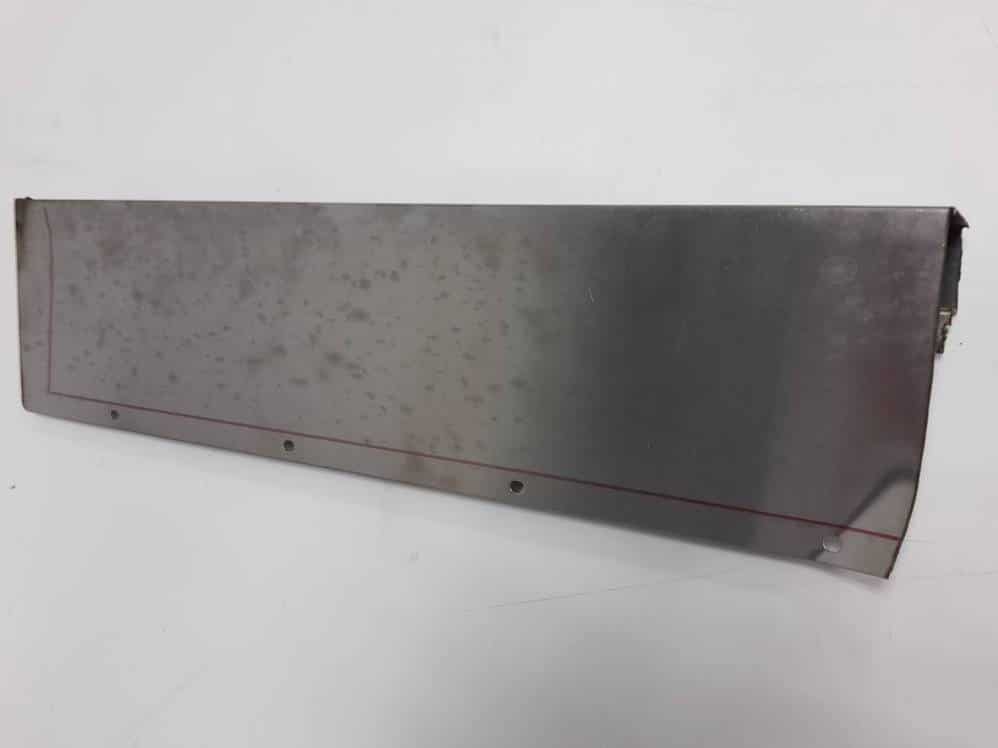
Corrosion and stain analysis on stainless steel
-
 Plastics – polymers – compositesForensic engineering
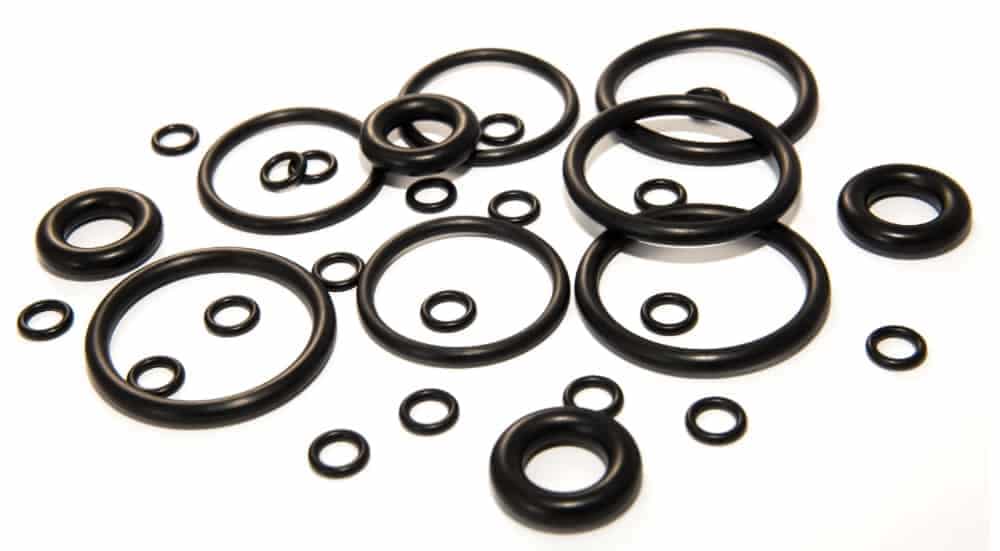
Detection of rubber defects and assurance of quality standards
-
 Metals – alloys – welds
 Forensic engineering
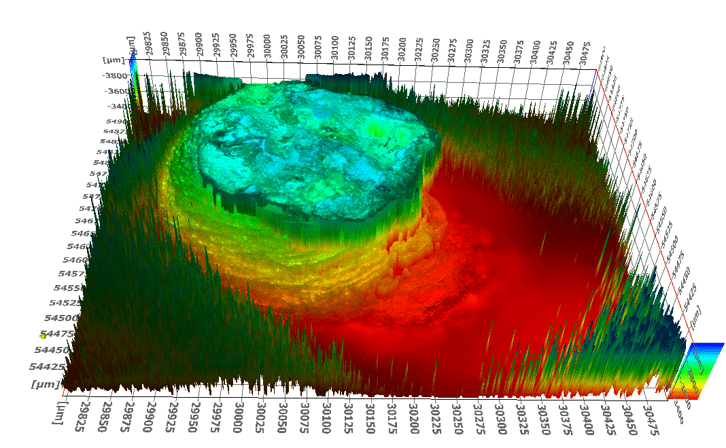
Flaw detection and redesign of aluminum conductors
-
 Adhesives – coatings – treatmentsForensic engineering
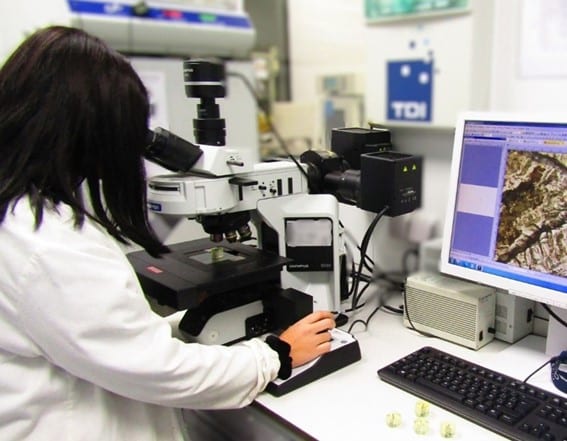
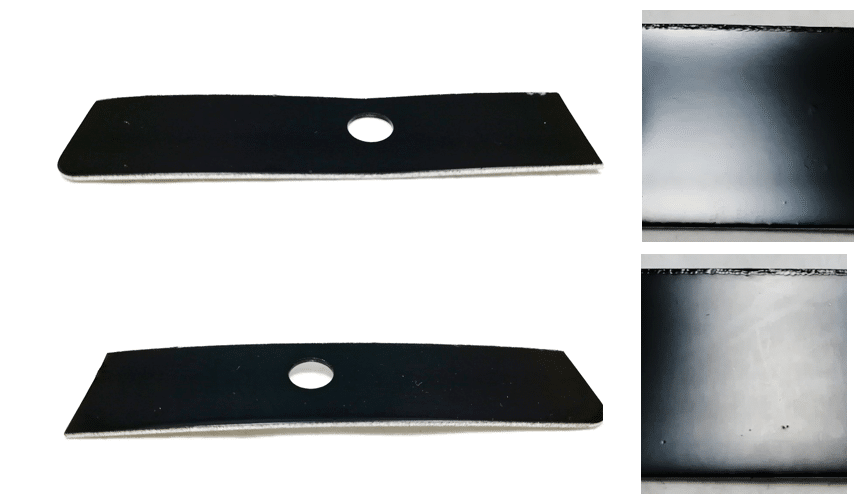
Paint defect analysis using microscopy to identify anomalies in industrial coatings
-
 Metals – alloys – welds
 Forensic engineering
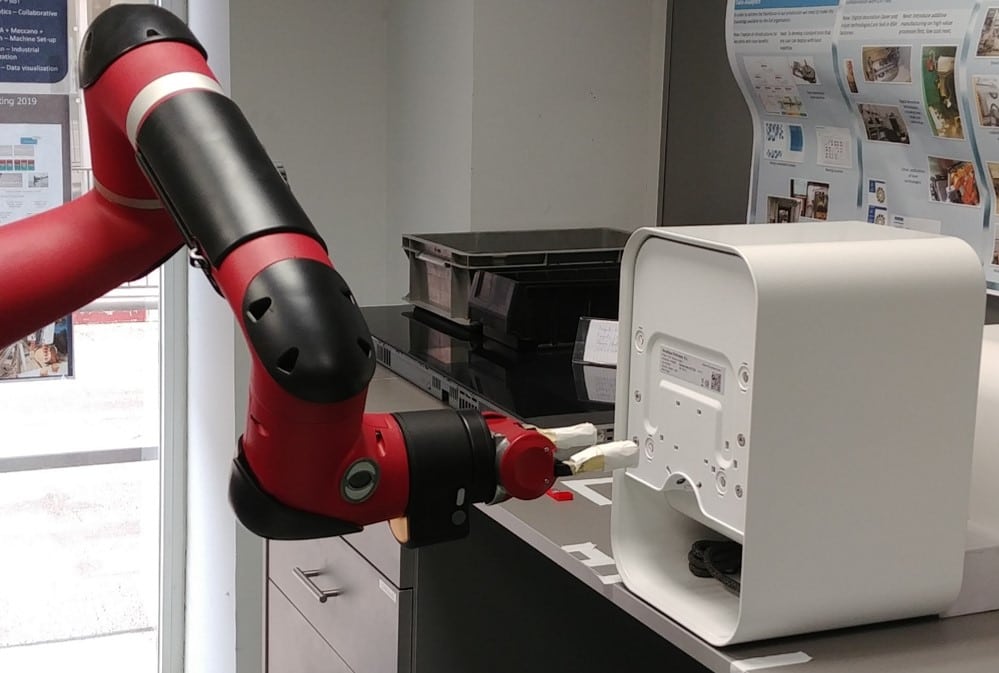
Simulation of wear and service life of components using life cycles
-
 Plastics – polymers – compositesForensic engineering
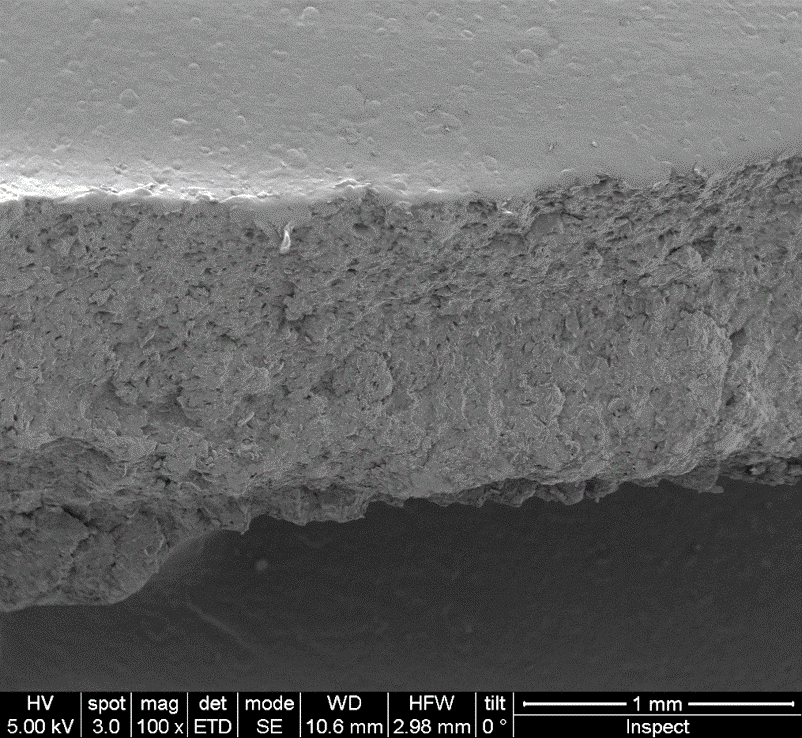
Detection of defects during the transport of parts
-
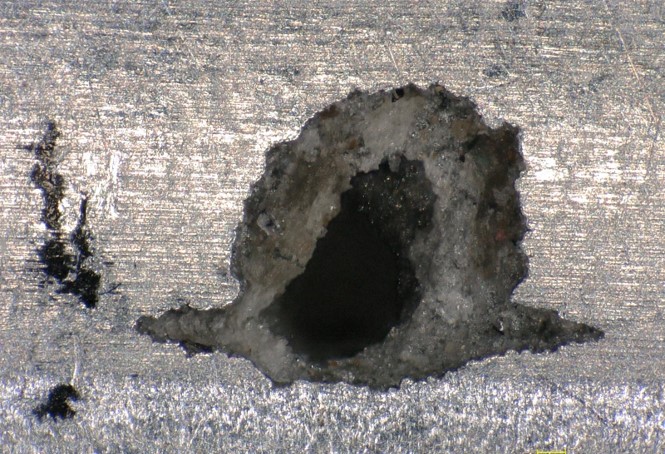 Metals – alloys – weldsForensic engineering
Detection of defects in aluminum pipes from a market claim
-
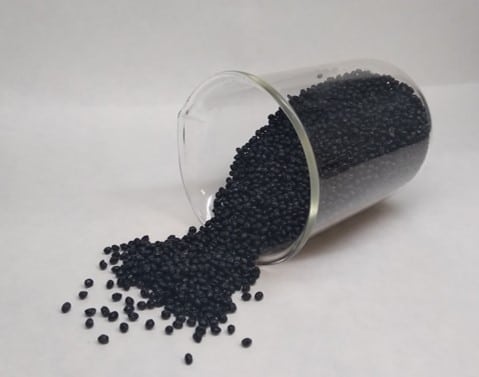 Plastics – polymers – compositesForensic engineering
Detection of defects in polyamide components
-
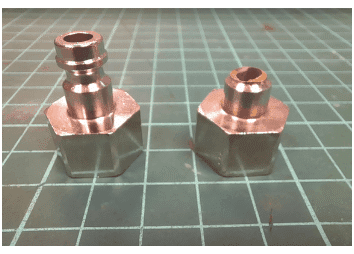 Metals – alloys – weldsForensic engineering
Accelerated aging of materials to detect critical corrosion failures
-
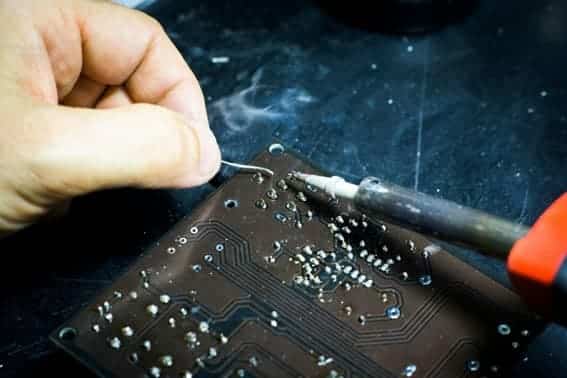 Electrical – electronics componentsForensic engineering
PCB failure analysis to improve the reliability of temperature sensors
-
 Electrical – electronics componentsForensic engineering
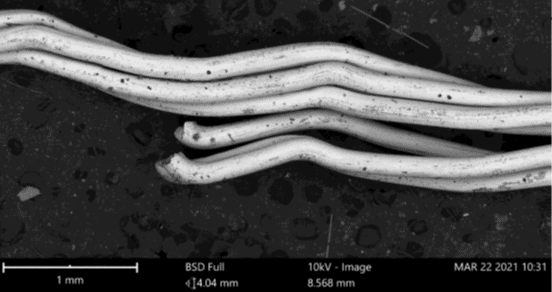
Electrical cable failure analysis to improve thermal reliability
-
 Plastics – polymers – compositesForensic engineering
Failure analysis and evaluation of polycarbonate injection conditions
-
 Plastics – polymers – compositesForensic engineering
Failure analysis of polycarbonate pipes in a market claim
-
 Metals – alloys – weldsForensic engineering
Failure and breakage analysis of cables subjected to high temperatures
Frequently asked questions about quality control and industrial testing
Faqs
When is it necessary to carry out quality control testing on an industrial product?
Quality control testing is necessary whenever there is real uncertainty about the behavior of a material or product: during development phases, when changing supplier or batch, following production incidents, or in response to market claims. In these scenarios, relying solely on technical specifications or prior experience is not enough to guarantee the real performance of the product.
At Infinitia, we have resolved cases where a product complied on paper but failed in use: from unforeseen chemical incompatibilities between materials to premature degradation under environmental conditions not accounted for in the initial validation. Having an external technical partner makes it possible to detect these deviations before they become a problem, reducing technical risk and providing the experimental basis needed for well-founded decisions. If you have doubts about whether your case requires testing, get in touch with no obligation.
What are the consequences of not carrying out test-based quality control?
The absence of experimental validation usually leads to undetected defects that surface in later stages of the product life cycle, when the cost of resolving them is significantly higher. In-service failures, claims, reprocessing, or product recalls are common scenarios when technical decisions are made without experimental data.
Without the support of an external technical partner, decisions about materials, processes, or suppliers are based on assumptions or documentary information that does not always reflect the real behavior of the supplied batch. We have seen this pattern in projects such as the evaluation of materials to reduce corrosion in chemical reactors, where the lack of prior characterization had led to systematic in-service failures. The cost associated with reprocessing, warranties, or line stoppages is usually far higher than the cost of preventive analysis.
How are the most suitable tests selected for a material or product?
The selection of tests depends on four fundamental variables: the type of material and its function in the product, the real conditions of use and service requirements, the nature of the technical problem to be solved, and the level of information available at that time. There is no standard set of tests valid for every case.
As a general guide:
Composition and microstructure characterization: necessary when the material is unknown or compliance needs to be validated.
Mechanical testing: tension, hardness, fatigue, or impact when there are dynamic loads or stresses.
Environmental testing: aging, temperature, humidity, or chemical exposure.
Physicochemical analysis: identification of composition, impurities, or compatibility between materials.
At Infinitia, we always begin with a technical diagnosis of the problem to define a testing strategy aimed at the real objective, avoiding unnecessary analysis and prioritizing the techniques most representative of the specific case.
What is the difference between standardized tests and custom tests?
Standardized tests follow procedures established by bodies such as ISO, ASTM, UNE, or EN, making it possible to compare results under standardized conditions and facilitating compliance validation or benchmarking between materials. They are useful when the product must meet a specific standard or when comparability with third-party results is required.
Custom tests are specifically designed to reproduce real conditions of use or critical scenarios not covered by any existing standard. At Infinitia, we frequently develop this type of study when a failure only reproduces under specific combinations of temperature, load, and chemical exposure, or when standard tests fail to capture the variables that truly determine the in-service behavior of the product. You can see this approach applied in our comparative testing of technologies to eliminate industrial odors, where the real problem had no standard regulatory coverage.
What value does an external technical partner add compared to a visual or documentary inspection?
An inspection makes it possible to verify visible aspects or check technical documentation, but it does not explain the internal behavior of the material or identify the source of the problems. It is a useful control tool, but technically limited when the failure has microstructural, chemical, or mechanical causes that cannot be detected with the naked eye.
Having an external technical partner makes it possible to analyze properties, validate hypotheses, and understand why failures occur. At Infinitia, we combine techniques such as fractography and microscopy testing with physicochemical analysis and mechanical testing to turn quality control into a data-driven decision tool, rather than one based on subjective interpretations. When the case requires it, results are formalized as a technical report with technical-legal validity.
Can failures that occur in real use be reproduced?
Yes. Reproducing failures under controlled conditions is possible through tests designed to simulate real operation: mechanical load, temperature, humidity, exposure to chemical agents, use cycles, or combinations of several factors simultaneously. This approach makes it possible to validate root-cause hypotheses on an experimental basis before making corrective decisions.
At Infinitia, we regularly apply this methodology within our forensic engineering services, reproducing the failure scenario under controlled conditions to confirm its origin and verify the real effectiveness of proposed solutions. A specific example is the analysis of gases released by thermal degradation of plastics, where controlled reproduction of the failure was key to identifying the real degradation mechanism. This is especially relevant in recurring or intermittent failures, where acting without solid data usually leads to fixes that do not eliminate the root problem.
How does testing help reduce industrial costs?
Testing makes it possible to identify deviations and risks in the early stages of development or production, preventing problems from escalating to mass production or reaching the market, where the economic impact is exponentially greater. Detecting an incorrect material or a process deviation before transformation eliminates scrap costs, rework, warranties, and line stoppages.
Working with an external technical partner also makes it possible to optimize material selection and make purchasing decisions on an experimental basis. At Infinitia, we have applied this approach in projects such as the accelerated corrosion test to optimize laser marking on industrial materials, where experimental validation made it possible to make process decisions without the need for costly production trials. It is also the approach we applied in the approval of a new steel supplier to optimize costs, where experimental evidence replaces documentary trust.
How much does a quality control and industrial testing service cost?
The cost depends on three factors: the type and number of analytical techniques required, the volume and nature of the samples, and the scope of the study (from a one-off test to a complete study covering characterization, durability, and root-cause analysis). A basic composition analysis is not comparable to an accelerated aging study involving multiple techniques, combined environmental conditions, and a technical report.
At Infinitia, we always scale the service to the real technical objective: we prioritize the techniques most representative of the problem, avoid unnecessary testing, and optimize the cost-value ratio for the client. If you would like an estimate tailored to your case, contact us and we will send you a technical-economic proposal.
How long does it take to get test results?
Typical timelines range from 1 to 4 weeks depending on the technical complexity of the study: basic composition or physical property characterizations fall at the shorter end, while durability studies, accelerated aging, or testing involving multiple variables tend toward the longer end.
For situations with an urgent impact on production, Infinitia offers an expedited quotation option that delivers results within 24-72 hours of receiving the sample. In both cases, precisely defining the scope from the outset is key to optimizing timelines without compromising the technical quality of the report. If your case cannot wait, mention it in your contact request and we will handle it as a priority.
Why does my supplier certify that the material complies but the product still fails?
Because technical specifications and certificates of conformity do not guarantee the real behavior of a material under the specific conditions of use of the product. Factors such as the transformation process, interaction with other materials in the assembly, environmental service conditions, or variations within the acceptable range of the specification itself can produce behavior very different from what is expected.
At Infinitia, we have resolved numerous cases of this type through comparative analysis between supplier samples and reference materials, combining comparative characterization with behavior testing under conditions of use. Having an independent external technical partner makes it possible to detect real differences that are not visible in the documentation and to make decisions based on experimental evidence, not just documentation.
Why does the problem keep appearing even after being corrected?
When a problem recurs after a correction has been applied, it is usually because the solution addressed the visible effect rather than the root cause. Without experimental validation confirming the real origin of the failure, it is common to apply measures that temporarily mitigate the problem without eliminating it.
At Infinitia, we address this situation through a root-cause diagnosis of failure based on experimental evidence, systematically ruling out hypotheses until the real failure mechanism is identified. Only from that knowledge is it possible to apply truly effective solutions and validate, also through testing, that the implemented correction resolves the problem under representative conditions.
How is the technical validity and traceability of results ensured?
The technical validity of results depends on four factors: correct definition of the test protocol, representativeness of the samples relative to the real problem, traceability of the equipment and methodologies used, and appropriate interpretation of the data in its technical context. Data without context does not support decision-making.
At Infinitia, tests are designed and carried out by specialized engineers with cross-sector experience, and results are formalized in detailed technical reports that support informed action. When a case involves a technical dispute, a supplier claim, or legal proceedings, we have the capability to produce failure mode studies with the methodological rigor needed for use in legal or arbitration settings.