What is a repetitive failure in production and why is it relevant?
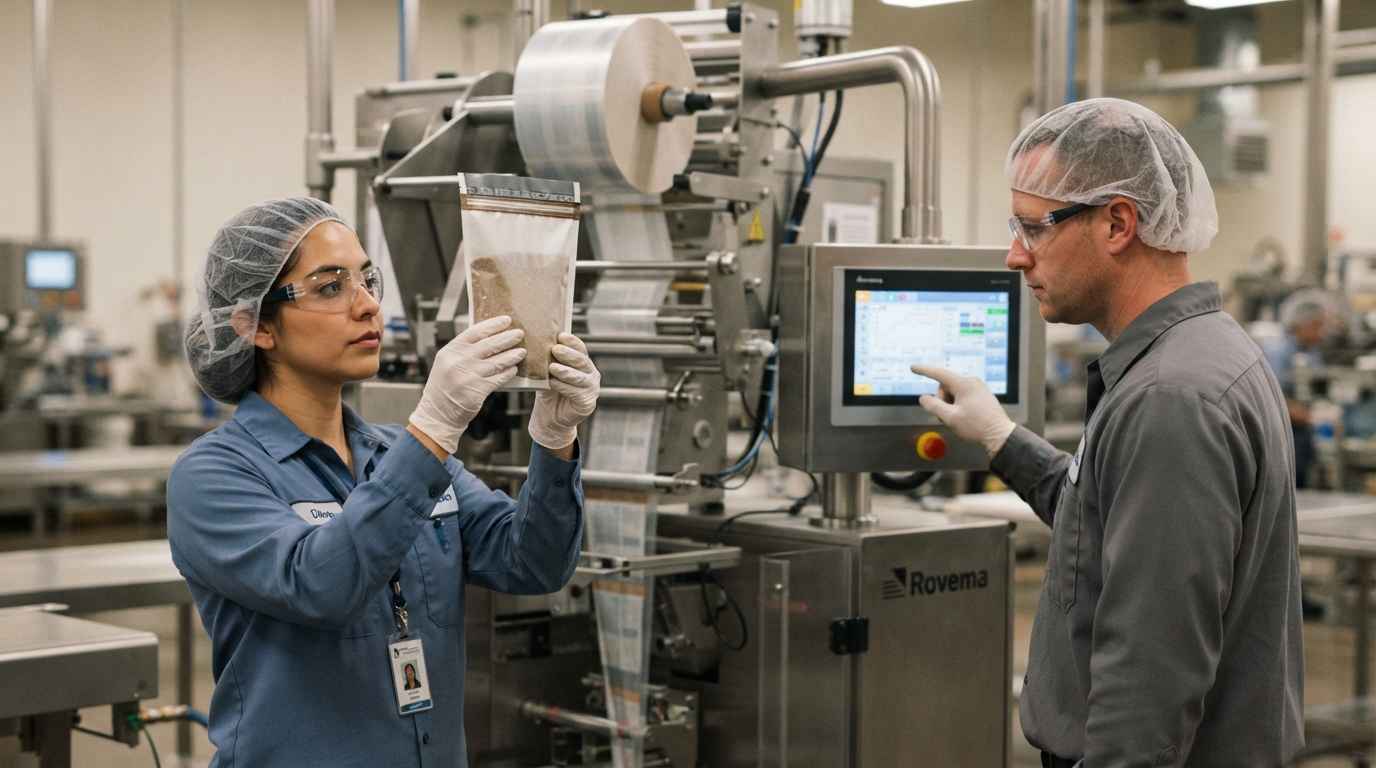
A repetitive failure in production is defined as the recurring occurrence of the same deviation, defect, or non-conformity within a production process. Unlike a one-time failure, this type of issue reveals the existence of an unresolved structural cause, which may be related to process design, operating conditions, materials, or even human factors. Its persistence over time makes it a critical problem from both a technical and economic perspective.
In industrial environments, these failures typically manifest as defects in the final product, dimensional deviations, loss of mechanical properties, assembly issues, or functional failures. What matters is not only the repetition itself, but the system’s inability to absorb variability or correct the deviation. This implies that the quality control system is not sufficient or that the root cause has not been correctly identified.
A repetitive failure in production is not an isolated error, but a symptom of process instability. Its persistence indicates uncontrolled or poorly identified causes.
Additionally, repetition can create a false sense of control in some cases, especially when the defect is known but not fully understood. This can lead to partial solutions or operational patches that do not eliminate the root of the problem. In the medium term, this increases hidden costs such as rework, material waste, or customer claims.
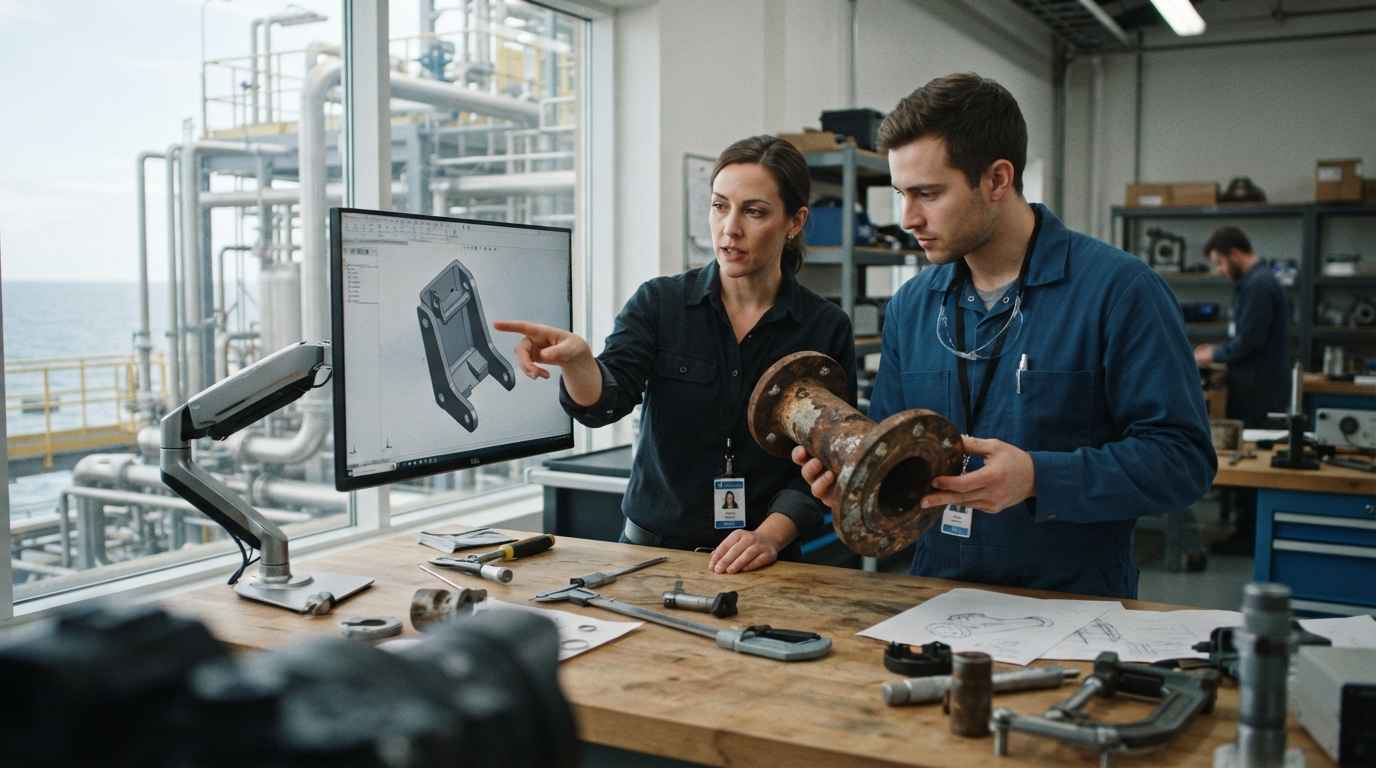
From a technical standpoint, addressing a repetitive failure requires a systematic approach that combines analysis, experimental validation, and a deep understanding of the process. Detecting the failure is not enough; it is necessary to understand why it occurs under certain conditions and not others.
Technical definition of repetitive failure in production and its systemic nature
A repetitive failure in production should be understood as a manifestation of instability within the production system. Technically, it implies that one or more process variables are not under control or present unexpected interactions. These variables may be physical (temperature, pressure), chemical (composition, reactivity), mechanical (stress, friction), or even related to the environment.
A key aspect is its systemic nature. It is not an isolated error, but an emergent behavior of the system. For example, a slight variation in raw material may be amplified in later stages if the process is not designed to absorb such variability. This turns the failure into something recurrent, even if its origin is not always obvious.
Acting without identifying the root cause of failures usually leads to temporary solutions. This keeps the problem active, even if its form of manifestation changes.
It is also important to differentiate between constant repeatability and intermittent repeatability. In the latter case, the failure appears only under certain conditions, making diagnosis more complex and often leading to incorrect interpretations if not analyzed in sufficient depth.
Factors explaining recurring failures in production processes
Recurring failures in production processes are usually associated with multiple interacting factors. One of the most common is variability in raw materials, which can generate deviations in critical properties of the final product. If not properly controlled or compensated, this variability results in repetitive defects.
Another relevant factor is process drift. Over time, equipment, tools, or operating conditions may deviate from nominal values, creating conditions that favor the occurrence of failure. This phenomenon is especially critical in sensitive processes or those with tight tolerances.
Likewise, errors in process design or initial validation may create risk areas that were not identified. In these cases, the failure is not the result of a deviation, but of an inherent limitation of the process.
Finally, human factors can also play a role, especially in manual or semi-automated operations. Lack of standardization or variability in execution can introduce inconsistencies that lead to repetitive failures.
Effects of repetitive failure in industrial production
The presence of a repetitive failure in production has direct implications for operational efficiency, product quality, and process profitability. From a technical perspective, this type of failure indicates that the process is not robust against variability, compromising its stability and ability to produce consistent results.
One of the most immediate impacts is the increase in costs associated with poor quality. This includes rejects, rework, additional inspections, and material loss. These direct costs are compounded by indirect ones such as production delays, resource overload, and loss of customer trust.
Moreover, repetitive failures can conceal deeper problems. In many cases, repeated occurrence leads to normalization within the organization, reducing the sense of urgency and delaying the implementation of structural solutions. This can result in critical situations if the failure evolves or escalates.
From an industrial perspective, it is also important to consider the impact on traceability and risk management. A recurring failure may affect entire production batches, complicating the identification of affected products and increasing exposure to claims or recalls.
Technical consequences of recurring failures on quality and cost
Recurring failures in production processes have a direct impact on quality indicators. The repetition of defects reduces process yield and increases the rate of non-conformities, forcing the implementation of additional controls that in turn increase operating costs.
From an economic standpoint, these failures lead to an accumulation of costs that are often not properly quantified. Reprocessing, for example, not only involves additional manufacturing costs but also extra resource consumption and reduced available production capacity.
There is also a significant impact on the supply chain. Delays resulting from failure management can affect deliveries, contractual commitments, and logistics planning. In critical sectors, this can have severe consequences.
Finally, repeated failures affect quality perception, both internally and externally. Internally, they may cause demotivation and loss of confidence in the process. Externally, they can damage the relationship with the customer.
Role of quality control in industrial production and non-conformity management
Quality control in industrial production plays a key role in detecting repetitive failures, but it is not always sufficient to resolve them. Its main function is to identify deviations, not necessarily to explain their origin. Therefore, it must be complemented with more advanced analytical tools.
Non-conformity management helps structure the response to these failures by documenting incidents, defining corrective actions, and ensuring follow-up. However, if root cause analysis is not explored in depth, there is a risk of applying superficial solutions.
In this context, methodologies such as 8D are commonly used, providing a structured framework to address the problem. However, their effectiveness depends on the quality of the analysis and the ability to validate the proposed hypotheses.
Therefore, quality control should be understood as a first filter, not as a definitive solution. Resolving repetitive failures requires integrating process data, testing, and technical analysis to identify and eliminate the root cause.
Approaches for diagnosing failures in production
Addressing a repetitive failure in production requires a combination of analytical tools, structured methodologies, and experimental validation. The objective is not only to identify the cause but to demonstrate it and ensure that the implemented solution eliminates the problem sustainably.
One of the most common mistakes is relying solely on historical data or prior experience. While these elements are useful, they can lead to biased conclusions if not validated with experimental evidence. Therefore, it is essential to design an approach that combines theoretical analysis with practical validation.
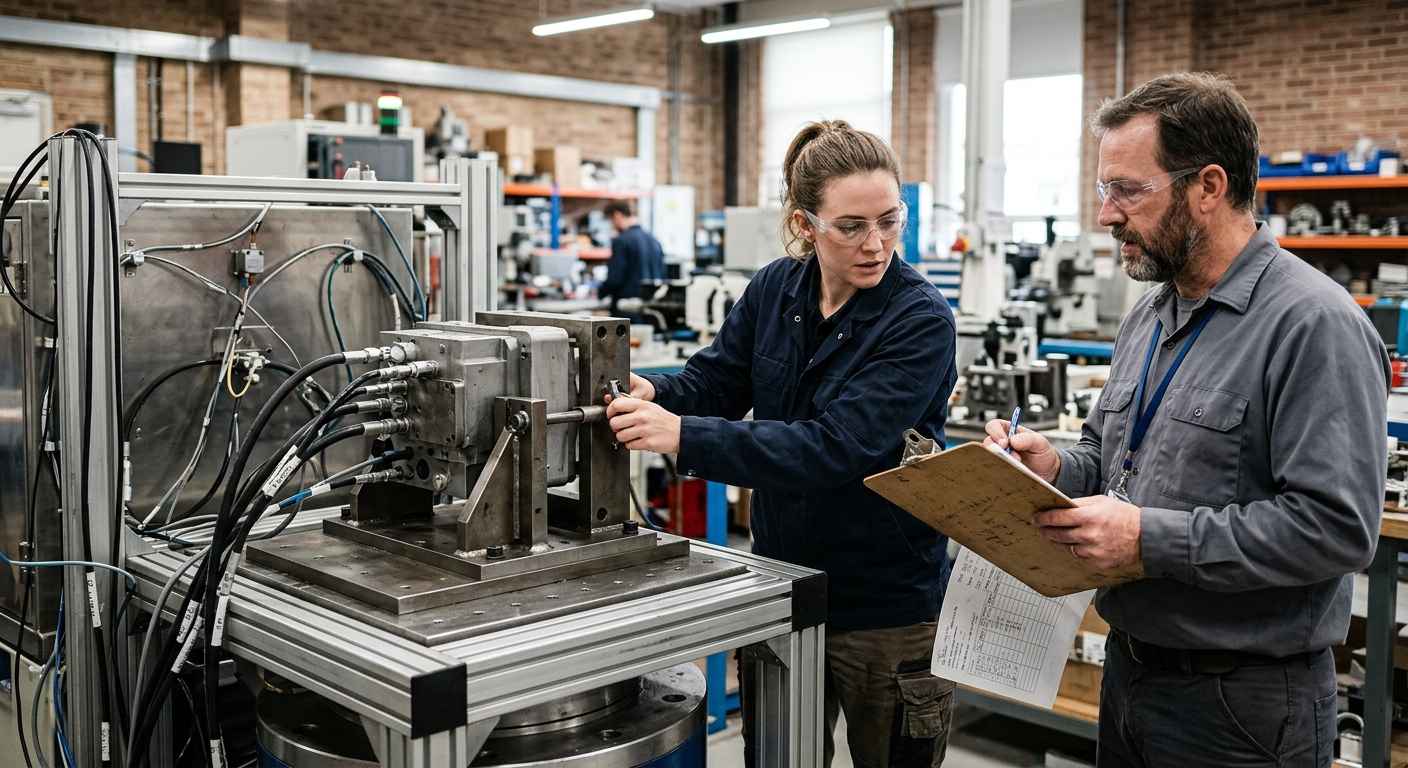
Reproducing failures in the laboratory allows hypotheses to be confirmed under controlled conditions, avoiding decisions based solely on assumptions.
In this context, reproducibility of the failure is a key factor. If the failure can be replicated under controlled conditions, variables can be isolated and their impact evaluated. This enables progress from hypotheses to verified conclusions.
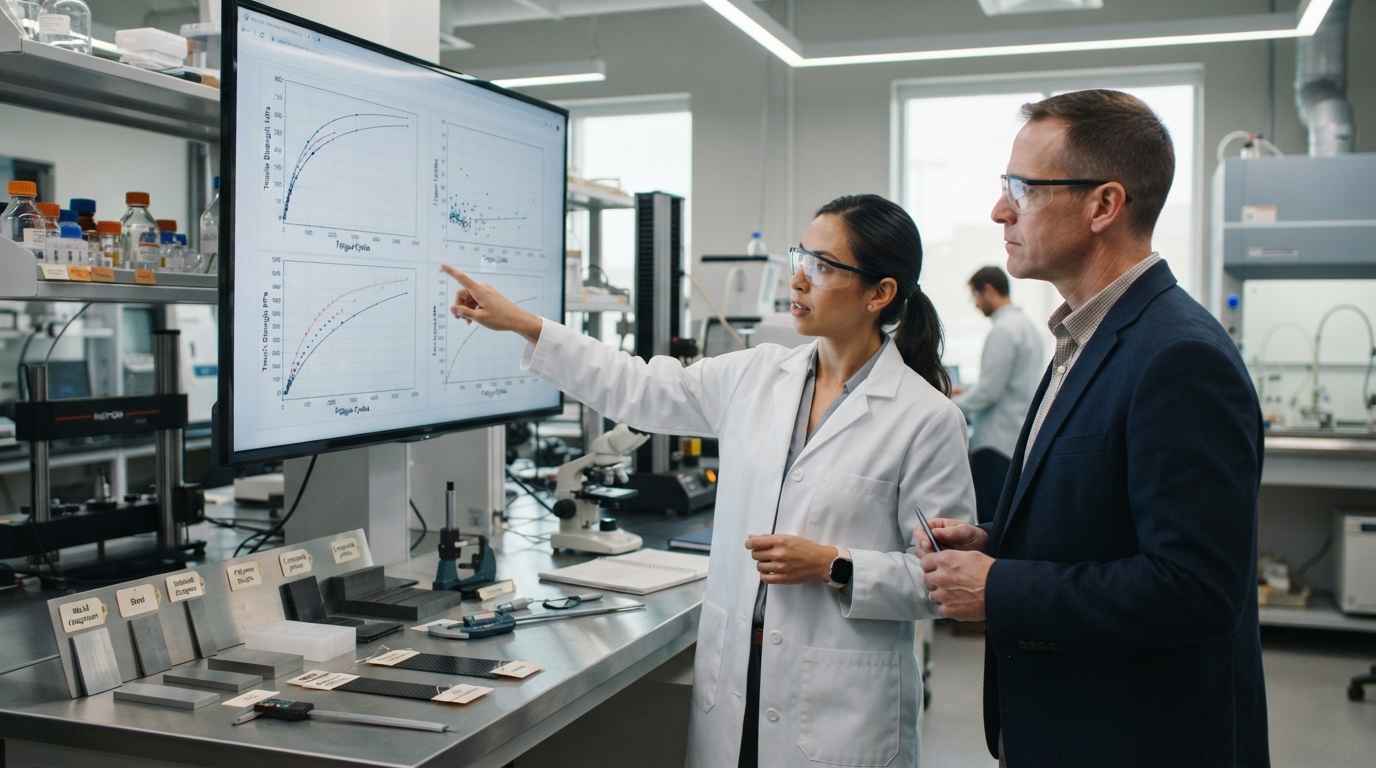
Similarly, the use of comparative analysis between conforming (OK) and non-conforming (NOK) samples makes it possible to identify significant differences that may be related to the origin of the failure. This approach is particularly useful when the failure mechanism is not evident.
Application of the 8D failure analysis methodology and the Ishikawa diagram
The 8D failure analysis methodology is one of the most widely used tools to address recurring problems. It provides a structured approach from problem definition to implementation and verification of corrective actions. Its main advantage is the systematization of the analysis process.
Within this framework, the use of the Ishikawa cause-effect diagram allows the identification of possible causes grouped into categories such as method, material, machinery, or environment. This tool facilitates hypothesis generation, although it does not validate them by itself.
It is important to highlight that these methodologies are only as effective as the level of detail and rigor with which they are applied. A superficial analysis can lead to incorrect or incomplete solutions. Therefore, it is recommended to complement them with experimental data.
In complex contexts, it may also be necessary to iterate the process several times, refining hypotheses and adjusting the approach until the root cause is identified with sufficient evidence.
Use of laboratory failure reproduction and comparative NOK vs OK analysis
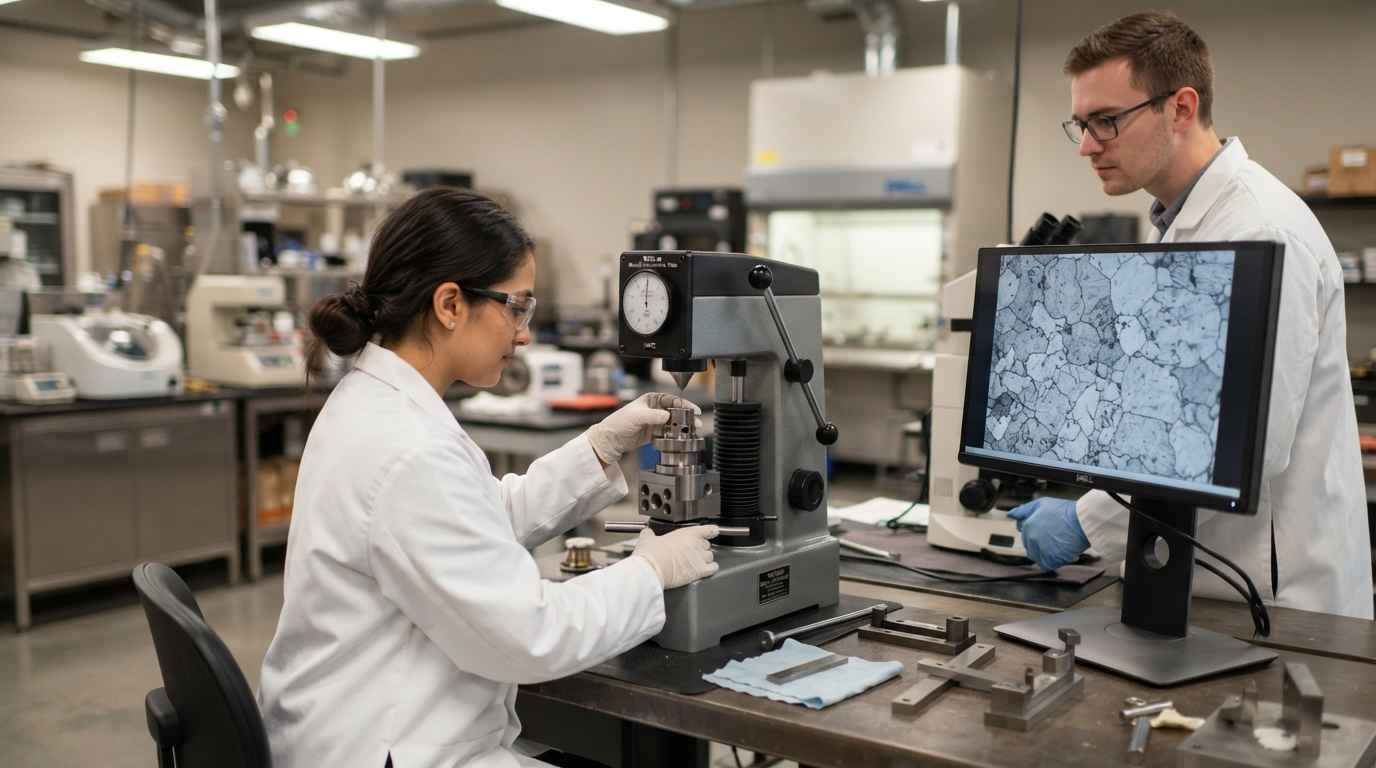
Reproducing failures in the laboratory allows the problem to be transferred from the production environment to a controlled setting. This facilitates detailed analysis of variables and identification of critical conditions that trigger the failure.
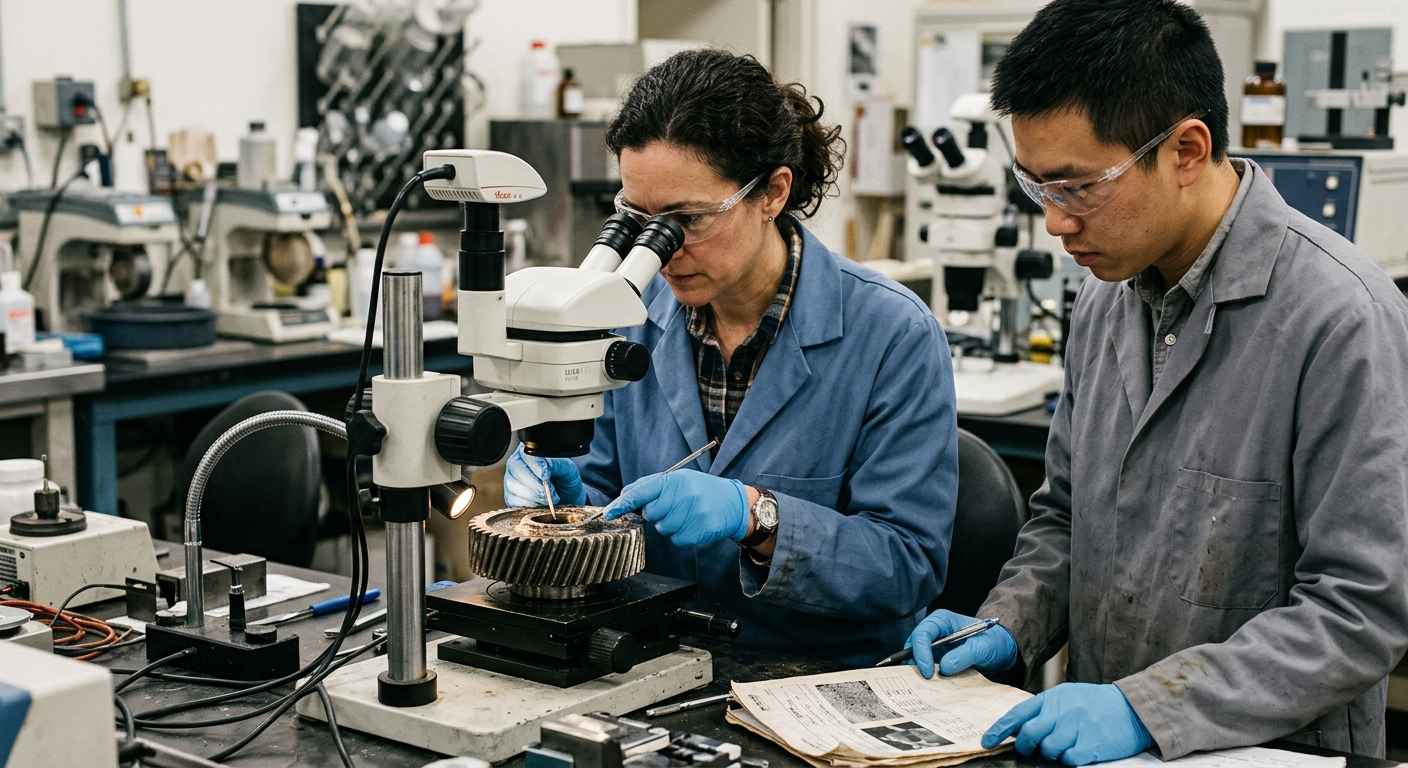
On the other hand, comparative NOK vs OK analysis involves studying defective samples against correct ones to identify differences in composition, microstructure, properties, or behavior. This approach allows relevant variables to be isolated without initially knowing the failure mechanism.
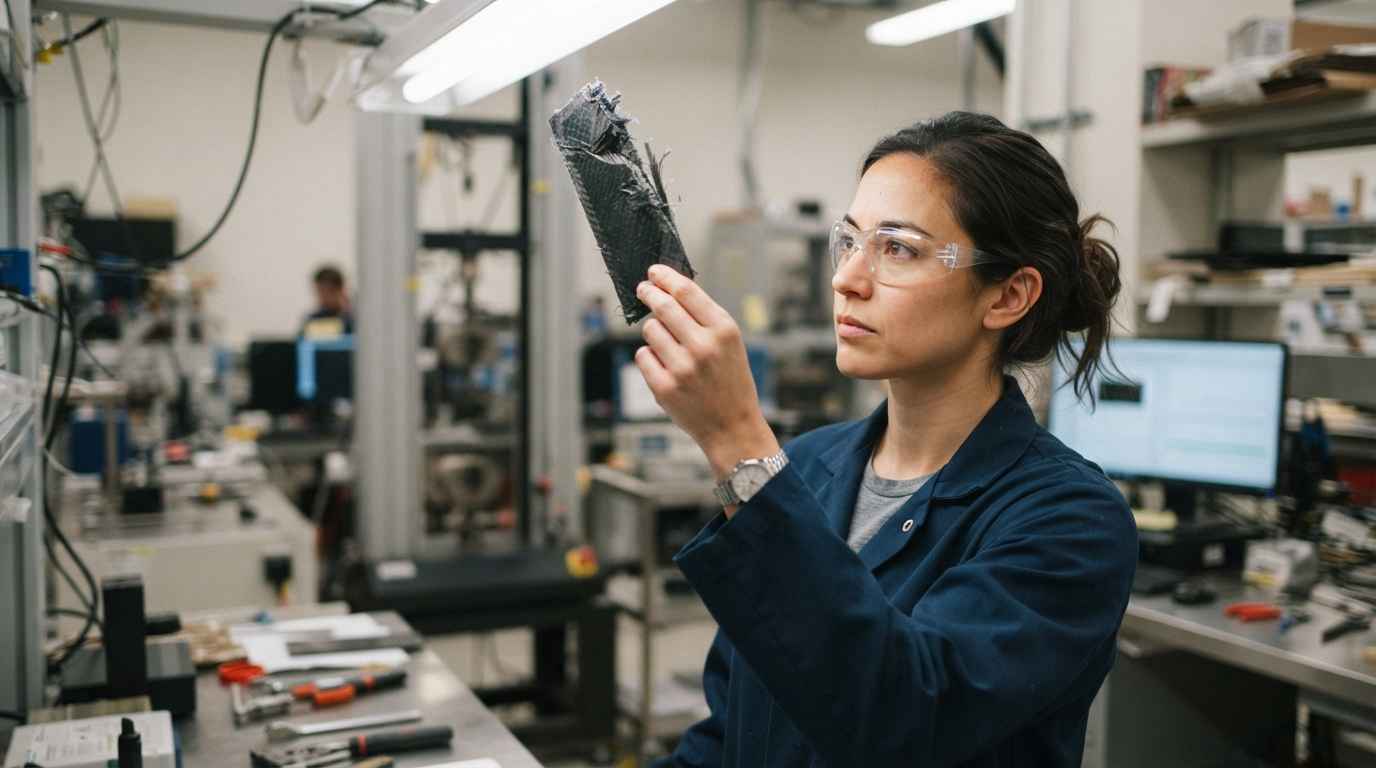
Comparative NOK vs OK analysis makes it possible to detect critical differences between samples, facilitating the identification of key variables behind the failure.
Combined, these techniques provide a solid basis for validating hypotheses and advancing toward root cause identification. They also allow the effectiveness of potential solutions to be evaluated before implementation in production.
In this type of approach, INFINITIA acts as a technical support partner through the application of characterization techniques, testing, and comparative analysis, enabling evidence-based decision-making.
Technical keys to prevent repetitive failures
Managing a repetitive failure in production requires a shift in approach compared to handling isolated incidents. It is not about correcting a defect, but about understanding a recurring behavior of the production system.
Throughout the analysis, it becomes clear that these failures have a multifactorial origin and that their resolution requires integrating process knowledge, experimental data, and structured methodologies. Identifying the root cause is an iterative process that requires technical rigor and validation.
It is also evident that solutions based on assumptions or prior experience, without validation, tend to be insufficient. Reproducibility of the failure and comparative analysis are key tools to move toward effective solutions.
From an industrial perspective, properly addressing these failures not only improves quality but also increases process robustness, reduces costs, and enhances competitiveness. Therefore, their analysis should be considered a technical investment rather than an operational cost.
Finally, combining methodologies such as 8D, root cause analysis tools, and experimental techniques enables an effective response to be structured, provided they are applied with sufficient depth. If this type of issue is affecting your production process, a rigorous technical analysis enables progress toward validated and sustainable solutions.