

Our customers
We are your trusted partner in industrial engineering





















Innovative solutions
Innovative solutions are a set of technical developments used to create new materials, improve the properties of existing ones, or replace them with more efficient alternatives, with the goal of solving a specific industrial problem or enhancing a product’s performance. They range from incremental improvements to the development of emerging technologies with greater long-term potential, and represent the engineering response to a technical need that conventional materials or processes cannot meet.
This service combines applied research, new material development, property enhancement, process innovation, and technical redesign to transform an industrial requirement (greater durability, lower weight, chemical resistance, or new functionalities) into a solution that can be implemented in production. INFINITIA acts as an external technical partner with an industrial perspective, providing materials engineering expertise from problem definition through to the validation of the selected solution.
In demanding industrial environments, maintaining a competitive product requires continuously reviewing its materials and performance. Materials innovation makes it possible to anticipate regulatory changes, market trends in regulated industries, and the pressure to reduce costs without compromising quality. A thorough understanding of the materials innovation field helps position each solution within a coherent technical strategy.
Talk to a specialist
Request a free initial consultation; contact a consultant from our team of specialists

What are innovative solutions?
What is it?
An innovative solution is a new or substantially improved technical response to a problem involving a material, product, or process, aimed at delivering performance that conventional options do not offer. It serves to resolve real limitations (corrosion, fatigue, excessive weight, chemical incompatibility, high cost) through the development, improvement, or replacement of the materials involved, in order to achieve performance not available off-the-shelf.
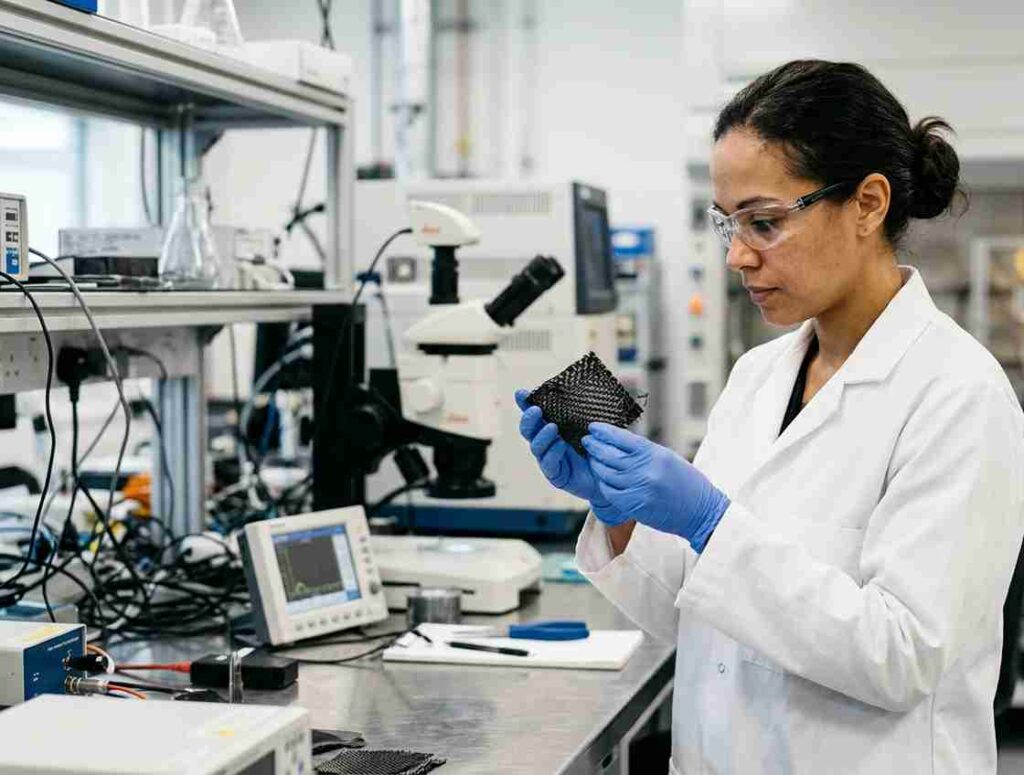
The service falls within the field of materials innovation, a discipline that ranges from the incremental improvement of a formulation to the disruptive development of advanced materials (microstructured surfaces, functional coatings or programmable materials) with properties tailored to a specific application. Development is underpinned by experimental evidence and the technical validation of each property, which lends verifiable authority to every decision prior to industrialisation.
The development of an innovative solution involves examining variables such as chemical composition, microstructure, mechanical and thermal behaviour, and the material’s response to real-world service conditions, as well as optimising the stages of the production process. To this end, state-of-the-art material characterisation techniques, physical and chemical tests, comparative analysis of alternatives and in-line control instrumentation are applied. Complementary services such as product improvement enable these findings to be translated into tangible benefits within the final product.
As an industrial technical consultancy, INFINITIA approaches every innovative solution by combining analytical rigour with practical insight: it does not simply propose a theoretically superior material, but validates its technical, economic and production feasibility. It is this comprehensive approach that distinguishes a viable innovation from a mere laboratory concept.
Innovative solutions at INFINITIA. From technological challenge to implementable solution
The true value of an innovative solution lies in its practical applicability, not in its theoretical novelty. INFINITIA approaches each project as an external technical partner, starting with a precise definition of the industrial problem and the specifications that the solution must meet. This starting point ensures that the innovation addresses a specific, measurable need, rather than a general trend.
The development process combines applied research, the selection and testing of materials, and technical validation. Commercial and innovative alternatives are evaluated; their performance is compared against the project requirements to select the best solutions; and their behaviour is verified under representative conditions. An innovation-oriented design methodology enables new product ideas to be translated into technical specifications and allows this process to be followed in a structured manner, from technical analysis through to the selection of the most suitable materials and technologies.
The robustness of an innovative solution depends on the synergy between testing, interpretation and decision-making. It is not enough simply to characterise a material: the data must be interpreted within the context of the application and translated into an actionable technical recommendation. Validation through prototyping closes this loop by enabling the behaviour of the solution to be verified before committing to investments in tooling or production lines.
INFINITIA’s unique approach combines analytical rigour, industrial insight and the technical expertise to steer innovation towards industrialisation. As a specialist team comprising experts in materials, chemistry, mechanics and design, it works alongside the client and integrates into their organisation where it adds the most value. This is how INFINITIA works: testing every hypothesis against objective data and always steering innovation towards its effective industrialisation.
Problems Addressed by Innovative Solutions in the Industry
Problems
The technical obsolescence of a material undermines a product’s competitiveness. When a formulation or alloy no longer meets market demands (due to regulations, cost, or performance), the product loses ground to more efficient alternatives. This loss erodes its competitiveness and, in the medium term, its survival in the market. Innovative solutions make it possible to update the base material before that loss of competitiveness results in a drop in sales or regulatory noncompliance.
Reliance on a single material or supplier introduces a significant operational and cost risk. Replacing materials with technically equivalent or superior alternatives reduces this dependence, improves supply reliability and creates scope for optimising costs without compromising quality. Addressing this issue in a structured manner prevents hasty decisions that lead to subsequent production failures.
Growing sustainability requirements are forcing a rethink of products and processes. Regulatory pressure and the demand for a smaller environmental footprint mean that sustainable, recycled or lower-impact materials must be incorporated without compromising performance. Innovation in materials provides solutions that balance functionality with environmental responsibility, integrating circular economy principles right from the design stage. Linking this to process improvements is key to ensuring that the new material can also be manufactured efficiently.
The occurrence of recurring faults associated with the material highlights the need for a thorough review, not merely a minor adjustment. Without an innovative approach, superficial fixes tend to shift the problem rather than resolve it. Identifying the root cause of the poor performance and redesigning the material or product prevents the failure from recurring and reduces the hidden costs of complaints and rework.
Applications of innovative solutions to raise technical performance
applications
Innovative solutions cut across the entire life cycle of an industrial product: they play a part in the design of new materials, the improvement of existing ones, their replacement and the addition of new functionalities. Each application serves a different technical objective, but they all share the same purpose: to deliver performance and unlock technical potential that conventional materials cannot achieve.
INFINITIA’s approach to these applications is always based on actual industrial requirements. As an industrial technical consultant, it prioritises the feasibility of each solution over its sophistication, and ensures that innovation is implementable, repeatable and compatible with the client’s production processes.
Development of new materials
The development of new materials involves the creation of formulations, alloys or composites specifically designed to fulfil functions that existing materials cannot satisfy; a process that spans from the initial concept of the material through to its validation, and which requires technical creativity to design bespoke properties. Work is carried out on composition, structure and treatments to achieve specific properties: greater strength, a particular thermal behaviour, specific surface properties or compatibility with a specific process. This development addresses real-world problems such as the need for an engineering polymer with a controlled degradation profile or a coating with specific functional properties.
Bespoke development allows for design decisions that would be impossible with a standard off-the-shelf material. It defines the performance parameters, determines the product’s geometry and enables the product to stand out from the competition with bespoke performance characteristics. As an external technical partner, INFINITIA structures this development into verifiable phases, linking each property achieved to a project requirement and validating its performance before moving forward.
The development of new materials transforms an unresolved technical requirement into a usable and controllable property, thereby expanding the range of possible solutions for an industrial product. It is the most direct way to meet needs that the materials market does not yet fulfil.
Improving the properties of existing materials
The improvement of material properties starts with a material already in use and involves modifying its formulation, treatments or microstructure to enhance specific performance characteristics without completely redesigning the product. Changes are made to variables such as mechanical strength, hardness, thermal stability, corrosion resistance or surface finish, addressing limitations identified during actual use or in testing.
This improvement makes it possible to determine precisely which performance aspect is being enhanced and at what cost, whilst maintaining the continuity of the production process. It reduces the risk associated with a complete change of material and speeds up implementation, as it builds on a known baseline. INFINITIA, as a specialist team, identifies which material variable is causing the problem and targets the improvement at that critical point, avoiding unnecessary interventions.
Improving the properties of an existing material enhances the product’s performance whilst keeping the risks and transition costs under control, optimising what is already known rather than starting from scratch. It is the ideal option when the base material is suitable but a specific performance characteristic is inadequate.
Material substitution: a strategy for efficiency and supply
Material substitution involves replacing one material with another that offers better performance, lower cost, greater availability or a more favourable environmental profile, whilst maintaining or exceeding the original functionality. It addresses issues such as dependence on a single supplier, rising raw material costs or the need to incorporate more sustainable alternative materials, such as bioplastics, advanced composites or recycled materials.
A well-founded substitution enables a decision to be made on the change with technical assurance, anticipating its impact on product performance and the manufacturing process. It reduces the risk of failures due to incompatibility and safeguards the quality perceived by the end user. The analysis of alternative materials demonstrates how INFINITIA evaluates these options before proposing a replacement.
Substituting materials reduces dependencies and costs without compromising performance, provided that the technical equivalence between the original option and the alternative is validated in advance. Its success depends on a rigorous comparison, not on a mere nominal equivalence.
Innovation in functional and smart materials
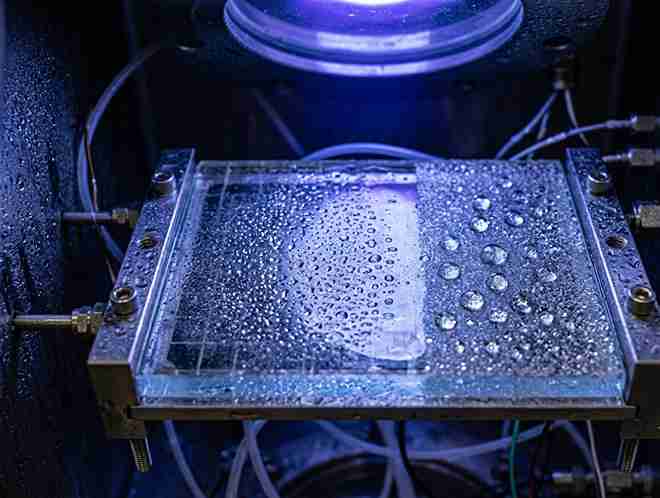
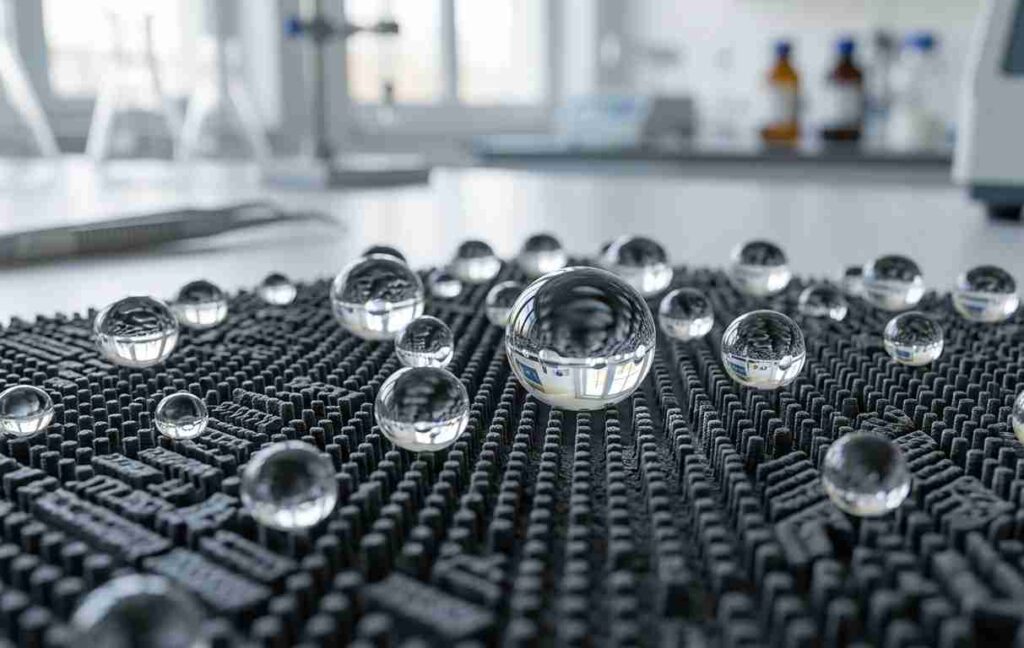
Functional materials incorporate properties that go beyond mere structural function, achieved by modifying the surface or structure of the material itself. Through surface microstructuring, it is possible to alter a material’s surface energy and surface tension to endow it with new functionalities: hydrophobic or self-cleaning surfaces inspired by the lotus effect, antibacterial properties, low friction or controlled optical properties. Plasma treatments enable surfaces to be functionalised, improve adhesion or neutralise odours without the need for additional coatings. Smart materials, for their part, modify their behaviour in response to external stimuli such as temperature, humidity or stress.
These technologies, which offer greater scope and potential, tackle functional problems at their root and enable decisions to be made regarding performance characteristics that previously required additional components or coatings, resulting in savings in terms of both cost and environmental impact. Biomimicry (replicating surfaces optimised by nature, such as shark skin or gecko feet) opens up avenues for differentiation that are difficult to match with conventional solutions. As an external technical partner, INFINITIA assesses the potential and technical risks of each emerging technology before guiding its industrial application. A specific example is IMM (in-mould microstructuring) technology, through which INFINITIA replicates nature-inspired surfaces within the mould to integrate functionality directly into the material, thereby avoiding the need for additional coatings.
Functional and smart materials incorporate advanced properties into the material itself, unlocking capabilities that are beyond the reach of conventional materials. This approach to science and technology applied to industry has been honoured with the ASTER 2025 Award for Digital Innovation from ESIC Aragón, which recognises INFINITIA’s ability to translate technological development into tangible improvements in industry.
Technical product redesign
Technical product redesign involves a comprehensive review of an existing product to improve its functionality, manufacturability or cost, incorporating new materials and engineering solutions. It addresses situations where the product fulfils its function but has limitations in terms of weight, durability, manufacturing cost or regulatory compliance, which require more in-depth intervention than a one-off adjustment.
The redesign enables decisions to be made that simultaneously affect the material, the geometry and the process, thereby optimising the product as a whole. It reduces manufacturing costs, improves reliability and extends the product’s market life. As an industrial technical consultancy, INFINITIA coordinates these variables to ensure that an improvement in one area does not compromise another, whilst maintaining a holistic view of the product.
Technical product redesign optimises materials, geometry and processes in a coordinated manner, transforming a limited product into a more competitive and manufacturable version. It is the appropriate solution when isolated improvements no longer deliver the required leap in performance.
Process innovation and in-line instrumentation
Process innovation involves introducing new technologies, stages or control systems into the production line to improve the quality, reliability and efficiency of the process itself, not just the end product. It tackles real-world problems such as the late detection of defects, the lack of real-time measurement of critical parameters, or the presence of stages that limit performance. It includes solutions such as gas sensors for monitoring in-process parameters, the incorporation of post-treatment at a specific stage, plasma cleaning of surfaces, or inspection using hyperspectral vision cameras to detect critical production faults.
These solutions enable decisions to be made, based on objective data, as to where on the production line to intervene and which technology to use, anticipating defects before they reach the final product. They reduce waste, shorten response times to deviations and improve process traceability. The link to process improvement is key to integrating these technologies without compromising production throughput. As an external technical partner, INFINITIA assesses the technical feasibility of each solution and how well it will actually fit into the production line before implementation.
Process innovation extends improvements from the material itself to the production line, integrating sensors, post-processing and inspection systems that detect faults at source. This is the right approach when the performance limit lies not in the material, but in how it is manufactured.
Sectors Where Innovative Solutions Improve Products, Processes, and Productivity
sectors
Innovative solutions are applied across a range of industrial sectors with high demands in terms of performance, reliability and regulatory compliance. In each sector, innovation in materials is tailored to specific operating conditions and regulatory frameworks that determine which properties are critical.
INFINITIA’s approach is tailored to the profile of each sector: it translates regulatory and operational requirements into specific technical specifications and focuses development on the performance characteristics that each industry considers a priority.
Innovative automotive solutions: components subjected to fatigue, vibration and weight reduction
The automotive sector is characterised by thermomechanical fatigue, continuous vibration and the transition to electrification, which places new demands on batteries, connectors and power systems. The replacement of metal with engineering polymers or composites must demonstrate that it maintains structural integrity and thermal performance under real-world usage cycles.
- Lightening structural components: replacing metal parts with fibre-reinforced composites or aluminium alloys reduces mass without compromising stiffness or impact resistance.
- Material stability within the battery system: seals, gaskets and casings must be able to withstand coolants, thermal gradients and the risk of thermal runaway in electric vehicle battery packs.
- Durability against fatigue and vibration: engineering plastics and elastomers used in brackets, connectors and cable glands must retain their properties after millions of load cycles.
The introduction of a new material in the automotive sector is only viable once its behaviour in terms of fatigue, temperature and chemical compatibility has been verified under the component’s actual operating conditions. INFINITIA carries out this verification before validating the alternative for series production.
Innovative defence solutions: protection, ballistic resistance and performance in hostile environments
In defence applications, materials are subjected to extreme and unpredictable operating conditions: ballistic impact, shock waves, abrasion on the ground, and severe temperatures and humidity levels. Any new armour, coating or structural material must demonstrate reliable performance under sudden stresses and maintain its performance following prolonged exposure to harsh environments.
- Ballistic and impact protection: high-performance composites, technical ceramics and laminates absorb and dissipate impact energy without compromising the weight of the system.
- Durability in harsh environments: coatings and surface treatments provide protection against corrosion, abrasion and chemical exposure in field conditions.
- The stability of materials under extreme stresses: materials must maintain their performance when subjected to thermal shock, intense vibration and dynamic loads.
In defence, an innovative solution is validated on the basis of its reliability under extreme and unpredictable conditions, where the margin for error is minimal. INFINITIA focuses its development efforts on demonstrating this performance through representative tests prior to its adoption.
Innovative solutions for industrial machinery: wear, friction and component service life
In industrial machinery and capital goods, materials are subject to abrasive wear, continuous friction and impact loads on components that must operate without interruption. Premature failure of a gear, a guide or a bearing brings production to a halt; consequently, innovation is focused on extending the service life of the most heavily used parts through the use of better materials, surface treatments or functional coatings.
- Resistance to wear and abrasion: surface treatments, hard coatings and heat-treated steels extend the service life of gears, blades, guides and transmission components.
- Reducing friction in moving parts: low-friction coatings and self-lubricating materials reduce wear and energy loss in sliding contacts.
- Impact and cyclic load toughness: components subjected to impacts or repeated stresses require materials that combine surface hardness with core toughness.
In industrial machinery, an innovative solution is judged by how much it extends the service life of a critical component and reduces unplanned downtime. INFINITIA focuses its development efforts on identifying the actual wear mechanism before selecting the most suitable material or treatment.
Innovative solutions in chemistry and petrochemicals: resistance to corrosive and aggressive environments
In the chemical and petrochemical industries, materials are constantly exposed to corrosive environments, aggressive reagents and high temperatures, where any failure compromises the safety of the plant. The choice of alloys, engineering polymers or resistant coatings determines the service life of equipment such as reactors, pipes, joints and pumps.
- Resistance to corrosion and chemical attack: stainless steels, special alloys and fluoropolymers extend the service life of components exposed to acids, alkalis and solvents.
- High-temperature stability: materials must retain their mechanical and chemical properties when subjected to prolonged thermal exposure.
- Material-medium compatibility: each material must be assessed against the specific process fluid to anticipate swelling, embrittlement or selective corrosion.
The reliability of a chemical plant depends on each material being able to withstand the specific environment to which it is exposed, not on its general resistance. The chemical analysis of plastics and polymers enables INFINITIA to substantiate this compatibility with objective data.
Innovative solutions in energy and renewables: degradation and outdoor service life
In the energy and renewable energy sectors, materials remain exposed to the elements for decades, subject to UV radiation, thermal cycling, humidity and saline environments, which progressively degrade their performance. The cost-effectiveness of a photovoltaic, wind or energy storage installation depends directly on its materials withstanding this ageing process without any loss of functionality.
- Resistance to weathering: encapsulants, coatings and structural polymers must withstand UV radiation, moisture and thermal cycling without becoming brittle or discoloured.
- Durability in harsh environments: marine and offshore installations require materials that are resistant to salt corrosion and sustained mechanical stress.
- Long-term material efficiency: innovation aims to extend the service life of the component whilst reducing resource consumption and maintenance.
In the energy sector, an innovative solution is validated on the basis of its performance over decades of exposure, not just in its initial state. INFINITIA focuses its development efforts on anticipating this degradation through representative ageing tests.
Innovative solutions in industrial electronics: microscale reliability and thermal management
In industrial electronics, the challenge has shifted to the microscale: encapsulations, solder joints and thermal interfaces, where even the tiniest defect can cause a component to fail. Miniaturisation and increasing power density demand materials capable of dissipating heat and maintaining their integrity under continuous thermal cycling.
- Thermal management in confined spaces: thermal interface materials, ceramic substrates and encapsulants must dissipate heat efficiently within increasingly compact geometries.
- The reliability of welds and interconnections: the metallurgical quality of the joints determines whether thermal fatigue cracks develop at critical points.
- Dimensional stability under cyclic loading: differences in thermal expansion between materials can induce stresses and delamination in the assembly.
In electronics, the behaviour of a material must be assessed at the microscopic scale, where failures actually originate. INFINITIA carries out characterisation at this level to anticipate failure modes prior to production.
Innovative Solutions at INFINITIA as a Strategic Partner for Industrial Competitiveness
Value
Innovative solutions transform an unresolved technical challenge into a concrete competitive advantage. Their value lies in translating material innovation into measurable product performance: greater durability, lighter weight, new functionalities, or lower cost. Each solution is designed to be implementable under real-world industrial conditions, not merely as a theoretical exercise.
This service has a direct impact on industrial decision-making and is based on objective data. Anticipating a material’s behaviour prior to its industrialisation is the main technical challenge; addressing this reduces the risk of production faults and customer complaints. A preventative approach, in line with preventative failure analysis, is a tool that enables critical limitations to be identified during development and corrected before the product reaches the market.
Well-directed innovation also optimises economic and operational aspects. Substituting materials, improving formulations and technical redesign reduce raw material costs, minimise waste, boost productivity and streamline manufacturing processes more effectively. These improvements result in a more efficient cost structure and greater resilience to supply fluctuations, without compromising product quality.
In regulated sectors (automotive, aerospace, medical devices, chemicals and energy), having technical partners who specialise in materials ensures technical and regulatory compliance in every decision. INFINITIA positions itself as a strategic technical partner that combines the technical expertise of its team, analytical rigour and industrial vision, supporting companies from the identification of the problem through to the validation of the solution. Why INFINITIA: because every innovation is validated by data and is always geared towards its effective implementation in industry.
Projects
Work carried out on product improvement
-

 Laser
Laser Technological innovation
New ways to color metal by laser decoration
-
 Food – microorganims – disinfection
 Technological innovation
Plant proteins, new ingredients for healthy and sustainable foods
-
 3D printing – MVP – MLPTechnological innovation
3D metal printing using Binder Jetting technology
-
 Chemicals – detergents – oilsTechnological innovation
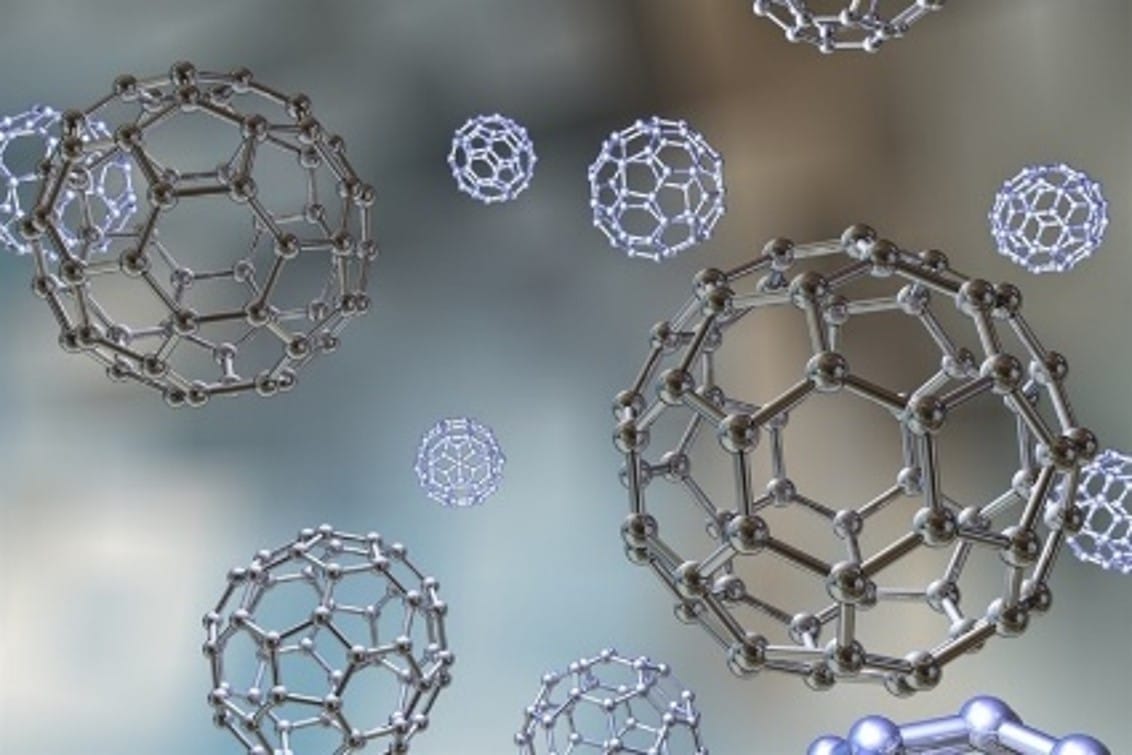
Improvement of refrigerants with nanomaterials
-
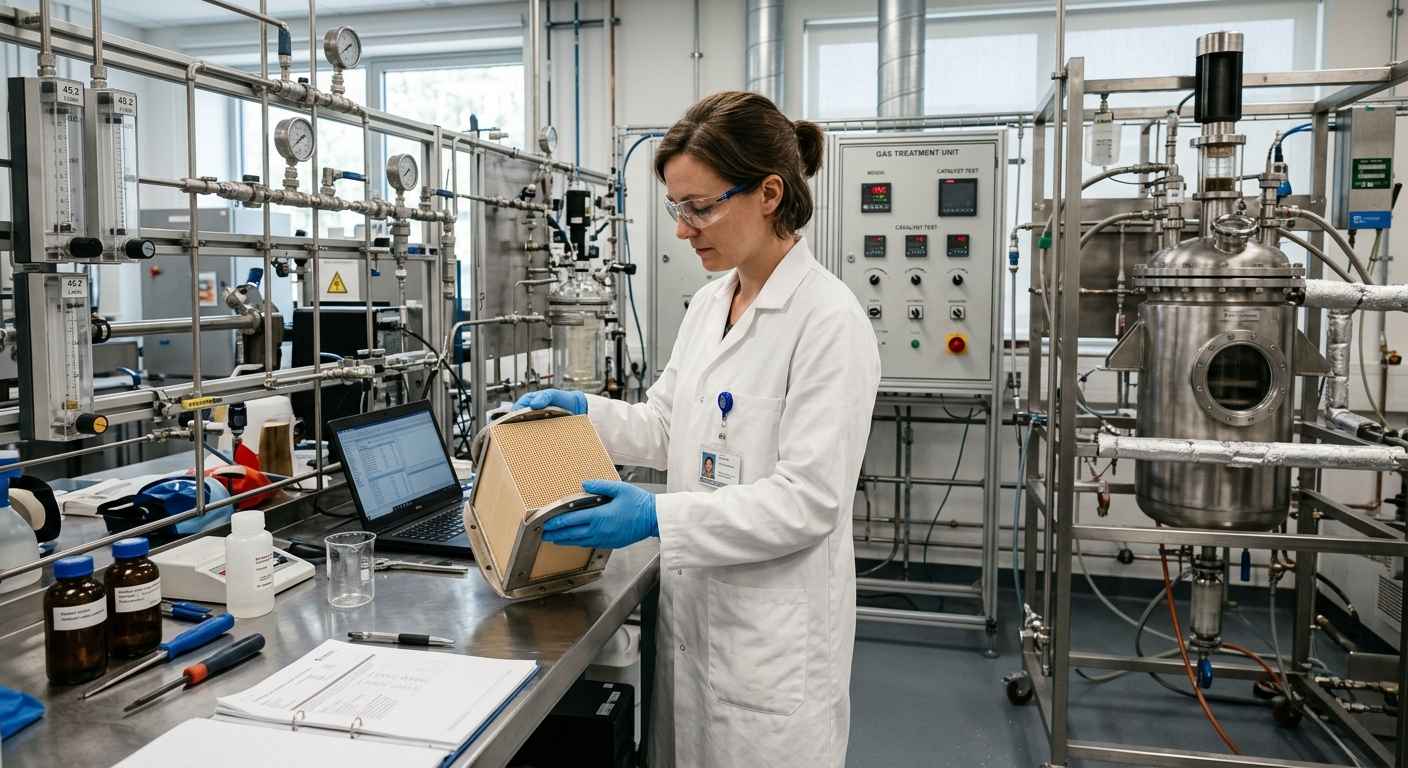 Catalysts – photocatalysis – electrocatalysts
 Technological innovation
Development of catalyst-based filters to remove industrial gases and odors
-
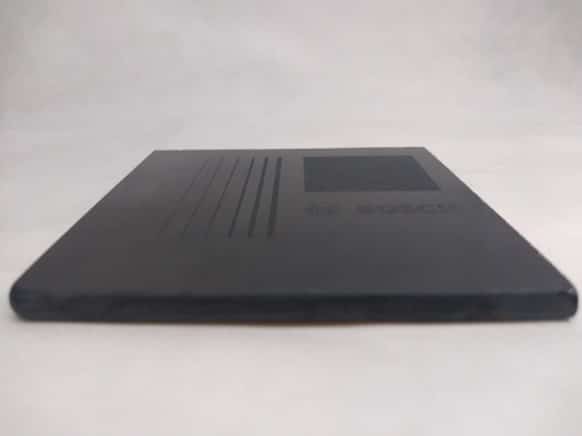 Glass – ceramics – stoneTechnological innovation
New materials through modifications of the surface finish on glass
-
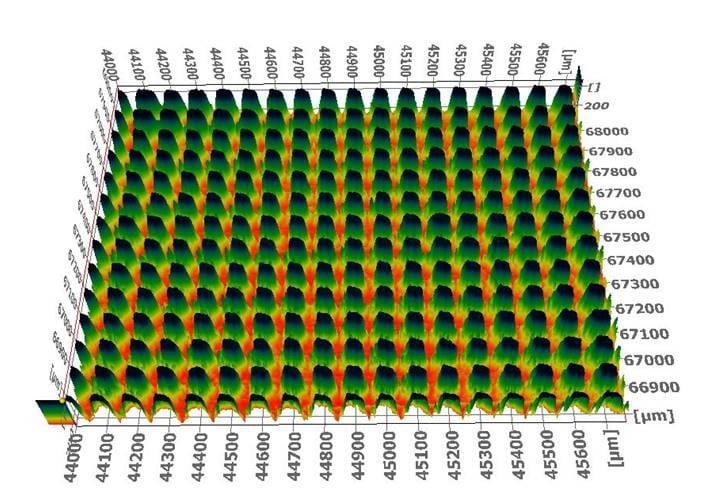 Plastics – polymers – compositesTechnological innovation
New materials through surface finish modifications in plastics
-
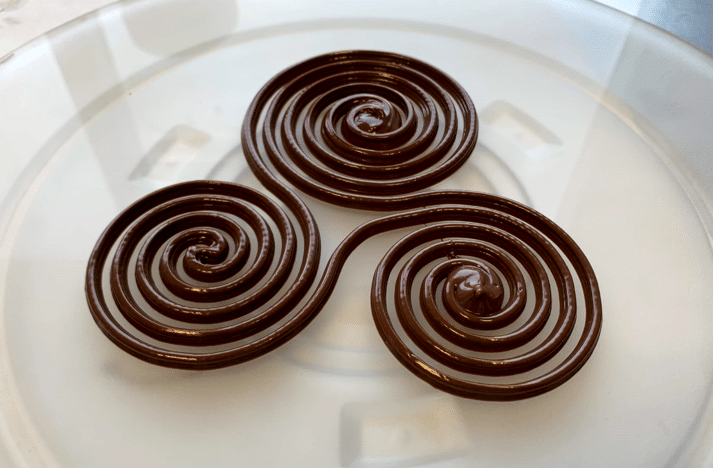 Food – microorganims – disinfectionTechnological innovation
Food optimization for 3D printing
-
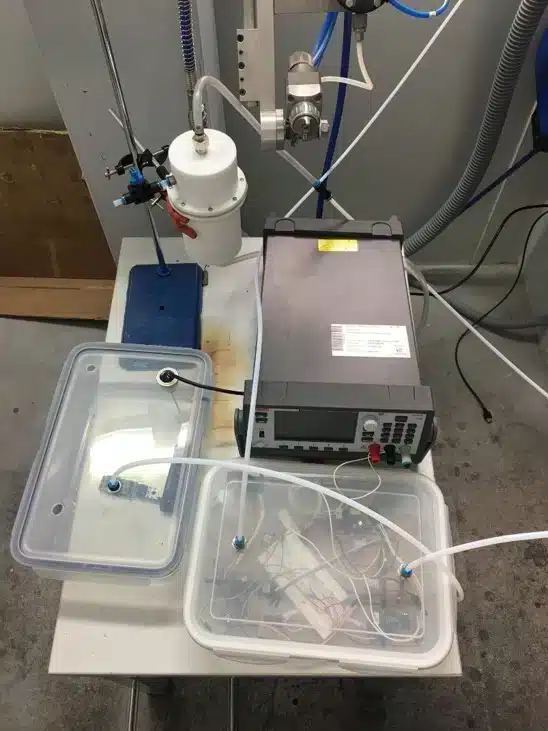 Catalysts – photocatalysis – electrocatalystsTechnological innovation
Catalytic filters for ozone removal to improve safety in disinfection systems
-
 Food – microorganims – disinfectionTechnological innovation
Genetic modification of bacteria to increase enzyme productivity in bioreactors
-
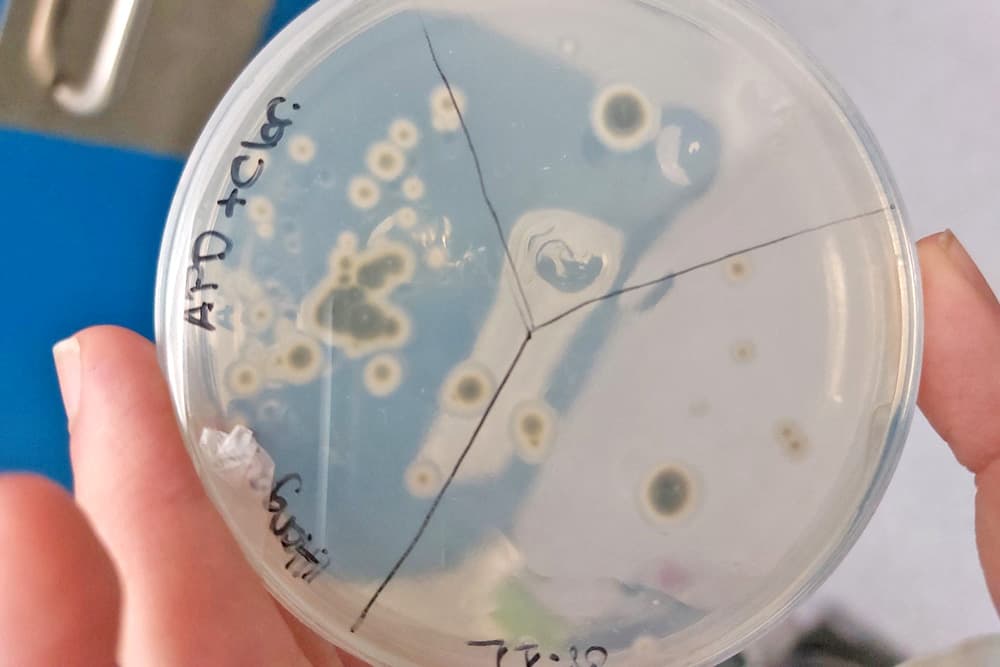 Food – microorganims – disinfectionTechnological innovation
Identification of microorganisms that degrade plastics
-
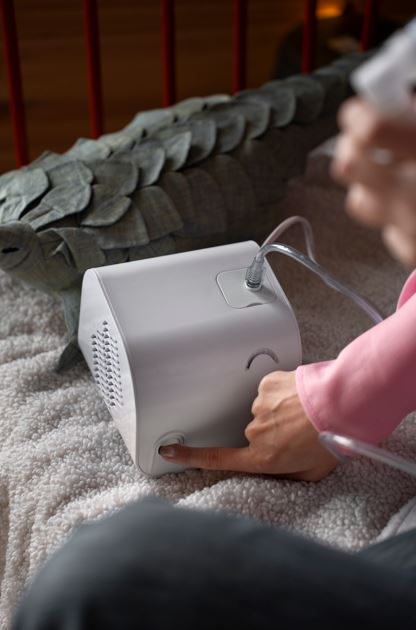 Ozone – ionizers – plasma
 Technological innovation
Technical validation of ozone disinfection to optimize textile devices and surfaces
-
 UltravioletTechnological innovation
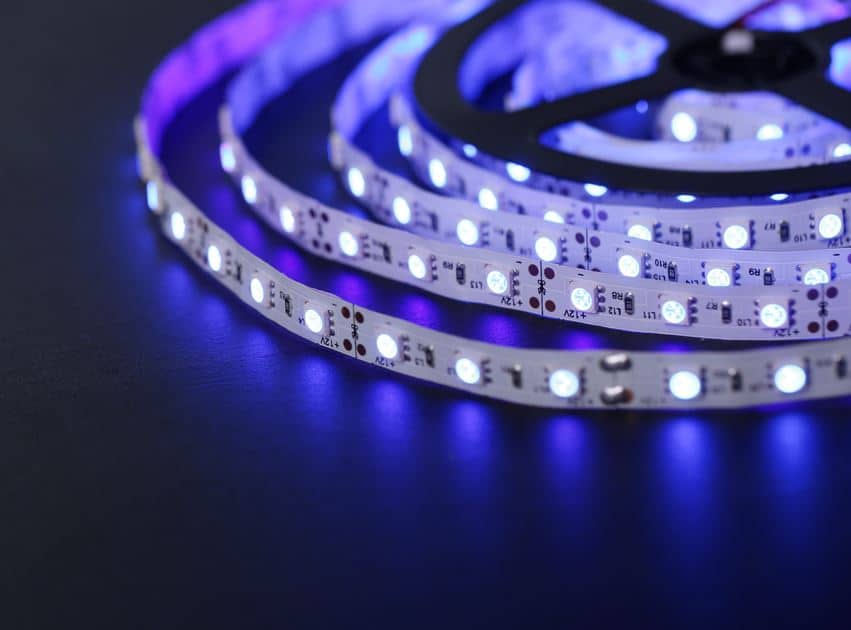
Evaluation of disinfection using ultraviolet LED to optimise effectiveness on textiles and surfaces
Frequently Asked Questions About Innovative Solutions
Faqs
What are innovative materials solutions, and what are they used for?
Innovative materials solutions are technical developments that create, improve or replace materials in order to solve an industrial problem or enhance a product’s performance. They serve to provide properties that conventional materials do not offer: greater durability, lower weight, chemical resistance, new functionalities or lower cost.
This service is used when a material or product no longer meets the demands of the market, regulations or the production process. It enables the product to be updated before such limitations affect its competitiveness, by integrating innovation into a coherent technical strategy geared towards real-world applications.
What happens if an industrial company fails to invest in innovative materials?
A lack of innovation in materials leads to the technical obsolescence of the product. A material that does not evolve loses its competitive edge against lighter, stronger or more cost-effective alternatives, and may cease to meet regulatory requirements that become stricter over time.
Furthermore, sticking with limited materials or formulations often results in recurring failures, additional production costs and dependence on suppliers. Addressing these issues reactively is more costly than anticipating them through the planned development of technical solutions.
How is it decided which type of innovative solution to implement: a new material, an improvement or a replacement?
The choice depends on the technical problem and the required performance characteristics. When the base material is suitable but a particular performance characteristic is insufficient, improving those properties is the most efficient approach. Where there is a dependency, additional cost or environmental requirement, substituting materials offers the best risk-benefit ratio. Where no available option meets the requirement, the development of a new material is warranted.
This decision is based on a prior analysis of the requirement; material characterisation and an objective comparison of alternatives are the tools that guide the choice. A rigorous technical assessment avoids unnecessary interventions and directs resources towards the solution with the greatest likelihood of industrial success.
What is the difference between a standard off-the-shelf solution and an innovative, bespoke solution?
A standard commercial solution uses materials already available on the market, adapted to a product without having been created specifically for it. An innovative, bespoke solution is developed specifically to meet the requirements of a particular application, tailoring its composition, properties and behaviour.
The standard option is quicker and more cost-effective when a suitable material is available. A bespoke solution offers technical differentiation and addresses needs that no commercial material can meet. The choice between the two is based on the balance between cost, lead time and the level of performance required by the project.
How is risk managed in an innovation project characterised by a high degree of uncertainty?
The risk associated with an innovative solution is managed by developing it in phases, so that investment proceeds only once each stage has confirmed its technical potential. Less mature technologies offer greater scope for differentiation, but also greater uncertainty; structuring the project into feasibility, prototyping and validation stages helps to limit that uncertainty before committing significant resources.
This phased approach turns risk into a manageable variable: each phase generates objective data that underpins the decision to continue, adjust or halt development. As an external technical partner, INFINITIA applies this logic to enable companies to explore high-potential solutions without exposing themselves to disproportionate investment – an approach to technology transfer to industry recognised with the ASTER 2025 Award for Digital Innovation.
Are innovative solutions limited to the material, or do they also extend to the manufacturing process?
Innovative solutions are not limited to the material itself: they also influence the manufacturing process, introducing new stages, technologies or control systems into the production line. When the performance limit lies not in the material but in how it is manufactured, innovation shifts to the process itself.
These process solutions include in-line instrumentation and sensors, post-treatment at a specific stage, plasma cleaning or machine vision inspection to detect critical defects in production. Their aim is to anticipate faults at source, reduce waste and improve traceability. INFINITIA assesses the technical feasibility of each technology and how well it fits into the production line before implementation.
What are emerging technologies in materials, and when is it worth investing in them?
Emerging materials technologies are developments at an earlier stage of technological maturity (surface microstructuring, plasma treatments, programmable materials or biomimicry) that offer performance capabilities unattainable with conventional solutions. They offer significant potential for differentiation in exchange for a higher degree of technical uncertainty.
It is worth investing in them when no mature alternative solves the problem or when the desired differentiation justifies taking a controlled risk. The decision depends on the balance between the technology’s potential and the project’s risk tolerance. INFINITIA assesses both factors before determining the industrial application of each emerging technology.
What role does prototyping play in the development of an innovative solution?
Prototyping is the phase that allows the actual performance of a solution to be tested before committing to investment in tooling or production. Bringing the solution to life in a functional prototype turns a technical hypothesis into evidence, validating performance and identifying limitations at an early stage of the project.
This step is particularly critical for solutions involving greater uncertainty, where anticipating performance reduces the risk of subsequent failures. Prototyping enables iteration, the adjustment of parameters and the confirmation of feasibility before scaling up to industrial production. INFINITIA integrates this validation into a holistic view of development, linking the prototype to real-world operating conditions.
How long does it take to develop an innovative solution?
Initial technical assessments and feasibility analyses are typically completed within twelve to twenty-four weeks. The full development process is organised in phases, the duration of which depends on the scope of the project and the level of validation required.
For critical decisions that cannot be delayed, an urgent service is available, providing preliminary results within a shorter timeframe. In all cases, timelines are defined at the start of the project, with each phase linked to specific technical deliverables so that progress can be verified.
Can an innovative solution be integrated into an existing production line?
Yes. An innovative solution is designed to fit into the customer’s actual production process, not in isolation. Whether it is a new material or a process technology (in-line sensors, post-treatment processes or inspection systems), each is assessed in terms of its compatibility with the existing production line prior to implementation.
This approach ensures that innovation does not compromise production throughput or require a complete redesign of the facility. INFINITIA analyses the technical compatibility of each solution within the plant context, anticipating the adjustments needed for a gradual and controlled integration.
How much does an innovative solutions project cost, and how can it be funded?
The cost depends on the scope: a one-off improvement to properties is not the same as the full development of a material or a process technology. The variables that determine the budget are the complexity of the requirement, the number of alternatives to be evaluated, the necessary tests and the level of validation required; therefore, each project is assessed on a case-by-case basis following an analysis of the problem and the specifications.
In projects involving greater risk and uncertainty, part of the investment may be covered by public calls for R&D&I funding – at regional, national or European level – aimed at promoting industrial technological development. Through the many consultancy firms specialising in R&D funding, or through INFINITIA’s own expertise, we can help determine whether a project is suitable for this type of programme, so that the development of high-potential solutions becomes more accessible and the financial risk is mitigated.
What information does INFINITIA need to start assessing a project?
To begin an assessment, simply define the technical problem, the requirement that the outcome must meet, and the actual conditions under which the material or product will be used. Any information regarding previous failures, materials used or process constraints will speed up the initial diagnosis.
With this information, an initial technical assessment makes it possible to define the scope, identify viable solutions and estimate the development required. Requesting this initial assessment through failure analysis or another specialised service is the most direct way of determining whether an innovative solution is the appropriate response to the challenge at hand.