

Our customers
We are your trusted partner in industrial engineering














































Mechanical Development
Mechanical product development is the engineering process through which an idea, an existing component, or a functional need is turned into a fully defined, optimized technical part or assembly, ready for industrial manufacturing. It spans everything from geometry and material selection to tolerances, joining processes, and the production viability of each element. It is, in essence, the bridge between concept and manufacturing reality.
At INFINITIA, the specialist mechanical development team works as an external technical partner throughout the entire life cycle of the component: 3D design and CAD modeling, part optimization and simplification, reverse engineering, 3D scanning and digitization, design for manufacturing, and validation through rapid prototyping. Each project is approached with a multidisciplinary focus that integrates functional, aesthetic, cost, and production criteria from the very first stage of work.
In industrial environments where launch timelines are shrinking and margins for error are narrowing, having an external industrial technical consultant with accumulated experience in sectors such as automotive, consumer goods, medical equipment, or industrial machinery makes the difference between a product that reaches manufacturing without incidents and one that generates unforeseen costs in the final stages. The INFINITIA completed projects section features real redesign, optimization, and mechanical development projects across different sectors and industries.
Talk to a specialist
Request a free initial consultation; contact a consultant from our team of specialists

What is mechanical product development?
What is it?
Mechanical product development is the mechanical engineering discipline that defines, details, and optimizes the geometry, materials, tolerances, and manufacturing processes of parts and technical assemblies, with the goal of ensuring their proper function, production viability, and economic efficiency. It is not limited to the design of the shape: it integrates the selection of the manufacturing process (plastic injection molding, machining, stamping, casting, 3D printing) with the functional requirements and the constraints of the environment of use. Rigorous mechanical development ensures that the final product is manufacturable, reliable, and profitable
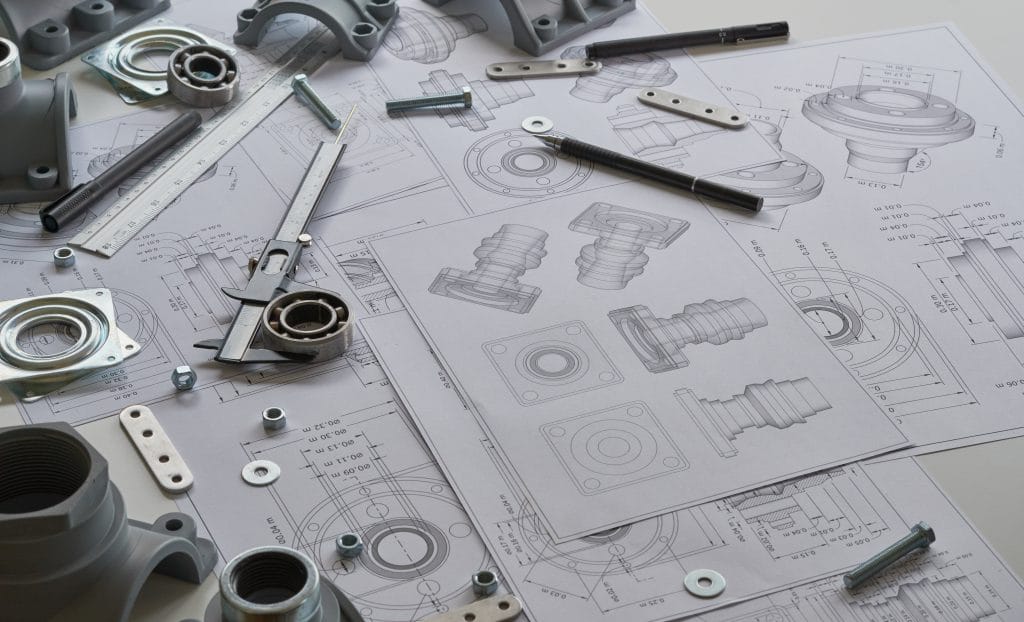
In today’s industrial context, mechanical development relies on computer-aided design (CAD) tools and structured methodologies such as design for manufacturing and assembly (DFM/DFA), which analyze the constraints of each production process from the design stage to avoid costly modifications at later stages. Standards such as ISO 286 (tolerances and fits) or geometric product specifications (GPS) under ISO 1101 provide the technical framework that ensures consistency between design and manufacturing. Systematically applying these methodologies narrows the gap between the prototype and the series-produced part.
Mechanical development covers a broad set of technical capabilities: parametric 3D modeling, mechanism analysis, structural behavior simulation through finite element analysis (FEA), tolerance and dimension chain management, selection of metallic and polymeric materials, and coordination with suppliers and manufacturers. Each of these disciplines helps ensure that the final design not only meets performance requirements but can also be manufactured with the resources and processes available in the real supply chain. In projects of a certain complexity, reverse engineering for product development complements the original design by making it possible to digitize, analyze, and redesign existing components without needing any starting technical documentation.
INFINITIA’s expert team approaches mechanical development as an external technical partner with a comprehensive industrial vision: it does not just design the part, but always conceives it within the context of its manufacturing process, its production cost, and how it fits into the final system or product. This combination of engineering rigor and industrialization focus is the differentiating value INFINITIA brings to every mechanical development project.
Mechanical development at INFINITIA: engineering geared toward industrialization
The technical value of mechanical product development at INFINITIA lies in systematically integrating engineering, manufacturability, and cost criteria from the start of every project. The specialized team does not just work on the shape and function of the part; it always designs with production in mind: which process will manufacture that component, which supplier will produce it, which tolerances can be reliably achieved, and what unit cost can be reached with the design decisions made. This industrialization-oriented engineering approach is what sets INFINITIA’s work as an external technical partner apart from design disconnected from production reality.
The tools and methodologies used cover the entire mechanical development cycle: 3D design and CAD modeling with next-generation software for plastic parts, metal sheets, assemblies, and complex industrial units; 3D scanning with high-precision technology for digitizing existing parts and generating reliable CAD models; injection molding simulation for plastics to predict manufacturing defects; and structural analysis using FEA to verify mechanical behavior under load before manufacturing the first prototype. The 3D design and CAD modeling section details the specific capabilities available in each area.
INFINITIA’s approach combines technical design rigor with industrial interpretation of the results: it is not enough for a part to be well modeled; it must also be manufacturable with the available processes, fit into the client’s real supply chain, and have a competitive production cost. This complementary combination of design, analysis, and industrial decision-making translates into projects ranging from redesigning existing components to reduce production and assembly costs, to the full development of new products from the conceptual stage. Support during the product manufacturing stage ensures technical continuity between design and production.
INFINITIA’s differentiator as a specialized mechanical development company comes down to its ability to answer the question that matters most to a technical or product manager: can this design be manufactured, at what cost, and with what level of risk? Experience accumulated across very different sectors, from consumer goods to industrial equipment to medical devices, makes it possible to anticipate problems that only surface when you have a complete view of the component life cycle, from design through to series production.
Benefits that mechanical development brings to industrial environments
Benefits
Late-stage component redesign is one of the main sources of cost overruns in industrial development. When a part is designed without accounting for the constraints of the selected manufacturing process (insufficient draft angles in injection molding, geometries that cannot be machined with the available tools, unsuitable thicknesses for stamping), the manufacturing team ends up needing to modify the design after time and budget have already been invested in detailed engineering. Design for manufacturing (DFM) applied from the earliest stages of mechanical development eliminates this source of risk before it turns into real costs.
The lack of complete, up-to-date technical documentation for components creates recurring problems in the production chain: parts that do not meet the required tolerances, incompatibilities between subassemblies designed at different times or by different teams, and difficulties managing supplier changes without affecting the quality of the final product. 3D scanning and part digitization make it possible to reconstruct the real geometry of existing components with micrometric precision, generating reliable CAD models that serve as documentary support for production, quality control, and modification engineering. Part optimization and simplification complements this process by identifying opportunities to reduce complexity that translate directly into lower manufacturing and assembly costs.
Unnecessary complexity in the design of parts and assemblies raises the cost of manufacturing tools, increases the number of machining operations, multiplies assembly steps, and creates more potential points of failure. A component with too many independent parts, complex joints, or geometries that are difficult to reproduce in series is a component that costs more to produce, more to assemble, and more to maintain. Mechanical optimization aimed at reducing the number of parts, standardizing elements, and simplifying assemblies structurally lowers the unit cost and improves product reliability in use.
Insufficient validation before manufacturing in final materials and processes is another common risk in mechanical development projects. Moving directly from CAD design to production without a prototyping and functional verification stage exposes the project to design defects that are only detected, and corrected at a high cost, once production has started. Integrating rapid prototyping into the mechanical development process, using technologies such as high-resolution 3D printing, makes it possible to validate geometries, tolerances, mechanisms, and appearance before committing investment to final tooling or molds.
Services
How do we carry out mechanical product development?
-
 Mechanical Development
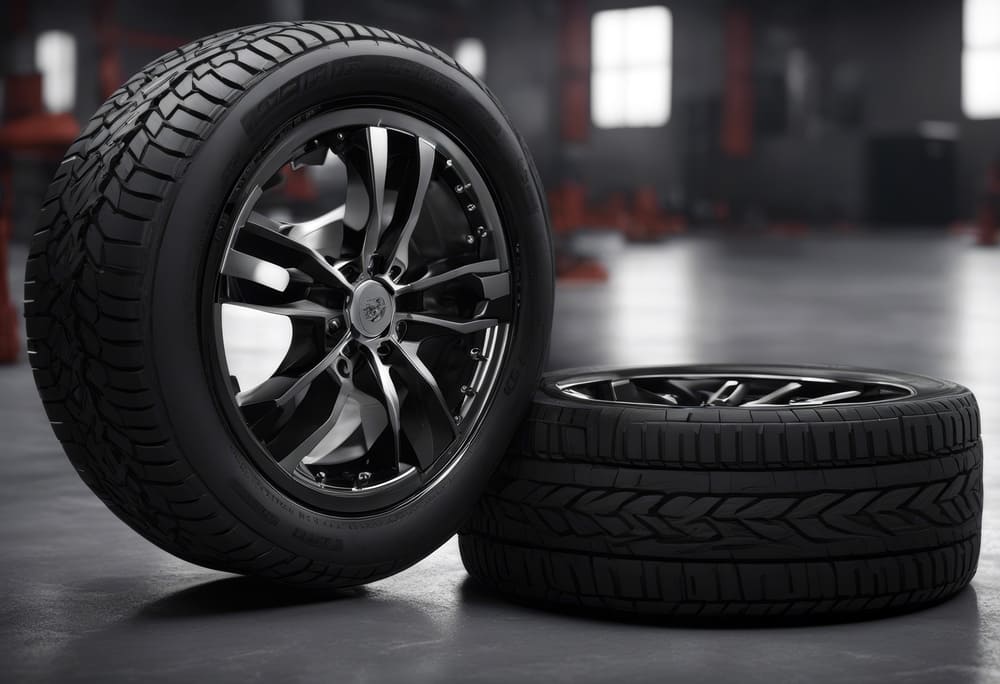
Product Rendering
A product render is a visual, realistic representation of a product or project, elaborated with great precision. At Infinitia we specialize in photorealistic renders, generating tangible…
-
 Mechanical Development
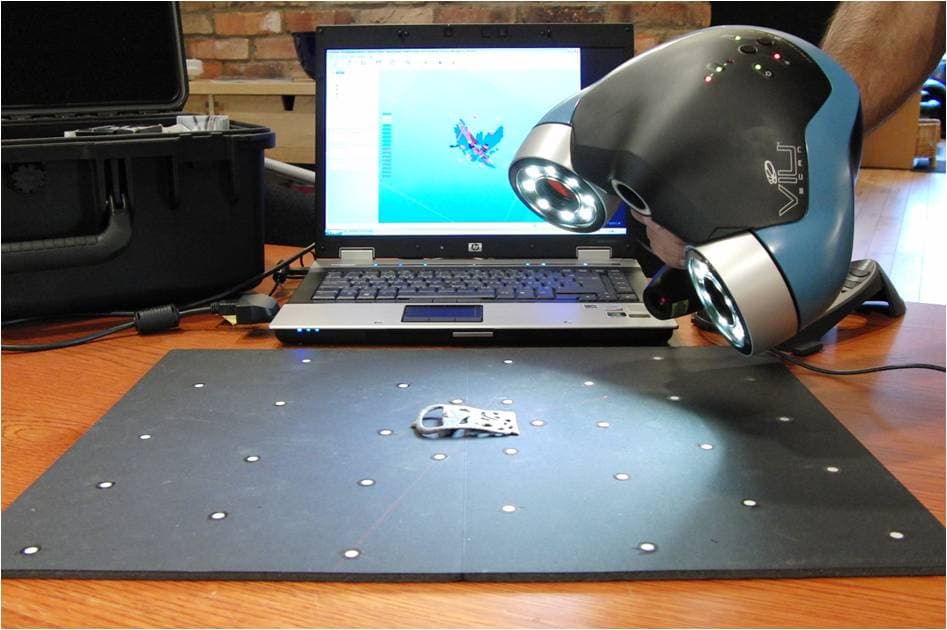
3D scanning and digitization of parts
3D scanning consists of the three-dimensional recreation of an object, using a machine called a scanner. The scanner makes it possible to obtain all the…
-
 Mechanical Development
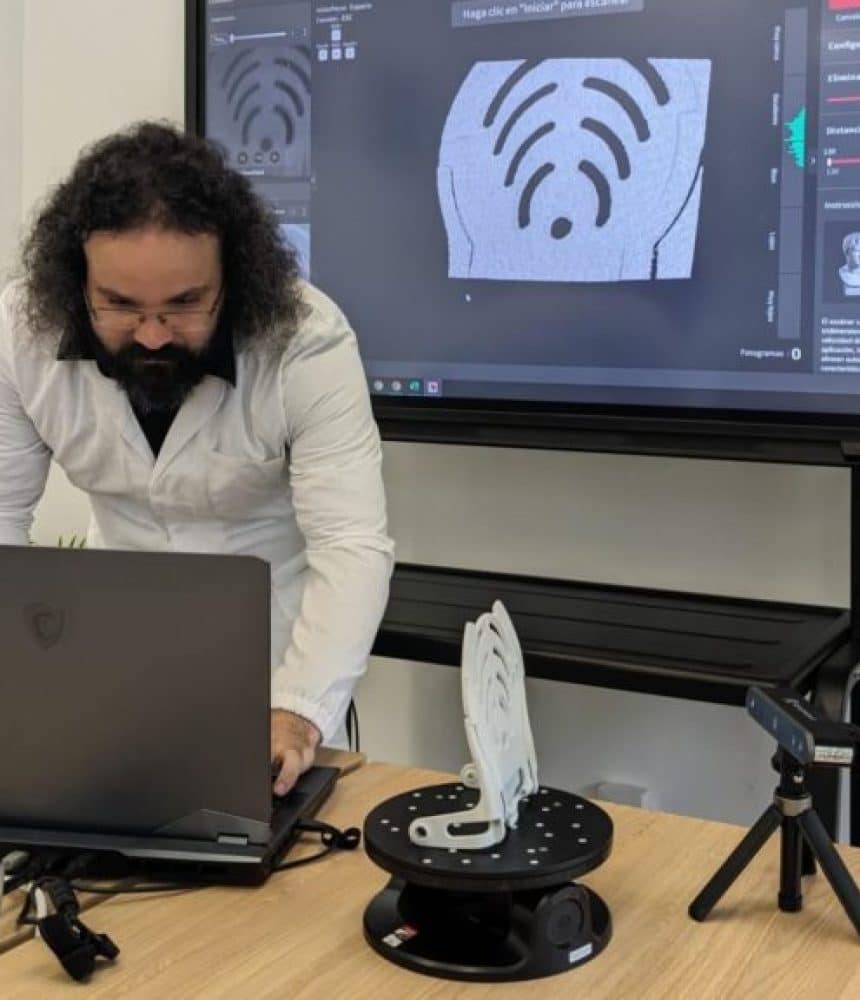
Reverse engineering for product development
Reverse engineering in product development is a technical process that makes it possible to analyze an existing object or system to understand its structure, composition and operation in…
-
 Mechanical Development
Design for manufacturing
Design for Manufacturing (DFM) is a methodology that optimizes products so they can be manufactured efficiently, quickly and at the lowest possible cost. At INFINITIA…
-
 Mechanical Development
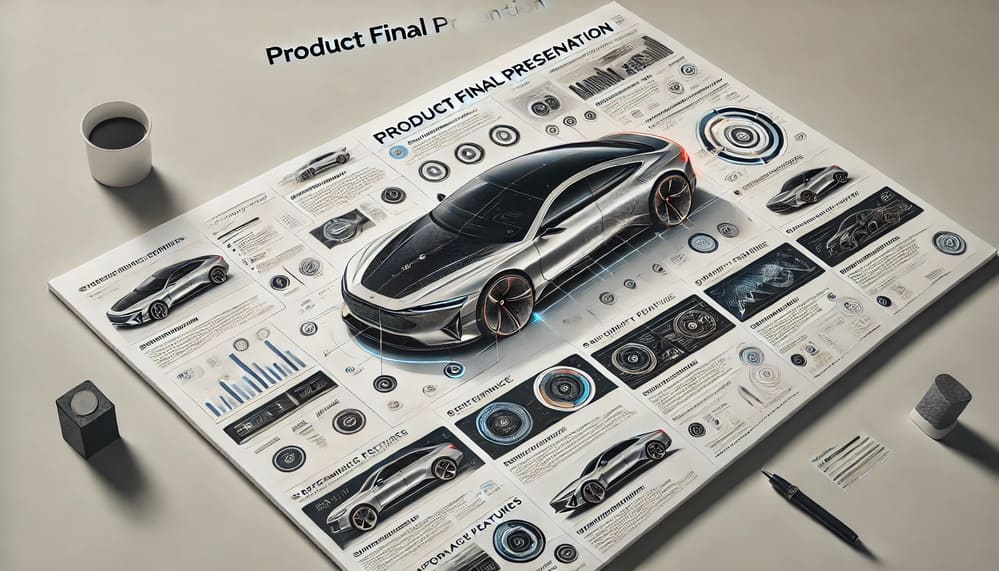
Final presentation and infographics
When we talk about infographics at Infinitia, we mean all informational-commercial graphic material that helps our clients present a product and its features at a single glance. …
-
 Mechanical Development
3D design and modeling using CAD
3D design using CAD is 3D modeling. A digital modeling process for parts and components in a virtual environment, using specialized software to define every detail…
Applications of mechanical development in product design, materials, and manufacturing
applications
Mechanical product development has applications in any industrial process where parts or technical assemblies need to be designed, redesigned, or optimized based on manufacturability, functional performance, and economic efficiency criteria. From developing a new component from scratch to digitizing and improving an existing part with no technical documentation, mechanical development covers a range of situations that recur across very different sectors but share the same structural challenge: making the product better, cheaper to produce, and more reliable in use.
The INFINITIA team addresses these applications with a cross-cutting approach that combines advanced CAD design tools, analysis and simulation techniques, and deep knowledge of industrial manufacturing processes. This combination makes it possible to provide a technical response to needs ranging from reducing the number of parts in an assembly to adapting an existing design to a new production process, including functional validation through prototyping before investing in final tooling.
3D design and CAD modeling for industrial component development
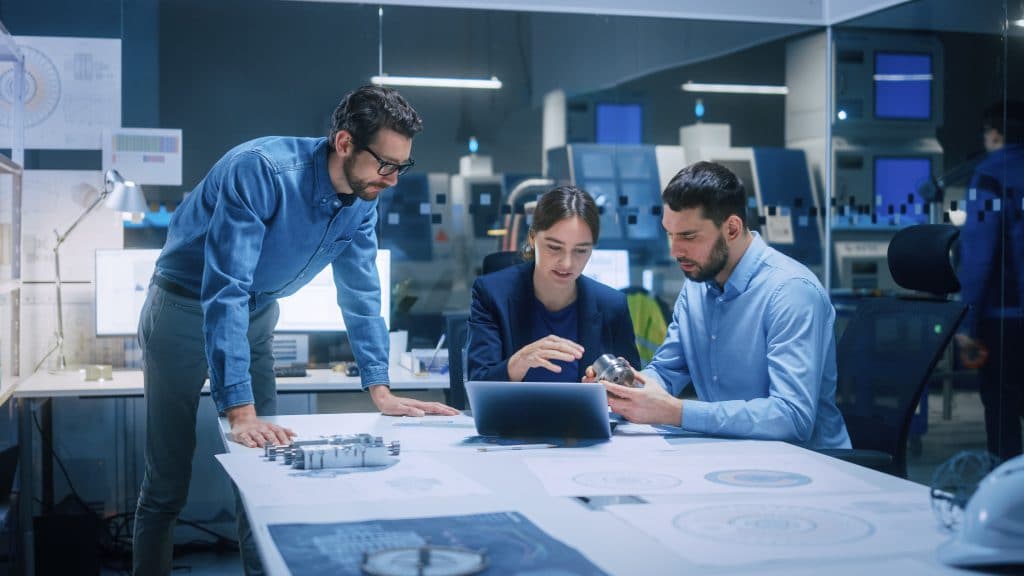
3D design and CAD modeling is the central tool of modern mechanical development. Using parametric modeling software, the specialized team generates the full geometry of parts and assemblies (injection-molded plastic parts, machined metal components, formed sheet metal, multi-element assemblies) with a level of detail that includes tolerances, surface finishes, assembly relationships, and complete technical documentation for manufacturing. The 3D model is not just a visual representation: it is the reference technical document that controls the entire production and subsequent validation process.
CAD modeling makes it possible to make design decisions with a direct impact on product cost and quality. The ability to modify geometric parameters (thicknesses, radii, draft angles, positions of stiffening ribs) and immediately assess their effect on manufacturability and mechanical behavior drastically reduces the number of physical iterations needed before reaching a final design. At INFINITIA, CAD modeling is integrated with process simulations (injection molding, stamping, machining) to ensure every design decision is consistent with the real capabilities of the selected manufacturing process.
Manufacturing-oriented industrial 3D design is the starting point of any rigorous mechanical development process. A well-built parametric model, with correctly defined design relationships, makes later modifications easier, reduces misinterpretation between design and manufacturing, and provides the documentary foundation needed for technical management of the product throughout its entire service life.
Part optimization and simplification to reduce manufacturing and assembly costs
Part optimization and simplification is one of the applications with the greatest economic impact within mechanical development. It involves systematically analyzing the geometry, number of components, and joining processes of a technical assembly, with the goal of identifying opportunities to reduce complexity that translate into lower manufacturing costs, fewer assembly operations, and greater product reliability in use. Simplification does not mean a loss of functionality: it means achieving the same function with fewer resources.
This application makes it possible to make decisions with a direct impact on product profitability: eliminating parts that can be merged into a single multifunctional component, replacing complex joints with simpler, more reproducible solutions, redesigning geometries that generate production rejects or hinder quality control. INFINITIA approaches part optimization as an external technical partner, looking simultaneously at functional performance and production cost, which ensures the design improvements are industrially viable and do not introduce new manufacturing constraints.
Reducing the number of parts in an assembly and standardizing elements are two of the most direct levers for improving the competitiveness of an industrial product. Mechanical development geared toward simplification from the earliest design stages avoids the accumulation of complexity that, once locked into the production design, becomes very costly to fix.
Reverse engineering for developing and redesigning products with no technical documentation
Reverse engineering for product development makes it possible to reconstruct the geometry and technical specifications of existing parts or assemblies when the original CAD documentation is unavailable or outdated compared to the real manufactured part. The process combines measurement techniques (3D scanning, coordinate measurement, dimensional analysis) with parametric redesign of the resulting geometry, generating an updated, documented CAD model that can serve as a basis for improvements, adaptations, or transfers to new manufacturing processes.
This application is especially relevant in situations involving supplier changes, component obsolescence, replacement of discontinued parts, or adapting existing designs to new materials or processes. The model obtained through reverse engineering is not a copy: it is a technical redesign that incorporates the improvements needed to ensure the manufacturability and performance of the new component. At INFINITIA, reverse engineering is integrated with the full mechanical development process, making it possible to go from the physical component to the optimized design in a continuous technical process.
Reverse engineering applied to industrial development eliminates dependence on third-party technical documentation and gives the company complete control over the geometry and specifications of its components, reducing vulnerability to supply chain changes and making long-term technical product management easier.
3D scanning and part digitization for dimensional control and development
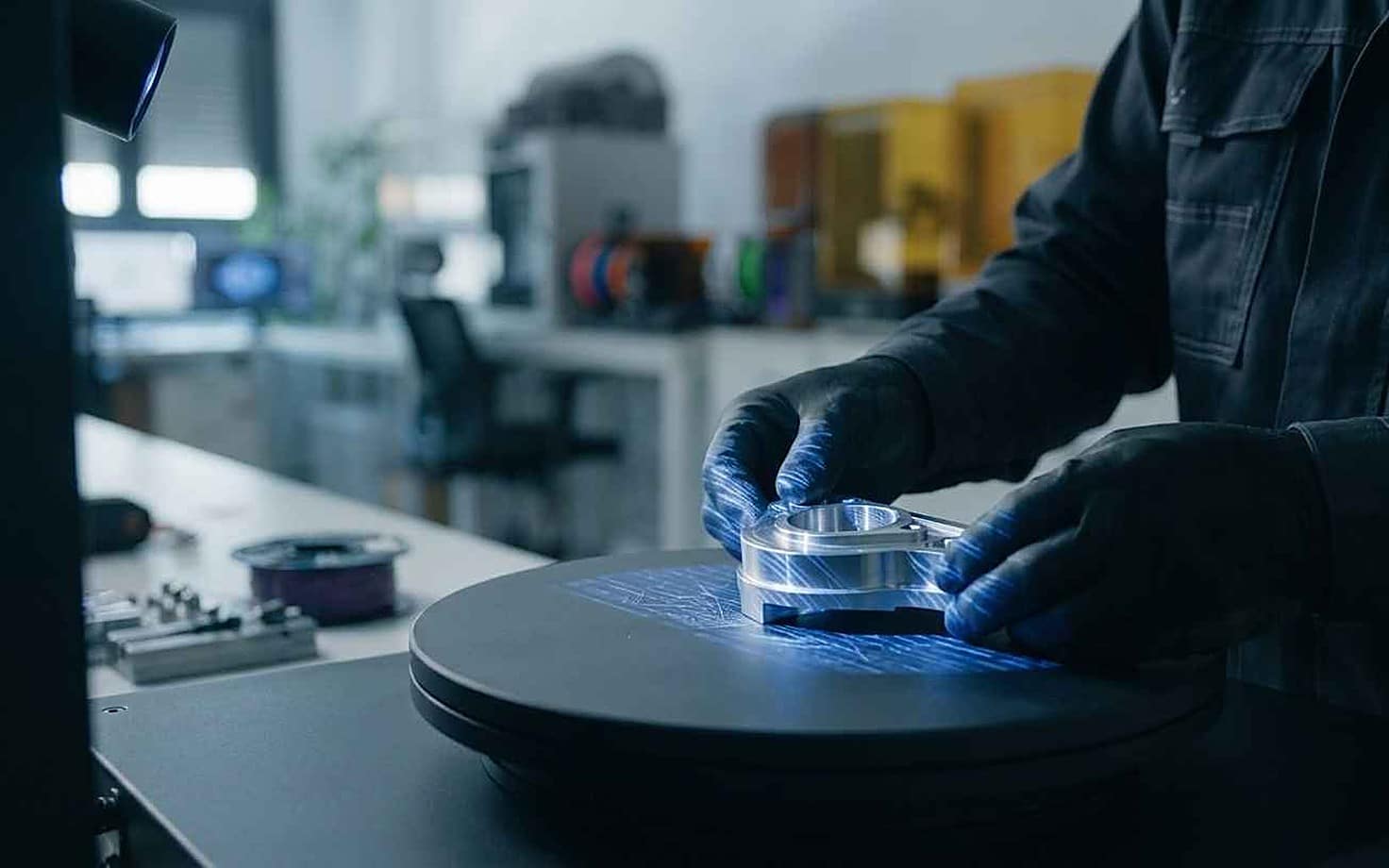
3D scanning and part digitization is a technology that turns physical objects into high-precision digital models using optical or contact-based measurement systems. Industrial 3D scanners capture millions of points on a part’s surface in a very short time, generating a point cloud that is processed to obtain a mesh model or a parametric CAD solid. The precision achieved, on the order of tenths of a millimeter with standard industrial systems, supports both the dimensional control of produced parts and the generation of reference CAD models for developing new components.
Within mechanical development, 3D scanning adds differentiating value in situations where conventional measurement is insufficient or impractical: parts with organic or complex geometries, free-form surfaces, assembled units where the geometric interaction between components needs to be verified, or prototypes where the actual geometry obtained needs to be documented and compared against the original design. INFINITIA integrates 3D scanning into the mechanical development process as a verification tool, a way to generate reference models, and a foundation for reverse engineering.
Industrial digitization of parts through 3D scanning shortens technical documentation timelines, removes ambiguity in the specification of complex geometries, and provides a reliable geometric database that improves the technical traceability of the product throughout its entire service life.
Design for manufacturing (DFM): a mechanical engineering methodology applied to industrial mechanical development
Design for manufacturing (DFM) is an engineering methodology that integrates production process constraints and capabilities into the component design stage, with the goal of ensuring the designed product can be manufactured reliably, at the required quality, and at the lowest possible cost. DFM is not a final design review: it is an approach that runs through the entire mechanical development process, from selecting the manufacturing process to defining tolerances, finishes, and assembly conditions.
Systematically applying DFM makes it possible to identify and correct, at the design stage, problems that, if left undetected until production, would generate tooling modification costs, production rejects, or partial redesigns. Insufficient draft angles in injection-molded parts, geometries that cannot be machined with the standard tools available, stress concentrations at critical points in metal stampings, or variable thicknesses that cause sink marks in plastics are examples of design defects that DFM detects and corrects before they turn into real costs. INFINITIA works directly with manufacturers and suppliers to validate that every design is 100% industrializable under the client’s real production conditions.
Design for manufacturing applied to mechanical development is the technical guarantee that the investment in detailed engineering is not wasted on last-minute modifications. A component designed with DFM from the outset reaches production faster, with fewer issues, and with a predictable unit cost.
Tooling design, product rendering, and technical documentation for manufacturing
Tooling and auxiliary component design is the stage that connects product design with real production. Tooling (injection molds, dies, assembly fixtures, dimensional control tools, special machining tools) consists of complex technical elements whose design directly affects the quality, cost, and production rate of the component. Poorly designed tooling generates recurring production problems that impact product quality and delivery times.
In parallel, generating photorealistic product renders and presentation-ready technical documentation makes it possible to communicate the mechanical design precisely and visually to management teams, clients, or suppliers, speeding up internal validation processes and decision-making. Rendering is not a decorative element: within the mechanical development process, it is a visual verification tool that helps detect shape, proportion, finish, or aesthetic integration problems before manufacturing the first physical prototype. INFINITIA covers this capability as part of the mechanical development service, generating both the complete technical documentation for manufacturing and the presentation materials and infographics needed to communicate the project.
The complete cycle of industrial mechanical development, from CAD modeling through to tooling design and final technical documentation, ensures the product reaches production with all the information needed for its manufacturing, control, and technical management throughout its service life.
Sectors where mechanical development enables industrialization with technical guarantees
sectors
Mechanical product development is a cross-cutting service applicable to any industry where a functional need must be turned into a manufacturable component, existing parts need to be optimized to lower production costs, or a design must be validated as manufacturable with the available processes and suppliers. The sectoral diversity of mechanical development reflects the universality of its principles: design-for-manufacturing constraints, tolerance management, and assembly optimization are challenges that recur regardless of the production sector.
INFINITIA has carried out mechanical development projects across very different industrial sectors, building up accumulated knowledge of the technical specifics of each field: the traceability requirements of the medical industry, the durability and life-cycle demands of automotive, the weight and tolerance constraints of aerospace, or the extreme conditions of use in industrial machinery. This sector knowledge allows the specialized team to adapt the mechanical development approach to the real conditions and demands of each industry.
Mechanical development in defense: structural components subject to extreme strength, weight, and use requirements
The defense sector places some of the most demanding technical requirements in the industrial environment on component mechanical development: structures subject to severe impact and vibration loads, systems with strict reliability requirements under extreme conditions of use, and components that must maintain their functional performance across very wide temperature, humidity, and pressure ranges. Structural elements of armored vehicles, guidance system housings, actuation mechanisms, and mounts for onboard equipment are examples of parts where mechanical design directly affects the operability and safety of the system. Selecting high-performance materials (ultra-high-strength steels, titanium alloys, 7000-series aluminum, CFRP laminates) and correctly integrating them into the mechanical design is one of the critical factors determining component performance in real service.
- Strength-to-weight optimization with high-performance materials: Mechanical development in defense requires applying topology optimization techniques and FEA to maximize the structural strength and fracture toughness of the component while minimizing its mass, using materials such as ultra-high-strength steels, Ti-6Al-4V titanium alloys, 7000-series aluminum, or CFRP laminates depending on the requirements of each application.
- Design for extreme conditions of use: Defense components operate in environments where temperature, humidity, dust, vibration, and impact combine simultaneously. Mechanical development must anticipate these conditions from the design stage, selecting geometries, materials, and joining processes that ensure the structural integrity and functionality of the component throughout its entire operational life.
- Tolerance management in precision mechanisms and assemblies: Defense systems frequently incorporate high-precision mechanisms (actuators, interface connectors, optical systems, firing mechanisms) that require an exhaustive analysis of dimension chains and tolerances to ensure component interchangeability, functional repeatability, and correct assembly behavior under operational conditions of use.
Mechanical development for defense at INFINITIA focuses on solving the technical design, material selection, and manufacturability challenges that characterize this sector: components with an optimized strength-to-weight ratio, complex geometries adapted to precision manufacturing processes, and designs that maintain their performance under demanding conditions of use. The specialized team acts as an external technical partner for integrator companies and Tier 1 and Tier 2 suppliers, providing design, structural analysis, and validation capabilities aimed at ensuring each component can be manufactured and function according to the technical requirements of the program.
Mechanical development in consumer and industrial electronics: integration, miniaturization, and connectivity
Consumer and industrial electronics products combine the complexity of integrating electronic, mechanical, and connectivity components into ever-smaller volumes with the need to ensure protection against external agents (dust, water, vibration, impact) and efficient dissipation of heat generated by active components. Mechanical development in this sector covers the definition of enclosures, PCB supports, closure systems, connectivity mechanisms, and thermal management elements that make it possible to integrate all the electronic functionality into a manufacturable, reliable mechanical enclosure that meets the required IP protection and mechanical strength requirements.
- Enclosure design with IP protection requirements: The levels of protection against dust and water defined by the IEC 60529 (IP) standard shape the design of the seals, closure systems, and enclosure materials. Mechanical development must integrate these requirements from the start of the design to avoid solutions that compromise protection without requiring costly redesigns.
- Thermal management in mechanical design: Dissipating the heat generated by electronic components (processors, power drivers, power supplies) requires the design of specific mechanical elements: heat sinks, ventilation channels, thermal interfaces, and contact surfaces that make it possible to manage the operating temperature within the limits of the components.
- Miniaturization and tolerances in compact assemblies: Reducing the volume of electronic products increases the demands on manufacturing tolerances and assembly clearances, requiring a detailed analysis of dimension chains and a mechanical design that ensures correct assembly within the variation margins of the manufacturing process.
Mechanical development for electronics at INFINITIA integrates knowledge of enclosure manufacturing processes (plastic injection molding, machining, sheet metal forming) with the analysis of protection, thermal management, and connectivity requirements specific to electronic products, delivering design solutions that can be manufactured industrially with the client’s suppliers.
Mechanical development in industrial machinery: strength, maintainability, and tooling design
Industrial machinery and production equipment present mechanical development with specific challenges related to structural strength under static and dynamic loads, durability in environments with aggressive agents (temperature, humidity, dust, lubricants), accessibility for maintenance, and the ability to incorporate standard spare parts or low-cost components into the design. Manufacturing tooling, assembly fixtures, automated handling systems, and structural frames are examples of elements where industrial mechanical development has a direct impact on the productivity and reliability of the installation.
- Structural design under static and dynamic loads: FEA applied to the design of frames, supports, and machinery structures makes it possible to verify component behavior under real service loads, identify stress concentrations, and optimize geometry to balance strength and weight before manufacturing the first physical prototype.
- Tooling and clamping system design: Manufacturing tooling (machining fixtures, welding jigs, clamping systems for injection or stamping) requires specific mechanical development that takes into account process forces, positional repeatability requirements, and ease of assembly and disassembly by the operator.
- Adapting designs to maintainability requirements: Access to elements requiring periodic maintenance (bearings, seals, wear parts, electrical connections) must be built into the mechanical design from the earliest stages of development, avoiding solutions that unnecessarily complicate preventive and corrective maintenance operations.
Mechanical development for industrial machinery at INFINITIA draws on experience accumulated in tooling design, structural component redesign, and manufacturing system optimization projects, offering technical solutions that improve productivity and reduce operating and maintenance costs for installations.
Mechanical development for entrepreneurs and startups: from concept to manufacturable product with optimized resources
Product entrepreneurs and startups approach mechanical development with a structural constraint that established companies do not share: they must turn an idea into a manufacturable, validated, competitive product with limited resources, tight timelines, and no room for costly mistakes. The challenge is not just technical (designing a part that works) but economic and strategic: making the right design decisions at each stage to avoid wasting investment on avoidable iterations, premature tooling, or developments that do not survive first contact with manufacturing reality. In this context, having an external technical partner with experience in industrial mechanical development from the earliest stages of the project makes the difference between a product that reaches the market and one that stays a prototype.
- Manufacturability-oriented design from the first concept: Startups cannot afford to redesign a component after investing in tooling or molds. Mechanical development applied from the conceptual stage ensures that every decision on geometry, material, and manufacturing process is consistent with target production costs and with suppliers accessible for small initial volumes.
- Rapid iteration through prototyping and technical validation: Integrating rapid prototyping (3D printing, machining of single units) into the mechanical development process makes it possible to validate geometries, mechanisms, and appearance in very short timeframes before committing investment to final molds or tooling, reducing the number of physical iterations needed to reach a mature design.
- Unit cost optimization for launch volumes: The mechanical design of a product intended for short launch runs has different requirements than design for mass production. The selection of the manufacturing process, the number of parts in the assembly, and the defined tolerances must be adjusted to the real expected volumes so that the unit cost is viable in the early stages of commercialization.
Mechanical development for startups and entrepreneurs at INFINITIA starts from a concrete reality: resources are limited, and every design decision has a direct economic impact on the viability of the project. The specialized team acts as an external technical partner that supports the entrepreneur from the initial concept through to a design ready for manufacturing, providing the industrial judgment needed to make the right decisions at the right time: which manufacturing process to choose, when to invest in final tooling, how to simplify the product without losing functionality, and how to prepare the technical documentation needed to work professionally with manufacturing suppliers from the very first order.
Mechanical development in consumer goods: design, aesthetics, and manufacturability in mass-produced products
Consumer goods products combine technical requirements for manufacturability and cost with aesthetic design requirements that must stay within the production margins of mass manufacturing processes. Mechanical development in this sector addresses the tension between the formal freedom of industrial design (curves, free-form surfaces, complex aesthetic details) and the constraints of the plastic injection molding, thermoforming, or in-line assembly processes that will produce the component in the thousands or millions of units.
- Thickness and geometry control in plastic injection molding: Sink marks, weld lines, insufficient draft angles, and warping from uneven cooling are the most common defects in injection-molded consumer parts. DFM-oriented mechanical development prevents these problems by correctly defining thicknesses, ribs, and injection points from the initial design.
- Integration of functionality and aesthetics: Integrating functional elements (assembly clips, guides, stiffening ribs, insert housings) into the aesthetic geometry of the product requires a technical balance that is only possible when mechanical design and industrial design work in a coordinated way from the earliest stages of development.
- Cost optimization in mass series production: In mass consumer products, small reductions in unit manufacturing cost have a very significant aggregate impact. Simplifying assemblies, reducing the number of parts, and standardizing processes are key levers that mechanical development can activate from the design stage.
Mechanical development for consumer products at INFINITIA combines experience in advanced CAD design, process simulation, and knowledge of polymer materials with a clear view of the economic impact of every design decision on the cost of series production.
Mechanical development in automotive: components subject to fatigue, vibration, and weight requirements
The automotive industry places some of the most demanding technical requirements in the industrial environment on component mechanical development: variable fatigue loads, exposure to high-frequency vibration, weight-reduction requirements linked to energy efficiency targets, and strict dimensional tolerances arising from in-line assembly processes. Cabin components, closure systems, structural supports, and transmission elements are examples of parts where mechanical design directly affects the safety, comfort, and service life of the vehicle.
- Fatigue and vibration load management: Designing components for automotive requires applying FEA and fatigue analysis to verify component behavior under the vehicle’s real load cycles, identifying stress concentrations and potential failure points before manufacturing the first prototype.
- Weight reduction while maintaining performance: Replacing metal materials with technical plastics or composites, or applying topology optimization to metal parts, makes it possible to reduce component weight without compromising stiffness or strength, with a direct impact on the vehicle’s fuel consumption and emissions.
- Design for manufacturing in high-rate processes: The plastic injection molding, metal stamping, and die casting processes used in automotive impose specific design constraints that must be integrated from the earliest stages of mechanical development to avoid costly tooling modifications once production has started.
Mechanical development for automotive at INFINITIA integrates functional performance, manufacturability, and cost management criteria from the start of the project. Experience accumulated in automotive component redesign projects (production cost reduction, adaptation to new processes, material substitution) allows the specialized team to anticipate the most common problems in this sector and propose technical solutions proven in real production environments.
Mechanical development at INFINITIA: the company for ensuring the technical and economic viability of your industrial product
Value
Mechanical product development approached with technical and industrial rigor is one of the highest-return investments in the life cycle of a product. A well-designed component (manufacturable, optimized, documented, and validated before production) reduces tooling costs, minimizes line rejects, facilitates quality control, and shortens time to market. Conversely, the cost of correcting design errors at the production stage is structurally higher than the cost of preventing them at the engineering stage: modifying an injection mold, redesigning tooling, or reworking an assembly line once production has started carries an economic and schedule impact that can jeopardize the viability of the project.
INFINITIA acts as an external technical partner in mechanical development projects where industrial companies need specialized engineering capacity without the limitations of an oversized in-house team or the rigidity of structures poorly suited to project variability. The preventive, data-driven approach applied by the specialized team (manufacturability analysis, process simulation, validation through prototyping before final tooling) reduces the technical risk of every project and gives product and manufacturing managers the certainty that design decisions are grounded in proven engineering criteria. INFINITIA’s design and innovation section complements mechanical development with conceptualization and technical feasibility capabilities in the earliest stages of the project.
The economic optimization delivered by mechanical development is not limited to reducing the unit manufacturing cost. Simplifying assemblies reduces assembly cost and the complexity of supplier management. Digitizing components through 3D scanning removes the dependence on outdated technical documentation and reduces risk when changing suppliers. Correct tooling design minimizes maintenance costs and production changeover times. Each of these levers helps improve the product’s profitability throughout its entire production life. Integration with the prototyping service ensures technical validation before committing investment to production.
In regulated sectors (medical, aerospace, defense, food) rigorous, well-documented mechanical development is also a regulatory compliance requirement: certification bodies require technical evidence that the design was developed using structured methodologies, that design decisions are documented, and that the product has been verified against the applicable requirements before commercialization. INFINITIA offers companies in these sectors the combination of technical rigor, complete documentation, and sector experience they need to approach their mechanical development processes with technical and regulatory assurance. The question is not whether a company needs specialized mechanical development: the question is at what stage of the project it becomes most costly not to have had it.
Projects
Completed Mechanical Development Projects
-
 3D printing – MVP – MLP
 Product development
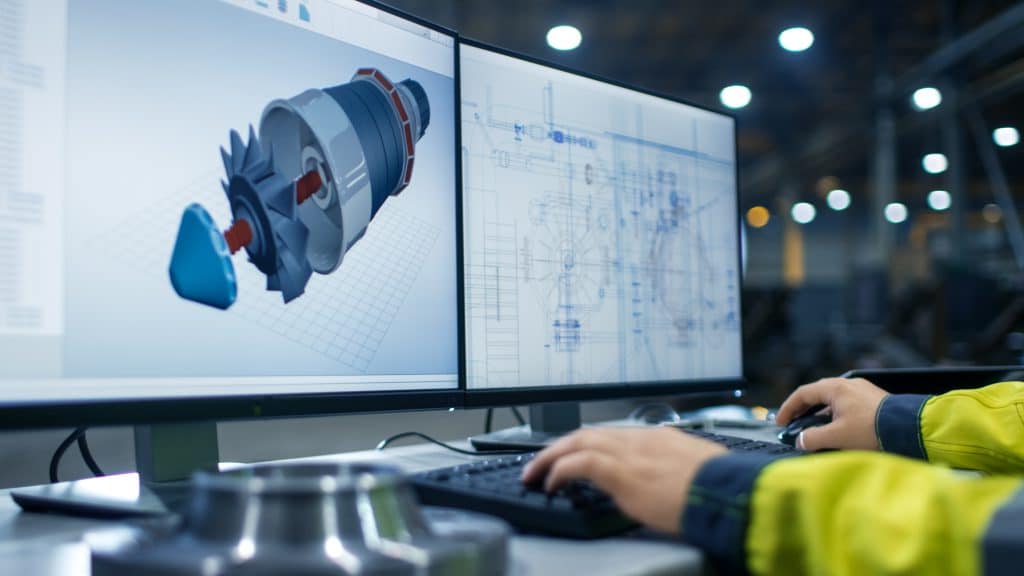
Component design by reverse engineering and 3D scanning
-
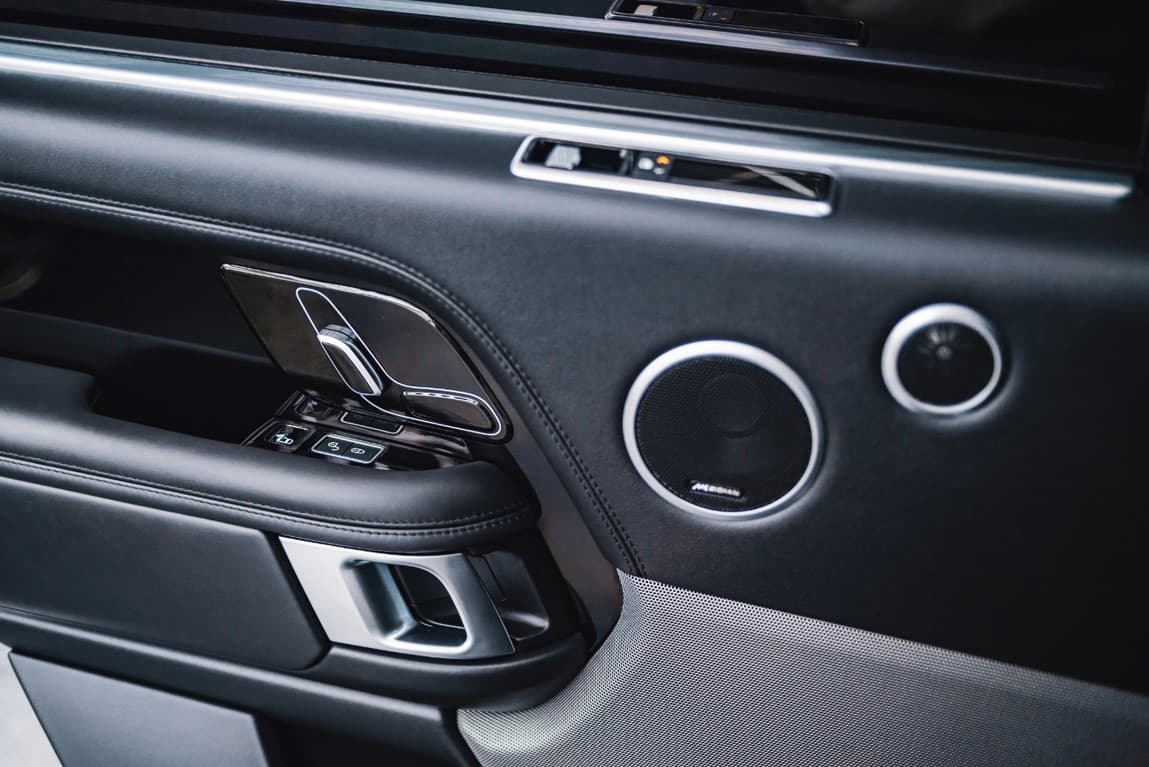 Plastics – polymers – composites
-
 3D printing – MVP – MLPProduct development
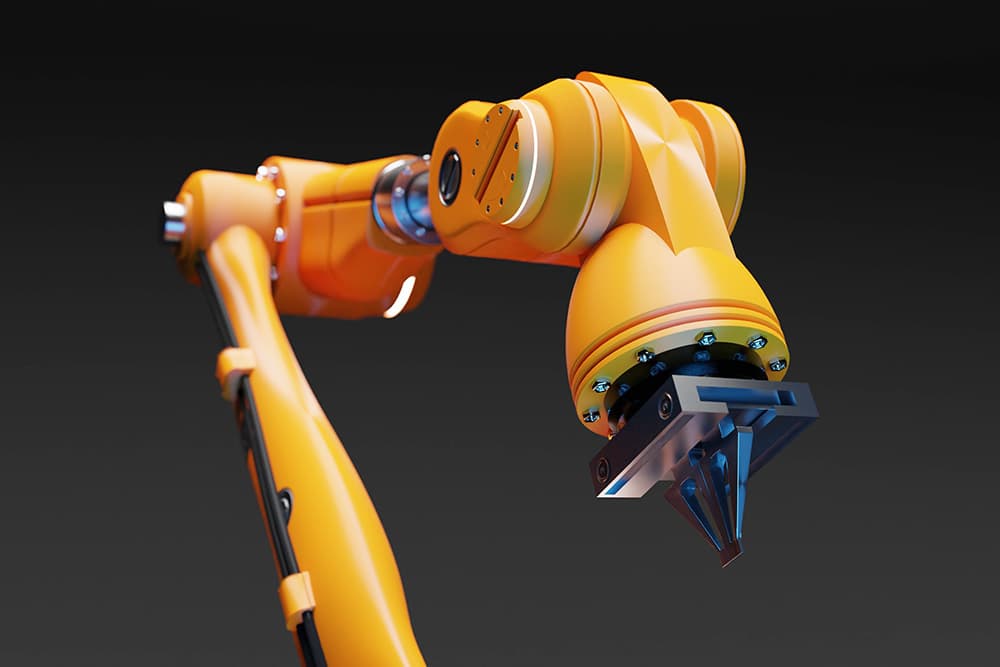
Reverse engineering and redesign of parts for 3Dprinting manufacturing
-
 Life tests – accelerated tests – homologationProduct development
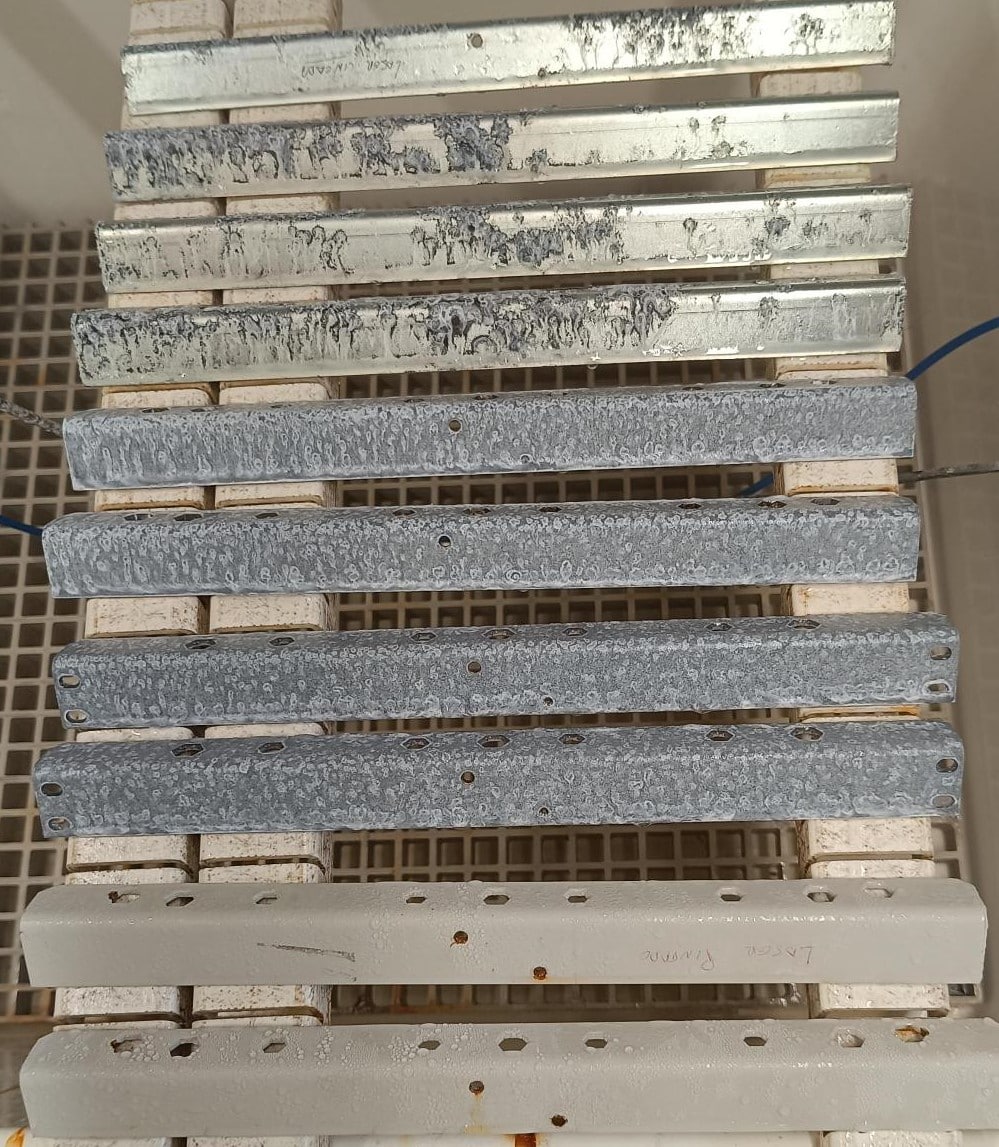
Metal parts testing with custom setup for validation under real conditions
-
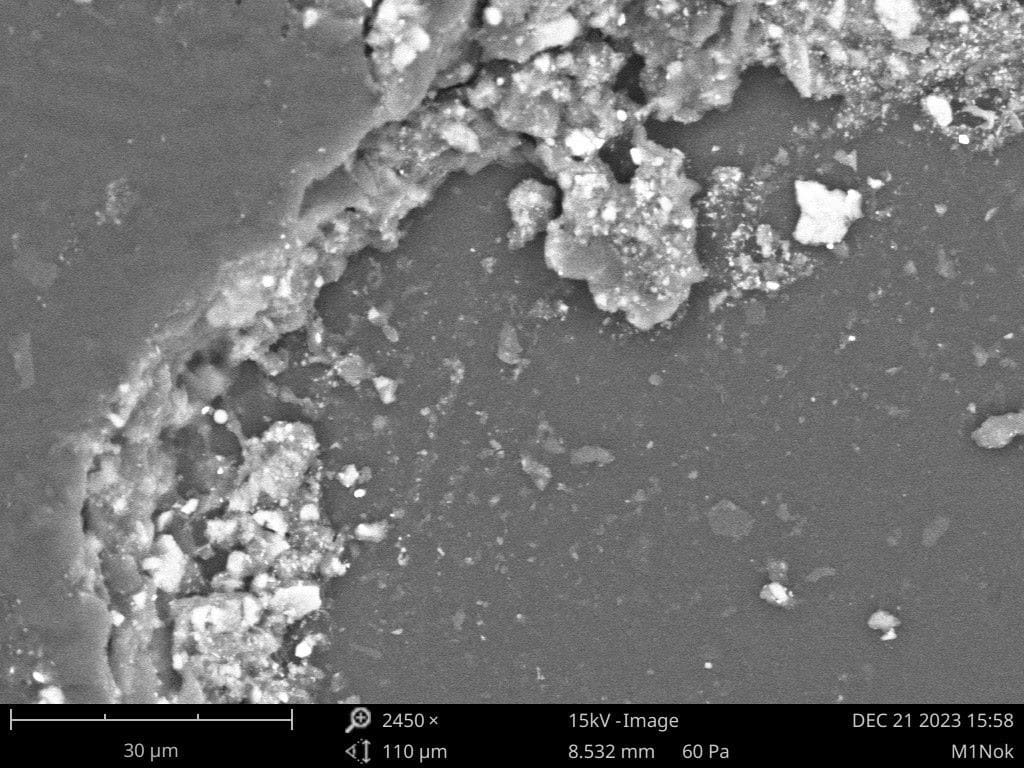 Life tests – accelerated tests – homologationProduct development
IP testing design to ensure dust and water tightness
-
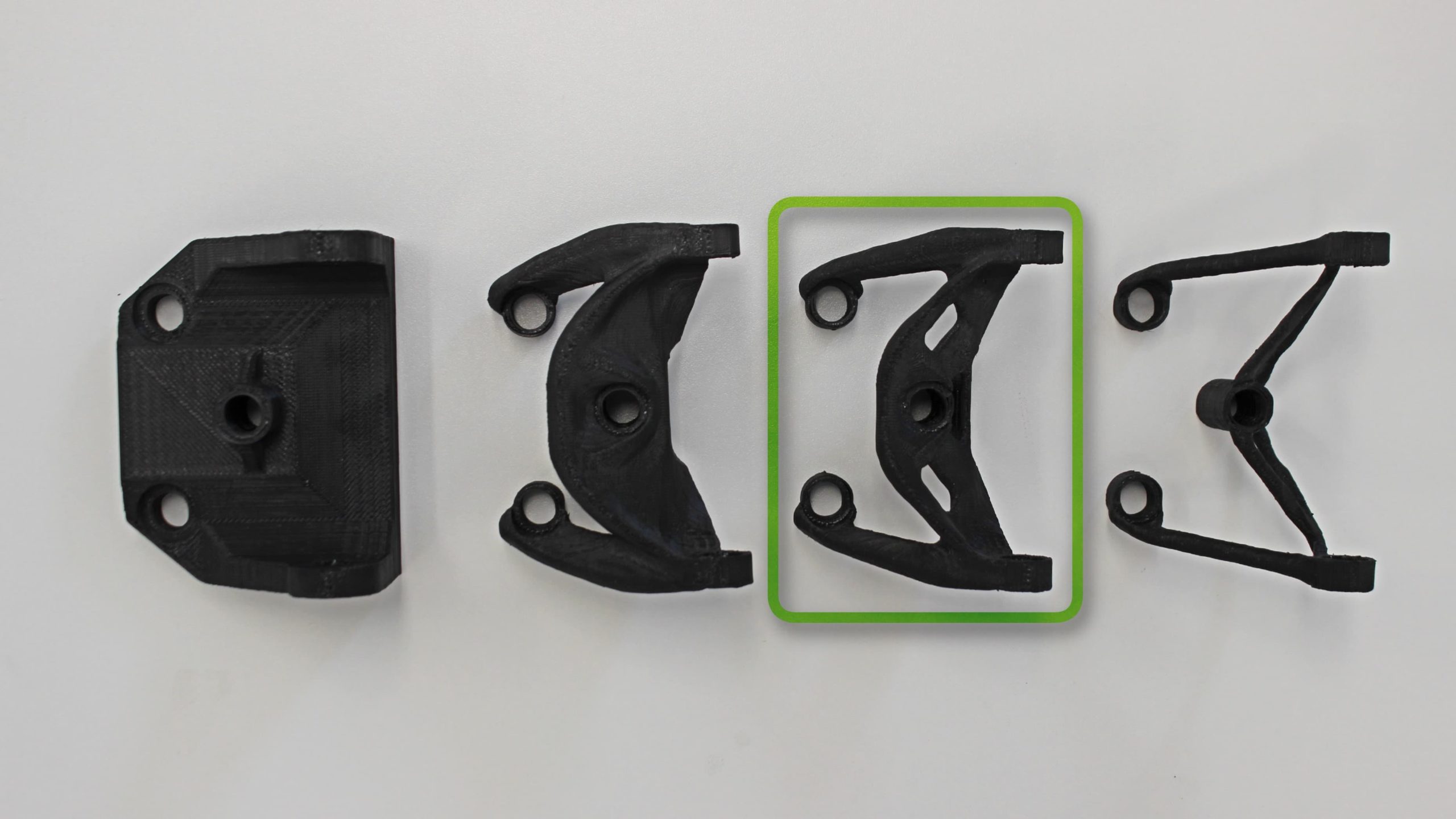 Simulation – Digital Services – AIProduct development
Design and manufacturing through 3D printing to reduce component weight
-
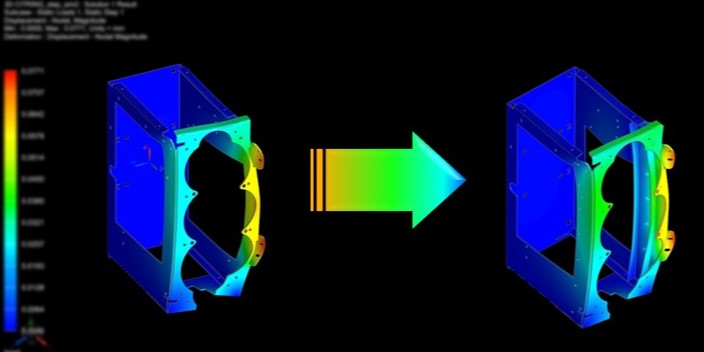 Simulation – Digital Services – AIProduct development
Mechanical Design Improvement of New Products through Simulation
-
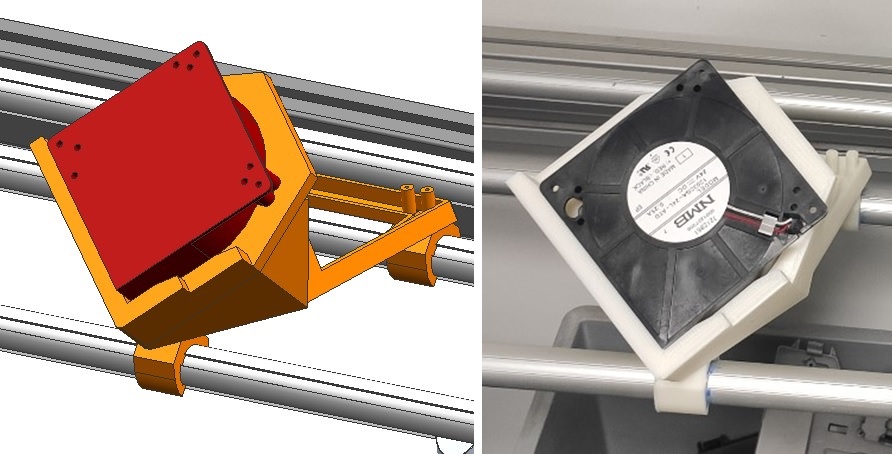 3D printing – MVP – MLP
 -
 Redesign – new products
 Product development
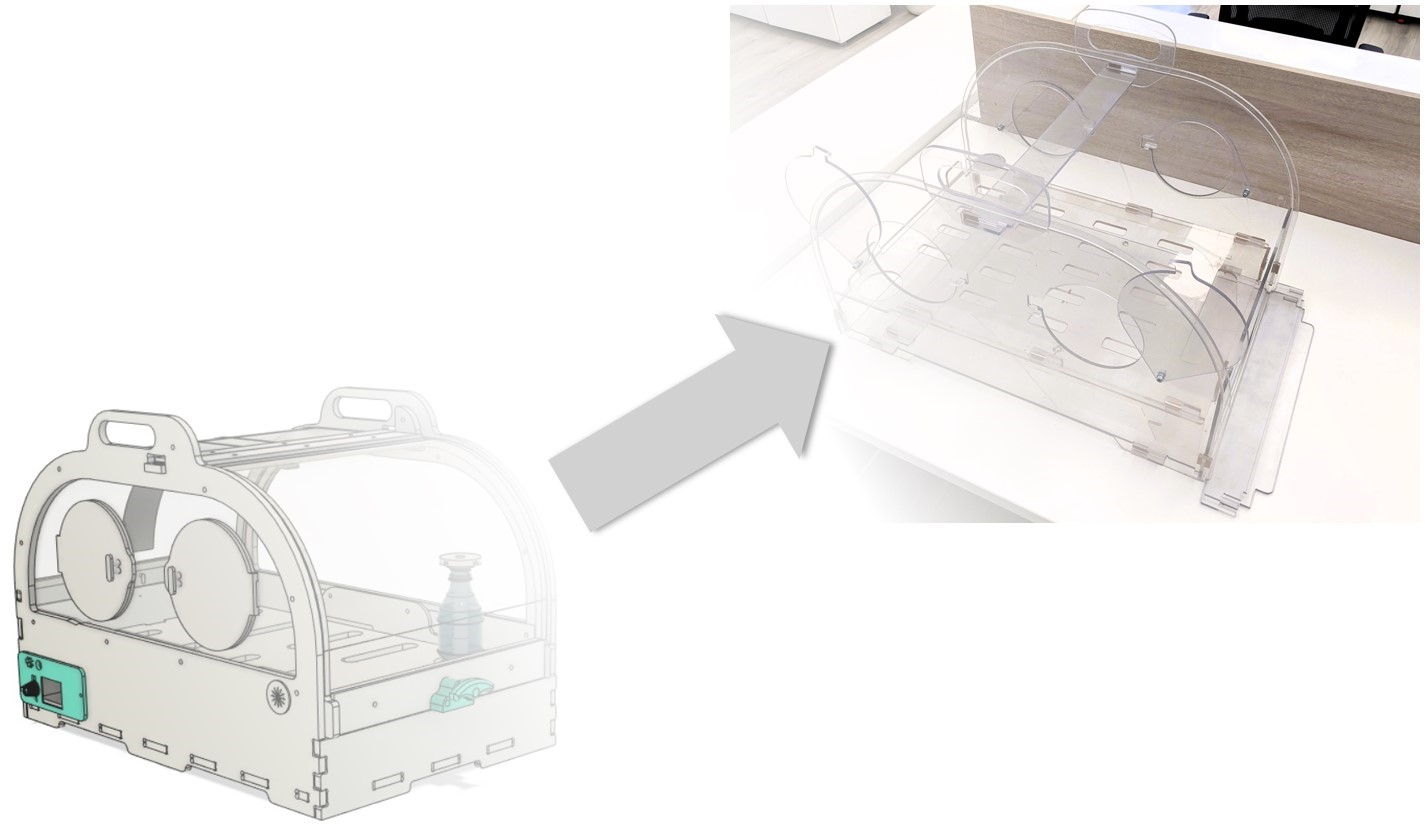
Redesign and optimization of an incubator to reduce manufacturing costs
-
 Redesign – new productsProduct development
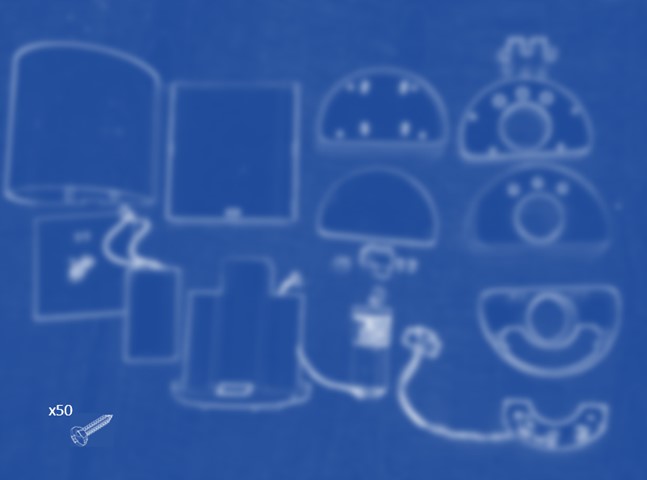
Redesign of a Product to Reduce Production and Assembly Costs
-
 Redesign – new productsProduct development
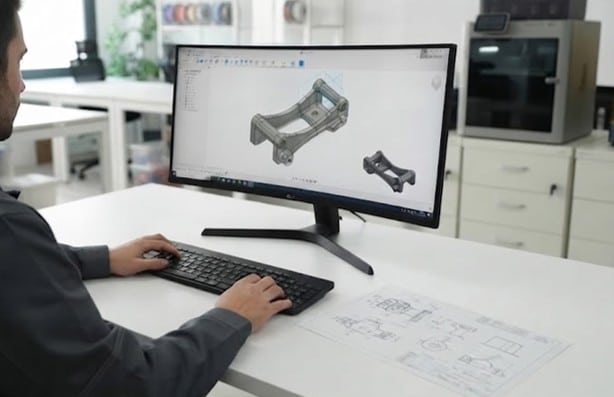
3D rendering and photorealistic images from 2D drawings for assembly manuals
-
 Redesign – new products
 -
 Redesign – new products
Frequently asked questions about mechanical product development
FAQs
What is mechanical product development, and how does it differ from industrial design?
Mechanical product development is the engineering discipline that defines, details, and optimizes the geometry, materials, tolerances, and manufacturing processes of parts and technical assemblies, with the goal of ensuring their proper function, production viability, and economic efficiency. Industrial design, in turn, focuses on the shape, user experience, and aesthetics of the product. Both disciplines are complementary, but mechanical development is what ensures that what has been designed can be manufactured, works under real conditions of use, and has a viable production cost.
The practical difference shows up in the type of decisions each discipline addresses: industrial design defines how the product should look and feel; mechanical development defines how it should be built, with which materials, with which manufacturing process, and with which tolerances. At INFINITIA, both perspectives are integrated from the earliest stages of the project to ensure the final result is technically sound and industrially manufacturable.
At what point in product development should a mechanical development team be involved?
The optimal time to involve a specialized mechanical development team is the conceptual stage, when design decisions still have a low cost of modification and a high impact on the final result. Integrating manufacturability, material selection, and process constraint criteria from the outset avoids having to redesign components once the project is well underway, which is when changes become more costly in time and resources.
In practice, however, INFINITIA frequently joins projects at more advanced stages: when an existing design fails functional validation, when a component generates recurring production problems, or when a company needs to adapt a design to a new manufacturing process or supplier. In any of these scenarios, bringing in an external technical partner specialized in mechanical development adds value from the very first day of work.
What happens if a product is designed without considering the manufacturing process from the start?
Designing a product without integrating manufacturability criteria from the earliest stages creates one of the most costly problems in industrial development: late-stage redesign. When a part reaches the manufacturing stage with insufficient draft angles, thicknesses unsuited to the selected process, or geometries that cannot be reliably reproduced in series, the cost of correction multiplies compared to what it would have been at the design stage. Modifying an already-built injection mold, redesigning tooling, or reworking an assembly line once production has started carries an economic and schedule impact that can jeopardize the viability of the project.
In addition, designs that do not account for the manufacturing process tend to result in products with a higher unit cost than necessary: more parts than strictly needed, complex geometries that increase cycle time, tolerances tighter than the function requires. Design for manufacturing (DFM) applied from the start of mechanical development is the most efficient way to avoid these structural costs and ensure the product reaches production with a sufficient level of technical maturity.
What information or documentation does INFINITIA need to start a mechanical development project?
The starting point of a mechanical development project at INFINITIA can vary widely: from a concept defined only as a sketch or functional description, to an existing CAD model that needs to be optimized or adapted to a new manufacturing process. Complete technical documentation is not required to start the work; in fact, one of the most common services is precisely generating that documentation from existing physical components through reverse engineering and 3D scanning.
The most useful thing to have when starting out is a clear description of the function the component must perform, the expected conditions of use, the desired or available manufacturing process, and the estimated production volume. With that information, the INFINITIA specialized team carries out an initial technical assessment that defines the scope of the project, the most suitable tools, and the technical risks to be managed. To start that first technical conversation, the most direct route is to contact the INFINITIA team.
How is the most suitable manufacturing process for a component decided?
Selecting the manufacturing process is one of the most decisive choices in mechanical development, because it shapes the possible geometry of the component, the achievable tolerances, the cost of the required tooling, and the unit production cost. The main factors determining that choice are the component material, the required geometry, the expected production volume, and the target unit cost. A mass-produced plastic component points toward injection molding; a metal part with complex geometry in a short run may be better solved through machining or additive manufacturing; a structural sheet metal part points toward stamping or laser cutting with subsequent forming.
At INFINITIA, selecting the manufacturing process is not treated as an isolated decision but as an integral part of mechanical development: the selected process defines the design constraints that the specialized team integrates from the very first CAD model. This consistency between design and process is what ensures the component can be manufactured reliably, at the required quality, and at the projected cost, with no need for modifications once production has started.
What tools and software are used in industrial mechanical development?
Industrial mechanical development relies on a set of tools covering the different stages of the process: parametric CAD modeling software for the complete geometric definition of parts and assemblies; finite element analysis (FEA) tools to verify structural behavior under load; manufacturing process simulation software (plastic injection molding, stamping, casting) to predict defects before building the tooling; and 3D scanning systems for digitizing existing components and dimensionally controlling produced parts.
The selection of specific tools within each category depends on the type of project and the manufacturing process involved. At INFINITIA, combining these capabilities in a multidisciplinary team makes it possible to address the entire mechanical development cycle, from concept through to a design ready for manufacturing, using the most suitable tools for each stage and each type of component, without relying on a single technology platform.
What is the difference between mechanical development, reverse engineering, and product redesign?
Mechanical development is the complete process that turns a functional need into a component that is defined, optimized, and documented for manufacturing. Reverse engineering is a specific technique within mechanical development that makes it possible to reconstruct the geometry and specifications of an existing component when the original CAD documentation is unavailable, combining measurement (3D scanning, coordinate measurement) with parametric redesign. Product redesign is the application of mechanical development to an already-existing component, with the goal of improving its performance, reducing its manufacturing cost, or adapting it to a new process or material.
All three concepts are related and are frequently combined within a single project: reverse engineering generates the starting model, mechanical development defines the necessary improvements, and redesign turns those improvements into a new manufacturable component. At INFINITIA, these three capabilities are integrated into the mechanical development service as part of a continuous technical process that starts from the client’s real situation and leads to a design ready for production.
How is a mechanical design validated before manufacturing the final tooling or mold?
Validating a mechanical design before committing investment to final tooling is done through two complementary tools: digital simulation and physical prototyping. Simulation (FEA for structural behavior, injection molding simulation to predict process defects) makes it possible to verify component behavior in a digital environment under the expected loading and manufacturing conditions, identifying design problems before manufacturing any physical part. Rapid prototyping through 3D printing or machining of single units makes it possible to verify geometries, mechanisms, assembly tolerances, and appearance on real physical parts before investing in molds or tooling.
Combining both tools in the mechanical development process significantly reduces the technical risk of each project: simulation filters out design problems that can be solved without manufacturing anything, and prototyping validates the aspects that can only be verified on a physical part. INFINITIA integrates this validation sequence as a standard part of the mechanical development process, ensuring that the design reaching production has been technically verified before committing investment to final tooling.
How much does it cost to mechanically develop a product from scratch?
The cost of a complete mechanical development project depends on factors such as product complexity (number of parts, type of mechanisms, tolerance requirements), the intended manufacturing process, the level of simulation and validation required before production, and the technical documentation needed to work with manufacturing suppliers. There is no standard price, because each project has a different technical scope and a different starting point.
At INFINITIA, the usual process begins with an initial technical consultation at no cost, where the scope of the project is defined and a specific proposal is drawn up tailored to the real needs. Mechanical development timelines typically range between 2 and 8 weeks for medium-complexity projects. To get a tailored quote, the most direct route is to contact the specialized team and describe the project with whatever level of detail is available, with no need for complete technical documentation to start that first conversation.
Can INFINITIA help reduce the cost of a product that is already in production?
Yes. Reducing the cost of a product already in production is one of the most common mechanical development projects and one with the highest immediate economic return. When a product has been in production for some time, there are often optimization opportunities that were not identified during the original design stage: parts that can be merged into a single multifunctional component, geometries that can be simplified to reduce cycle time, materials that can be replaced with alternatives offering a better performance-to-cost ratio, or assembly processes that can be redesigned to reduce the number of operations. Each of these improvements has a direct impact on unit cost, multiplied by the accumulated production volume over the life of the product.
At INFINITIA, this type of project begins with a technical analysis of the existing product aimed at identifying the cost-reduction levers with the greatest potential and the lowest risk of impacting quality or functionality. The result is a redesign proposal prioritized by economic impact and technical feasibility, allowing the client to make informed decisions about which improvements to implement and in what order.
Can INFINITIA handle just part of the mechanical development, such as redesigning a specific part?
Yes. INFINITIA’s mechanical development service does not require a full-cycle commission: it is common to work on specific parts of the development, such as redesigning a part that generates production problems, optimizing an assembly to reduce its manufacturing cost, digitizing a component without CAD documentation through 3D scanning, or analyzing the manufacturability of an existing design before building the mold. Each of these partial interventions delivers concrete technical value without needing to rethink the entire project.
This flexibility of scope is especially useful for companies that have an in-house development team but need specific capabilities they do not have internally (FEA simulation, 3D scanning, DFM), or for startups that want to validate a specific technical decision before moving forward with development. At INFINITIA, the starting point of every project is always the initial technical assessment, which makes it possible to define the most efficient scope for the client’s real needs, whether the project is partial or complete.
What happens if the product is already designed but cannot be manufactured well in series?
This is one of the most common scenarios in industrial product development: a component that works correctly as a prototype but generates recurring defects in series production (sink marks, warping, dimensional rejects, assembly problems), or whose unit cost in series is significantly higher than expected at the design stage. The usual cause is that the design was developed without systematically integrating the constraints of the manufacturing process, creating a gap between what was designed and what the process can produce reliably and economically.
INFINITIA addresses this type of situation through a technical analysis of the existing design aimed at identifying the causes of the manufacturing problems and proposing the necessary modifications to resolve them without compromising the functionality of the component. The result is a manufacturability-oriented redesign that turns a problematic design into a component that can be produced reliably, at the required quality, and at the projected cost. To start that analysis, contact the INFINITIA specialized team.