

Our customers
We are your trusted partner in industrial engineering




















































Product Manufacturing
Industrial product manufacturing is the set of technical processes through which a design or concept is turned into a functional physical object, validated and ready for market launch or incorporation into the production chain. It spans everything from producing the first prototypes to manufacturing short or long production runs, including quality testing, component optimization, and selecting the right technologies for each case. Having a specialized external technical partner for this stage largely determines the technical and economic viability of the final product.
INFINITIA acts as an external technical partner in product manufacturing processes, participating directly on the assembly line and providing engineering solutions tailored to each production stage. The specialized team uses techniques such as additive manufacturing (with SLA, DLP, SLS, FDM, and Polyjet technologies), industrial rapid prototyping, and short- and long-run manufacturing, combining technical rigor with operational efficiency. The service also includes component analysis, production cost optimization, and support in selecting competent industrial suppliers.
In industrial environments where launch timelines are demanding and margins for error are limited, having a specialized manufacturing engineering team makes it possible to reduce costly iterations, anticipate production problems, and ensure the final product meets the established functional and quality requirements. This approach is especially relevant in sectors such as automotive, capital equipment, or electronics, where technical validation prior to series production directly determines the viability of the final product. To learn how INFINITIA approaches the full development process, see the product development service.
Talk to a specialist
Request a free initial consultation; contact a consultant from our team of specialists

What is Product Manufacturing?
What is it?
In our workshops at Infinitia, we take part in product manufacturing processes. We manufacture on a small scale, working directly on the assembly line and offering direct solutions for manufacturing your product. We achieve the best result to meet all your requirements.
We specialize in manufacturing engineering. We apply techniques such as 3D printing or additive manufacturing, a widely used technique in industry, as it allows us to refine product functionality while reducing costs and time.
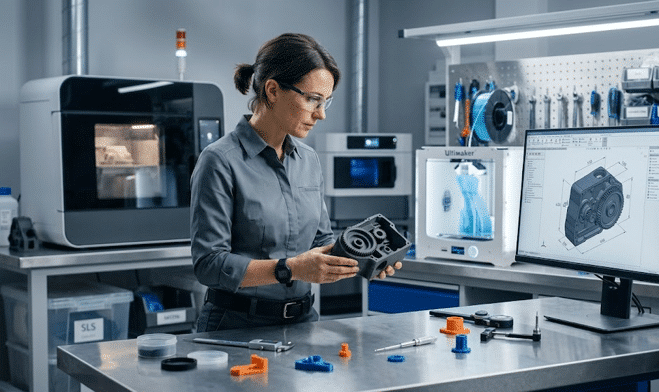
We also save on production and materials, adjusting the product to its manufacturing process. We advise you throughout the production and manufacturing process and connect you with reliable, competent suppliers.
Rapid prototyping is one of our specialties, as it provides a fast, clear, functional, and visual test of the product. We verify and check our designs to offer you the best final product.
Thanks to our product manufacturing and industrial production techniques, we deliver results in short timeframes and can compare them against previous versions. At Infinitia, we meet a company’s production goals, manufacturing your products efficiently, effectively, and to a high standard. Learn more about this industrial design and manufacturing service and discover how we can improve your company’s production and manufacturing systems.
How does Infinitia approach Product Manufacturing?
In the manufacturing process, we create products by analyzing their components and optimizing their costs. In addition, within a company’s production plan, we carry out various quality controls and assess prototypes to arrive at the best version
Our manufacturing and industrial design engineering team is responsible for organizing product manufacturing in detail, along with all the company’s production processes involved. Additive manufacturing, or 3D printing, stands out as a technique that delivers better results in our prototyping.
Infinitia’s experience in product design and manufacturing is well established. Be part of this product manufacturing process, and we will bring your idea to life. Contact us: we specialize in industrial engineering for manufacturing processes.
Benefits of product manufacturing for industrial reliability and competitiveness
Benefits
Manufacturing functional prototypes in short timeframes significantly reduces the technical risk of the project. Obtaining the first physical prototype at an early stage makes it possible to detect incorrect tolerances, incompatibilities between components, or materials unsuited to the conditions of use before these errors carry over into molds, tooling, or complete processes. Correcting a design deviation at this stage costs far less than doing so once series production is already underway, resulting in a shorter development cycle and better-protected investment.
Having flexible processes tailored to small volumes brings economic viability to pilot runs and controlled launches. Manufacturing short runs of between 10 and 500 units, using rapid prototyping or pre-molds, makes it possible to validate the product under real conditions, supply niche markets, or make design updates without tying up capital in inventory or committing to a final tooling investment. To learn more about how design is approached prior to this stage, see the industrial design service.
Technically selecting manufacturers improves product quality and shortens production ramp-up times. Having a network of validated industrial suppliers for specific technologies (precision machining, additive manufacturing, component assembly) avoids quality deviations, batch rejections, and delays that result from choices made without technical criteria, and strengthens supply chain management from the earliest stages of the project.
Technical support during industrialization ensures consistency between the designed product and the manufactured product. Decisions made during production (regarding materials, tolerances, assembly processes, or finishes) can alter functional performance if there is no ongoing oversight. Active technical assistance throughout production ramp-up ensures that design specifications are faithfully carried through to the final product and that issues are resolved with engineering judgment, without compromising the timelines or objectives of the project.
services
How does Infinitia apply product manufacturing?
-
Product Manufacturing
Prospecting and validation of suppliers for product development
Getting a quality supplier is absolutely key to ensure that each component meets the required quality standards and delivery times. At INFINITIA Industrial Consulting we…
-
 Product Manufacturing
Optimisation and simplification of parts
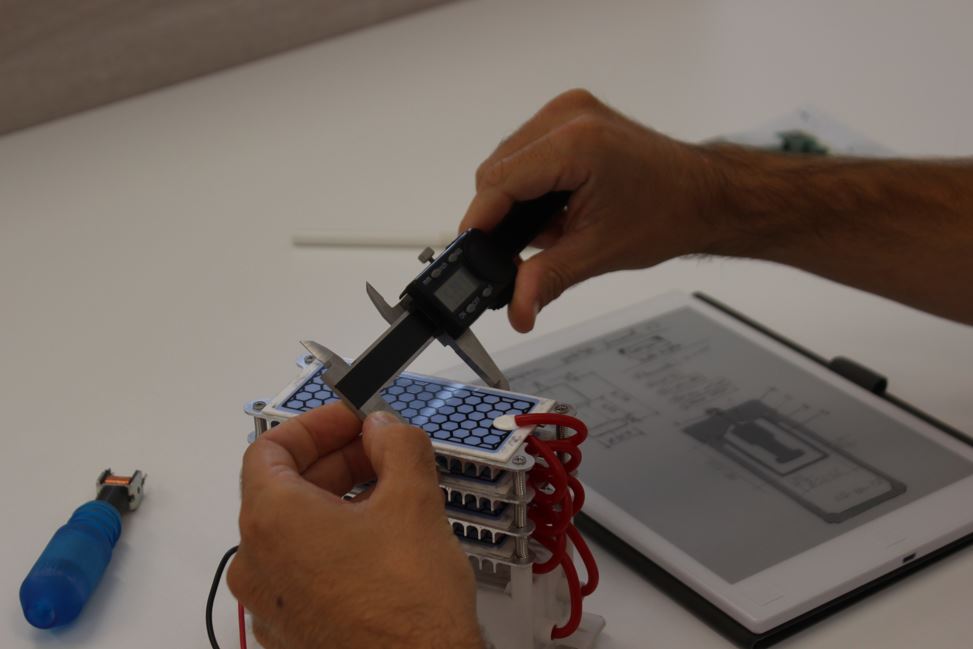
Part optimization and simplification consists of analyzing, adjusting and redesigning components to maximize their efficiency and reduce the complexity of their manufacturing and assembly. At INFINITIA…
-
 Product Manufacturing
Accompaniment during Production
Production support is a service that ensures manufacturing processes are carried out in accordance with established quality standards and requirements. We are your manufacturing process…
-
 Product Manufacturing
Design of complex tools and spare parts
The design of complex tooling and spare parts involves creating tools, auxiliary devices or spare parts whose specific geometry, critical function or demanding precision requirements prevent them from being manufactured using standard methods. At INFINITIA, we approach these projects…
Applications of product manufacturing: types of manufacturing processes for each production stage
types
Industrial product manufacturing has direct applications at every stage of a product life cycle that requires physical realization: from producing the first functional prototypes for technical validation to manufacturing pilot runs for market testing or the final industrialization of the production process. Its cross-cutting nature makes it a necessary service in practically any industrial sector that develops, updates, or launches new products to market.
INFINITIA applies its product manufacturing capability with an approach tailored to the technical objectives of each project, selecting the most suitable technologies, materials, and processes based on the volume required, the functional specifications of the product, and the available timelines. The specialized team integrates the manufacturing stage with design, testing, and validation, ensuring technical consistency throughout the entire process.
3D Printing. 1-10 units
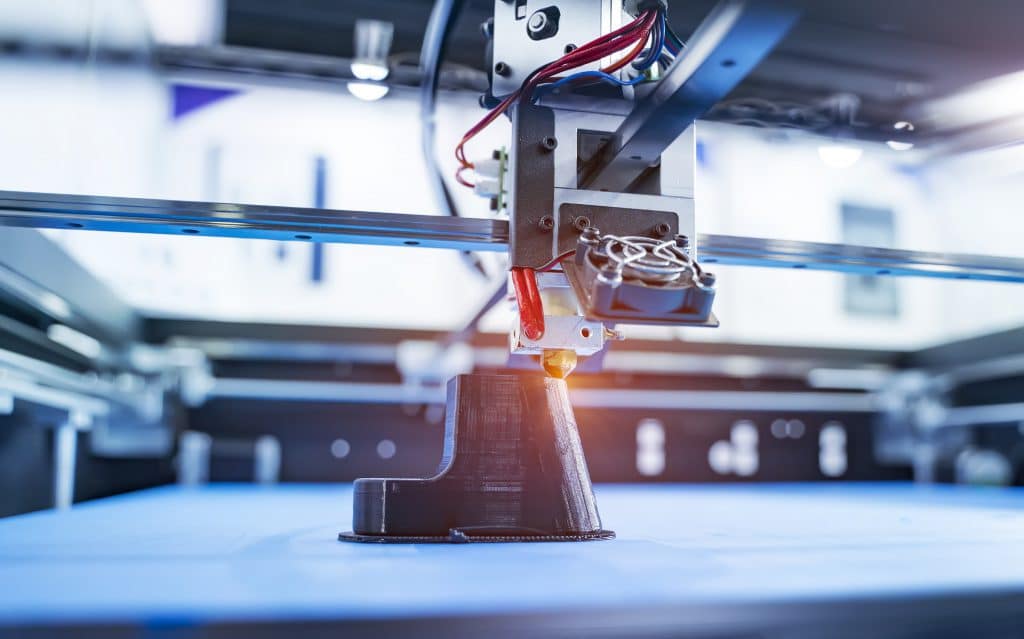
3D printing, or rapid 3D prototyping, allows us to improve the design and mechanical characteristics of a product, optimizing both its functions and manufacture. This way, we create prototypes very quickly, reducing costs and time.
An innovative process in production engineering, applicable to all types of industry, where at Infinitia we use several methods to carry it out: stereolithography (SLA) and digital light processing (DLP), selective laser sintering (SLS), fused deposition modeling (FDM), and triple jetting (Polyjet).
In this product manufacturing process, we apply different techniques within 3D printing or additive manufacturing. For example, we add layers of different substances, such as photosensitive resin or nylon, to the materials to see how they react.
We achieve the best prototyping performance by focusing on the strength and finish of the objects. At Infinitia, we specialize in production and manufacturing services for products.
Short runs. 10-500 units.
Whether through rapid prototyping or pre-molds, we can manufacture small batches or short runs of your product. This way, thanks to the use of the most innovative technology, we offer highly effective, economically viable solutions.
Short runs are therefore of particular interest to clients with highly specialized products or for the immediate market launch of a product.
Through this type of short-run manufacturing, we can review this first real version of your product, or its evolution, based on the improvements we have made. This type of strategy makes it possible to refine and customize the product, saving on costs and time. A real advantage for your business, as we optimize an industrial company’s production cycle.
Long runs. 500-1,000 units.
At Infinitia, we also carry out long runs or series production, not only through 3D printing but also by finding and selecting industrial suppliers with the right capabilities and technologies. This way, we shorten timelines while carrying out constant reviews and updates to the prototype design.
Long runs make it possible to optimize the product’s manufacturing costs, as well as develop more complex component designs. If you are looking for series manufacturing, we can help with that at Infinitia too.
Support for industrialization
Our team supports you throughout all stages of your product’s industrialization. For example, we help you select your partners: assemblers, manufacturers, and others we know firsthand and trust to deliver an optimal result.
In addition to assembly, we have the capability to evaluate the various prototypes, as well as carry out technical support work to deal with any issues that arise and find a solution to them.
Sectors where industrial product manufacturing helps accelerate development and reduce risk
Sectors
Industrial product manufacturing with external technical support applies across all sectors that develop, update, or launch physical products to market, especially those where technical validation prior to market launch is decisive for the quality, safety, or competitiveness of the final result. The ability to obtain functional prototypes on short timelines, manufacture pilot runs, and manage industrialization with engineering judgment is relevant across practically any manufacturing industry.
INFINITIA adapts its product manufacturing approach to the technical and regulatory particularities of each sector, selecting the most suitable technologies, materials, and processes based on the specific requirements of each project. The specialized team brings accumulated sector knowledge that makes it possible to anticipate the typical challenges of each industry and propose technical solutions tailored to the specific technical requirements and operating conditions of each sector.
Product manufacturing at INFINITIA to accelerate industrial development with technical rigor
Value
Industrial product manufacturing with external technical support allows companies to shorten development cycles, reduce the technical and economic risk associated with launching new products, and ensure that the product reaching series production has been validated under representative technical conditions. INFINITIA offers this service as an external technical partner, integrating manufacturing capacity, analytical rigor, and industrial vision at every stage of the process, from the first prototype through to the stabilization of production.
The impact of this service on industrial decisions is direct and measurable: obtaining functional prototypes on short timelines makes it possible to anticipate design decisions, avoid investing in molds for unvalidated designs, and detect problems before they carry over into production and series manufacturing, shortening delivery times at every stage of the project. The preventive, evidence-based approach that characterizes INFINITIA’s work turns the manufacturing stage into a tool for design optimization and project risk reduction. For companies developing a new product from scratch, this service naturally complements INFINITIA’s product development capabilities.
The economic optimization delivered by short-run manufacturing and industrialization support is one of the reasons many industrial companies turn to an external technical partner for these stages. Manufacturing smaller batches before committing to series production reduces capital tied up in inventory, limits the economic impact of design errors, and makes it possible to bring more mature products to market at a lower total development cost. Selecting the right industrial suppliers, with the technological capabilities and reliability required for each project, is another optimization factor that INFINITIA actively manages as part of the service. This integrated technical and economic management approach also extends to projects requiring failure analysis to identify and resolve problems detected during production or product use.
In sectors with strict regulatory requirements (medtech, aerospace, automotive), having an external technical partner with experience in manufacturing processes and applicable quality standards is a decisive factor for moving forward with confidence through certification and approval processes. In these environments, INFINITIA positions itself as a strategic technical partner that provides both manufacturing capacity and the documentary rigor and engineering vision needed for the development process to succeed, without incurring the risks of tackling these stages without proper technical support.
Projects
Completed Product Manufacturing Projects
-
 Redesign – new products
 Product development
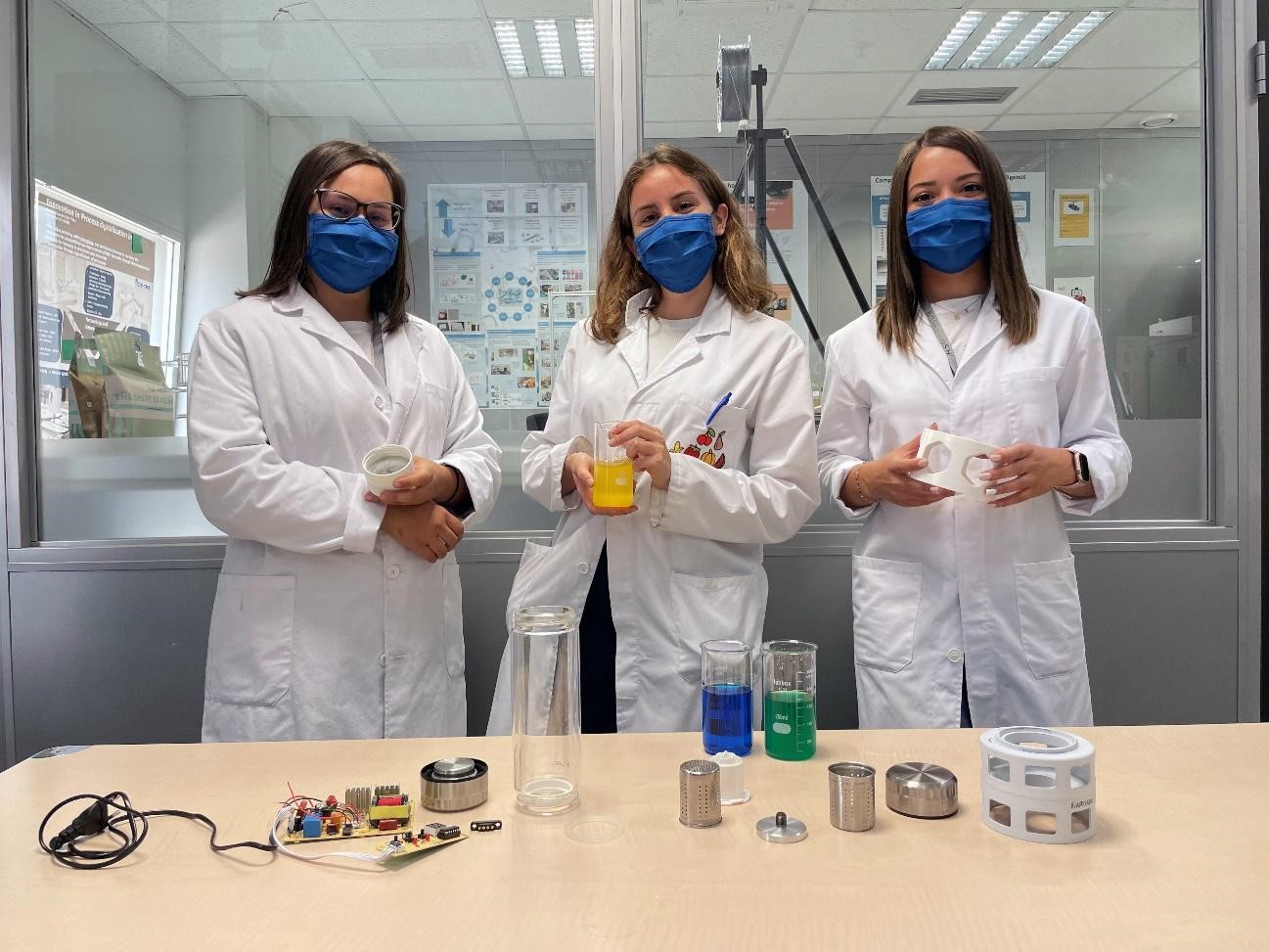
Product design and flavored waters from an interdisciplinary approach
-
 Plastics – polymers – composites
 Product development
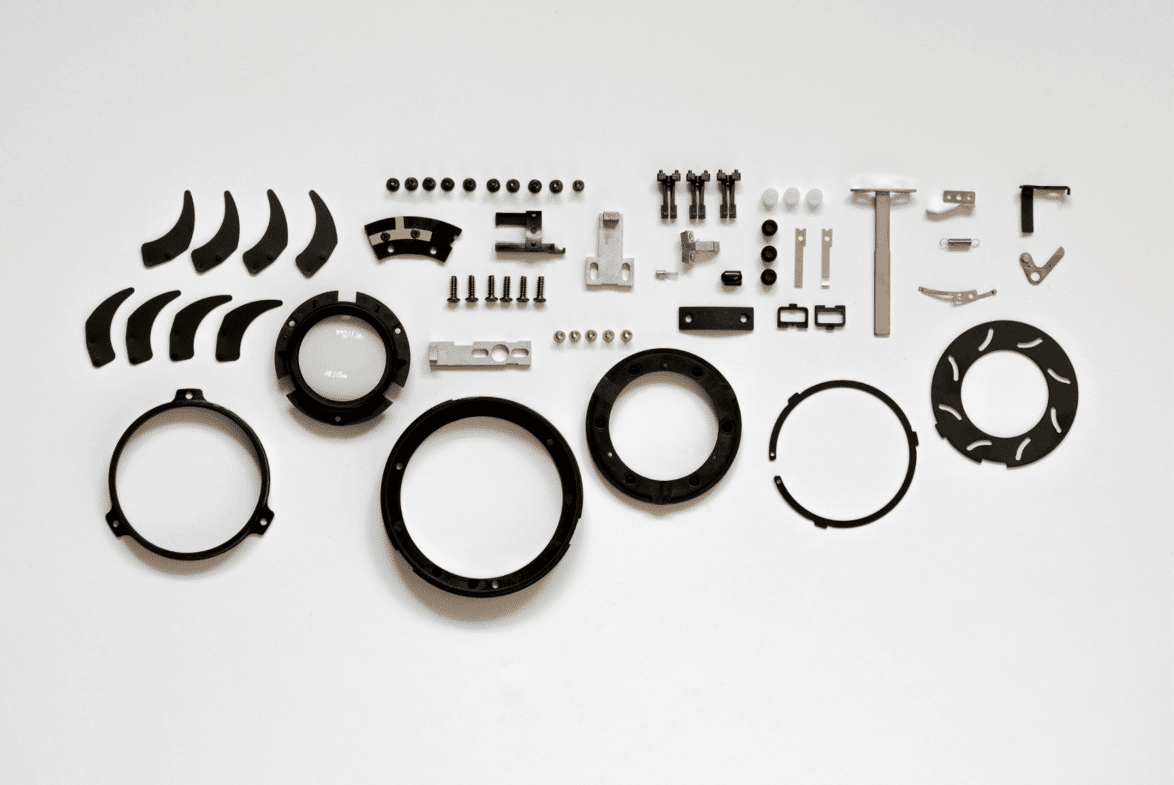
Redesign of plastic components for their manufacture and industrialization
-
 Plastics – polymers – compositesProduct development
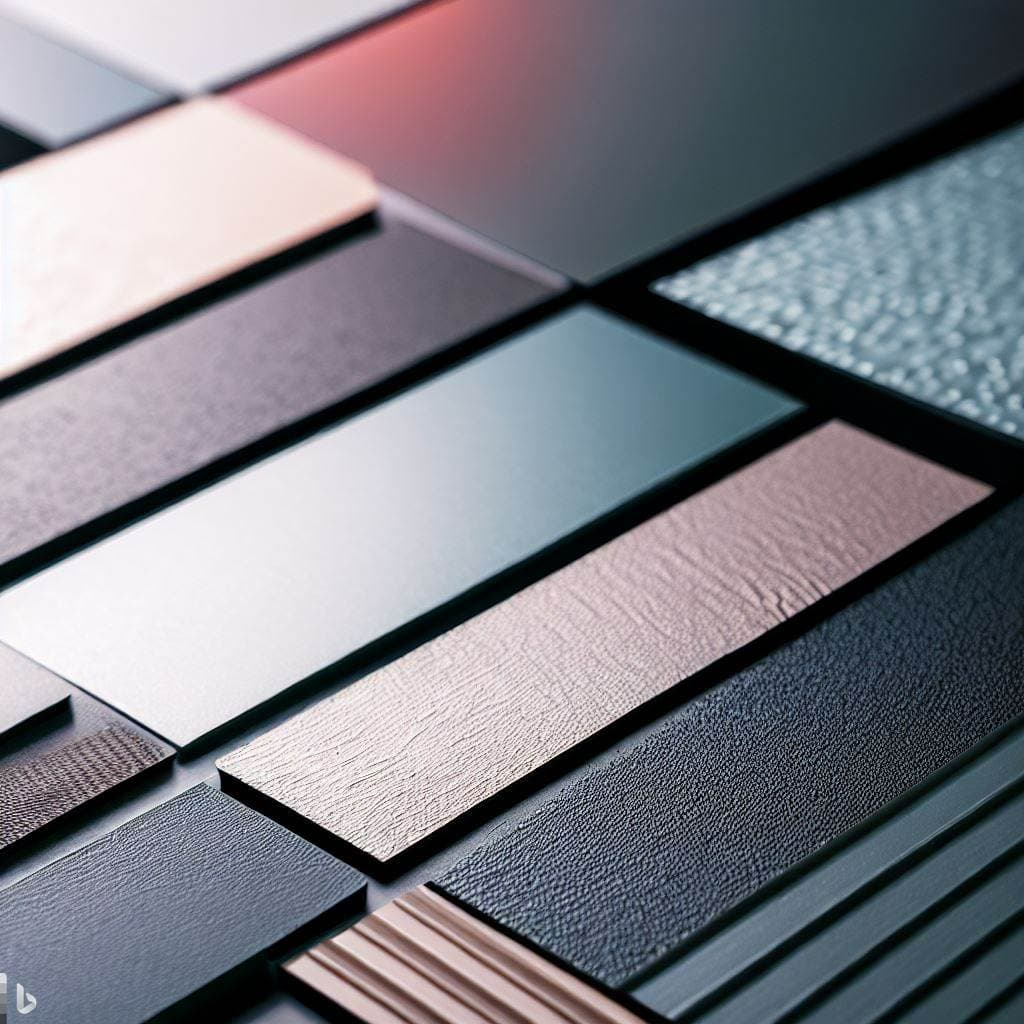
Search for new aesthetic finishes for plastic components
-
 Redesign – new products
 Product development
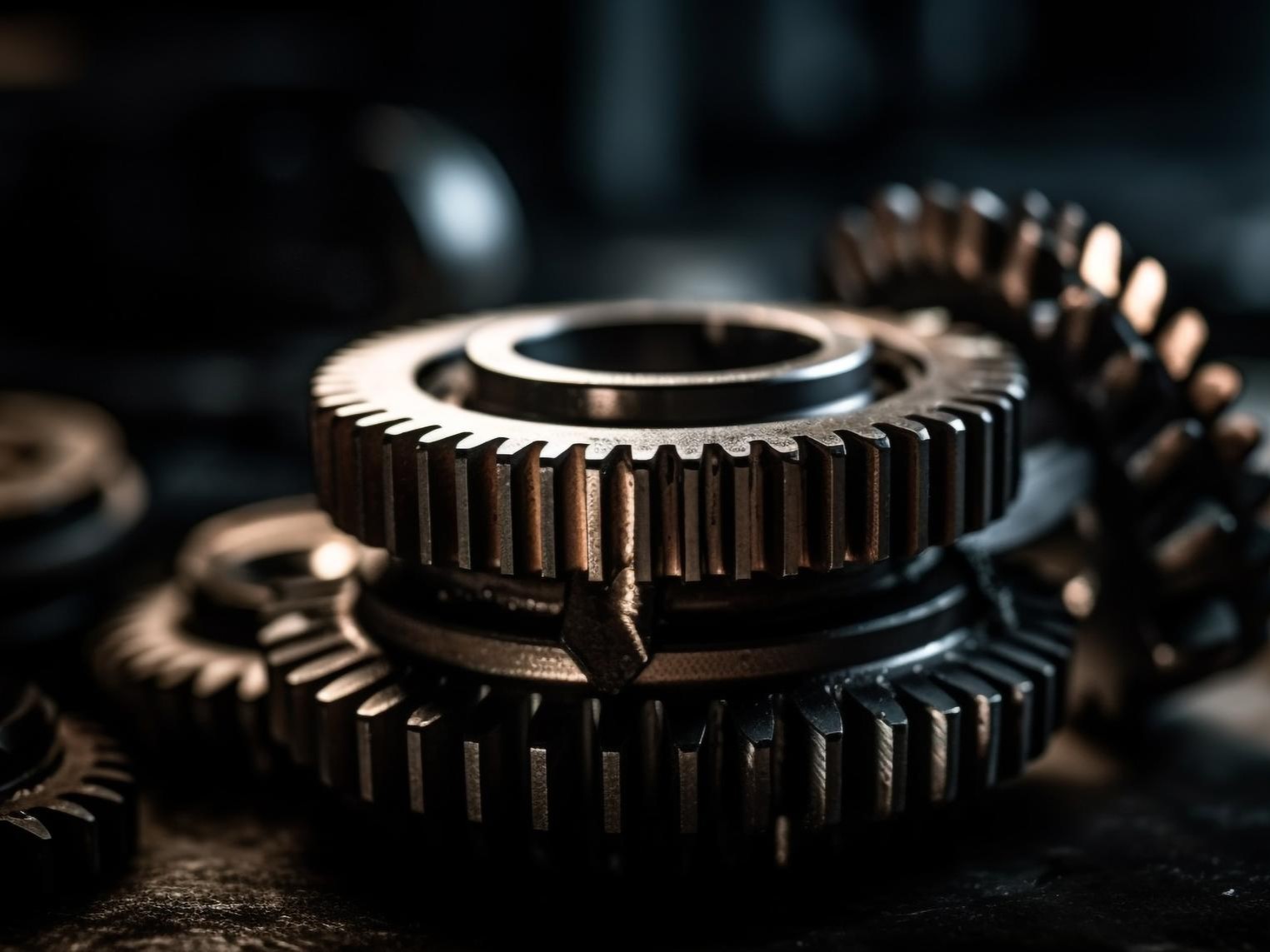
Reverse Engineering and Manufacturing of Complex Spare Parts
-
 Redesign – new productsProduct development
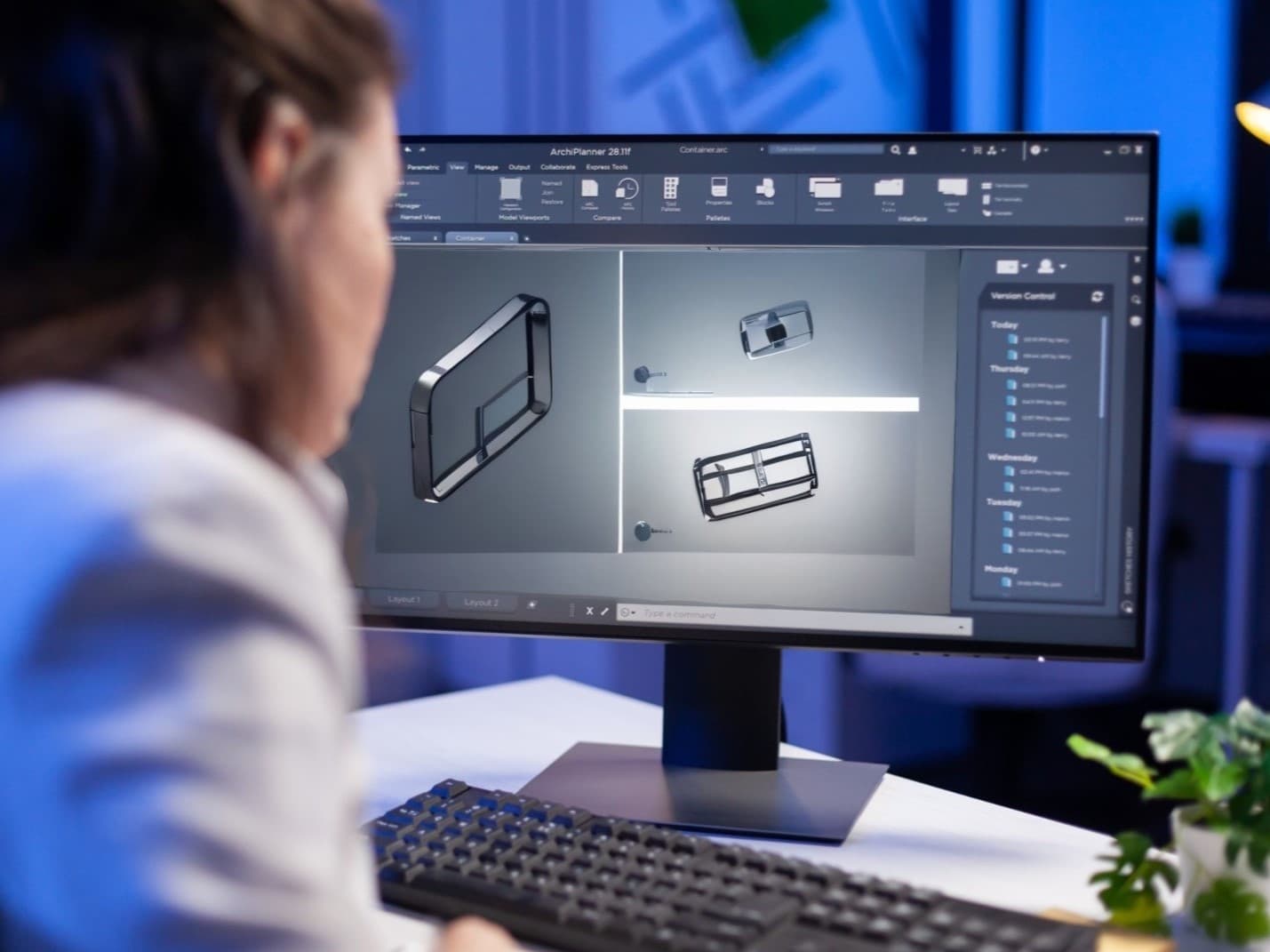
Redesign and Manufacturing of Tools for Laboratory Tests
-
 Redesign – new products
 -
 Redesign – new productsProduct development
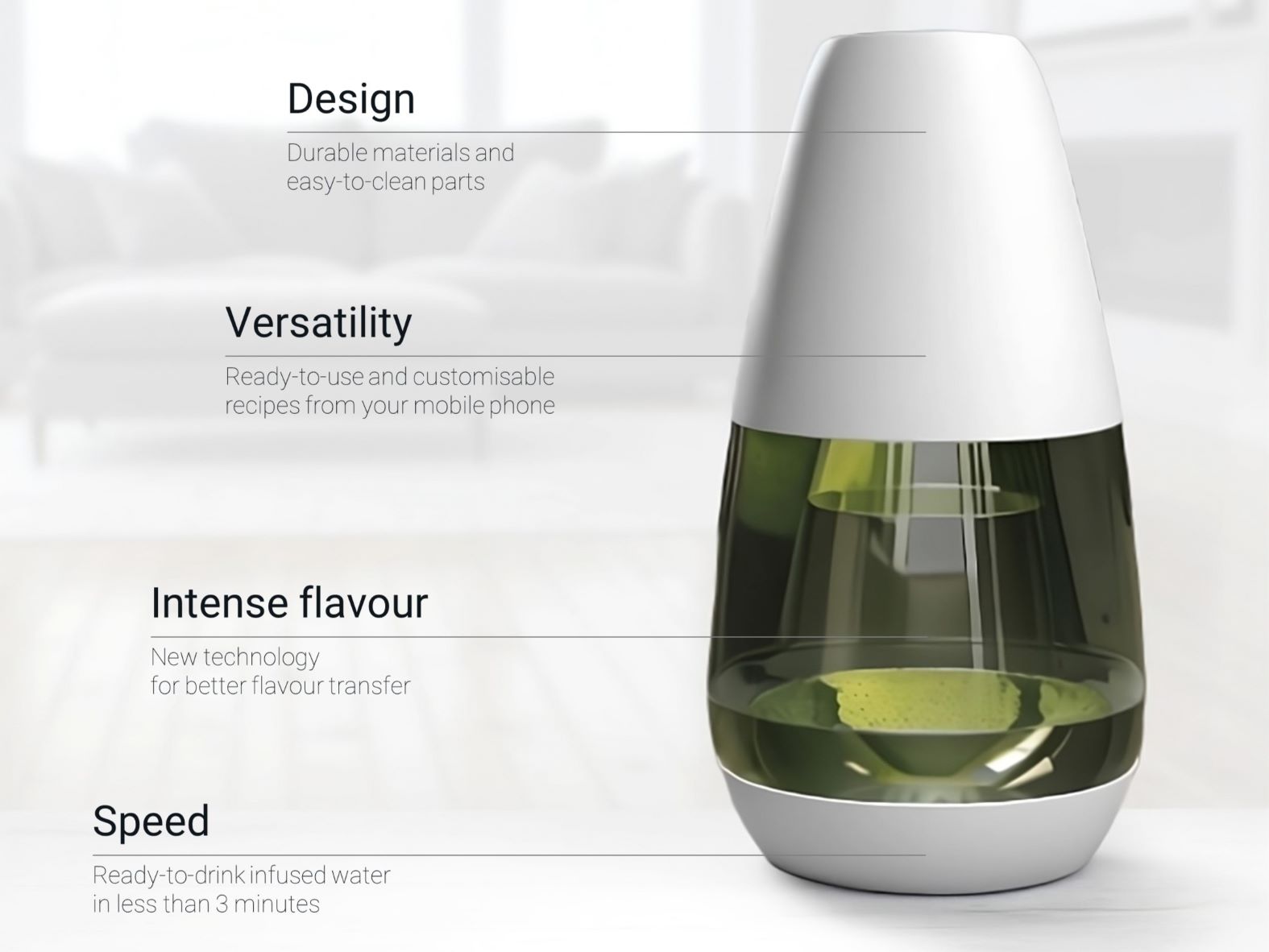
Design and development of a new device for preparing infusions
-
 Redesign – new products
-
 Redesign – new productsProduct development
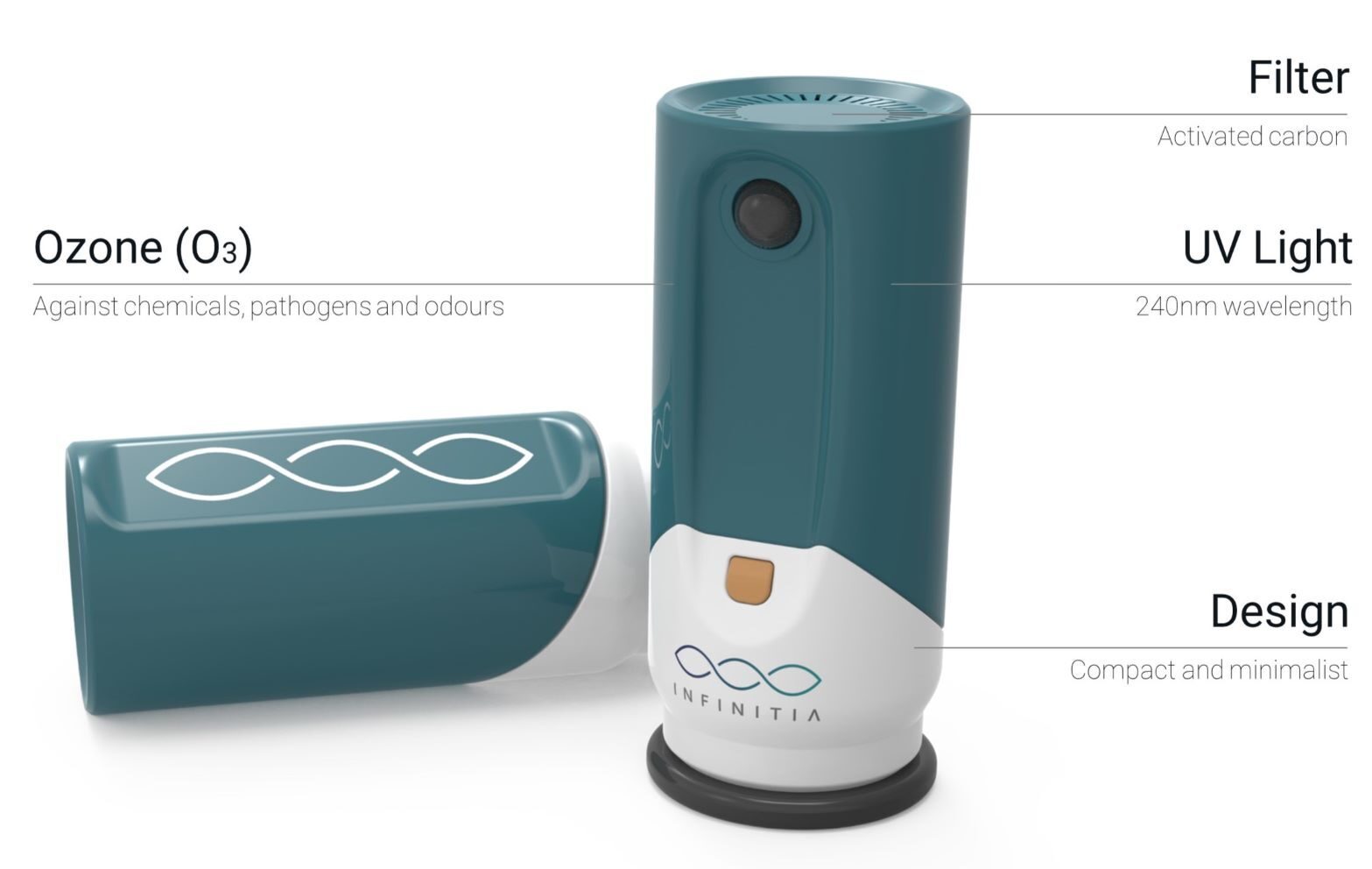
Design and Development of a New Air Purifying Device
-
 Redesign – new products
Frequently asked questions about industrial product manufacturing
FAQs
What is industrial product manufacturing?
Industrial product manufacturing is the technical process through which a validated design is turned into functional, reproducible physical units suitable for use or commercialization, applying manufacturing technologies, quality controls, and production engineering methodologies tailored to the product and the required volume. It spans everything from obtaining functional prototypes to manufacturing short or long production runs, including component optimization and the selection of industrial suppliers.
As an external technical partner, INFINITIA takes part in all these stages, providing manufacturing engineering capability, rapid prototyping, and industrialization support. The goal is to turn a design into a real product that meets the defined technical, functional, and economic requirements, reducing technical risk before committing resources to series production.
When is it necessary to use an external industrial product manufacturing service?
Turning to an external technical partner for industrial product manufacturing is necessary when the company does not have the technologies, processes, or production capacity in-house needed to bring its design to life and validate it in the stages prior to series production. Typical situations include developing a new product that requires rapid prototyping or pilot-run manufacturing, updating an existing design that needs validation before scaling up, or industrializing a product whose production requires identifying and coordinating specialized suppliers.
Outsourcing product manufacturing does not mean losing control of the project: an external technical partner such as INFINITIA works in an integrated way with the client development team, providing manufacturing capacity, engineering judgment, and supplier management, while the client retains intellectual property and technical direction of the project, with full visibility over every decision made during the process.
What happens if you go straight to series production without manufacturing prototypes or pilot runs?
Going straight to series production without having validated the design through prototyping or pilot runs means risking that design errors (incorrect tolerances, unsuitable materials, assembly problems, or unforeseen functional behavior) are detected only once a significant investment has already been made in molds, tooling, and the production process. Correcting these errors at the series production stage costs far more than detecting and resolving them during prototyping or short-run manufacturing.
In addition, product failures that reach the market without sufficient technical validation generate warranty costs, claims, and reputational damage that in many cases far exceed the cost of carrying out a prior validation phase. Manufacturing prototypes and pilot runs with specialized technical support is, in this sense, an investment in reducing the technical and economic risk of the project.
How is the most suitable manufacturing technology selected for each product?
Selecting the most suitable manufacturing technology depends on several technical factors: the geometry of the product and its dimensional complexity, the materials required based on the expected functional demands, the production volume needed, the available timelines, and the project budget. For functional prototypes requiring good mechanical properties, selective laser sintering (SLS) is usually a suitable option. For parts with high dimensional and surface finish requirements, stereolithography (SLA) or triple jetting (Polyjet) deliver better results. For conceptual prototypes with less complex geometry, fused deposition modeling (FDM) is the most cost-effective option.
This selection is made technically and objectively, assessing the characteristics of the product and the manufacturing objectives before recommending the most suitable technology. This independent technical criterion, unlinked from any preference for a specific technology, is one of the differentiating values of the work carried out by INFINITIA as an external technical partner.
What value does an external technical partner add compared to manufacturing directly with a production supplier?
A conventional production supplier carries out the manufacturing process according to the specifications provided by the client, but does not bring engineering judgment to the product design or to how well the specifications suit the manufacturing process. An external technical partner such as INFINITIA, by contrast, combines manufacturing capability with technical analysis of the design, materials evaluation, interpretation of prototype results, and specific improvement proposals that optimize both the product and the manufacturing process.
This difference is especially relevant during the prototyping and pilot-run stages, where the goal is not just to manufacture units but to obtain technical information that helps improve the design and reduce project risk. INFINITIA combines analytical rigor with practical industrial vision, an approach that differs from accredited laboratories or technology centers, which tend to focus on regulatory validation, and complements specialized manufacturers, who prioritize production efficiency.
Can real conditions of use be reproduced during manufacturing to validate product behavior?
Manufacturing functional prototypes using technologies such as SLS or FDM makes it possible to obtain parts with representative mechanical properties, which can then be subjected to testing that reproduces the expected conditions of use: static and dynamic loads, fatigue cycles, temperature variations, exposure to chemical agents, or specific environmental conditions. Validating product behavior under these conditions requires combining prototype manufacturing with the appropriate characterization and validation testing.
The specialized team integrates prototype manufacturing capability with functional validation testing, making it possible to obtain real technical evidence of product behavior before committing to series production. Bringing manufacturing and testing together under a single external technical partner simplifies project management and ensures consistency between the manufactured prototype and the testing carried out.
How does manufacturing prototypes and short runs help reduce the total cost of the project?
Manufacturing prototypes and short runs reduces the total cost of the project by making it possible to detect and correct design errors before they carry over into series production. The cost of correcting an error at the prototyping stage is significantly lower than doing so once an investment has already been made in molds, tooling, and final production processes. In addition, prior design validation makes it possible to optimize the selection of materials and manufacturing processes, reducing the unit cost of series production.
Industrialization support and the technical selection of suppliers also help reduce costs, by ensuring the selected manufacturers have the right capabilities to produce the product to the required quality, avoiding rework costs, batch rejections, and supply chain delays resulting from supplier selection made without technical criteria.
How much does a prototype or short-run manufacturing service cost?
The cost of manufacturing prototypes or short runs depends on several factors: the geometric complexity of the product, the materials required, the manufacturing technology selected, the number of units, and the available timelines. For single-unit prototypes or very short runs using additive manufacturing, costs are significantly lower than those of conventional manufacturing processes that require tooling or molds. For short runs of between 10 and 500 units, the cost depends on the type of product and the manufacturing processes applied.
INFINITIA carries out a personalized technical assessment for each project before providing a cost estimate, evaluating the product requirements and the available technology options. To request an assessment, you can contact the INFINITIA team directly.
How long does it take to get a prototype or a short run?
Manufacturing timelines for prototypes using additive manufacturing technologies (SLA, SLS, FDM, Polyjet) typically range from 1 to 2 weeks for single-unit prototypes or very short runs, depending on the complexity of the product and the finishes required. For short runs of between 10 and 500 units, timelines depend on the technology used and the volume, typically ranging from 2 to 4 weeks. In critical cases requiring an urgent response, INFINITIA can manage timelines of 1 to 2 weeks for high-priority prototypes.
Industrialization support and coordination with suppliers for long runs involves longer timelines, shaped by the production times of the selected manufacturers and by the validation and quality control stages included in the process. A detailed timeline plan is provided for every project before it begins.
Why does the manufacturing supplier say the product meets specifications but it fails in real use?
This problem is common when manufacturing specifications do not adequately reflect the real conditions of use of the product. A conventional manufacturing supplier produces according to the specifications it is given; if those specifications do not account for all the relevant variables (combined loads, fatigue cycles, environmental conditions, accumulated tolerance variations in assembly), the product may meet the manufacturing acceptance criteria and still fail when subjected to real conditions of use.
Solving this type of problem requires reviewing the manufacturing specifications from a product engineering perspective, identifying the use variables not captured in the current specifications, and defining validation tests that reproduce real conditions. INFINITIA addresses this type of analysis as an external technical partner, combining a review of the manufacturing specifications with functional testing that makes it possible to identify the root cause of the failure and propose the necessary corrections.
Why does the manufacturing problem keep appearing even after corrections have been made?
The persistence of manufacturing problems after corrections have been introduced is usually a sign that the root cause of the problem has not been correctly identified. Corrections implemented without rigorous technical analysis tend to address the visible symptoms of the problem (an out-of-tolerance dimension, an incorrect surface finish, an assembly failure) without resolving the underlying cause, which may lie in the product design, the manufacturing process, the materials used, or the interaction between several of these factors.
This type of situation is addressed through systematic technical analysis that combines a review of the design, analysis of the manufacturing process, and characterization of the materials involved, with the aim of identifying the root cause of the problem and proposing effective corrections that eliminate the failure for good. This evidence-based approach to problem-solving is one of the differentiating values of the work carried out by INFINITIA as an external technical partner in product manufacturing.
Why does the product work correctly as a prototype but fail when manufactured in series?
The discrepancy between prototype behavior and that of the series-manufactured product is one of the most common problems in industrial product development, and it usually stems from differences between the prototype manufacturing process and the series production process. The additive manufacturing techniques used for prototyping can produce parts with mechanical properties, tolerances, or finishes different from those of the final production process and compared to processes such as series plastic injection molding. If these differences are not assessed and managed during the industrialization stage, the series-manufactured product may not replicate the behavior of the validated prototype.
Resolving this discrepancy requires active technical support during the industrialization stage, ensuring that the series production process is correctly defined and validated, and that the differences between the prototype and the series product have been assessed and are functionally acceptable. INFINITIA provides this technical support as part of its industrialization support service, ensuring consistency between the validated design and the product manufactured at scale. To start this process, you can consult the INFINITIA team.