


Our customers
We are your trusted partner in industrial engineering

































Technological innovation
Technological innovation is the process by which an industrial organization transforms technical knowledge into new or substantially improved products, processes, or materials, with a measurable impact on its competitiveness. It is not limited to the incorporation of advanced technology: it ranges from the incremental improvement of a production process to the disruptive development of a product that opens up a new market.
In our materials forensic engineering laboratory, we combine advanced characterization techniques, experimental testing, and failure and root-cause analysis methodologies to study everything from composition and microstructure to actual operating conditions. This approach allows us to analyze variables related to design, manufacturing processes, assembly, or end use, generating objective technical evidence based on verifiable tests and data.
The goal is to provide a solid technical diagnosis that enables companies to correct deviations, establish accountability when necessary, and define effective actions to prevent the problem from recurring. This service is particularly relevant in industrial settings where product quality, safety, and reliability leave no room for uncertainty, thereby preventing future conflicts and potential accidents.
Talk to a specialist
Request a free initial consultation; contact a consultant from our team of specialists

What is technological innovation?
What is it?
Technological innovation is the systematic application of scientific-technical knowledge to create or improve products, services or industrial processes with a tangible benefit: more performance, lower cost, new functionalities or compliance with new regulatory requirements. It helps an industrial company respond to market, regulation or competition changes without starting from scratch or taking unnecessary risks. The importance of technological innovation lies in maintaining competitiveness in the face of these market and regulatory changes.

Unlike innovation understood as isolated creativity, industrial technological innovation is supported by evidence: bibliographic and patent review, competitor analysis, technical characterization and experimental validation. Reference frameworks such as technological maturity levels (TRL, Technology Readiness Level) allow us to situate a development in its real degree of progress, from proof of concept to industrial production, and to plan the following stages judiciously.
The service studies variables that determine the viability of any development: required functional properties, material behavior, process restrictions, regulatory requirements and objective cost. A determining phase is the technical feasibility analysis, which confirms whether the idea is feasible before committing resources. On that basis, specifications are defined, prototypes are built and scaling is planned.
INFINITIA addresses technological innovation as industrial technical consultant, not as a single trial provider. The differential value lies in integrating analysis, interpretation and decision in the same flow, so that each technical result is translated into an actionable recommendation for the client.
The technological innovation process at INFINITIA: from concept to industrial solution
INFINITIA brings a comprehensive engineering perspective to technological innovation: each project is approached from the real industrial need, not from an isolated technique. As specialized equipment external, translates a business objective (reduce cost, gain performance, meet a standard, differentiate a product) into a technical plan with stages, decision criteria and verifiable deliverables.
The work is supported by proven methodologies and tools: analysis of the state of the art, review of patents, characterization of materials and processes, prototyping and experimental validation. The phase of design and innovation articulates functional requirements with manufacturing constraints, preventing a promising concept from becoming a non-industrializable idea.
Technological innovation gains strength when it combines complementary approaches: the test provides data, the technical interpretation gives it meaning, and the engineering decision turns it into action. The technological surveillance It anticipates where the sector is evolving and what solutions are being consolidated, which allows prioritizing lines of development with greater distance.
INFINITIA’s differential lies in combining analytical rigor and industrial vision. It is not enough to characterize a material or validate a prototype: the objective is for the company to make an informed decision about its product or its process. That is why INFINITIA works as an external technical partner integrated into the client’s project, providing independent criteria throughout the entire development.
Problems that technological innovation addresses in the industry
Issues
The absence of a structured innovation method causes many developments to advance without verifying their technical viability, which results in lost investments. A project that scales without validating the real behavior of the product accumulates risks that emerge in production, when correcting them is more expensive and time-consuming. Technological innovation anticipates these risks in early phases.
The obsolescence of production processes is another recurring problem: lines designed for conditions that no longer exist generate cost overruns, losses or regulatory non-compliance. Modernizing a process requires diagnosing its technical limitations and redesigning it with engineering criteria, linking each change to its impact on quality, cost and safety. Here it connects naturally with the product development, when the improvement of the process forces us to redefine the product itself.
The lack of differentiation compared to the competition compromises margins and market position. Without an analysis of the state of the art and existing solutions, a company repeats paths already taken or invests in easily replicable proposals. Technological innovation identifies the real space of technical differentiation and guides the effort towards where it provides a defensible advantage.
Finally, dependence on suppliers or non-validated technologies introduces uncertainty into the value chain. Without technical verification, a seemingly equivalent material or component may compromise the reliability of the final product. Without this service, innovation decisions are made on assumptions, and the cost of error is passed on to the most expensive phases of the lifecycle.
What benefits of technological innovation does INFINITIA provide?
INFINITIA brings to each technological innovation project a combination of engineering criteria, analytical capacity and industrial vision, aimed at improvement of products and services industrial. Understanding the client’s technical needs and their way of working allows us to provide a solution tailored to their productive reality, and not a generic response. As external technical partner, INFINITIA works daily alongside companies, factories and technology centers, relying on a specialized equipment which brings together different branches of knowledge and a constantly growing network of technical collaboration.
This approach covers the entire range of needs, from incremental improvements to disruptive innovations. Thanks to technological innovation, the main benefits for an industrial company are:
- Adaptation to the evolution of the sector: anticipate technical, regulatory and market changes to respond to new demands without starting from scratch.
- Product quality improvement: Link each development decision to measurable properties and their behavior under real service conditions.
- Process improvement production: reduce costs, losses and deadlines through the technical redesign of the manufacturing line.
- Custom solution: a development adjusted to the specific needs of the client, not a standard proposal.
- Evidence-based decisions: contrast hypotheses with experimental characterization and validation, reducing risk at each milestone of the project.
- Comprehensive support: independent technical criteria throughout the entire cycle, from concept to industrial scale-up.
Applications of technological innovation to accelerate industrial development
Applications
The applications of technological innovation are transversal: they cover the entire development journey, from verifying that an idea is viable until its arrival in production. Each application answers a specific question in the innovation cycle and provides decision criteria based on technical evidence.
INFINITIA addresses these applications in an integrated way, as an industrial technical consultant. Instead of resolving separate phases, it connects analysis, validation and decision so that development advances with controlled risk and without breaks between stages.
Technical feasibility analysis of a new development
The technical feasibility analysis determines whether a product or process idea is feasible with the technology, materials and resources available, before committing investment. Evaluates functional requirements, expected behavior of materials, manufacturing restrictions and applicable regulatory requirements. It is the phase that separates an intuition from an industrializable project and the one that most reduces the risk of technical failure.
This application allows you to decide whether to advance, reorient or stop a development with objective criteria, which avoids investments in unviable lines and reallocates resources towards options with a real path. INFINITIA, as an external technical partner, provides the independent analysis that supports this decision, integrating the behavior of the materials with the real conditions of use.
A rigorous feasibility analysis turns initial uncertainty into a clear map of technical opportunities and constraints. It is the foundation on which any solid technological innovation is built, because it conditions all subsequent design, testing and scaling decisions.
Development of new industrial products
The development of new industrial products transforms a functional specification into a manufacturing, verified and competitive product. It covers the definition of requirements, the selection of materials, technical design, prototyping and validation against real service conditions. Each design decision is linked to a measurable property and a process constraint.
This application allows you to make informed decisions about materials, geometries and processes, anticipating manufacturing or performance problems before the series. The impact translates into fewer iterations, shorter deadlines and a product with a better performance-cost ratio. INFINITIA accompanies this process by providing independent technical criteria at each milestone.
Well-structured product development reduces the risk of late redesigns, the most costly in the life cycle. Turn an idea into a proven industrial solution, ready to scale with guarantees of quality and reliability.
Innovation and improvement of productive processes
The innovation of production processes consists of redesigning or modernizing the way of manufacturing to gain efficiency, reduce waste or adapt to new regulatory and market demands. It starts from the technical diagnosis of the limitations of the current process and the identification of the critical variables that determine the quality and cost of the final product.
This application allows you to prioritize improvements with the greatest technical and economic return, avoiding investments in low-impact changes. Replace obsolete processes, optimize parameters or adopt new technologies manufacturing allows increase productivity, reduce consumption and reinforce traceability. INFINITIA provides the industrial vision that connects each process change with its effect on the product.
Process improvement is one of the ways of technological innovation with the most measurable results in the short term. Optimizing how it is manufactured usually releases value without the need to redesign the product, which makes it a lever for immediate competitiveness.
Technological surveillance and state of the art
Technological surveillance is the systematic analysis of the technical evolution of a sector: emerging technologies, patents, competitive solutions, consolidated lines of research and research projects reference. It establishes the state of the art on which to place any innovation project and delimits the real space of technical differentiation available.
This application allows us to direct the innovation effort towards where it exists and avoid reinventing already patented or outdated solutions. Anticipating where technology evolves reduces the risk of investing in developments with foreseeable obsolescence. INFINITIA integrates this surveillance into the definition of the client’s technical roadmap, connecting it with the prospecting and selection of suppliers when the solution requires external technologies or materials.
A good analysis of the state of the art turns innovation into an informed decision and not a gamble. It places each project in its competitive and technical context, which improves the quality of strategic development decisions.
Industrial scaling and proof of concept
Industrial scaling is the transition from a validated solution at prototype scale to its production under real conditions and representative volumes. The previous proof of concept demonstrates that the technical principle works; Scaling verifies that it is maintained when process conditions, volumes and raw material variability change.
This application allows you to identify and solve problems that only appear when increasing scale: behavioral variations, process bottlenecks or quality deviations. Anticipating them prevents a promising development from failing precisely in the industrialization phase. INFINITIA accompanies the scaling by providing technical analysis at each leap in technological maturity.
Scaling is the point where the value of technological innovation is realized. A solution that works in stable and reproducible production is the only one that generates returns; the rest remains unrealized potential.
Prospecting and validation of technological suppliers
The prospecting and validation of technological suppliers identifies, evaluates and contrasts external sources of materials, components or technologies necessary for development. Verifies that each supplier meets the actual technical requirements of the project, beyond the stated specifications, through characterization and testing where appropriate.
This application allows sourcing decisions to be made based on technical evidence and not only on commercial documentation, which reduces the risk of incorporating components that compromise the reliability of the product. Technically validating a supplier before integrating it avoids serial surprises. INFINITIA provides the independent criterion that distinguishes real equivalences from apparent equivalences.
A technically validated supply chain is a competitive asset. It ensures that innovation is based on proven components and that the proposed equivalences withstand real service conditions.
services
How do we approach the different types of technological innovation in each project?
Technological innovation at INFINITIA is based on combining various technical capabilities that are deployed depending on the project’s objective, whether it is an incremental improvement or an entirely new development.
This modular approach allows us to adjust the depth of the study and select the most appropriate tools for each case, ranging from improving an existing product to defining a disruptive solution. We carry out both fully customized research and innovation projects and more applied developments.
Below are the four perspectives that are integrated into a technological innovation project.
-
 Technological innovation
R&D strategic consulting
However, to carry it out successfully, we need to know exactly what you really need. That’s why we created this Infinitia innovation consultancy: a space for…
-
Technological innovation
Product Improvement Consulting
Higher quality, more features, lower costs.
-
Technological innovation
Innovative solutions
The service falls within the field of materials innovation, a discipline that ranges from the incremental improvement of a formulation to the disruptive development of…
Examples of technological innovations: sectors where it allows you to compete with guarantees
sectors
Technological innovation is transversal to the industry: it provides value where there are demands for performance, reliability or regulatory compliance that require the development or improvement of products and processes with technical criteria. Each sector imposes specific service conditions, materials and regulations that condition the development approach.
INFINITIA adapts its approach to the technical reality of each sector. As an external specialized team, it adjusts methodologies, tests and validation criteria to the specific requirements of each industry, without applying generic solutions to specific problems.
Technological innovation in aeronautics and defense: advanced materials, greater performance and technical differentiation
The aeronautical and defense sector seeks lighter, stronger and more efficient components than their predecessors, capable of operating under extreme loads and severe thermal cycles. Technological innovation is aimed at gaining performance and opening a technical difference compared to the competition without giving up reliability in critical conditions.
- The leap in performance in advanced materials: new materials or treatments that provide greater resistance, lower weight or better thermal behavior.
- Competitive product differentiation: own technical solutions that are difficult to replicate that position the manufacturer against its rivals.
- Reliability under extreme loads: The development must guarantee stable behavior under fatigue, temperature and aggressive environments.
In this sector, technological innovation makes it possible to improve the product and differentiate it technically while maintaining the reliability required by each application. INFINITIA addresses these challenges by integrating material characterization and engineering criteria, so that each advance translates into a real performance and competitive advantage.
Technological innovation in chemistry and petrochemistry: new processes, material compatibility and corrosive environments
The chemical and petrochemical industry faces processes under severe conditions of temperature, pressure and chemical aggressiveness, where innovation focuses on both the process and the resistance of the materials. Chemical compatibility and component durability are critical factors in any development.
- Chemical compatibility of materials: each solution must resist the process medium without degrading or contaminating.
- Optimizing severe processes: The improvement of parameters directly affects performance, consumption and safety.
- Corrosion resistance: Development must anticipate degradation mechanisms in aggressive environments.
In chemistry and petrochemistry, technological innovation makes it possible to modernize processes and materials, reducing operational risks. INFINITIA provides the technical analysis that connects the behavior of materials with the real conditions of the industrial process.
Technological innovation in automotive and mobility: thermal management, new materials and component reliability
Automotive and electric mobility concentrate innovation challenges in thermal management, energy storage, lightweighting and reliability of components subjected to demanding cycles. The pace of evolution in the sector requires solutions to be developed and validated quickly and without compromising security.
- Thermal management of components: the development must guarantee dissipation and stability under conditions of intensive use.
- Structural lightening: The replacement of materials affects autonomy and efficiency without losing performance.
- Reliability under cycling– Components must withstand repeated thermal and mechanical cycling throughout their useful life.
In electric mobility, technological innovation allows us to accelerate the development of reliable and efficient components. INFINITIA accompanies these projects by providing technical validation in each phase, from concept to scaling.
Technological innovation in the railway sector: durability, safety and long-life materials
The railway sector requires long-life components subjected to fatigue, wear and variable environmental conditions, with strict safety and maintenance requirements. Innovation is aimed at durability, maintenance reduction and regulatory compliance.
- Durability against fatigue: The development must ensure long service life under cyclic loads.
- Wear resistance: Material selection determines maintenance intervals and life cycle cost.
- Structural safety: each innovation must demonstrate reliable behavior in the face of real requests.
In the railway sector, technological innovation makes it possible to improve components, extending their useful life and reducing maintenance costs. INFINITIA addresses these challenges by combining materials characterization with a focus on long-term reliability.
Technological innovation in capital goods and industrial machinery: new components, greater performance and differentiation
The capital goods and industrial machinery sector competes in performance, reliability and operating costs, which turns product and process innovation into a direct lever of competitive advantage. Technological innovation is aimed at developing components and solutions that perform better, last longer or are manufactured more efficiently than those of the competition.
- Component performance: new materials, geometries or treatments that improve performance and reduce wear in service.
- Manufacturing efficiency: optimized processes that reduce cost and time without compromising the quality of the equipment.
- Competitive differentiation: own technical solutions that are difficult to replicate that position the manufacturer against its rivals.
In capital goods and industrial machinery, technological innovation allows improving the product and its manufacturing process to gain competitiveness in performance and cost. INFINITIA addresses these challenges by integrating materials characterization and engineering criteria, so that each advance translates into a real advantage in performance and reliability.
Technological innovation in energy and renewables: new materials, greater efficiency and durability
The energy and renewables sector promotes the development of materials and processes capable of increasing conversion efficiency, prolonging the useful life of components and reducing the cost of generation. Technological innovation is aimed at gaining performance and differentiating the solution compared to conventional alternatives in a very competitive market.
- Component Efficiency: new materials and treatments that improve performance and reduce energy losses.
- Durability in demanding conditions: the development must resist weathering, thermal cycles and prolonged degradation without losing performance.
- Competitive differentiation: proprietary technical solutions that reduce the cost per unit of energy or extend the operating range of the product.
In energy and renewables, technological innovation allows us to improve products and processes to compete in efficiency and cost throughout their useful life. INFINITIA addresses these challenges by connecting actual material behavior to service conditions, so that each advancement translates into a measurable performance advantage.
Advantages of technological innovation at INFINITIA for sustainable competitiveness
worth
Technological innovation generates competitive advantage when it is supported by technical evidence and is oriented towards an industrial decision. INFINITIA converts knowledge into product and process: analyzes feasibility, develops the solution, validates its behavior and accompanies scaling, integrating all phases into the same technical workflow. The result is a development with controlled risk and complete traceability.
The impact on industrial decisions is direct. A preventive approach, based on data and the real behavior of materials and processes, avoids late redesigns and production failures. The ability to anticipate problems through characterization and validation reduces the uncertainty of each milestone. When a development presents anomalous behavior, the failure analysis provides the root cause that allows you to correct course before escalating.
Well-planned technological innovation also optimizes economic and operational results. Prioritizing the development lines with the longest journey, validating suppliers and materials before integrating them and improving production processes releases value without unnecessary investments. The work done by INFINITIA show how this approach translates technical effort into concrete product and process improvements.
In regulated sectors (aeronautics, pharmaceuticals, railways or petrochemicals), where regulatory compliance and reliability are market conditions, having an external technical partner that combines analytical rigor and industrial vision makes the difference. INFINITIA positions itself as a strategic technical partner throughout the entire innovation cycle, providing independent criteria so that each industrial company makes development decisions with a technical basis.
Projects
How do we apply technological innovation to each project?
-

 Laser
Laser Technological innovation
New ways to color metal by laser decoration
-
 Glass – ceramics – stone
 Technological innovation
Coatings to prevent glass scratching
-
 Food – microorganims – disinfection
 Technological innovation
Determination of the microbiological evolution during fermentation
-
 Food – microorganims – disinfectionTechnological innovation
Evaluation of the antimicrobial properties of a device for food disinfection
-
 Food – microorganims – disinfectionTechnological innovation
Ultrasound for food safety improvement
-
 Food – microorganims – disinfectionTechnological innovation
Plant proteins, new ingredients for healthy and sustainable foods
-
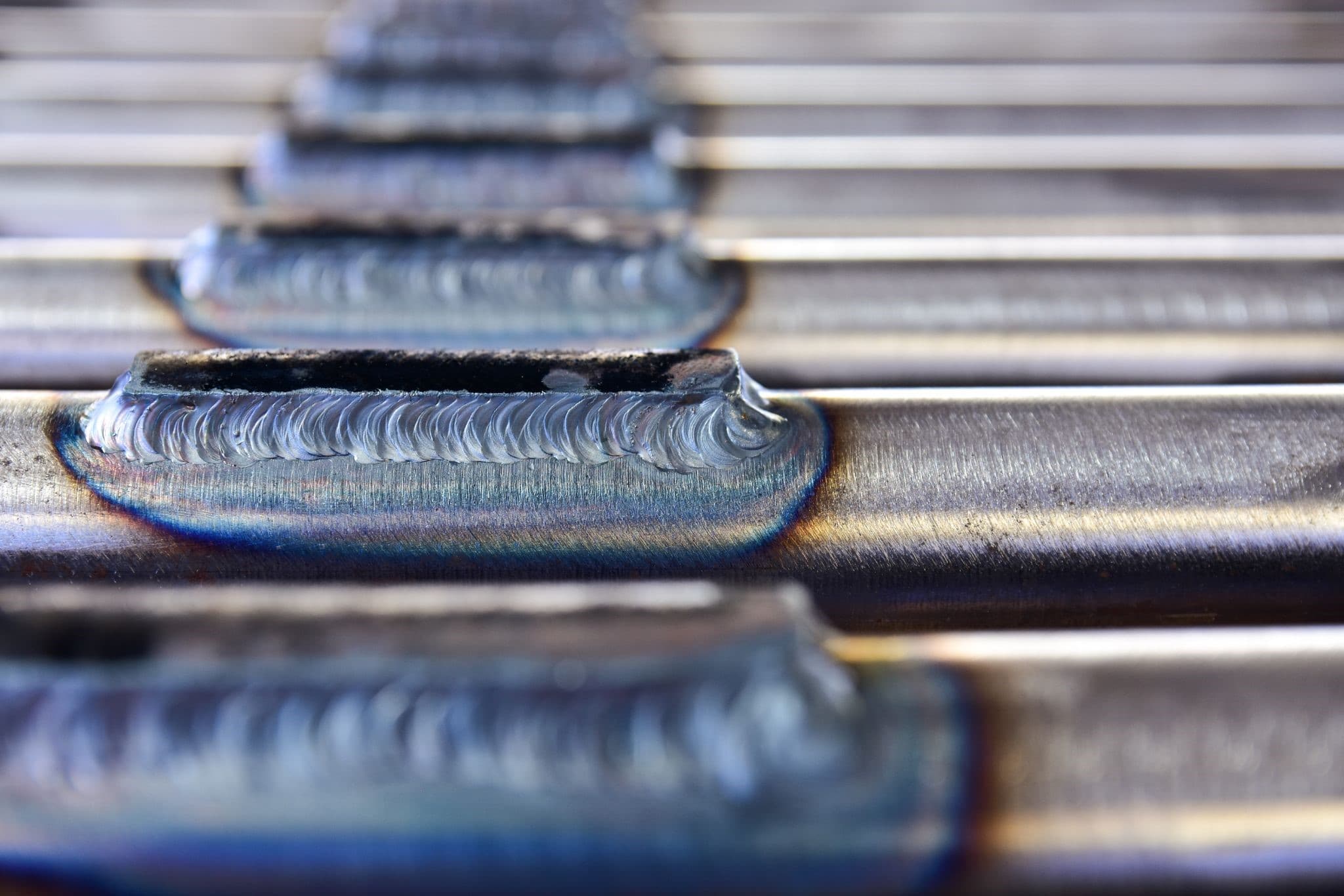 Metals – alloys – weldsTechnological innovation
Optimal weld design of metallic materials
-
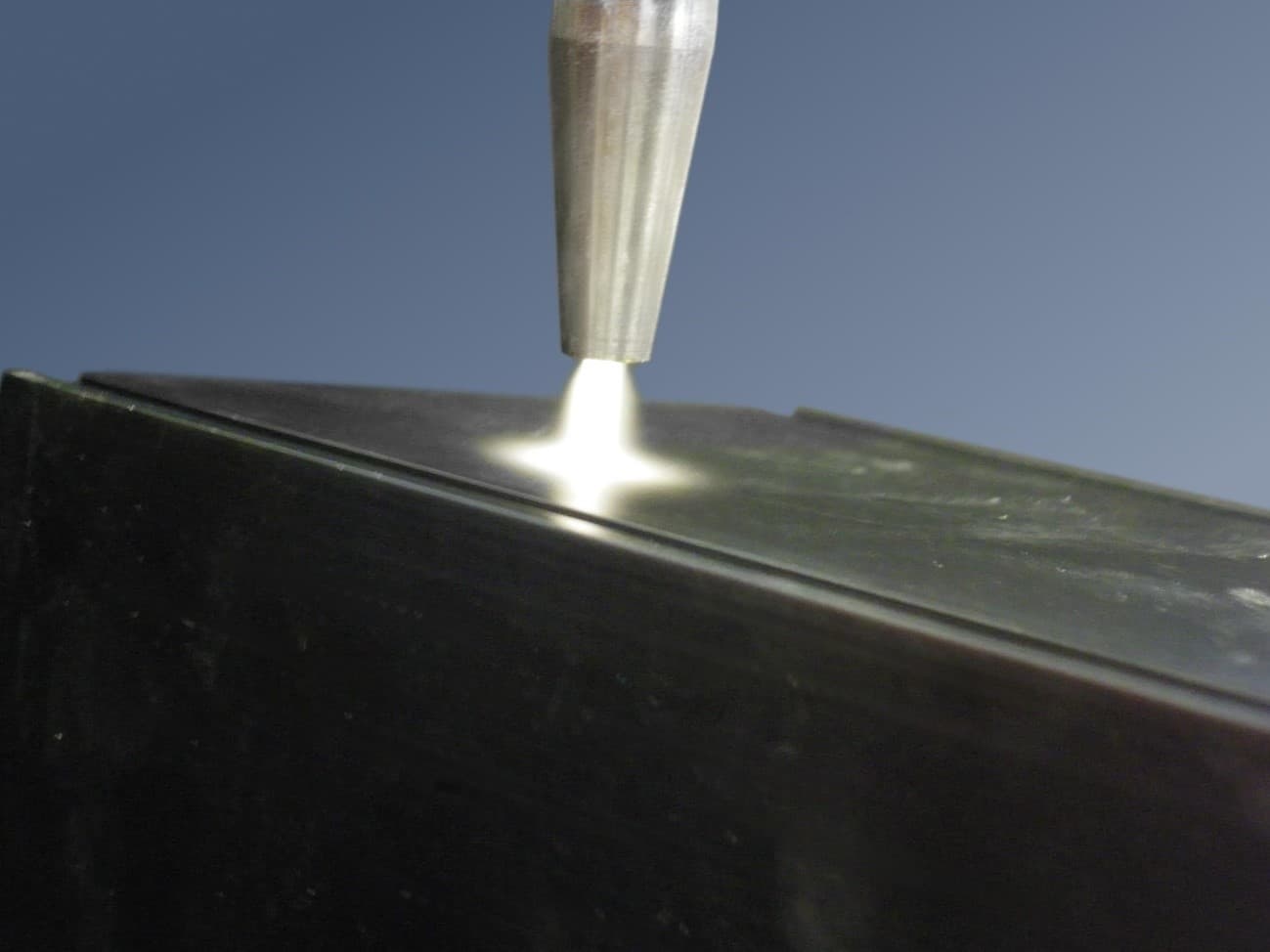 Ozone – ionizers – plasmaTechnological innovation
Plasma application in food packaging to extend food shelf life
-
 3D printing – MVP – MLPTechnological innovation
3D metal printing using Binder Jetting technology
-
 Food – microorganims – disinfectionTechnological innovation
Design and training of panelists for food tastings
-
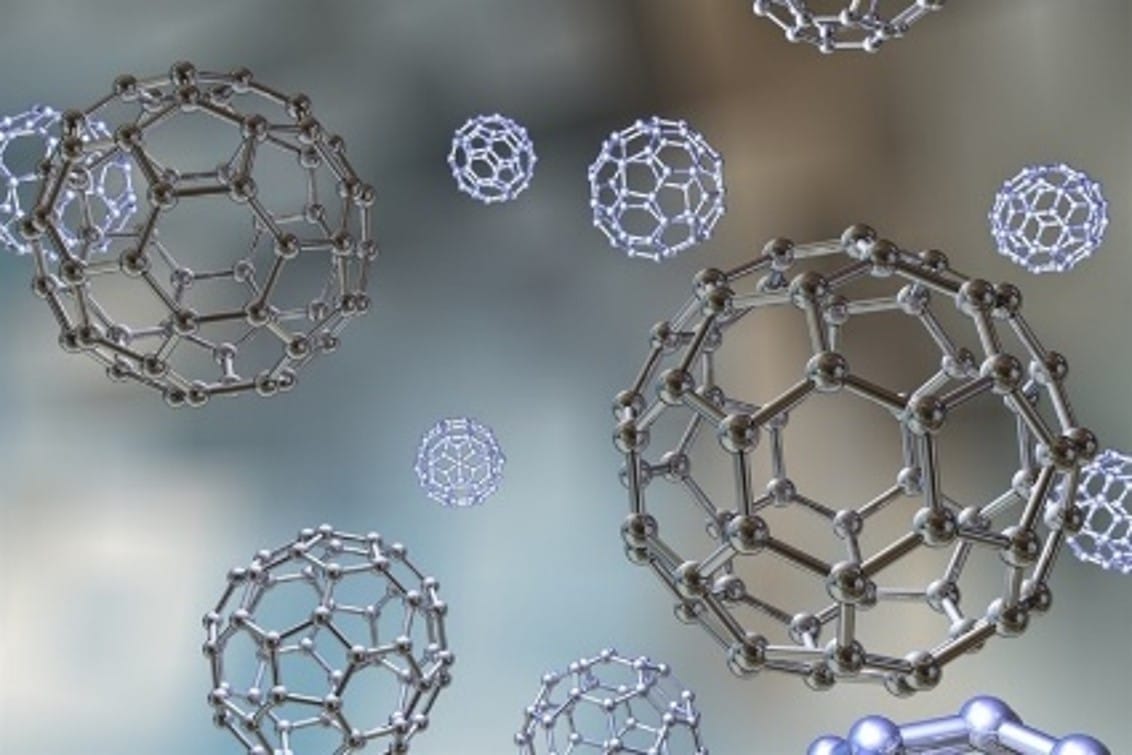 Chemicals – detergents – oilsTechnological innovation
Improvement of refrigerants with nanomaterials
-
 Plastics – polymers – compositesTechnological innovation
State of the art of new materials for light guides
-
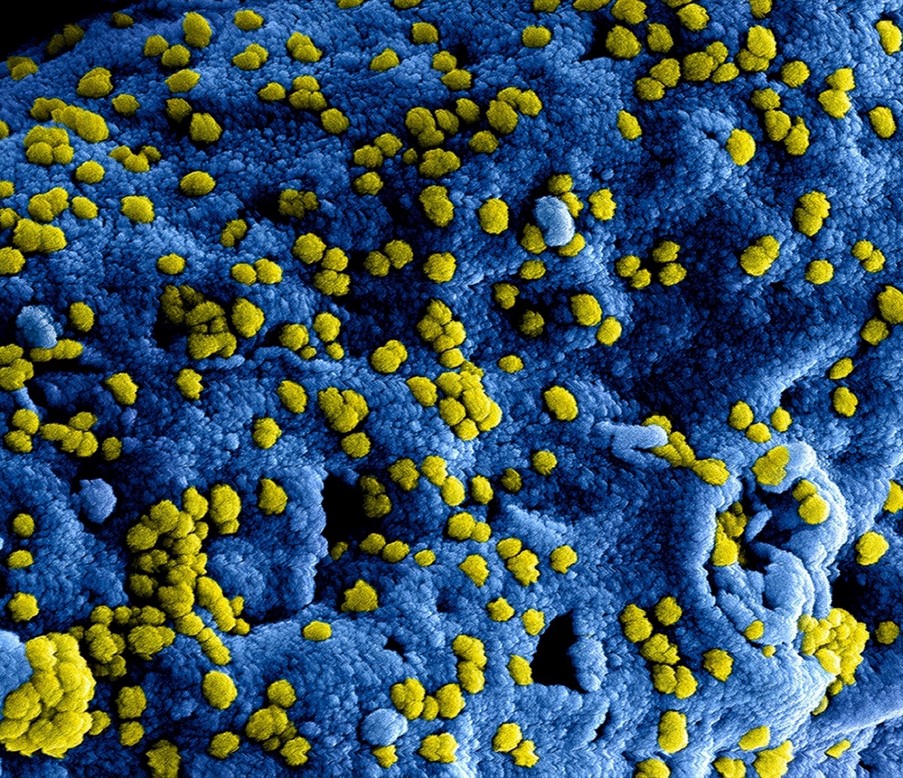 Plastics – polymers – compositesTechnological innovation
Plastics optimization with a new antimicrobial additive
-
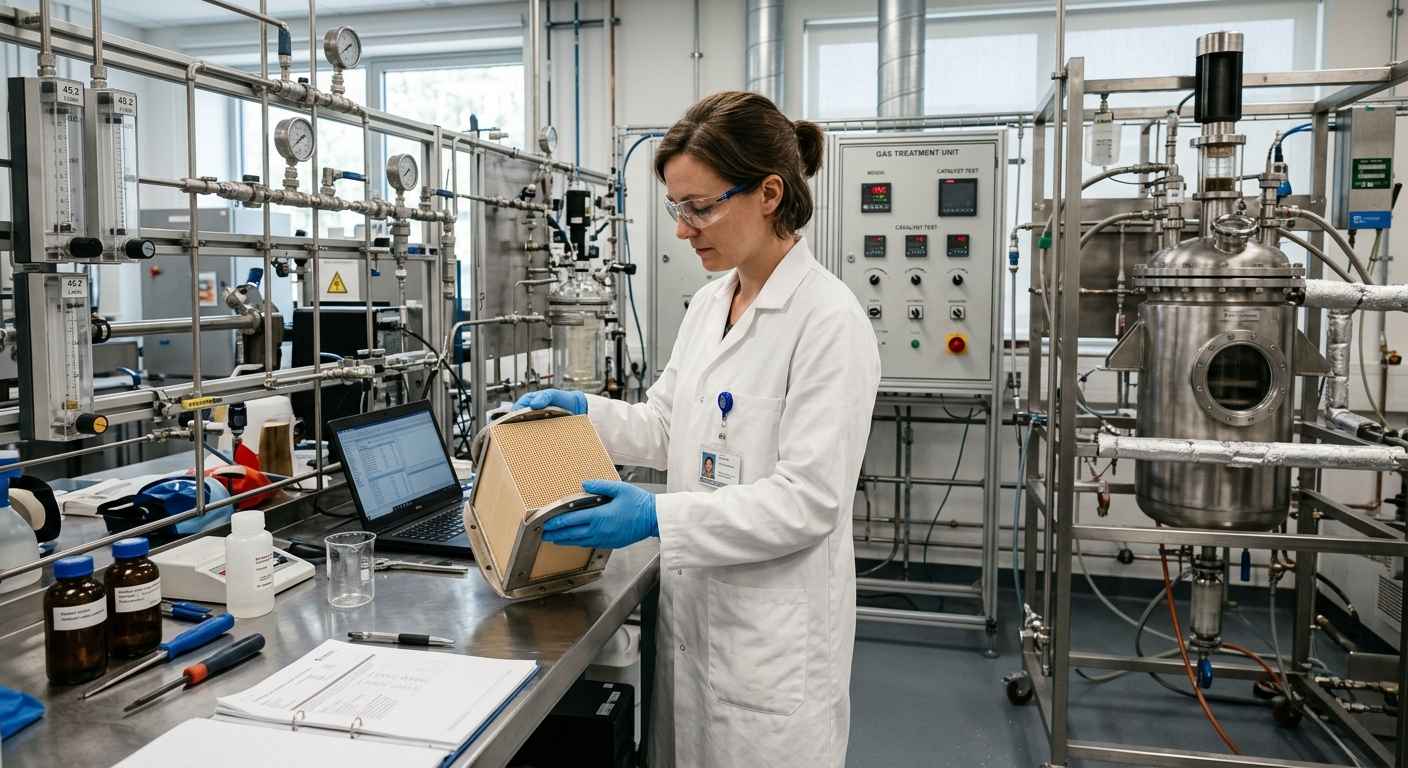 Catalysts – photocatalysis – electrocatalysts
 Technological innovation
Development of catalyst-based filters to remove industrial gases and odors
-
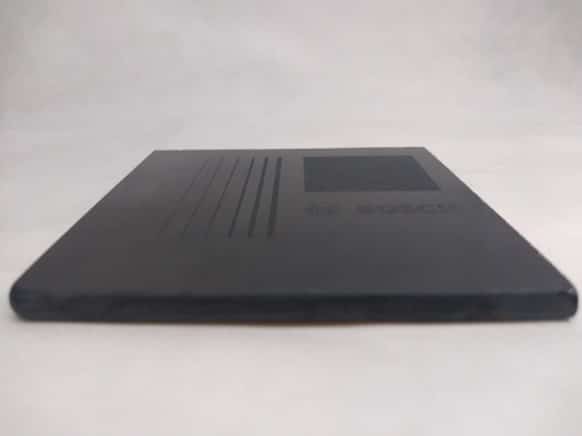 Glass – ceramics – stoneTechnological innovation
New materials through modifications of the surface finish on glass
-
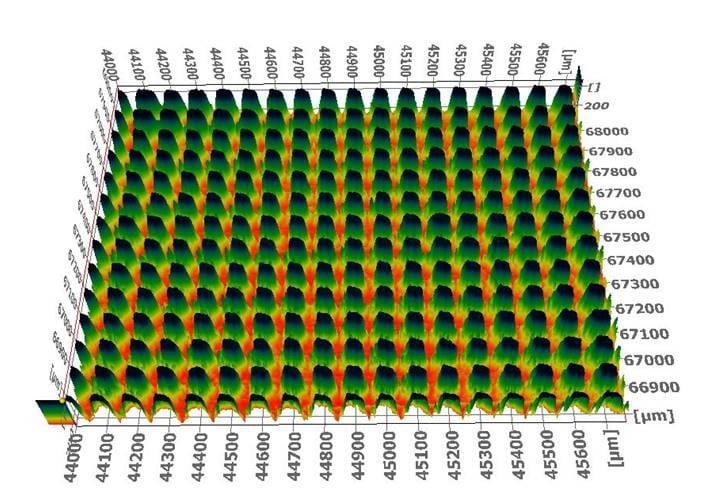 Plastics – polymers – compositesTechnological innovation
New materials through surface finish modifications in plastics
-
 Food – microorganims – disinfectionTechnological innovation
Food optimization for 3D printing
-
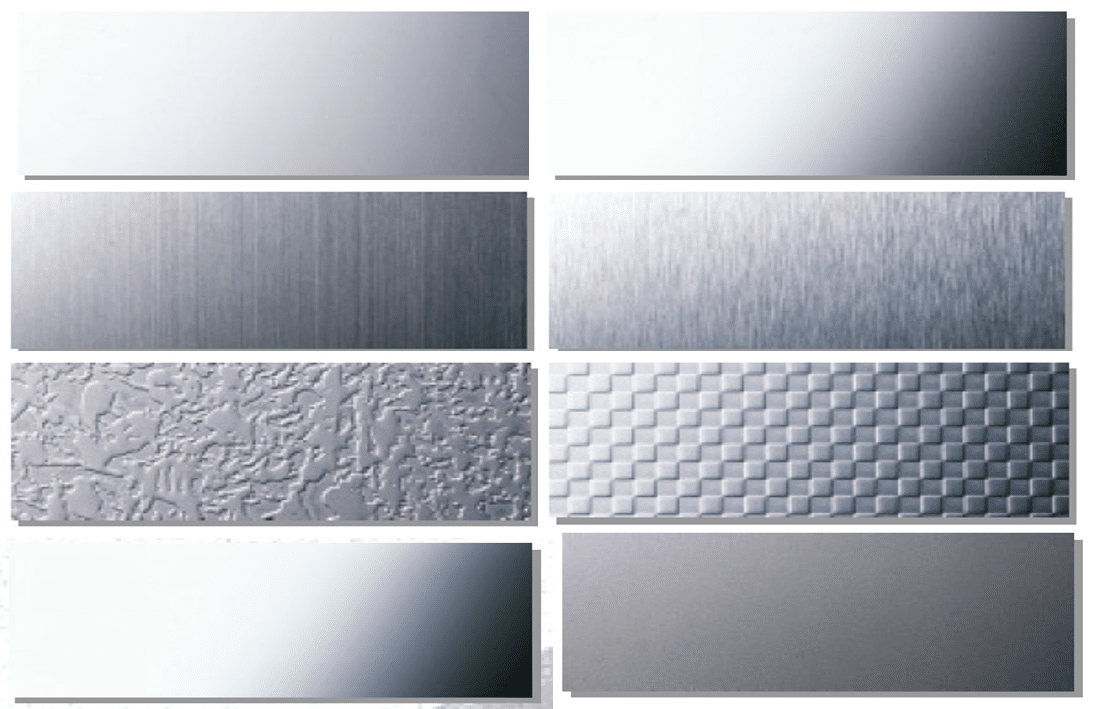 Metals – alloys – weldsTechnological innovation
Selection of an austenitic stainless steel alloy resistant to corrosion
-
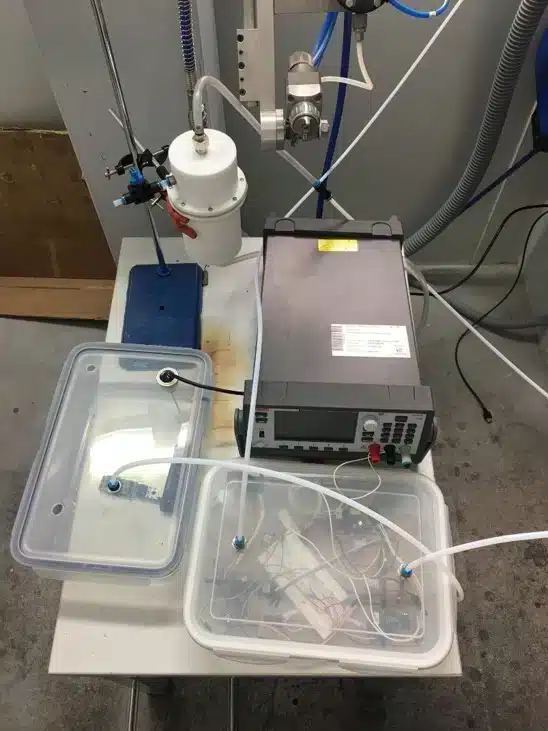 Catalysts – photocatalysis – electrocatalystsTechnological innovation
Catalytic filters for ozone removal to improve safety in disinfection systems
-
 Food – microorganims – disinfection
 Technological innovation
State of the art technologies for disinfection and purification
Frequently asked questions about technological innovation
FAQs
What is technological innovation in the industrial sector?
Industrial technological innovation is the application of technical knowledge to create or improve products, processes, or materials with a measurable benefit to competitiveness. It ranges from incremental process improvements to disruptive product developments, always grounded in technical evidence rather than intuition.
In practice, it spans state-of-the-art analysis, technical feasibility, product and process development, prototyping, and scale-up. Each phase relies on characterization and validation, so that innovation progresses with controlled risk and full traceability throughout the entire development.
What happens if an industrial company doesn’t structure its technological innovation?
Without a structured method, developments move forward without verifying their feasibility, which leads to lost investment and failures in later stages. The cost of an error grows as the project approaches production, where fixing a problem is far more expensive than anticipating it.
The usual outcome is a combination of cost overruns, uncontrolled timelines, and undifferentiated products. A rigorous approach from the earliest stages reduces this uncertainty and redirects resources toward development lines with real potential, avoiding investment in unviable solutions.
How is the right innovation approach selected for a project?
The approach is selected based on the industrial objective, the technical constraints, and the development’s maturity level. Improving an existing process is not the same as creating a new product: each case requires a different combination of analysis, testing, and validation, tailored to its real conditions.
INFINITIA defines this approach after an initial technical diagnosis that places the project at its technology readiness level and outlines requirements, materials, and applicable regulations. Technical feasibility analysis is often the starting point that guides all subsequent decisions.
What is the difference between product innovation and process innovation?
Product innovation changes what is manufactured (performance, materials, features), while process innovation changes how it is manufactured, improving efficiency, cost, or compliance. Both are complementary, and a process change often requires redefining the product, and vice versa.
Clearly distinguishing between them helps prioritize effort where it adds the most value. Process improvement usually delivers measurable results in the short term, while product innovation opens up differentiation in the medium term. INFINITIA analyzes both paths to identify the most effective lever for competitiveness in each case.
What does an external technical partner bring to an in-house development team?
An external technical partner brings an independent perspective, complementary analytical capability, and cross-sector experience that an in-house team, focused on its own product line, cannot always cover. It offers an unbiased view of the development, which helps question assumptions, validate hypotheses, and identify technical alternatives that might otherwise go unnoticed.
This collaboration doesn’t replace the in-house team, but rather expands its capacity at key moments in the project: when specialized characterization is needed, a second engineering opinion, or accelerating a phase without diverting internal resources. Here, INFINITIA combines analytical rigor with an industrial outlook, an approach that complements accredited laboratories, technology centers, or universities. These are not mutually exclusive options: INFINITIA integrates into the client’s project as an external technical partner, providing independent judgment that reinforces the decisions of the development team itself.
Can solutions be validated in a controlled environment before production?
Yes. Proof of concept and prototyping make it possible to validate a solution in a controlled environment before committing to production. This phase demonstrates that the technical principle works and characterizes its behavior under the expected service conditions, anticipating problems before scale-up.
Reproducing real conditions in a controlled environment reveals deviations that would otherwise show up in mass production. INFINITIA issues specialized technical reports on these results; it should be noted that these are technical reports, not expert legal reports: they can serve as supporting documentation for a court-appointed expert, but legal responsibility for the expert opinion always rests with the qualified expert.
How does technological innovation help reduce costs?
Technological innovation reduces costs by anticipating problems in the early stages, where fixing them is cheaper, and by prioritizing the development lines with the highest technical return. Validating feasibility, materials, and suppliers before scaling up avoids late-stage redesigns, which are the most costly in the product life cycle.
Improving production processes adds another source of savings: optimizing parameters, reducing waste, or replacing obsolete processes unlocks value without needing to redesign the product. A structured product engineering process minimizes the number of iterations, shortening timelines and reducing resource consumption.
How much does a technological innovation project cost?
The cost depends on the scope, the development’s starting maturity, and the degree of experimental validation required. An initial feasibility analysis has a very different cost from a complete development involving prototyping and scale-up, so each project is assessed individually.
INFINITIA defines the scope after an initial technical diagnosis, which allows the effort to be adjusted to actual needs and avoids over-scoping the project. This phased approach makes it possible to decide at each milestone whether to move forward, redirect, or stop, optimizing investment throughout the development.
How long does it take to get results?
Typical timelines range from one to four weeks for the initial analysis and diagnosis phases, extending for complete developments that include prototyping and validation. Each phase has its own deliverables, which provides useful conclusions progressively without waiting for the project to close.
For critical situations, there is an urgent option with a response time of 24–72 hours, aimed at decisions that cannot be delayed. INFINITIA sets the schedule during the initial diagnosis, adjusting milestones to the client’s real priorities and the technical complexity of the development.
How is a technological innovation protected against competitors?
An innovation is protected by combining real technical differentiation with, where appropriate, industrial property rights. Differentiation stems from solutions that are difficult to replicate (a formulation, a treatment, a process configuration) whose value rests on the technical knowledge behind it. Before protecting it, it’s worth placing the development in context: state-of-the-art analysis and patent review define what is genuinely new and defensible.
INFINITIA provides the technical judgment that supports this differentiation, characterizing the solution and documenting where its advantage lies. Through technology watch, it identifies patent-free space and directs development toward areas with real competitive potential, so that innovation efforts focus on what delivers a sustainable advantage.
Is it possible to innovate on an existing product without completely redesigning it?
Yes. Much of industrial technological innovation is incremental: improving the properties, performance, or cost of a product already on the market without starting from scratch. Replacing a material, adjusting a surface treatment, or optimizing a process parameter can deliver a significant competitive gain with much lower investment and risk than a complete development.
The key lies in identifying which change adds the most value with the least impact on the rest of the product. INFINITIA analyzes the existing product, identifies the improvement levers with the highest technical return, and validates that the modification doesn’t compromise overall performance. This approach allows an industrial company to keep its product competitive on an ongoing basis, without bearing the cost of a full redesign every time.
When is it worth bringing in an external technical partner for an innovation project?
It’s worth bringing one in at points where the project needs capability or judgment that the in-house team doesn’t have available at that moment: validating the feasibility of an idea, resolving a technical unknown, characterizing a material, or accelerating a phase without diverting internal resources. The earlier it is brought in, the greater the impact, since early decisions shape the entire subsequent development.
Adding an external partner at the right phase reduces the risk of moving forward on unverified assumptions and provides an independent perspective on the development. INFINITIA integrates into the project as an industrial technical consultant at the point where it adds the most value, from the initial idea through to scale-up. If you have a development underway, you can request an initial technical assessment with no obligation.