

Our customers
We are your trusted partner in industrial engineering





















Design and Innovation
Design and innovation is a key service for companies that need to turn an idea into reality, improve an existing product, or validate a new solution before investing in advanced development stages. In industrial environments, design does not just mean defining a shape or aesthetic; it means systematically solving problems of functionality, technical feasibility, materials, cost, manufacturing, and market acceptance.
At INFINITIA, the design and innovation service is geared toward adding value from the pre-development stages, spanning research, co-creation, technical definition, technology selection, rapid prototyping, and functional validation. This approach makes it possible to agilely analyze critical aspects such as shape, function, technology, and how well the product fits real user and market needs.
The goal is not just to generate concepts, but to build viable, tested solutions aligned with the technical requirements of the project. The process starts with a comprehensive analysis that combines market, user, technology, and available technical capabilities to build a solid decision-making foundation from the outset. This comprehensive vision makes it possible to develop more efficient, competitive products that are better prepared for later industrialization.
Talk to a specialist
Request a free initial consultation; contact a consultant from our team of specialists

What does the design and innovation service involve?
What is it?
The design and innovation service involves supporting industrial companies through the initial, strategic stages of product development, from identifying opportunities through to defining viable concepts. Its purpose is to turn a need, idea, or technical problem into a solution that can be developed, validated, and aligned with the objectives of the project.

From the perspective of industrial innovation, generating an attractive proposal is not enough. It is necessary to understand the market, analyze substitute products, study the competition, define technical requirements, and assess whether the solution can be developed with available materials, components, and technologies. This stage is critical, as many decisions made at the outset determine the cost, functionality, and future viability of the product.
At INFINITIA, this process is approached using a methodology that combines research, technical analysis, co-creation, and rapid prototyping. First, the target market for the product is studied, identifying competitors, opportunities, and possible niches. The product specifications needed to assess its technical feasibility are then defined from an early stage.
Once these specifications have been established, materials, components, and technologies that could be integrated into the solution are analyzed, assessing behavior, cost, availability, and suitability for the final product. Concepts are then developed using ideation, sketching, 3D modeling, realistic imagery, and functional prototypes. In this way, product design and innovation is approached not as an abstract process, but as a practical tool for making better decisions before moving into more costly development stages.
Design and innovation at INFINITIA. A results-oriented innovation process.
At INFINITIA, the design and innovation service is approached as a technical, creative process focused on applicable results. The starting point is not just the product idea, but the full context in which it must operate: market, users, competition, technology, materials, costs, and manufacturing requirements. This comprehensive view makes it possible to avoid partial approaches and develop solutions aligned with industrial reality, integrating multiple disciplines.
The work begins with an analysis stage in which relevant information is gathered to understand the problem or opportunity. This includes market studies, analysis of substitute products, competitor review, and assessment of user needs. This stage helps avoid developments disconnected from the market and directs the design toward proposals with real value.
The product specifications are then defined, translating general needs into specific technical requirements: expected functions, possible materials, dimensional constraints, mechanical behavior, user interaction, service life, or environment of use. Based on this foundation, available materials, components, and technologies are analyzed, assessing their real suitability in terms of performance, cost, availability, and integration into the whole.
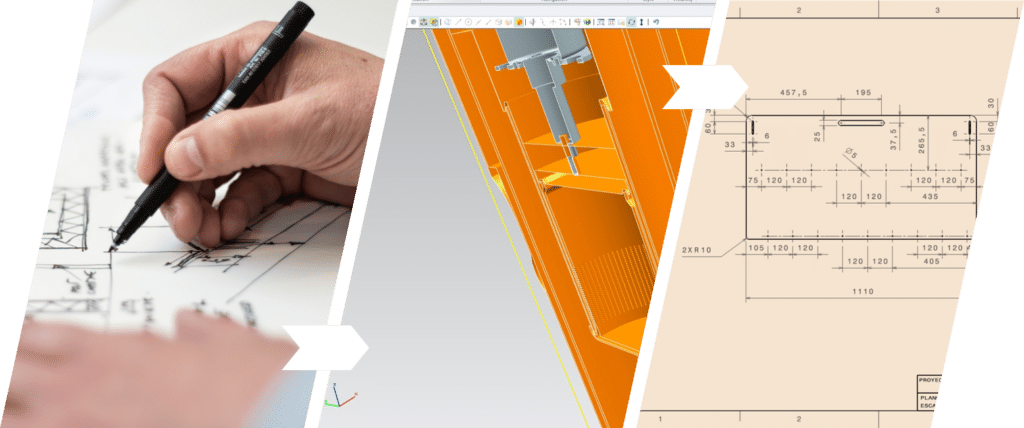
Finally, ideation and co-creation techniques are applied to generate different concepts supported by sketches, 3D models, renders, and rapid prototypes using 3D printing. This approach makes it possible to compare alternatives, visualize solutions, and make more informed decisions, avoiding reliance on a single initial idea and supporting a structured process of exploration, validation, and selection.
At INFINITIA, we have applied this process in projects across automotive, consumer goods, industrial machinery, and electronics, among other sectors. Our team of engineers and materials specialists works with the main sector regulatory frameworks (ASTM, ISO, UNE-EN) to ensure that the design process is aligned with the technical standards of the target market from the start of the project.
Benefits of design and innovation for industrial companies: less uncertainty and better decisions in pre-development
Benefits
One of the main benefits of design and innovation is that it allows companies to reduce uncertainty in the early stages of product development. Many projects start from a promising idea, but without enough information about the market, the user, technical feasibility, or applicable technologies. Moving forward without this foundation can lead to later redesigns, unnecessary costs, or uncompetitive products. The approach applied by INFINITIA as an external technical partner makes it possible to move from intuition to decision-making based on verified information.
It also makes it possible to identify whether a real market opportunity exists and how the new product can differentiate itself from competing solutions. Market studies help analyze needs, substitute products, and possible niches, while technical feasibility analysis makes it possible to determine whether the idea can be carried out with the available resources, materials, and technologies. This supports a more precise definition of the product from an early stage.
At INFINITIA, product design and innovation is applied to optimize resources before making significant investments. Through rapid prototyping, it is possible to validate aspects of form, function, and technology, compare alternatives, detect limitations early, and adjust the design before moving into manufacturing or industrialization.
Product design innovation also makes it possible to improve existing solutions through component redesign, the integration of new technologies, cost reduction, improved user experience, or increased product efficiency. Combining design, technical analysis, and experimental validation generates more robust solutions that are consistent with their functional, technical, and economic requirements, increasing the product’s chances of success in its target market.
services
How do we carry out industrial product design and innovation: from concept to validated prototype?
-
Design and Innovation
Preliminary study and maturation of idea
In the context of industrial development, this phase fits within structured innovation processes and product lifecycle management. Methodologies such as Design Thinking, functional requirements analysis…
-
 Design and Innovation
Market research
Market research for product development is an in-depth analysis that seeks to identify and understand consumers’ needs, wants and preferences for a specific product. This…
-
 Design and Innovation
User studies
A user study is a technical research process that analyzes the needs, capabilities, limitations and behaviors of the people who use a product, with the…
-
 Design and Innovation
Ideation and concepts
The ideation phase in product development consists of generating ideas for creating new products, as well as turning them into specific concepts that reflect the client’s value…
-
 Design and Innovation
Technology selection and testing
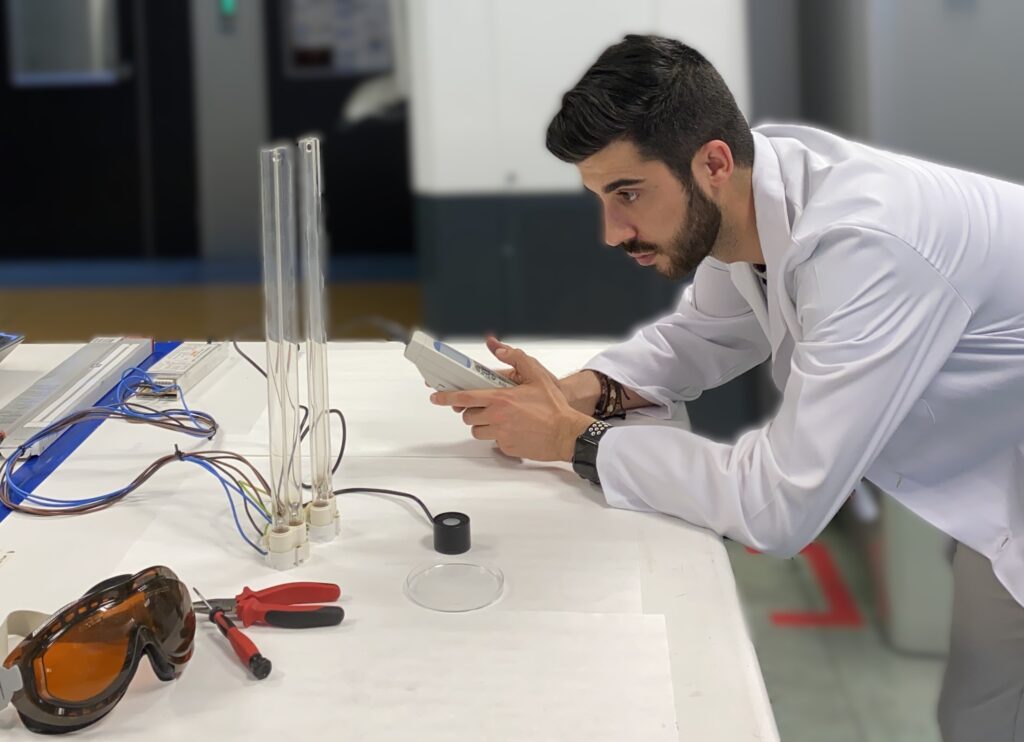
Technology selection and testing is a research and evaluation process that identifies, compares and validates the most suitable technologies for a specific product. A comprehensive…
-
 Design and Innovation
Co-Creation Sessions
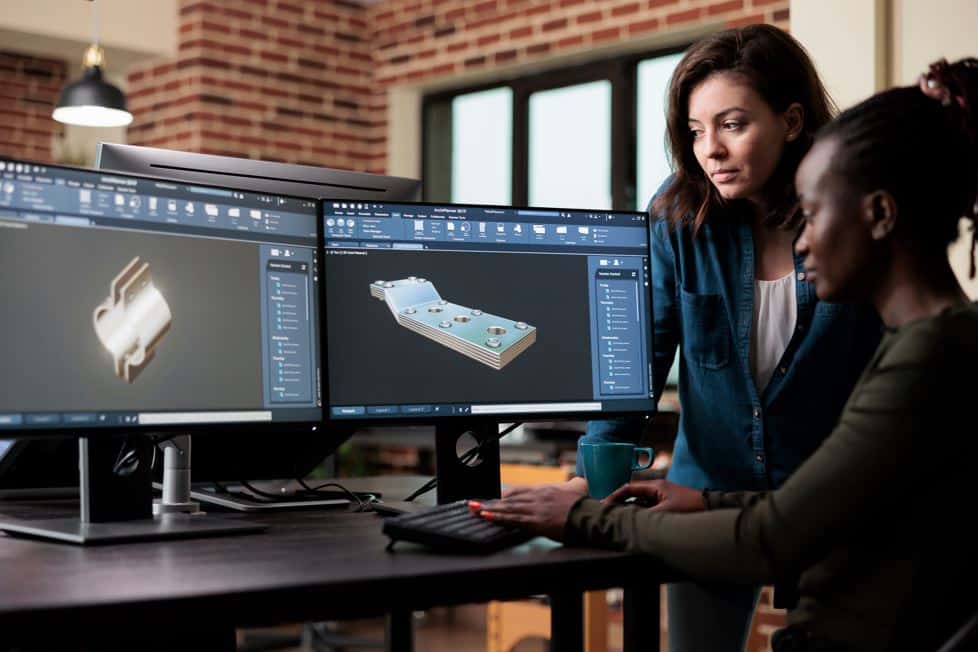
Product development through co-creation is a process in which different stakeholders (clients, users, designers and experts) collaborate to design and validate product concepts. At INFINITIA we organize…
-
 Design and Innovation
Selection of lines of work
Work-line selection in product development is a process that involves defining and structuring the most effective product development strategies for each project. Through this, at…
-
 Design and Innovation
Technical feasibility analysis
The feasibility study of a project or technical feasibility analysis is the name given to the thorough analysis process that seeks to determine whether the product’s design…
-
 Design and Innovation
Initial diagnosis for product development
At INFINITIA we approach it as a preliminary technical analysis that makes it possible to understand the starting point, clearly define the scope of development, detect potential risks and…
Applications of design and innovation in product, materials, and technology
Applications
The design and innovation service is applied at different points in a product development cycle. It can be used when a company wants to launch a new solution, when it needs to improve an existing product, or when it needs to validate whether an idea makes technical and commercial sense before moving forward.
At INFINITIA, these applications are approached by combining research, technical analysis, technology selection, and prototyping. The goal is to turn scattered information into clear decision-making criteria, allowing each stage of the project to move forward with less uncertainty and greater control.
Market studies for business innovation and product design
Market studies make it possible to analyze whether a new product has potential before entering advanced development stages. This involves studying the target market, competing products, substitute solutions, and the needs of potential users. This stage helps identify opportunities, threats, and possible niches where the new product could add differentiated value.
At INFINITIA, this analysis is used to guide the design process from the outset. It is not just about observing what competitors do, but about understanding what problems they solve, what limitations they present, and what aspects can be improved. This information makes it possible to build concepts more closely aligned with market reality and reduce the risk of developing products with no commercial fit, using a business innovation approach.
Analyzing substitute products makes it possible to detect alternatives the user might choose instead of the proposed product. Competition does not always come from identical solutions, but from products that meet the same need through a different approach. Incorporating this information into the design stage improves decision-making and makes it possible to define a more competitive proposal.
Technical feasibility analysis of the product
Technical feasibility analysis makes it possible to determine whether a product idea can become a functional, manufacturable solution consistent with the defined requirements. This involves analyzing technological characteristics, materials, components, manufacturing processes, use constraints, and possible technical limitations.
At INFINITIA, this stage is carried out together with the client through a complete definition of product specifications. Necessary functionalities, critical requirements, operating conditions, cost constraints, and validation needs are identified. This information makes it possible to establish a clear technical foundation before moving into conceptual design or prototyping stages.
The value of this analysis lies in anticipating problems. An idea may be commercially attractive but present significant technical difficulties: unsuitable materials, immature technologies, excessive costs, poor manufacturability, or incompatibility with existing processes. Detecting these factors early makes it possible to adjust the approach, reformulate the concept, or select more viable alternatives.
Selection and testing of materials, components, and technologies
The selection of materials and technologies is a critical stage in any design and innovation project. A product may depend on the strength of a material, the integration of an electronic component, the chemical compatibility of a part, or the availability of a specific technology. An incorrect choice can compromise functionality, cost, or durability.
At INFINITIA, this stage includes an exhaustive search of available materials, components, and technologies, always in relation to the previously defined specifications. Solutions are not selected solely for their innovative nature, but for their real suitability to the product and its context of use, integrating design into the overall strategy.
When necessary, these elements are tested individually and together to check whether they meet the technical requirements, whether they are compatible with each other, and whether they can be integrated into a coherent final solution. This also makes it possible to compare alternatives in terms of performance, cost, availability, and technical risk. This approach is especially useful in products where innovation depends on integrating emerging technologies or unconventional materials, as prior testing reduces uncertainty and makes it possible to select options with a greater chance of success. This process also considers long-term durability criteria and the selection of sustainable materials when the product life cycle or client requirements call for it.
Ideation, co-creation, and the creative process in generating concepts
The ideation and concept stage makes it possible to turn technical and market information into potential innovative design solutions. Unlike a linear process based on a single proposal, this approach generates several lines of work that can be compared before moving into full development.
At INFINITIA, this stage incorporates design thinking principles applied to industrial development: rapid iteration, validation with real users, and structured generation of alternatives before committing resources to a single direction. This is supported by co-creation techniques, rapid sketch generation, 3D models, photorealistic images, and prototyping. This makes it easier for the client to visualize different alternatives, understand their technical implications, and decide which direction is most suitable.
Co-creation is especially useful when different profiles within the company are involved: management, engineering, production, quality, marketing, or end users. Integrating these perspectives helps avoid partial solutions and makes it possible to build more complete concepts, supporting the innovation process. The result of this stage is not just a visual idea, but a proposal with functional, technical, and strategic logic that meets defined requirements and makes it possible to move into later stages with greater clarity.
Rapid prototyping and 3D printing for functional validation
Rapid prototyping makes it possible to bring concepts to life at an early stage in order to analyze aspects of form, function, ergonomics, assembly, or technological integration. This tool speeds up decision-making, as it makes it possible to physically evaluate solutions that would otherwise remain theoretical.
At INFINITIA, prototyping is used to validate concepts before making larger investments in molds, tooling, or manufacturing. Through 3D printing and other rapid manufacturing technologies, it is possible to generate models that help check geometries, dimensions, user interaction, or compatibility with other components.
This approach makes it possible to detect design errors at lower cost and with greater speed. It also facilitates communication between teams, since a prototype makes it easier to understand a solution than a drawing or a technical description. Prototyping does not replace final industrial validation, but it does make it possible to reduce uncertainty, compare alternatives, and improve the quality of decisions in the stages prior to series manufacturing or investment in final tooling.
Redesign and improvement of existing products
The redesign of industrial products is applied when an existing solution needs to innovate in terms of functionality, cost, efficiency, user experience, or market fit. It is not always necessary to develop a product from scratch; in many cases, innovation comes from optimizing what already exists.
At INFINITIA, this approach can start from analyzing problems detected in the product, user feedback, manufacturing limitations, cost overruns, or loss of competitiveness against market alternatives. Based on this information, improvement opportunities are identified and viable modifications are proposed, as shown in our work on mechanical design improvement through simulation.
Redesign can affect materials, geometry, components, processes, integrated technology, or product perception. It can also be aimed at simplifying manufacturing, reducing the number of parts, improving assembly, increasing durability, or adapting the product to new requirements. This type of project makes it possible to extend the commercial life of existing products, improve their positioning, and reduce the risks associated with entirely new launches.
Sectors where design and innovation drives industrial development
sectors
Design and innovation has applications across multiple sectors, because any industrial product needs to balance functionality, cost, materials, manufacturing, and user acceptance. However, each sector presents specific challenges that shape the design approach. A structured innovative approach adapted to the real conditions of each industry is what turns this service into a tangible competitive advantage.
At INFINITIA, the service is adapted to each context, combining market analysis, technical definition, technology selection, and prototyping. This makes it possible to develop solutions tailored to the real conditions of use and the specific requirements of each industry.
Design and innovation in automotive: components under dynamic load, fatigue, and approval requirements
In the automotive sector, products and components must meet strict requirements for reliability, weight, cost, durability, and compatibility with series manufacturing processes. Design and innovation makes it possible to analyze geometries, materials, and configurations to ensure their behavior under real conditions and their industrial viability.
- Materials and geometry optimization: analysis of material alternatives and geometry redesign to reduce weight, improve mechanical strength, and optimize functional behavior without compromising safety or cost.
- Early concept validation: use of prototyping and simulation to identify design limitations, assembly problems, or potential failures before advanced development stages.
- Adaptation to series manufacturing: adjusting the design to existing production processes (injection molding, machining, assembly), improving tolerances, repeatability, and cost control.
At INFINITIA, this approach is applied to develop new components, redesign existing parts, and integrate alternative materials, combining technical analysis with knowledge of the sector’s approval standards to improve reliability and reduce costs in demanding automotive applications.
Design and innovation in consumer goods: competitive pressure, user experience, and short development cycles
In consumer goods, products must balance functionality, aesthetics, cost, durability, and user experience. Product design and innovation makes it possible to develop solutions aligned with real needs and stand out in highly competitive markets.
- Market and competitor analysis: study of trends, substitute products or services, and existing solutions to identify innovation opportunities and competitive positioning.
- Prototyping and use validation: development of physical or digital models to assess ergonomics, user interaction, and functionality before production.
- Product redesign: optimization of materials, geometry, or assembly to improve performance, reduce issues, and adjust manufacturing costs.
At INFINITIA, we have worked on projects of this type with the aim of offering products that are differentiated and have a real fit in the market, combining product design, technology, and sensory validation.
Design and innovation in electronics: miniaturization, thermal management, and component integration in confined spaces
In electronics and technology devices, design must take into account component integration, thermal management, miniaturization, and compatibility between materials. Industrial design and innovation makes it possible to address these challenges from a technical and functional perspective.
- Technological integration: selection and arrangement of electronic components and materials to ensure system compatibility, performance, and stability.
- Functional and structural design: development of enclosures, supports, and configurations that facilitate assembly, heat dissipation, and maintenance.
- Rapid prototyping and validation: manufacturing of housings and assemblies to check fit, assembly, and behavior under preliminary conditions of use.
At INFINITIA, we apply this approach to define concepts, integrate technologies, and validate solutions, improving reliability and reducing risk in the development of electronic products.
Design and innovation in machinery and capital equipment: structural robustness, manufacturing, and demanding life cycles
In machinery and capital equipment, products must ensure robustness, safety, efficiency, and long service life under demanding conditions. Design and innovation makes it possible to optimize systems and components to improve their in-service behavior.
- Function-oriented design: development of solutions focused on performance, ease of use, and maintenance, taking real operating conditions into account.
- Structural materials selection: analysis of materials to improve mechanical strength, wear, and behavior under continuous loads.
- Component and process optimization: design simplification, reduction of parts, and improvement of production processes to reduce costs and increase reliability.
At INFINITIA, we use this approach to develop new systems and improve existing equipment, increasing their efficiency and reducing operational failures.
Design and innovation for startups and entrepreneurs: validating the concept before investing in development
Launching a new product from scratch involves making critical decisions with incomplete information and limited resources. For a startup or entrepreneur, moving forward without validating the technical concept, market fit, or the viability of the selected materials and technologies can mean investing time and capital in a direction that will need to be corrected later. Design and innovation makes it possible to structure that exploration and validation process from the outset, reducing uncertainty before committing resources to development, manufacturing, or fundraising. Having an external technical partner at these early stages brings analytical rigor without the need for a specialized in-house team.
- Technical validation of the concept: technical feasibility analysis, selection of materials and technologies, and definition of product specifications before starting costly development stages, making it possible to detect limitations early and adjust the approach with lower risk.
- Rapid prototyping for investment decisions: development of functional prototypes using 3D printing and rapid manufacturing that make it possible to demonstrate the concept, assess its real-world performance, and build a solid technical foundation to present to investors, partners, or potential clients.
- Market studies and competitor analysis: identification of opportunities, substitute products, and the real needs of the target user, to guide the design toward proposals with genuine commercial fit and differentiation from existing solutions.
At INFINITIA, we support startups and entrepreneurs as an external technical partner during the stages where decision-making has the greatest impact on the final outcome of the project. The goal is not to produce documentation, but to build technical judgment: understanding what can work, why, and under what conditions, before scaling up investment. This approach allows teams with limited resources to move forward with greater confidence, avoid costly redesigns, and reach development or fundraising stages with a technically tested proposal aligned with market demands.
Design and innovation in health and technical devices: dimensional precision, hygiene requirements, and functional validation in real use
In products intended for healthcare, analytical applications, or specialized technical use, the design must meet demanding requirements for precision, ergonomics, hygiene, and functionality. Industrial design and innovation makes it possible to develop solutions tailored to specific needs.
- Definition of critical requirements: identification and translation of usage needs into clear, measurable technical specifications.
- Functional prototyping and use validation: development of models that make it possible to assess ergonomics, interaction, and performance under representative conditions.
- Selection of materials and finishes: choice of materials compatible with cleaning, durability, and technical use requirements.
At INFINITIA, we use this approach to develop specialized devices and solutions, improving their functionality and ensuring their suitability for the application environment. One example is the design and validation of a prototype for improving the extraction of compounds in fruit, where design, technology, and experimental validation were combined in a highly demanding technical context.
Design and innovation at INFINITIA to reduce uncertainty and improve decision-making
Value
Working with INFINITIA as an external technical partner means having a team capable of interpreting needs, structuring the design process, and proposing viable solutions from the earliest stages of the project. Combining technical analysis, co-creation, and experimental validation ensures consistency between design, materials, process, and functionality, turning design and innovation into a strategic tool for continuous improvement, risk reduction, and the development of products aligned with the demands of the industrial environment.
By combining characterization techniques, experimental testing, and comparative analysis, we help companies reduce risk before an issue escalates into production failures, returns, or safety problems. This approach makes it possible to generate validated learning that improves the robustness of both product and process, and provides a greater capacity to verify changes in materials, design, suppliers, or operating conditions.
Product design and innovation also has a direct impact on economic optimization. At INFINITIA, we work to reduce costs associated with rework, late-stage redesigns, or untested decisions, identifying technical limitations early and avoiding unnecessary investments. Each project generates applicable knowledge that helps improve design and optimize processes from a continuous improvement perspective.
INFINITIA’s approach integrates risk analysis, prototyping, and experimental validation methodologies to anticipate problems before they occur. This makes it possible to combine design, materials engineering, and tools such as FMEA to prioritize decisions and strengthen product reliability in the stages prior to industrialization.
Our goal is to bring rigor, safety, and confidence to decision-making, ensuring not only that the product is well designed, but that it is ready to perform under the real conditions of its environment. If you have a project in mind or need to validate an idea before moving forward, you can check out our completed projects or contact our team to tell us about your case.
-

 Redesign – new productsProduct development
In-depth interviews to validate an aspiration solution
-
 Food – microorganims – disinfectionProduct development
Market research in the confectionery sector
-
 Redesign – new productsProduct development
Redesign of the graphic image to reflect corporate identity
-
 Waste – recycled – sustainabilityProduct development
Product analysis and brand design with sustainability values
-
 Redesign – new productsProduct development
Economic feasibility analysis for a new appliance
-
 Redesign – new productsProduct development
Development of a new home care product
-
 Food – microorganims – disinfection
 Product development
Development of a new product for food preservation
-
 Redesign – new productsProduct development
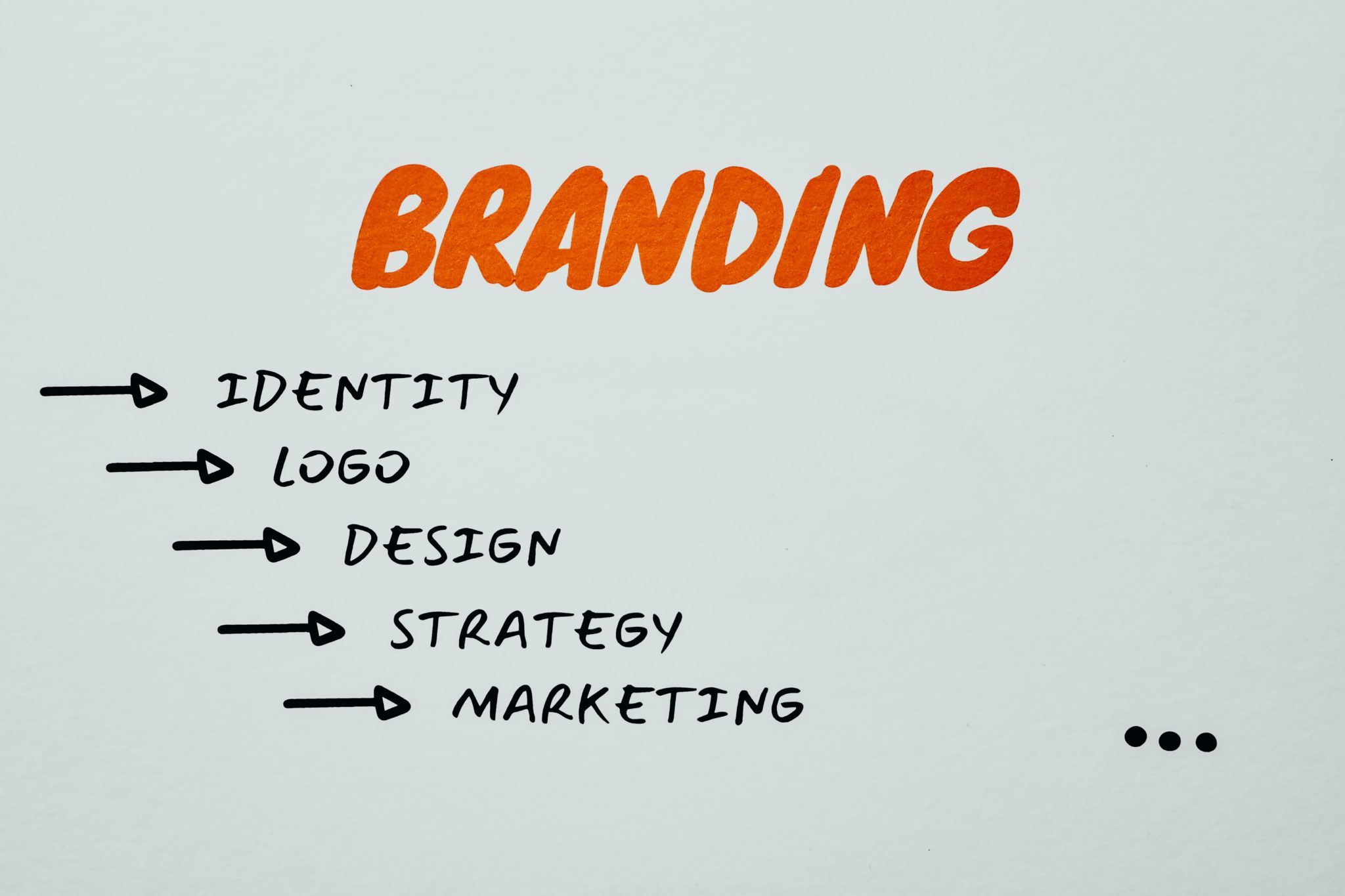
Analysis of branding strategies for the household appliances sector
-
 Redesign – new products
 Product development
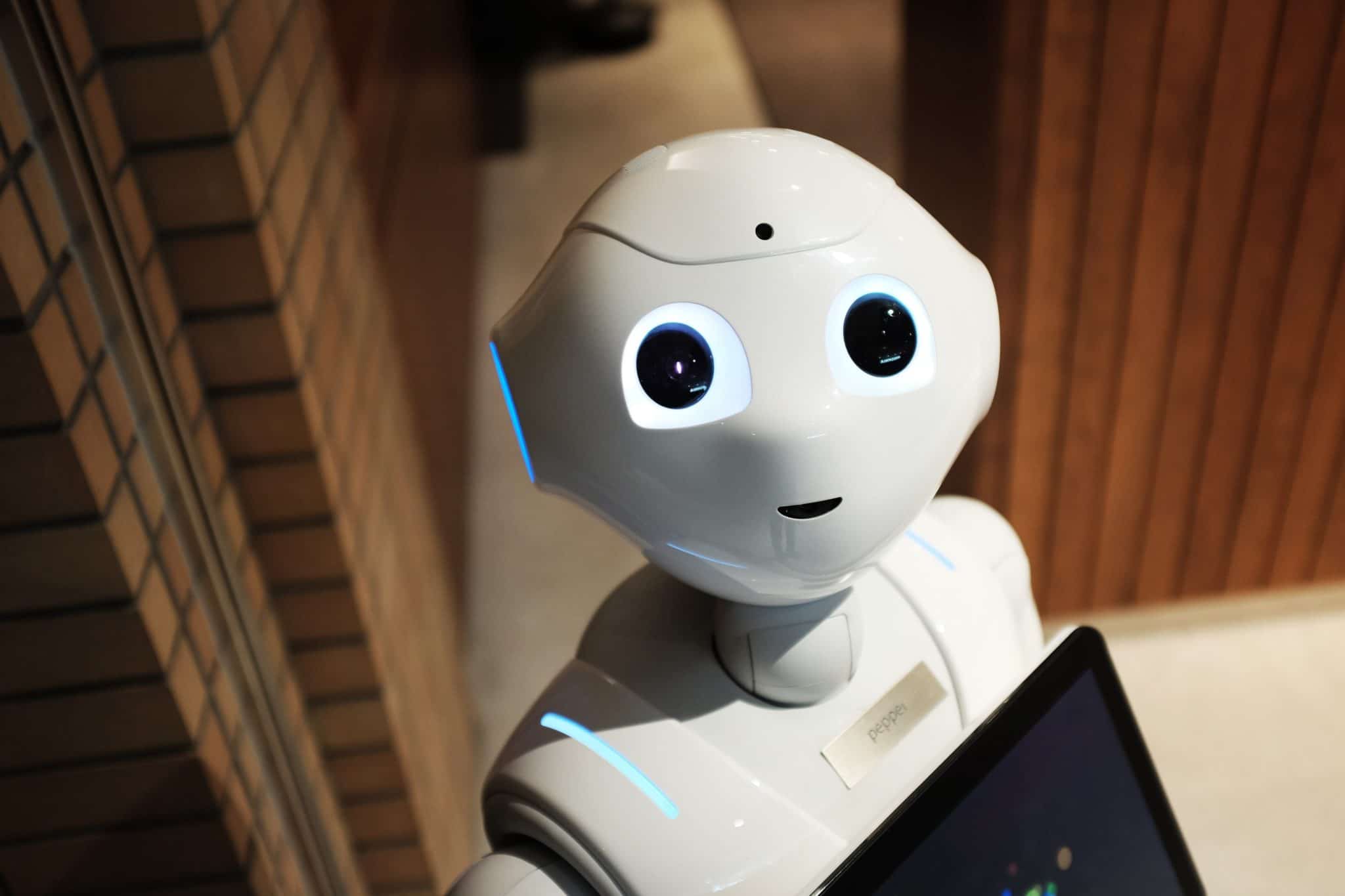
Identify new business opportunities within the IoT field.
-
 Simulation – Digital Services – AI
-
 Waste – recycled – sustainabilityProduct development
Designing a new product to improve sustainability and recycling in the kitchen
-
 Chemicals – detergents – oilsProduct development
Conceptual design of new products for cleaning surfaces in homes
-
 Food – microorganims – disinfectionProduct development
Validation of new packaging design proposals for the food sector
-
 Redesign – new productsProduct development
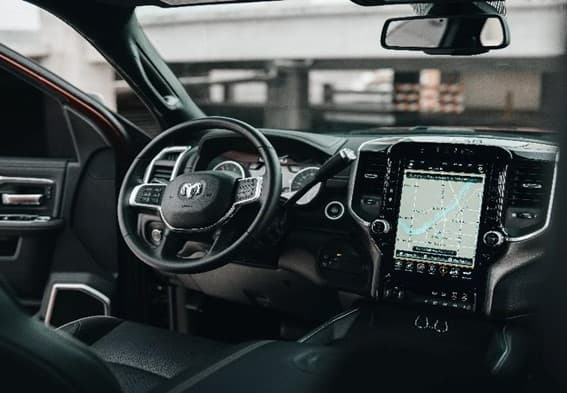
Designing the value proposition for a new automotive product
-
 Textiles – fibers – packagingProduct development
Packaging design for a new perfume
-
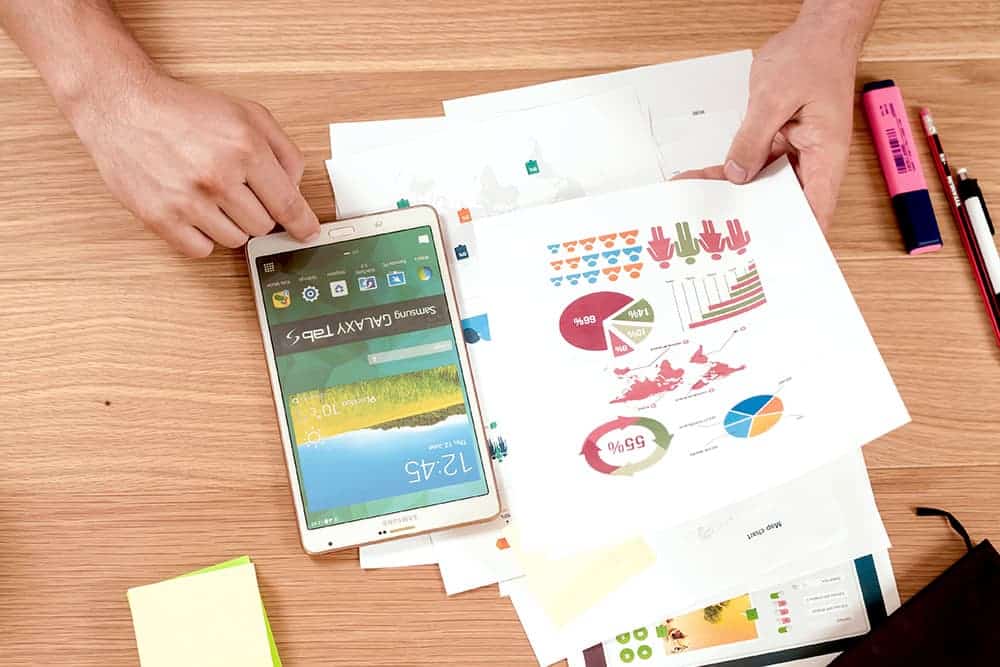 Simulation – Digital Services – AIProduct development
UX analysis in the online environment for digital service design
-
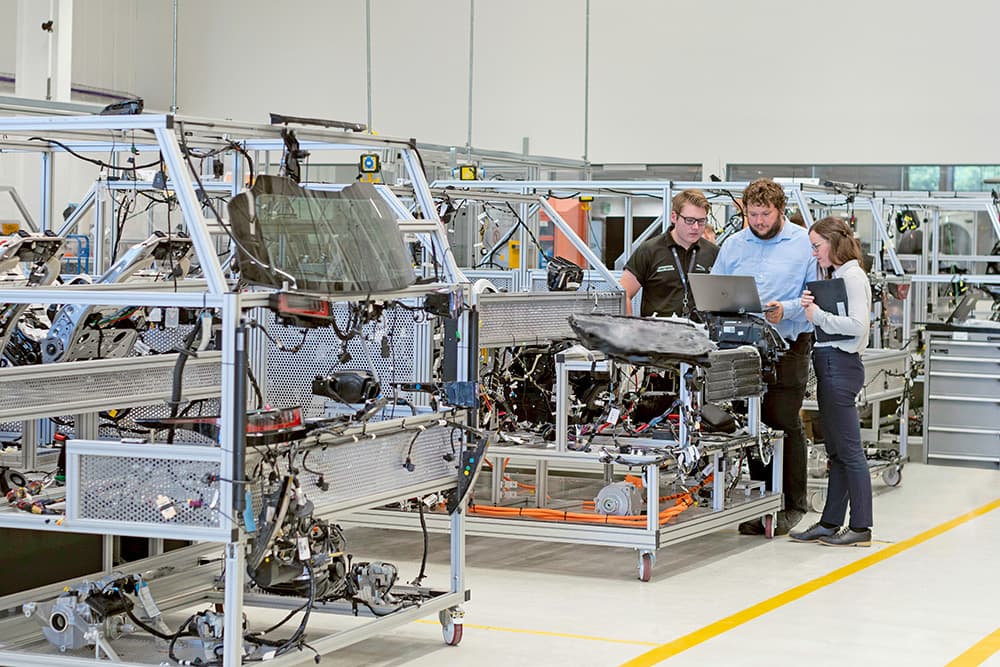 Redesign – new productsProduct development
Redesign of the interface of production line IT systems
-
 Food – microorganims – disinfectionProduct development
Sustainable packaging design for fruit and vegetable
-
 Simulation – Digital Services – AIProduct development
Evaluation of user interaction with the health sector appointment system.
-
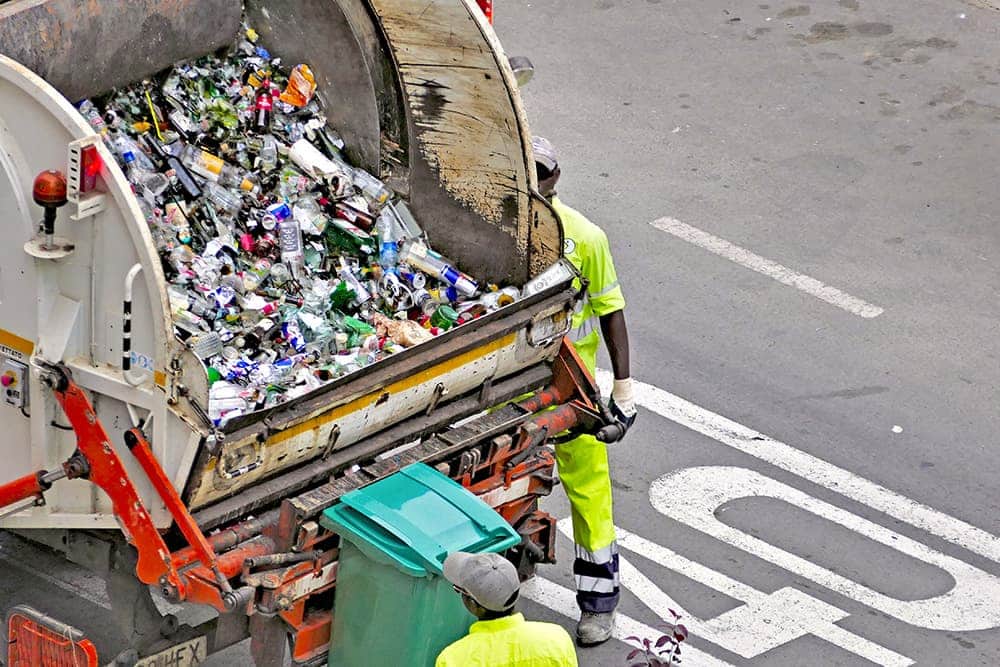 Waste – recycled – sustainabilityProduct development
UX user study for urban waste management
Frequently asked questions about industrial design and innovation and product development
FAQs
What is design and innovation used for in industrial products?
Industrial design and innovation is used to turn ideas or needs into viable, functional products aligned with their technical and market context. It is not limited to defining the shape of the product; it integrates aspects such as materials, technology, cost, manufacturing, and behavior in use.
In industrial environments, this approach makes it possible to reduce uncertainty in the early stages and make well-founded decisions before moving into more costly stages. Small decisions made during pre-development can have a significant impact on the quality, cost, or final viability of the product.
It also makes it possible to develop more competitive solutions, improve existing products, and increase the likelihood of success in the market.
What types of problems does industrial design and innovation solve?
Product design and innovation makes it possible to solve problems related to a lack of technical definition, low feasibility of an idea, incorrect selection of materials or technologies, and a disconnect between the product and the market.
It also helps avoid uncompetitive developments, oversized products, or solutions that are difficult to manufacture. In many cases, these problems are not evident until advanced stages, which increases costs.
Through a structured approach, it is possible to identify limitations from the outset, define clear requirements, and develop more efficient solutions aligned with their real-world application.
What regulations or standards are relevant in a design and innovation project?
The application of regulations depends on the sector and the type of product. In automotive, component approval requirements may be relevant; for products in contact with food or pharmaceutical materials, directives such as REACH or specific UNE-EN standards; in machinery, product safety directives and CE marking.
At INFINITIA, we are familiar with and work within the main sector regulatory frameworks (ASTM, ISO, UNE-EN) to ensure that material selection, product specifications, and validation processes are aligned with the applicable requirements from the start of the project.
This is especially relevant during the material selection stage and the definition of technical requirements, where deviating from the applicable regulations can compromise the viability of the product.
When is it necessary to apply design and innovation to a project?
The design and innovation service is especially useful in the early stages of product development, when an idea exists but its technical or commercial feasibility has not yet been defined. It is also recommended when problems are detected in existing products or when the goal is to improve their performance or competitiveness.
In many cases, companies move forward without validating key aspects such as the market, materials, or technology, which can lead to later redesigns and cost overruns. Applying this approach from the outset makes it possible to avoid these risks.
It is also key when exploring new market opportunities or adapting products to new contexts of use.
In which sectors can design and innovation be applied?
Design and innovation has applications across multiple industrial sectors: automotive, electronics, consumer goods, machinery, the chemical industry, health, and technical devices, among others.
Each sector has specific requirements, but all share the need to develop viable, efficient, and competitive products. The approach adapts to each context, integrating technical analysis, regulatory knowledge, and experimental validation.
This makes it possible to address both the development of new products and the improvement of existing solutions across different industries.
What does the design and innovation process at INFINITIA involve?
The industrial design and innovation process at INFINITIA combines research, technical analysis, co-creation, and prototyping. It begins with market research and the identification of opportunities, followed by the definition of the technical specifications of the product.
Materials, components, and technologies are then selected and evaluated, assessing their feasibility and suitability. Finally, concepts are developed through modeling, prototypes, and ideation techniques.
This approach makes it possible to make technically grounded decisions, reduce uncertainty, and move toward viable solutions before investing in more costly stages.
What is the difference between industrial design and design and innovation?
Traditional industrial design tends to focus on the formal, functional, or aesthetic aspects of the product. Design and innovation, however, incorporates a broader vision, integrating technical analysis, feasibility, market considerations, and experimental validation.
This difference matters because it makes it possible not only to design a product, but to ensure it can be developed, manufactured, and compete in its market. The approach moves beyond the conceptual to become a decision-making tool, resulting in solutions that are more robust, efficient, and aligned with real requirements.
How are materials and technologies selected in a project?
The selection of materials and technologies within industrial design and innovation is based on their suitability for the product specifications, not solely on how innovative they are.
Mechanical, thermal, and chemical properties, cost, availability, and compatibility with production processes are analyzed. When necessary, specific tests are carried out to validate material behavior under the expected conditions of use, following recognized methodologies (ASTM, UNE-EN, or other applicable sector standards) to ensure the traceability and technical soundness of the results.
What role does rapid prototyping play in design and innovation?
Rapid prototyping makes it possible to bring concepts to life at an early stage and validate aspects of form, function, and technology before making investments in manufacturing.
Through physical models, it is possible to detect design errors, check assemblies, and assess user interaction. This supports decision-making, reduces the risk of failures at later stages, and makes it possible to compare different alternatives with greater judgment.
Can design and innovation be applied to existing products?
Yes, product design and innovation is not limited to development from scratch; it is also applied to the redesign and improvement of existing solutions. This process can focus on reducing costs, improving performance, integrating new technologies, or adapting the product to new market needs.
In many cases, innovation consists of optimizing what already exists, which makes it possible to extend the service life of the product, improve its competitiveness, and reduce risk compared to entirely new developments.
Can INFINITIA get involved in a design and innovation project that is already underway?
Yes, INFINITIA can join as an external technical partner in projects that are already underway. It is not necessary to start from scratch for the service to add value. In many cases, companies find at intermediate stages that they need to test a technical decision, solve a specific problem, validate a concept before moving forward, or bring in a materials or feasibility analysis that was not carried out in earlier stages. In these contexts, INFINITIA adapts the scope of the work to the real situation of the project, jointly defining with the client which aspects require analysis and which deliverables are needed.
This partial-intervention approach is especially useful when the in-house team has made progress on the development but encounters a specific technical barrier, when a second opinion is needed before making a significant investment decision, or when the project has changed direction and requires a review of the previously selected specifications or materials. The first step is always a conversation to understand the state of the project and define the most efficient entry point. You can contact our team to explain your situation, and together we will assess how we can help.
Is it necessary to have the product fully defined to start a design and innovation project?
It is not necessary to arrive with a defined product to start a design and innovation project. In fact, one of the most common situations in which INFINITIA gets involved as an external technical partner is precisely when there is an idea, an identified need, or an unresolved technical problem, but no concrete solution has yet been formulated. The service is designed to provide support from the earliest stages of development, helping to structure the problem, identify opportunities, define requirements, and explore alternatives before the product takes on a specific form. Starting from a loosely defined pre-development stage is not a limitation, but the usual context in which this approach adds the most value.
What is necessary is having clarity about the problem or opportunity to be addressed: what need exists, in what context the product must operate, which constraints are relevant —cost, manufacturing, regulations, user— and what decisions need to be made in the short term. Based on this information, INFINITIA defines the most suitable scope and proposes an entry point tailored to the real situation of the project. If you have an idea in mind but are not sure where to start, you can contact our team and we will work together to figure out the best first step.