×

How to select a material for an industrial application

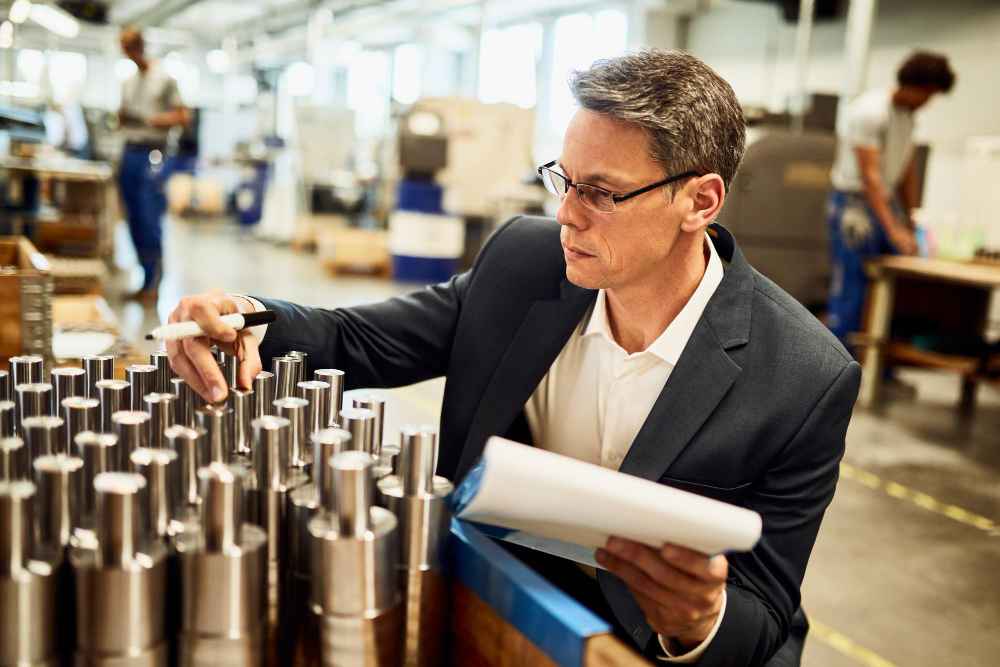
Engineer inspecting metal components during the material selection process for an industrial application

Material selection is one of the technical decisions with the greatest impact on the reliability and service life of an industrial component. This article explains what the process involves, which criteria and methods structure it, and when it makes sense to work with an external technical partner to validate the decision with rigour. What is

How to prevent failures in industrial products before they occur

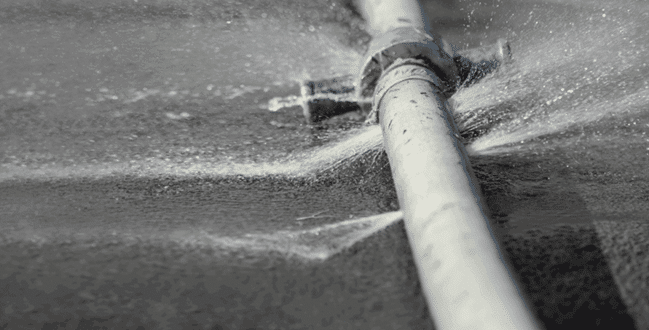
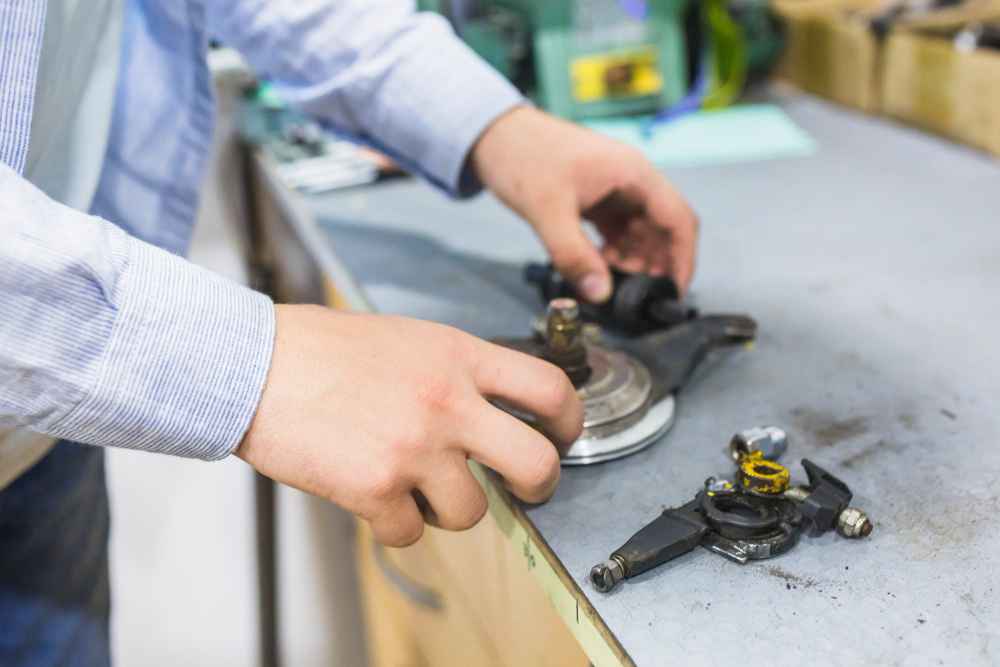
Technician inspecting mechanical components to detect potential failures in industrial products

Anticipating a failure before it happens is one of the most cost-effective decisions an industrial organisation can make. Understanding how to prevent failures in industrial products, and acting on that knowledge from the design phase, determines whether a potential problem is resolved quickly and at low cost, or discovered once the product is already on

How to replicate a component when no technical drawings exist

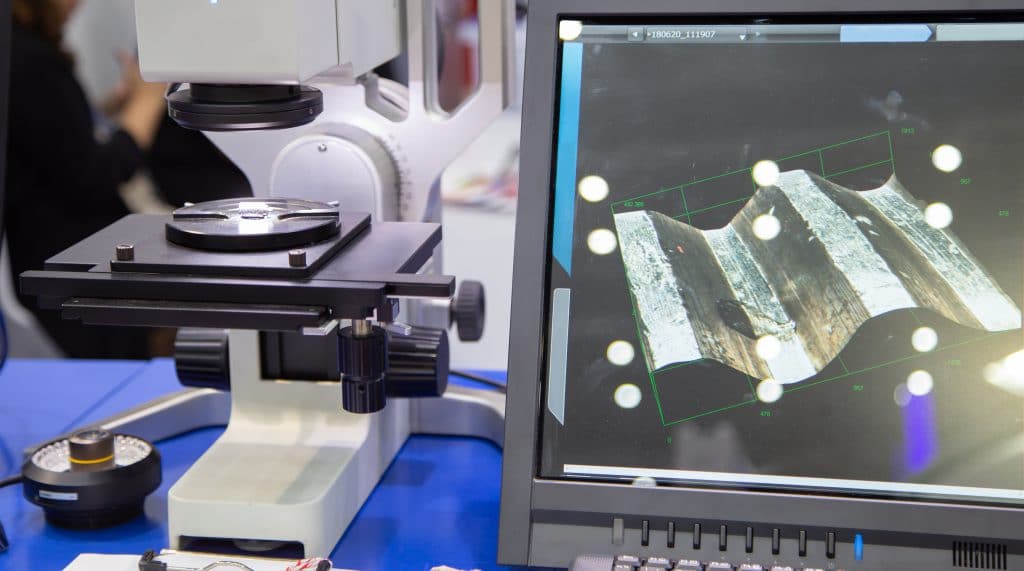
Microscope analyzing the surface of a material to characterize a part before replicating a component

Replicating a component without drawings means reconstructing all the technical information required to manufacture an industrial part again from the existing physical object, combining 3D scanning, dimensional analysis and material characterization. This process allows existing machinery to remain operational when spare parts are no longer available, the original manufacturer has disappeared or the technical documentation

How to identify a material when no technical documentation exists

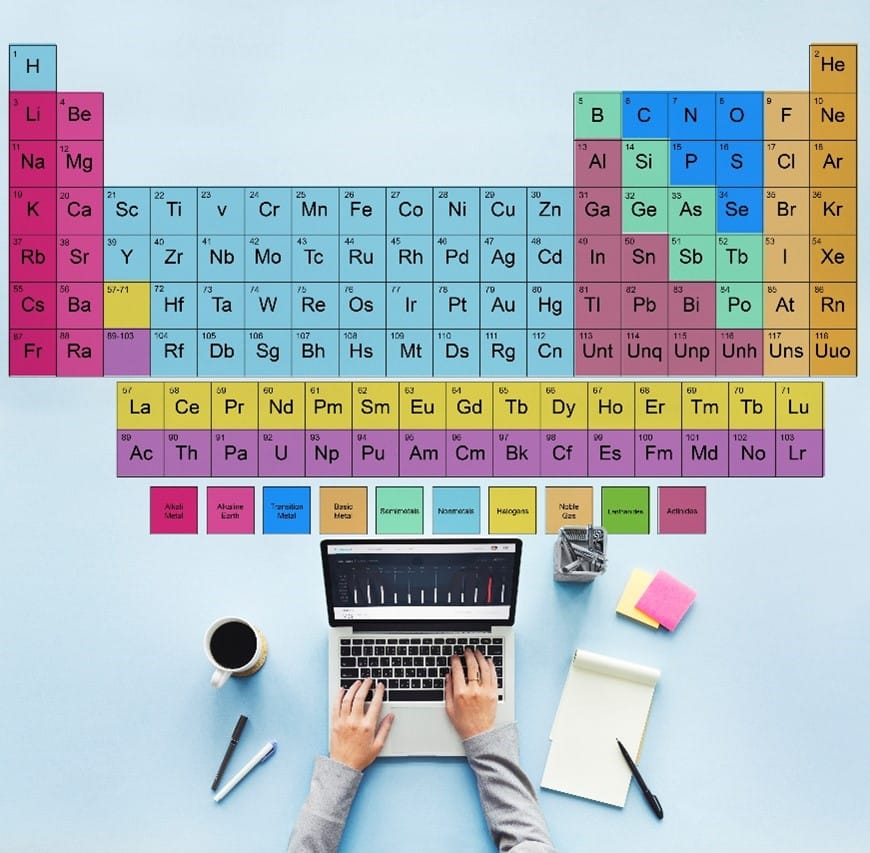
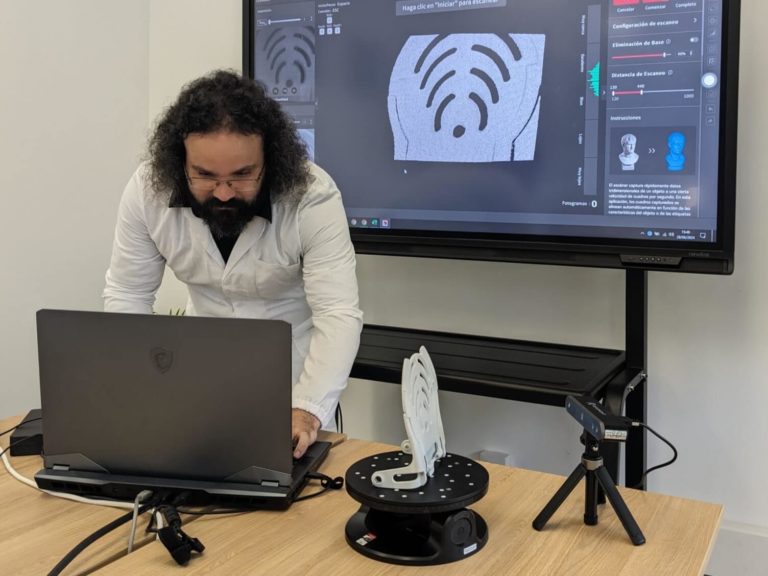
Engineer performing 3D scanning of a component for materials analysis and identification

Identifying a material without technical documentation means determining its chemical composition, structure, and properties through analytical techniques such as infrared spectroscopy (FTIR/ATR), elemental analysis by XRF or EDX, and X-ray diffraction. This process is necessary when working with parts without traceability, components supplied by external vendors, or samples recovered after a failure in service. What

How to identify a material failure versus design or process errors

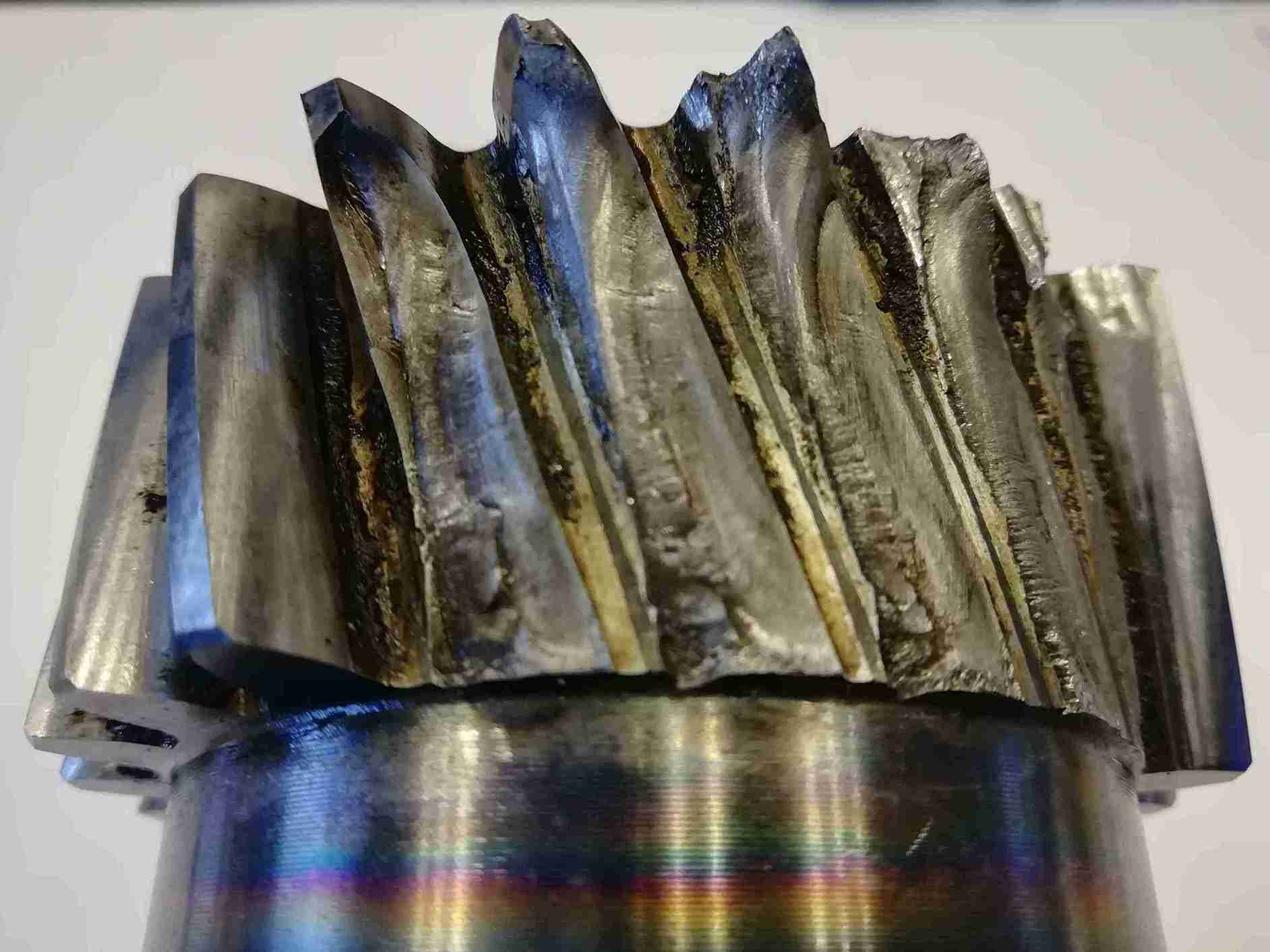
Engineer analyzing material microstructure with an electron microscope during a material failure analysis

A material failure is the inability of a component to fulfil its intended function as a result of inadequate material properties, internal defects, or in-service degradation. However, many failures attributed to the material actually originate in the design of the component or in defects introduced during the manufacturing process. Correctly identifying which of the three

How to investigate an industrial failure when no historical data exists

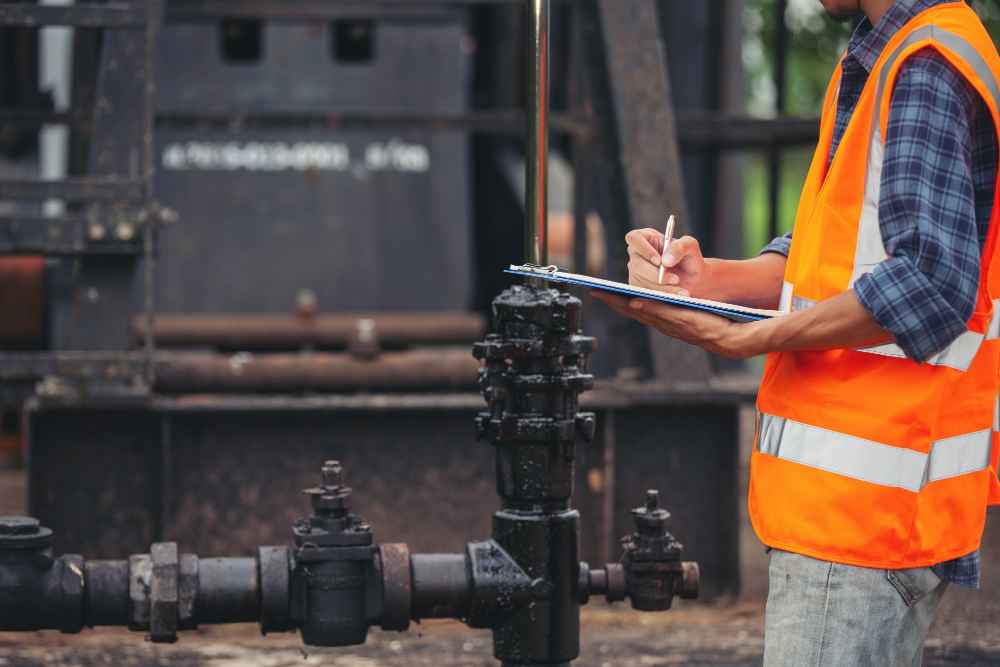
Engineer performing a technical inspection during an industrial failure investigation

Investigating an industrial failure without historical data means reconstructing the entire context from scratch: manufacturing conditions, process parameters, material properties, and service environment. With no prior references available, the analysis relies on the physical characterisation of the failed component, comparison against compliant samples, and experimental validation of hypotheses through targeted testing. This article explains how

Railway accidents and infrastructure failure analysis: a technical perspective from materials engineering

Railway accidents and infrastructure failure analysis: a technical perspective from materials engineering

Railway accident and analysis of failures and infrastructure: a technical perspective from materials engineering By INFINITIA · Specialists in failure analysis and forensic engineering Train accident in Córdoba: facts and status of the technical investigation On January 18, 2026, near Adamuz (province of Córdoba), a serious railway accident occurred after a high-speed train derailed, subsequently

INFINITIA, Aster Award for Digital Innovation: science and technology at the service of industry

INFINITIA, Aster Award for Digital Innovation: science and technology at the service of industry

Recognition of a technological innovation with business impact INFINITIA has been recognized with the Aster Award for Digital Innovation from ESIC Aragón, an award that distinguishes organizations that promote technological innovation as a driver of competitiveness, economic development, and business transformation. an award that distinguishes organizations that promote technological innovation as a driver of competitiveness, economic development,

MICROSCOPY FOR BIOLOGICAL SAMPLES

MICROSCOPY FOR BIOLOGICAL SAMPLES

What is microscopy for biological samples? Microscopy for biological samples is a fundamental discipline in research and quality control, which allows observing and analyzing structures invisible to the human eye, such as bacteria, fungi and biofilm. In this context, INFINITIA uses fluorescence optical microscopy and scanning electron microscopy (SEM-EDX) techniques to provide accurate and detailed

UV CHAMBER WITH XENON LAMP

UV CHAMBER WITH XENON LAMP

What is a UV chamber with xenon lamp? A UV chamber with xenon lamp is a piece of laboratory equipment used to accelerate the exposure of materials to sunlight, temperature, and humidity. Its main function is to evaluate the resistance to aging and compatibility of materials against ultraviolet (UV) radiation, making it essential for studies

Microbiology Room

Microbiology Room-Sala de Microbiología

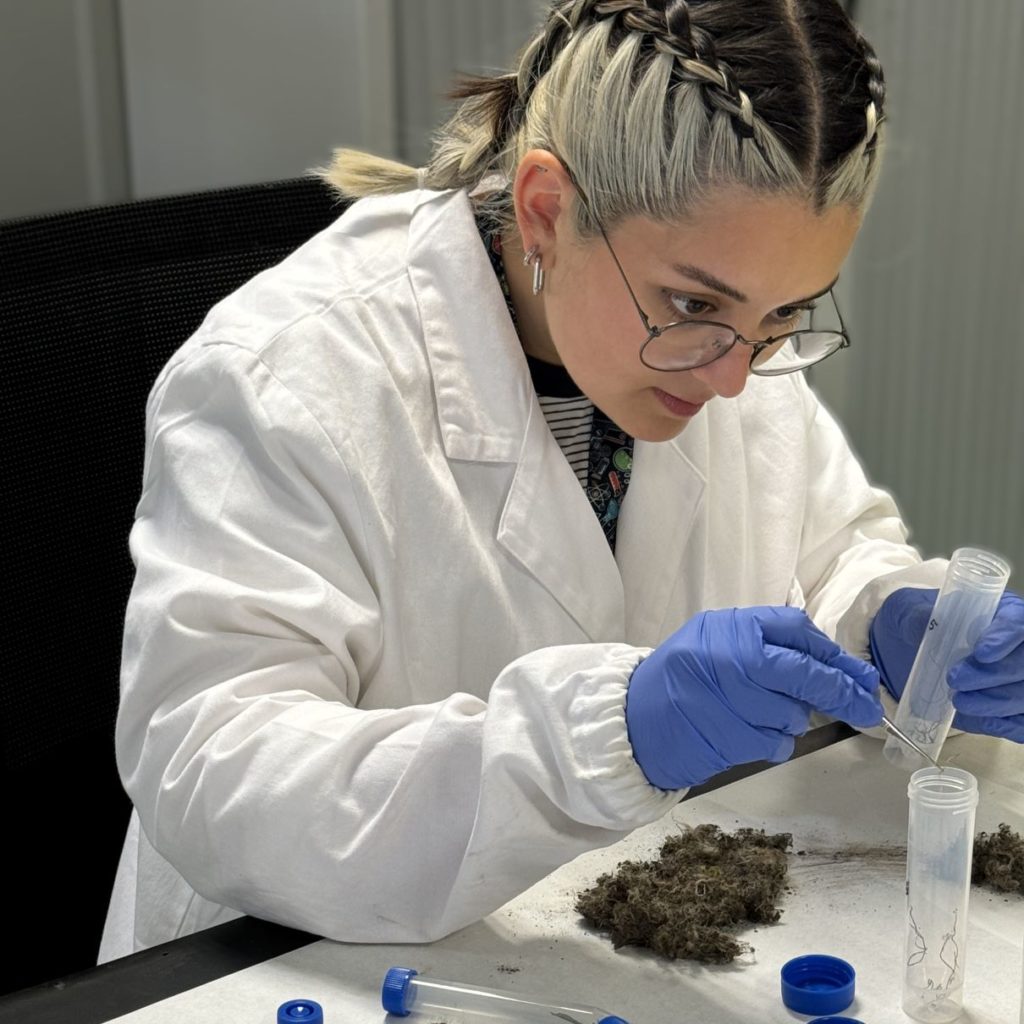
What is a Microbiology Room? INFINITIA’s Microbiology Room is a specialised space for the study, handling and analysis of microorganisms under controlled biosafety conditions. Equipped with biosafety level 2 (BSL-2) infrastructure, it allows testing of both common and potentially pathogenic microorganisms, always under strict containment and safety measures. This environment allows bacteria and fungi to