


Structural steel testing
Structural steel testing is an essential tool for ensuring the reliability and durability of materials used in demanding sectors such as construction, heavy boiler making, industrial manufacturing, and civil engineering. Due to their critical role in high-value infrastructure and components, these steels require rigorous verification of their properties before being put into service.
At INFINITIA we understand the importance of ensuring that each batch of steel complies with the applicable regulations and technical standards, which is why we have a specialized industrial laboratory where our experts carry out chemical, mechanical, metallographic, and corrosion tests with the utmost precision. Thanks to the use of state-of-the-art technologies, at INFINITIA we offer reliable results and technical advice that directly contributes to the safety and quality of industrial projects.
Talk to a specialist
Request a free initial consultation; contact a consultant from our team of specialists

What are structural steel tests?
What is it?

A structural steel test is a characterization procedure that allows for detailed analysis of the chemical, physical, and mechanical properties of the material in order to confirm that it meets established regulatory and functional requirements. These studies range from chemical composition analysis using techniques such as optical emission spectrometry (OES), X-ray fluorescence (XRF) used in non-destructive testing to evaluate the composition of steel test pieces,& nbsp;or scanning electron microscopy with EDX analysis, to mechanical tests such as tensile, hardness, and impact (Charpy) tests.
Metallographic testing also allows us to evaluate the microstructure of steel, detecting inclusions, segregations, or internal defects that could compromise its performance. At INFINITIA, we adapt the methodology of each test to the needs of our customers, achieving results that are applicable to both raw materials and finished products.
Tests on structural steels at INFINITIA
At INFINITIA, we conduct tests on structural steels using a combination of advanced testing methods, cutting-edge equipment, and proven methodologies. Our laboratory is equipped with optical emission spectrometers, ICP-OES/ICP-MS analysis systems, X-ray fluorescence equipment, and SEM-EDX microscopy for chemical and microstructural characterization. In terms of mechanical testing, we apply standardized testing methods for steel structures, tensile strength, Brinell/Rockwell/Vickers hardness and Charpy impact strength, complemented by fatigue and fractography studies when necessary.
To evaluate corrosion behavior, we use electrochemical cells and potentiostats that allow us to obtain corrosion and passivation rate parameters. Thanks to this infrastructure, INFINITIA ensures highly accurate results, useful for material approval, supplier validation, or in-service failure diagnosis. In addition, our technical team accompanies each project with practical recommendations, ensuring that companies have clear and actionable information to improve their production processes.
Benefits of structural steel testing
Benefits
The benefits of conducting tests on structural steels are numerous and decisive for the industry. First, they allow verification that the steel complies with certification requirements, UNE-EN standards and international standards, ensuring its suitability for critical applications. In addition, these tests facilitate the early detection of non-conformities, which helps prevent service failures, reduce costs associated with repairs or downtime, and increase safety in the end use of the material.
A clear example can be found in bridge and building construction projects, where knowing the exact elastic limit, strength, and ductility of steel is evaluated through laboratory testing, which is essential to prevent structural collapse. At INFINITIA, we have seen how metallographic analysis and corrosion studies offer added value to companies seeking to extend the service life of their metal components by optimizing welding processes and heat treatments.
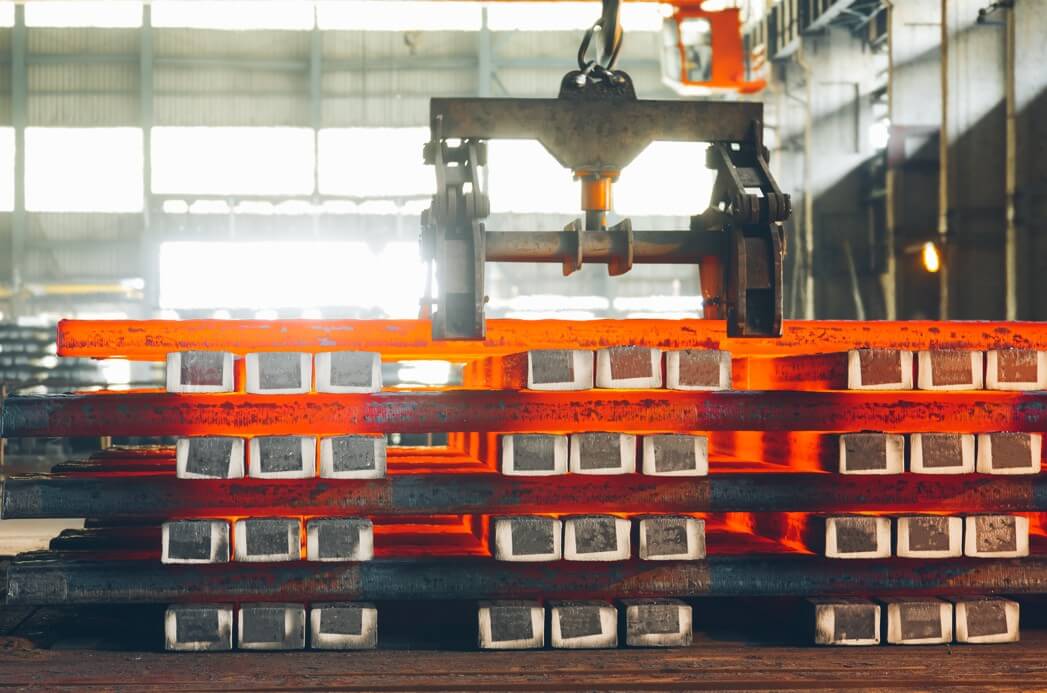
Types of Structural Steel Testing, steel testing, and testing according to specifications
Types
At INFINITIA, we develop different structural steel tests. To evaluate the mechanical properties of steel products, we use specific test specimens and assess the chemical, mechanical, microstructural, and corrosion resistance properties of the metallic materials used in industrial projects. Our goal is to accurately characterize each steel, ensuring its regulatory compliance, suitability for production processes, and long-term performance.
Composition and chemical analysis tests
These tests make it possible to identify the elements that make up structural steel and their exact proportions, since small variations in the carbon, phosphorus, sulfur, or manganese content have a decisive influence on its properties.
At INFINITIA we use advanced techniques such as X-ray fluorescence (XRF) in our non-destructive testing, optical emission spectrometry (OES), X-ray fluorescence (XRF), inductively coupled plasma mass spectrometry (ICP-MS/ICP-OES) and SEM-EDX microscopy. This makes it possible to detect deviations in composition, validate the conformity of raw materials, and verify that steels comply with applicable UNE-EN standards.
Metallographic testing and microstructural analysis
The study of steel microstructure is key to evaluating its behavior under loads and service conditions. At INFINITIA, we use optical microscopy and scanning electron microscopy (SEM) techniques to examine phases, non-metallic inclusions, segregations, and internal defects.
This analysis is essential for correlating the manufacturing process (rolling, heat treatments, or welding) with the final properties of the material, as well as for diagnosing failures or fractures in components in service.
Mechanical tests
Mechanical tests directly measure the response of structural steel to static or dynamic loads. In our laboratory, we perform:
- Tensile tests to determine elastic limit, maximum strength, and elongation.
- Hardness tests (Brinell, Rockwell, and Vickers) to quantify resistance to scratching or plastic deformation.
- Charpy impact tests to evaluate the ability to absorb impact energy at different temperatures.
These tests allow the safety of materials to be verified in critical applications such as bridges, industrial buildings, or metal structures subjected to dynamic stresses.
Corrosion tests
Corrosion resistance is a decisive factor in structural steels exposed to aggressive environments. At INFINITIA, we carry out electrochemical studies using potentiostats, salt spray tests, and climatic chambers.
These tests allow the corrosion rate to be estimated, passivating behaviors to be identified, and surface treatments or protective coatings to be selected that improve the durability of the material in service.
Applications of Structural Steel Testing
Sectors
Structural steel testing has strategic applications in numerous industrial sectors where safety, durability, and regulatory compliance are critical. At INFINITIA, we support manufacturers, engineering firms, and quality managers in material validation, supplier approval, and the prevention of service failures.
Thanks to a combination of laboratory tests, we can guarantee the quality of steel products. Through chemical composition tests, mechanical tests, metallographic analyses, and corrosion studies, we provide reliable technical information that allows companies to optimize processes, reduce risks, and guarantee the structural performance of steel in real-world conditions.
Construction and Civil Engineering Materials: Structural steel testing for safety, control testing, and service life
In the construction and civil engineering sector, structural steels are fundamental elements in buildings, bridges, walkways, and industrial buildings. At INFINITIA, we carry out tests aimed at:
- Verify the chemical composition of structural steels in accordance with UNE-EN standards.
- Confirm mechanical properties such as elastic limit, tensile strength, and elongation.
- Evaluate Charpy resilience to prevent brittle behavior, especially in cold climates.
- Analyze the microstructure of steel to detect defects associated with manufacturing or rolling.
These tests ensure the safety of structures, provide technical justification for the use of the material, and comply with the requirements of project managers and regulatory bodies.
Boiler making and metal structures: Mechanical testing and quality control in steel welding
In heavy boiler making and metal structure manufacturing, steel quality directly influences weldability, mechanical strength, and dimensional stability. At INFINITIA, we perform specific tests for:
- Analyze the composition of the base steel and its compatibility with welding processes.
- Evaluate heat-affected zones (HAZ) through metallographic studies.
- Measuring hardness variations associated with thermal cycles or subsequent treatments is essential for quality assurance in steel.
- Detect inclusions, segregations, or internal defects that could compromise the integrity of the structure.
This approach allows for the optimization of manufacturing procedures, reduction of rejects, and improvement of the reliability of metal assemblies subjected to static and dynamic loads.
Energy Sector and Critical Infrastructure: Quality testing of sheet metal and structural steel for aggressive environments
The structural steels used in wind towers, electrical substations, refineries, and energy infrastructure are exposed to corrosive environments, thermal cycles, and continuous mechanical stress. At INFINITIA, we conduct tests aimed at:
- Evaluate behavior in the face of atmospheric and electrochemical corrosion.
- Compare steel grades and surface protection systems.
- Analyze microstructures degraded by aging or environmental exposure.
- Estimate the service life of the material under prolonged service conditions.
These studies enable the selection of more durable materials, reduce maintenance costs, and minimize the risk of unscheduled downtime in critical infrastructure.
Transportation and Mobility Infrastructure: Structural steel testing for safety and serviceability
Transport infrastructure (such as railways, steel bridges, footbridges, stations, port structures, and urban mobility systems) depends heavily on the correct performance of the structural steels used in their construction. These materials are subject to cyclic loads, vibrations, mechanical fatigue and prolonged environmental exposure, which requires exhaustive control of their properties.
At INFINITIA, we conduct tests aimed at:
- Verify the chemical composition of structural steels used in critical infrastructure.
- Evaluating key mechanical properties such as ductility and strength is essential in structural testing. Elastic limit, tensile strength, and ductility are essential for withstanding dynamic loads.
- Determine the Charpy impact strength to ensure safe behavior against impacts and low temperatures.
- Analyze the microstructure of steel to detect defects associated with manufacturing, rolling, or welding processes.
These tests ensure the quality and certification of steel products and structural safety. Complying with demanding technical standards and extending the service life of mobility infrastructure, reducing maintenance costs and operational risks, is essential for quality assurance.
Industrial Manufacturing and Capital Goods: Control testing and specification of high-performance steels
In the manufacture of industrial machinery and capital goods, structural steels must offer repeatable and controlled mechanical behavior. At INFINITIA, we support manufacturers by:
- Tensile and hardness tests to validate the consistency of steel batches.
- Chemical analysis to verify the stability of the composition between supplies.
- Metallographic studies to correlate manufacturing processes with final microstructure.
- Evaluation of rolled steel used in frames, supports, and load-bearing elements.
These tests improve quality control, reduce batch-to-batch variations, and ensure the reliability of the final products.
Heavy Machinery and Industrial Equipment: Mechanical testing of structural steel for high performance and durability
In the manufacture of heavy machinery and industrial equipment, structural steels are used in frames, chassis, bedplates, loading arms, and support structures subjected to high mechanical stresses, impacts, and fatigue cycles. Inadequate material performance can lead to production stoppages, mechanical failures, and high repair costs.
At INFINITIA, we conduct tests for:
- Confirm the stability of the chemical composition of the steel against the technical specifications of the design.
- Perform tensile and hardness tests to ensure load-bearing capacity and wear resistance.
- Analyze microstructures to correlate heat treatments and manufacturing processes with final mechanical behavior.
- Assessing the impact of environmental and service conditions on the progressive degradation of the material is crucial for structural testing.
Thanks to these studies, manufacturers can optimize the design of their equipment, improve operational reliability, and ensure that the structural steels used adequately meet the demands of intensive use in harsh industrial environments.
INFINITIA, your reliable partner and strategic ally. Testing and quality control laboratory for structural steel in accordance with ISO and ASTM standards.
Value
Structural steel testing is an indispensable resource for ensuring the safety, durability, and reliability of materials used in strategic sectors such as construction, boiler making, engineering, and energy infrastructure. Thanks to the combination of chemical, mechanical, metallographic, and corrosion tests, it is possible to obtain a complete picture of the behavior of steel and anticipate its performance in real-world conditions.

At INFINITIA, we offer our clients access to a specialized industrial laboratory equipped with state-of-the-art technologies such as OES spectrometry, ICP analysis, SEM-EDX microscopy, and Charpy impact testing. Our team of specialists not only focuses on obtaining accurate results, but also on their technical interpretation, offering practical recommendations that help companies optimize their processes and reduce risks.
The importance of these tests lies not only in compliance with international standards, but also in the possibility of preventing failures, improving production efficiency, and extending the service life of critical components. Furthermore, current trends point to a growing need for more sustainable, corrosion-resistant materials that are adapted to extreme conditions, further reinforcing the relevance of specialized testing of structural steels.
Having INFINITIA as a technology partner means having an ally that provides scientific rigor, experience in different sectors, and capacity for innovation. Our mission is to accompany industrial companies through every stage of their materials’ life cycle, ensuring that the structural steel used in their projects always meets the highest standards of quality and safety.