
What does preventing failures in industrial products mean?
In today’s industrial environment, the occurrence of product failures can have significant technical, economic, and reputational consequences. A failure not only implies the loss of functionality of a component or system, but it can also affect production continuity, generate customer complaints, or even lead to product recalls. For this reason, more and more organizations are adopting strategies aimed at preventing failures in industrial products and helping prevent failure before products enter service.
Failure prevention is based on identifying in advance the mechanisms that could lead to product degradation, loss of performance, or unexpected behavior during use. This approach involves analyzing product design, materials, manufacturing processes, and real operating conditions to detect potential technical vulnerabilities. Unlike reactive investigations, which are carried out after a failure has already occurred, prevention focuses on anticipating risk scenarios.
Preventive failure analysis makes it possible to identify technical vulnerabilities during product design and validation stages. Detecting these risks before product launch significantly reduces the cost of corrective actions.
In industrial sectors where products must operate for long periods and under demanding conditions, such as automotive, energy, industrial machinery, or electronics, failure prevention has become a key element of product development. Detecting potential problems during design or validation phases allows corrective actions to be implemented at a much lower cost than when the product is already on the market.
In addition, modern quality management systems increasingly require an approach based on risk anticipation. Industrial standards and regulations promote the early identification of potential failure modes as well as the implementation of mitigation measures before the product reaches the mass production stage. In this context, failure prevention should not be understood as a single activity within product development, but rather as a transversal technical strategy that combines risk analysis, reliability engineering, and experimental validation.
Preventive failure analysis in industrial products
Preventive failure analysis consists of systematically studying the possible causes that could lead to the malfunction of a product before the problem manifests under real operating conditions. This approach is based on a fundamental premise. Any industrial product is exposed to multiple variables that can affect its behavior over time.
Factors such as mechanical loads, thermal cycles, chemical exposure, vibrations, or manufacturing tolerances can lead to progressive degradation that, under certain circumstances, results in failures. The objective of preventive analysis is to identify these potential scenarios and evaluate the probability of their occurrence by examining different aspects of the product.
These aspects include component geometry, material selection, manufacturing processes, expected operating conditions, and interaction with other system components. This type of evaluation makes it possible to detect configurations that may lead to problems such as premature fractures, accelerated wear, corrosion phenomena, permanent deformations, or loss of functionality.
In many cases, preventive analysis also relies on knowledge obtained from previous failure investigations. Experience accumulated through forensic engineering studies helps to understand which degradation mechanisms are most common in specific materials, designs, or service conditions. The result of this process is usually a technical risk map that identifies the most sensitive areas of the product and prioritizes those that require corrective actions or additional experimental validation.
Factors influencing the reliability of industrial products
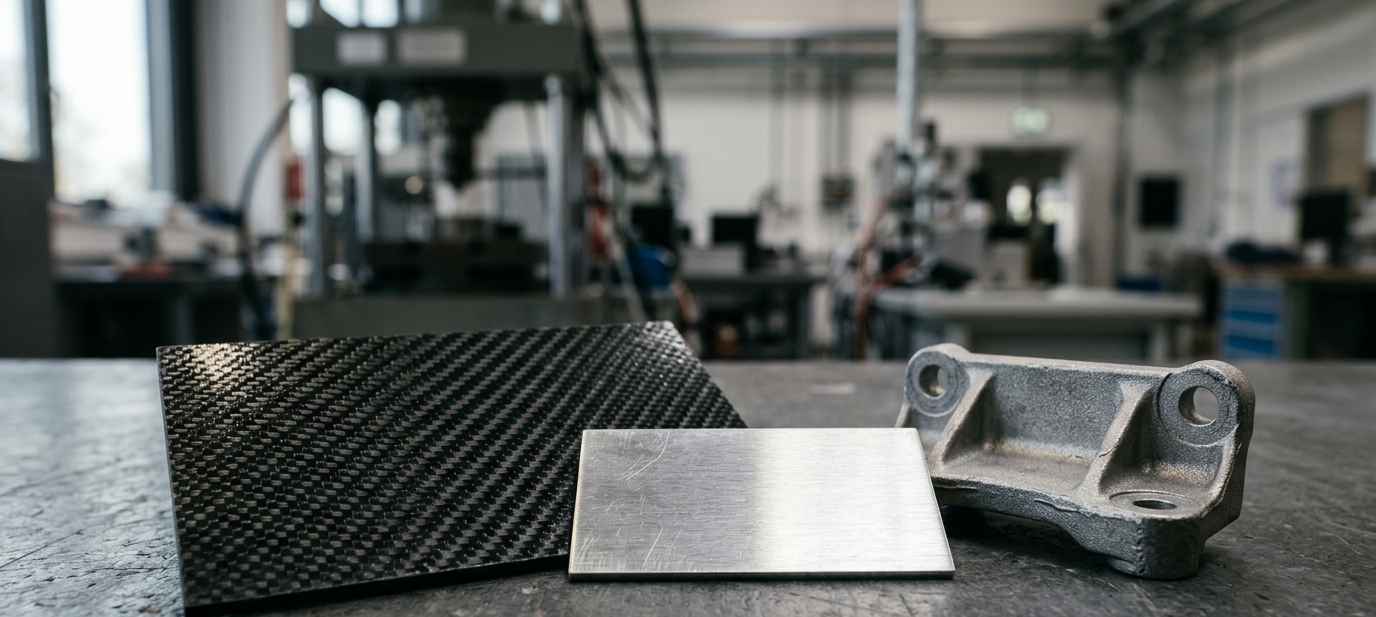
The reliability of industrial products depends on multiple factors that interact throughout the product’s life cycle. Understanding these variables is essential to anticipate potential problems and design effective prevention strategies. One of the most relevant factors is material selection, as the mechanical, thermal, and chemical properties of a material determine how it behaves under different loading conditions and environmental exposure.
Inappropriate material selection may lead to premature degradation, particularly in aggressive environments or where significant temperature variations occur. Another key factor is component design. Stress concentrations, complex geometries, or excessively tight tolerances can increase the likelihood of cracks, deformations, or structural failures.
Manufacturing processes also have a direct influence on product reliability. Incorrect heat treatments, machining processes that introduce residual stresses, or variations in production parameters can alter material properties and create vulnerable areas within the component. Even small geometric variations can significantly affect stress distribution.
Finally, real operating conditions often introduce additional variables that may not have been fully considered during design. Factors such as unexpected vibrations, dynamic loads, temperature fluctuations, or exposure to chemical agents can accelerate degradation mechanisms that were not initially considered critical. The combination of these factors explains why failure prevention requires a multidisciplinary approach that integrates knowledge of materials science, mechanical design, industrial processes, and service conditions.
Technical impact and industrial implications
Failures in industrial products can generate consequences that go far beyond simply replacing a defective component. In many cases, the impact extends to different levels of the organization, affecting both technical operations and relationships with customers and suppliers.
From an operational perspective, an unexpected failure may cause production interruptions, increased maintenance costs, or even the shutdown of critical systems. In complex industrial environments, a single defective component can compromise the operation of entire machines or production lines.
From an economic standpoint, the costs associated with failures detected in the field are usually significantly higher than those identified during early development stages. Service repairs, warranty claims, product replacements, or recall campaigns can generate substantial financial impacts.
There is also a reputational impact. In highly competitive sectors, recurring reliability problems can affect customer confidence and the perceived quality of the product. For these reasons, many industrial companies have adopted strategies aimed at anticipating potential problems before the product reaches the market.
Risks associated with late detection of product failures
Early detection of product failures is one of the main objectives of failure prevention programs. When a problem is identified at advanced stages of the product life cycle, corrective options tend to be more limited and more costly.
Identifying a potential failure during development makes it possible to implement design or process improvements before the product reaches the market or the customer.
During the design phase, changes can be implemented relatively quickly through modifications to drawings, materials, or product configurations. However, once the product is already in production or service, any modification may require complex redesigns, revalidation processes, or changes in the supply chain.
Late detection of failures can also create traceability and quality control challenges. When a defect is discovered after multiple batches have already been manufactured or distributed, determining the true scope of the problem becomes more difficult. In some sectors this situation may even involve safety risks or regulatory non-compliance, particularly in components subjected to structural loads or critical electronic systems.
Methodological framework of FMEA (failure mode and effects analysis)
One of the most widely used tools to anticipate potential problems in product development is FMEA, failure mode and effects analysis. This methodology allows engineers to analyze in a structured way how a product or process could fail before the problem actually occurs.
FMEA makes it possible to anticipate how a product might fail and to prioritize technical risks before production begins.
The analysis begins by identifying the main functions of the product and the components involved in its operation. From this starting point, possible failure modes that could prevent the system from fulfilling its intended function are examined.
Once potential failure modes are identified, the causes that could lead to these failures are analyzed. These causes may be related to component design, material properties, variations in manufacturing processes, or operating conditions during the product’s service life. The next step consists of evaluating the consequences that each failure mode could generate within the system and estimating the associated level of risk.

Methods of analysis, evaluation, or solution
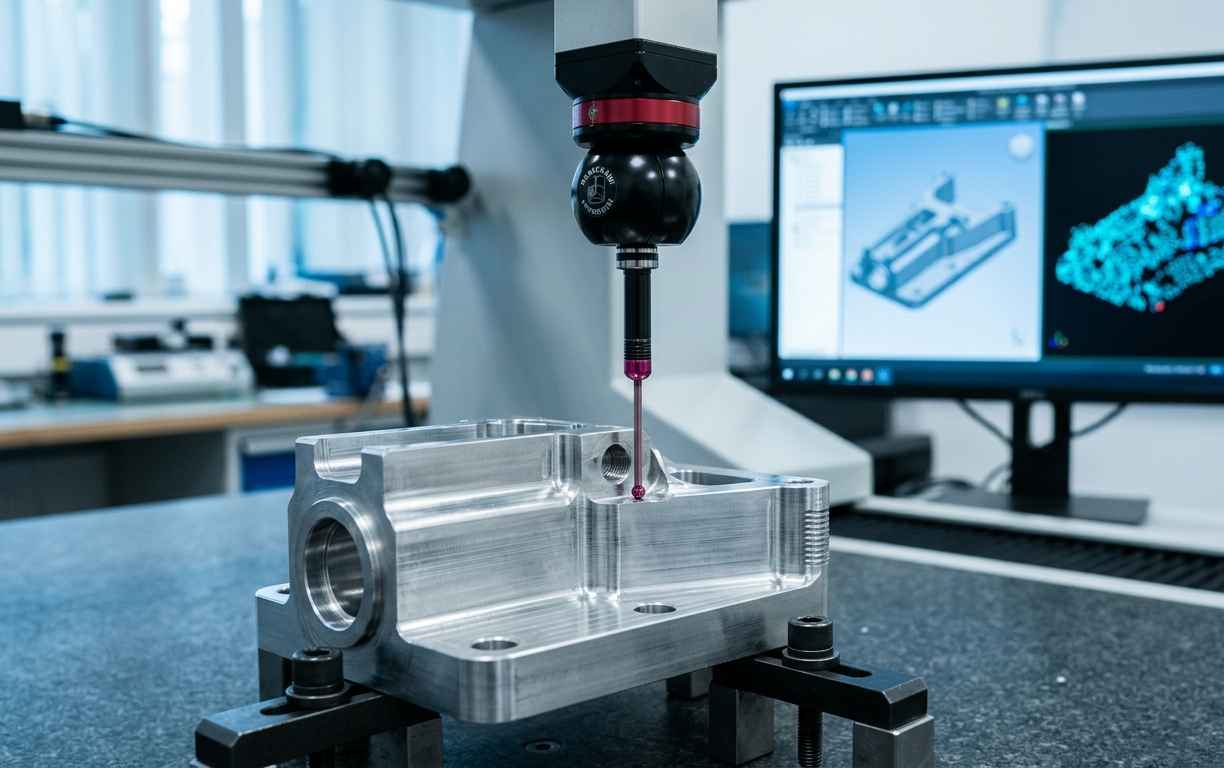
Effective failure prevention requires combining conceptual analysis tools with experimental techniques that allow product behavior to be validated under representative conditions. Although risk analysis helps identify potential failure scenarios, it is often necessary to complement this study with laboratory testing or simulations.
This approach makes it possible to move from theoretical hypotheses to experimental verification and reduces uncertainty regarding product behavior. Testing and validation activities provide practical evidence of how a product performs under specific operating conditions.
By integrating analytical and experimental methods, engineers can confirm whether a design is robust enough to withstand real service conditions. This process also makes it possible to identify possible weaknesses before the product reaches large-scale production.
Reliability testing techniques in laboratory conditions
Laboratory reliability testing allows engineers to evaluate product behavior under controlled conditions that reproduce or intensify the stresses the product will experience during its service life.
These tests make it possible to verify whether a product maintains its expected performance when exposed to demanding operating conditions.
The objective of this type of testing is to observe how product properties evolve when subjected to different types of loads or environmental conditions. This makes it possible to identify degradation mechanisms that could appear over time during real use.
Tests may focus on different physical or chemical phenomena. Some analyze the resistance of materials to repeated stresses that can lead to mechanical fatigue. Others reproduce temperature cycles to evaluate dimensional stability or resistance to repeated thermal expansion and contraction.
There are also tests designed to study product behavior in corrosive environments, under mechanical vibrations, or during accelerated aging processes. In many cases these tests reproduce conditions more severe than those experienced during normal use, allowing long-term degradation mechanisms to be observed in shorter periods of time.
Application of reliability engineering in product development
Reliability engineering integrates analytical and experimental tools to design products capable of maintaining their functionality throughout their expected service life. This discipline combines knowledge from materials science, risk analysis, statistics, and product engineering.
Through reliability engineering, engineers can anticipate how a product will evolve throughout its life cycle by studying the loads it will experience, the properties of the materials used, and the interactions between system components.
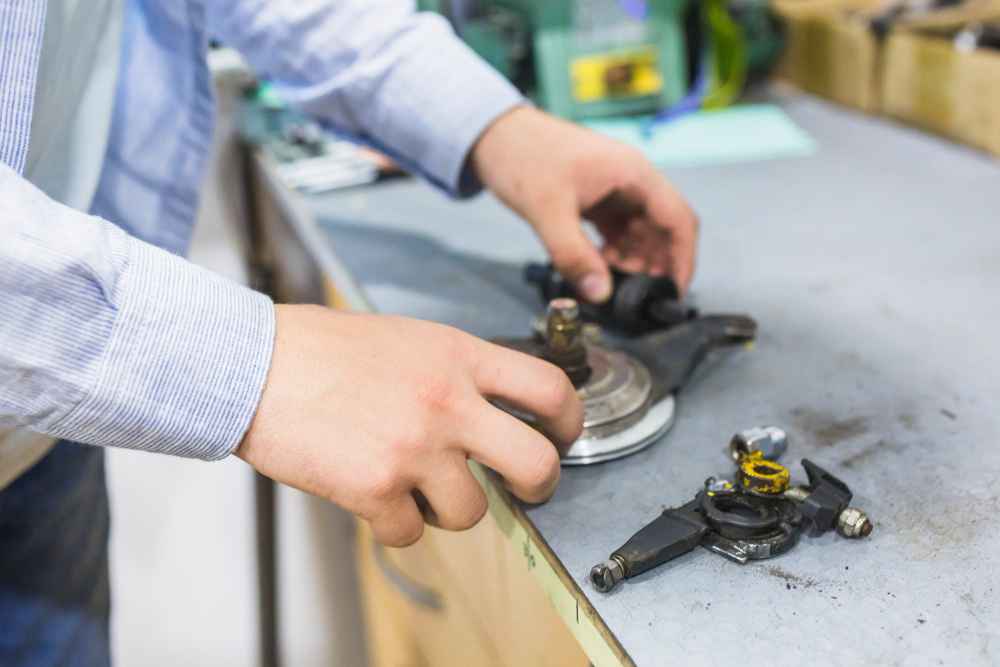
The analysis may also include comparative studies between components that have failed and those that have operated correctly. This approach helps identify relevant differences and determine which factors contribute most strongly to product performance.
Integrating reliability engineering into product development supports technical decision-making based on experimental evidence. As a result, the probability of failures occurring during service is reduced and overall design robustness is improved.
Anticipating failures in product development
Preventing failures in industrial products has become a strategic priority for many organizations seeking to improve product reliability and reduce the economic impact associated with field incidents. Effective prevention requires a combination of tools capable of anticipating potential degradation mechanisms before they appear in real operating conditions.
Preventive failure analysis, risk assessment methodologies, and reliability testing are fundamental elements of this approach. When these tools are integrated from the earliest design stages, it becomes possible to identify technical vulnerabilities earlier and implement improvements before the product reaches the market.
This approach significantly reduces costs associated with late redesigns, replacement campaigns, or customer claims. It also contributes to improving product quality and maintaining confidence in industrial systems.
In an increasingly demanding industrial environment, where products must operate for long periods and under complex conditions, anticipating potential failure modes becomes a key factor in ensuring product quality and reliability. In cases where uncertainties exist regarding product behavior or potential failure risks, it may be useful to carry out a specific technical evaluation of the design, materials, or operating conditions. If you need to analyze a specific case, you can contact our technical team here.