

Our customers
We are your trusted partner in industrial engineering


















Process Improvement Consulting
Improving an existing product without redesigning it from scratch is often the fastest and most cost-effective way to gain competitiveness. Product improvement is the technical service that optimizes the properties, performance, and quality of an industrial product by acting on its materials, finishes, and functionalities, starting from an already defined base instead of launching a new development.
The work combines materials characterization, selection of alternative materials, modification of properties through additives or reformulation, and application of surface coatings, with the aim of raising specific performance levels: durability, corrosion and wear resistance, functional aesthetics, or regulatory compliance.
The result is quality products with measurable performance. INFINITIA acts as an external technical partner with an industrial outlook, integrating with the client team to translate a business objective into a measurable product improvement.
In demanding industrial environments, a product that does not evolve loses competitiveness in the face of regulatory pressure, new user requirements, and the emergence of more efficient materials. Anticipating that evolution within materials innovation avoids costly redesigns and later claims.
Talk to a specialist
Request a free initial consultation; contact a consultant from our team of specialists

What is product improvement and how does it raise product quality?
What is it?
Product improvement is the technical process that increases the performance of an existing industrial product by optimizing its materials, properties, and finishes, without requiring a complete redesign. It serves to resolve a specific shortfall (low durability, in-service failures, insufficient aesthetics, or a new legal requirement) while preserving the investment already made in the original design and improving the product.
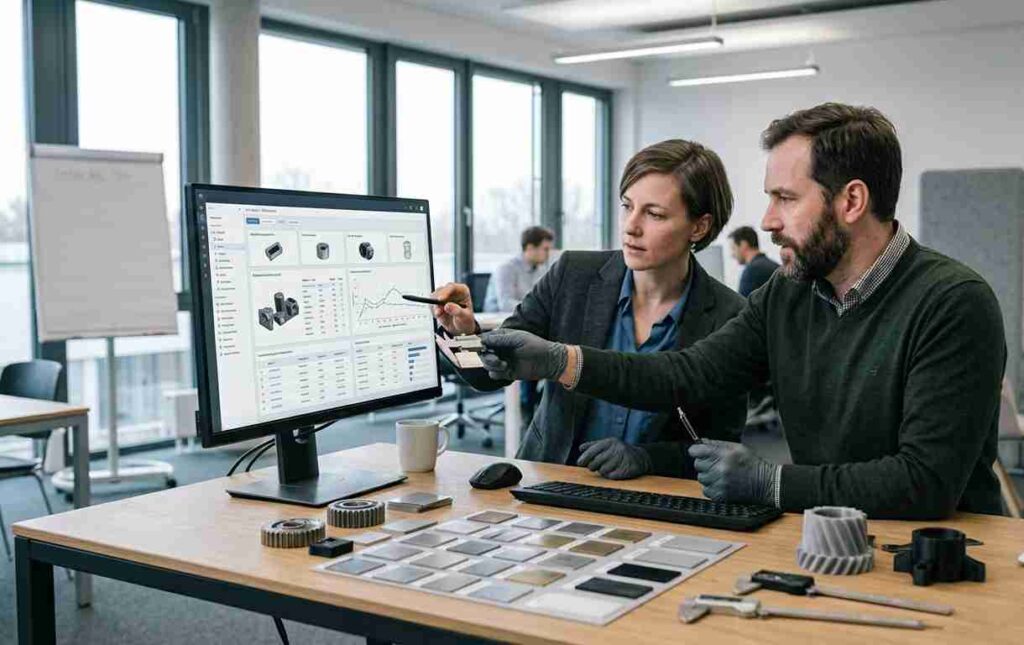
Unlike new product development, improvement starts from a validated base and works on it with engineering judgment. This requires precise knowledge of the real behavior of the material and the component: how it responds to fatigue, corrosion, temperature, or friction. Applying reference regulations and standards (the ISO, ASTM, or UNE families) in validation testing ensures that the improvement introduced is reproducible and verifiable, a common requirement in regulated sectors.
The technical approach covers several complementary levers. These include modifying material properties through additives or reformulation, incorporating surface coatings that protect against external agents, the selection of alternative materials with a better performance-to-cost ratio, and the optimization of surface finishes with an aesthetic and protective function. Materials characterization and material selection are the analytical foundations on which each change is decided.
INFINITIA approaches product improvement as an industrial technical consultant, not merely as a testing provider. The differentiating value lies in interpreting results and translating them into a product decision: which property to modify, with which material, and under what conditions, so that the improvement holds up in real use and not only under test conditions.
Product improvement at INFINITIA. Analytical rigor applied to product decisions
INFINITIA approaches product improvement as an external technical partner with an industrial outlook: the goal is not to test for testing’s sake, but to understand the product’s real function and improve the property that limits its performance. This approach connects technical data with the business decision and with client needs, so that each modification responds to a specific, measurable problem.
The methodology combines materials characterization, mechanical, chemical, and surface property testing, and the interpretation of those results in light of real conditions of use. Integration with process improvement ensures that a material change is also viable on the production line, avoiding improvements that cannot be industrialized.
The service works through complementary approaches: testing, interpretation, and decision-making. Laboratory data is compared against expected in-service behavior, and when a product already has a history of issues, the forensic engineering perspective provides the failure-mechanism knowledge that guides the improvement. This combination drives technical problem-solving, reduces trial and error, and shortens the optimization cycle.
INFINITIA’s differentiator lies in combining analytical rigor with industrial judgment. How does INFINITIA work? Starting from the product and its function, measuring what actually determines its performance, and proposing the most efficient improvement in terms of performance and cost. The specialized team works closely with the client so that the technical decision is applicable, traceable, and sustainable over time.
Problems addressed by product improvement in industry
problems
A product that fails due to corrosion or premature wear generates claims, batch recalls, and loss of customer trust. Product improvement identifies the degradation mechanism (chemical attack, fatigue, friction) and acts on the material or the finish to stop it, preventing the problem from reaching the market.
Incompatibility between a material and its service conditions is another recurring problem. A component selected for cost or availability can perform poorly when exposed to unforeseen temperature, humidity, or cyclic stress. Detecting that incompatibility before mass production reduces the risk of in-service failures and the extra costs associated with fixing them. When a failure has already occurred, failure analysis provides the root cause on which the improvement is designed.
Regulatory pressure and new user requirements make it necessary to update products that previously worked correctly. Changes in legislation, sustainability requirements, or demands for greater lightness and strength turn a product quality improvement into an operational necessity, not an option. Postponing that adaptation leaves the product out of the market or out of compliance.
Finally, a lack of technical judgment when introducing changes leads to improvements that degrade other properties: a coating that increases hardness but reduces adhesion, or an additive that improves strength but compromises processability. A rigorous product improvement assesses the overall effect of the change on the whole component, preserving the balance between performance, cost, and reliability.
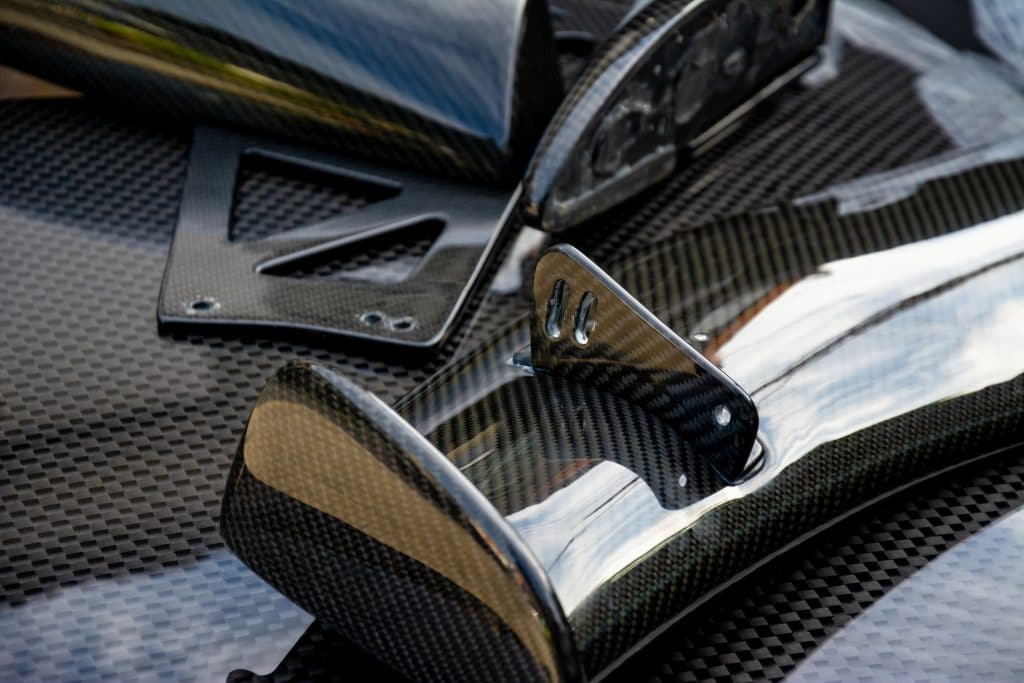
Applications of product improvement to raise quality, performance, and durability
Applications
The applications of product improvement are cross-cutting: any component whose material, finish, or function can be optimized is a candidate for this service. From corrosion protection to the incorporation of new functionalities, deciding how to improve a product starts with identifying the property that limits its performance.
INFINITIA applies these levers with technical judgment and a focus on real-world use. Each application is developed by measuring the effect of the change on the product as a whole, so that improving one property does not compromise other performance aspects that are critical to quality or reliability.
Selection of corrosion-resistant materials
The selection of corrosion-resistant materials involves identifying the alloy, polymer, or finish that best withstands chemical attack under the product’s real service conditions. This includes analyzing the exposure environment (humidity, saline atmospheres, chemical agents), the predominant type of corrosion, and galvanic compatibility between materials in contact, based on comparative tests (such as salt spray testing per ISO 9227) and characterization of the original material. Corrosion analysis provides the specific mechanism on which the replacement or protective finish is decided.
This application makes it possible to decide, based on data, whether it is worth changing the base material, applying a coating, or adjusting the assembly design to eliminate moisture-accumulation points as part of the improvement process. The impact is direct on durability and on reducing claims for premature failure. INFINITIA, as an external partner, weighs the alternatives against cost and availability so the decision can be made quickly for production.
The selection of corrosion-resistant materials turns a recurring failure into a structural improvement of the product, extending its service life without penalizing manufacturing cost. It is one of the levers with the highest return when the dominant failure mode is chemical degradation.
Performance improvement through surface coatings
Surface coatings are functional layers applied to a material to improve its strength, wear behavior, or protection against external agents without modifying the substrate. Adhesion is assessed using standardized tests such as the ISO 2409 cross-cut test, along with thickness, hardness, and the coating’s compatibility with the base material and the production process, since a poorly selected finish can peel off or embrittle the part.
This application makes it possible to raise specific performance levels (hardness, abrasion resistance, anti-corrosion barrier) while preserving the original component’s properties and base cost. The decision on which coating to apply determines the product’s in-service reliability, so INFINITIA validates each option against real conditions of use before recommending it.
Applying the right surface coating turns a low-cost material into a high-performance component, optimizing the cost-performance ratio. It is the most efficient route when the substrate fulfills its structural function but its surface is the weak point.
Modification and reformulation of material properties
Property modification involves altering a material’s composition or formulation (through additives, fillers, or matrix changes) to give it performance characteristics the original material lacks. This includes studying additive dispersion, its effect on mechanical properties and processability, and the long-term stability of the result, ensuring that improving one property does not degrade others.
This lever makes it possible to decide how to give a product new functionalities (greater stiffness, thermal resistance, flame-retardant behavior, or conductivity) without changing the base material. The impact on design and reliability is significant, since reformulation affects the component as a whole. INFINITIA, as an industrial technical consultant, validates that the change is reproducible and compatible with the production line.
Modifying material properties opens up the possibility of redesigning a product’s performance from its composition outward, a decisive lever when market requirements exceed the performance of the original material.
Surface finishes and aesthetics: improving perceived quality
Surface finishes determine both the product’s appearance and its protection against the environment, combining aesthetic and technical function in a single layer. This includes analyzing roughness, color, gloss, uniformity, and the finish’s resistance to cleaning, radiation, or contact, conditions that affect perceived quality and surface durability.
Optimizing the finish makes it possible to decide the balance between aesthetics and protection without resorting to oversized processes. The impact on perceived quality and on the strength of the final product justifies treating the finish as a technical variable, not a decorative one. INFINITIA evaluates the finish together with the material and the process to ensure consistency between appearance and performance.
A well-optimized surface finish raises the product’s perceived quality and its real protection at a controlled cost, integrating aesthetics into the technical improvement strategy.
Material substitution and incremental improvement
Material substitution replaces one material with another that offers a better performance-to-cost ratio or greater availability, while maintaining or improving the product’s function. This involves comparing the mechanical, thermal, and chemical properties of the candidate material against the original, as well as its behavior under real service conditions, based on rigorous comparative testing.
This application makes it possible to decide on gradual, low-risk improvements — incremental improvement — as opposed to a complete redesign, optimizing cost, weight, or sustainability in a controlled way. Validation through prototyping reduces risk before scaling the change to production. INFINITIA provides the judgment needed to distinguish which substitutions add real value and which introduce hidden risks.
Material substitution turns a supply constraint or a cost overrun into an improvement opportunity, provided the decision is based on comparative data rather than theoretical equivalences.
Integration of new functionalities and smart materials
Smart materials change their properties in response to external stimuli (temperature, light, stress) and make it possible to give a product functionalities that a conventional material cannot offer. This involves evaluating the material’s response to the stimulus, its stability, and its integration with the rest of the component, since these solutions require specific validation of their behavior.
Incorporating new functionalities makes it possible to differentiate the product and open up applications that were previously unviable, a decision that combines technical risk and competitive potential. INFINITIA, as a specialized team, assesses the maturity of each solution and its industrial viability before recommending its integration.
Integrating smart materials positions a product at the leading edge of its category, provided the added functionality withstands real conditions of use and is industrially viable.
Sectors where product improvement raises performance and reliability
sectors
Product improvement applies across industry: any sector manufacturing components subject to durability, regulatory, or performance requirements can optimize its product by acting on materials and finishes. The improvement lever changes depending on the service conditions of each sector.
INFINITIA adapts its approach to the reality of each industry, prioritizing the critical property (corrosion, fatigue, lightness, thermal management) that determines product performance in that context. Innovative solutions are tailored to each sector-specific demand.
Product improvement in automotive: components subject to fatigue, corrosion, and thermal cycling
In the automotive sector, components operate under cyclic loads, exposure to corrosive agents, and constant thermal variation, conditions that accelerate the degradation of metallic and polymeric materials. Component reliability directly affects vehicle safety and warranty.
- Fatigue resistance: selecting materials and treatments that withstand prolonged load cycles without crack initiation.
- Anti-corrosion protection: coatings and finishes that preserve the component’s integrity against salt and humidity.
- Thermal stability: materials that maintain their properties across the temperature range of the engine and braking environment.
Product improvement in the automotive sector makes it possible to extend the service life of critical components and reduce field claims. INFINITIA addresses these challenges by selecting the optimal material and finish based on the dominant failure mode in each part.
Product improvement in chemicals and petrochemicals: materials exposed to corrosive agents and high temperatures
In the chemical and petrochemical sector, materials withstand aggressive media, high pressures, and extreme temperatures that demand superior chemical and mechanical resistance. A material failure can compromise plant safety and process continuity.
- Chemical resistance: selecting alloys and polymers compatible with the agents present in the process.
- High-temperature stability: materials that retain their performance under continuous thermal stress.
- Seal and coating integrity: finishes that prevent leaks and degradation in corrosive environments.
Product improvement in chemicals and petrochemicals raises the reliability of equipment and components under critical conditions. INFINITIA selects materials and coatings validated against the specific agents of each process.
Product improvement in industrial machinery: components subject to wear, fatigue, and continuous load
In industrial machinery and capital equipment, components operate under continuous load, constant friction, and cyclic stress that accelerate material wear and fatigue. The reliability and maintainability of each component determine machine availability and total operating cost.
- Wear resistance: selecting materials and surface treatments for parts under permanent contact and friction.
- Fatigue durability: materials that maintain their integrity under cyclic loads and intensive service.
- Dimensional stability: finishes and materials that preserve tolerances and performance throughout the equipment’s service life.
Product improvement in industrial machinery extends the service life of critical components and reduces unplanned downtime due to premature failure. INFINITIA directs the improvement toward the dominant wear or fatigue mode in each part, prioritizing reliability under real operating conditions.
Product improvement in rail: components subject to wear, vibration, and durability demands
In the rail sector, components operate over very long life cycles under vibration, wear, and continuous environmental exposure. Material durability and maintainability are decisive for the asset’s total cost.
- Wear resistance: selecting materials and treatments for surfaces under constant friction.
- Fatigue and vibration durability: materials that maintain their integrity over prolonged service.
- Environmental resistance: finishes that protect against corrosion and weathering over decades.
Product improvement in rail prioritizes service life and reduced maintenance of critical components. INFINITIA directs the improvement toward measurable durability under real operating conditions.
Product improvement in defense: high-performance materials in hostile environments
In the defense sector, materials operate under extreme, highly demanding conditions: impact, severe vibration, widely varying temperatures, and prolonged exposure in hostile environments where failure is not an option. Material integrity directly determines system reliability and the safety of the personnel who depend on it.
- Ballistic and impact resistance: selecting materials and armor that absorb energy without compromising structural integrity.
- Strength-to-weight ratio: high-performance materials that reduce mass in platforms and equipment without losing load capacity.
- Durability in hostile environments: finishes and treatments that retain their properties against abrasion, corrosion, humidity, and adverse field conditions.
Product improvement in defense raises the performance of critical components without compromising their mission reliability. INFINITIA provides the technical judgment needed to introduce improvements that withstand the real demands of the operating environment, evaluating each alternative against the sector’s most severe requirements.
Product improvement in consumer goods: materials subject to intensive use, contact, and everyday wear
In durable consumer goods (appliances, tools, housewares, electronic products), materials withstand repeated use, frequent contact, cleaning with chemical agents, and wear cycles that determine the product’s perceived service life. Material durability and safety directly affect warranty claims and brand trust.
- Wear and scratch resistance: materials and finishes that retain their appearance and function after prolonged everyday use.
- Chemical and cleaning resistance: surfaces that withstand detergents, grease, and cleaning agents without degrading or discoloring.
- Safety of contact materials: selecting stable, compliant materials for products in frequent contact with the user.
Product improvement in consumer goods raises durability and perceived quality without driving up large-scale manufacturing costs. INFINITIA selects the material and finish that best withstand real use, reducing claims and strengthening product reliability throughout its service life.
Product improvement at INFINITIA to strengthen industrial competitiveness
Value
Product improvement offers a fast, cost-effective way to raise performance, extend service life, and meet new requirements without facing the cost and risk of a complete redesign. Its value lies in acting precisely on the property that limits how the product performs, based on data rather than assumptions. This turns every improvement into a traceable, defensible technical decision.
The impact on industrial decisions is direct: identifying the right material, finish, or reformulation avoids claims, batch recalls, and the cost of poor quality. A preventive, data-driven approach makes it possible to anticipate the product’s in-service behavior before scaling the change to production, reducing the risk of field failures. The connection with product development ensures the improvement is integrated into the component’s full life cycle.
In economic and operational terms, product improvement optimizes the performance-to-cost ratio: a well-chosen material substitution, a well-selected coating, or a validated reformulation raises performance without driving up manufacturing cost. Alignment with strategic design ensures that each technical improvement also serves a product-positioning objective in its market.
In regulated sectors (automotive, chemical, aerospace, rail, construction, or electric mobility), traceability and regulatory validation of every change are non-negotiable. Why INFINITIA? Because it combines the analytical rigor of materials characterization with the industrial outlook of someone who understands the product’s real function, positioning itself as a strategic technical partner that translates data into an applicable, sustainable, and compliant improvement. That balance between analysis and industrial judgment is what sets a real improvement apart from an improvised change.

Projects
Completed Product Improvement Projects
-
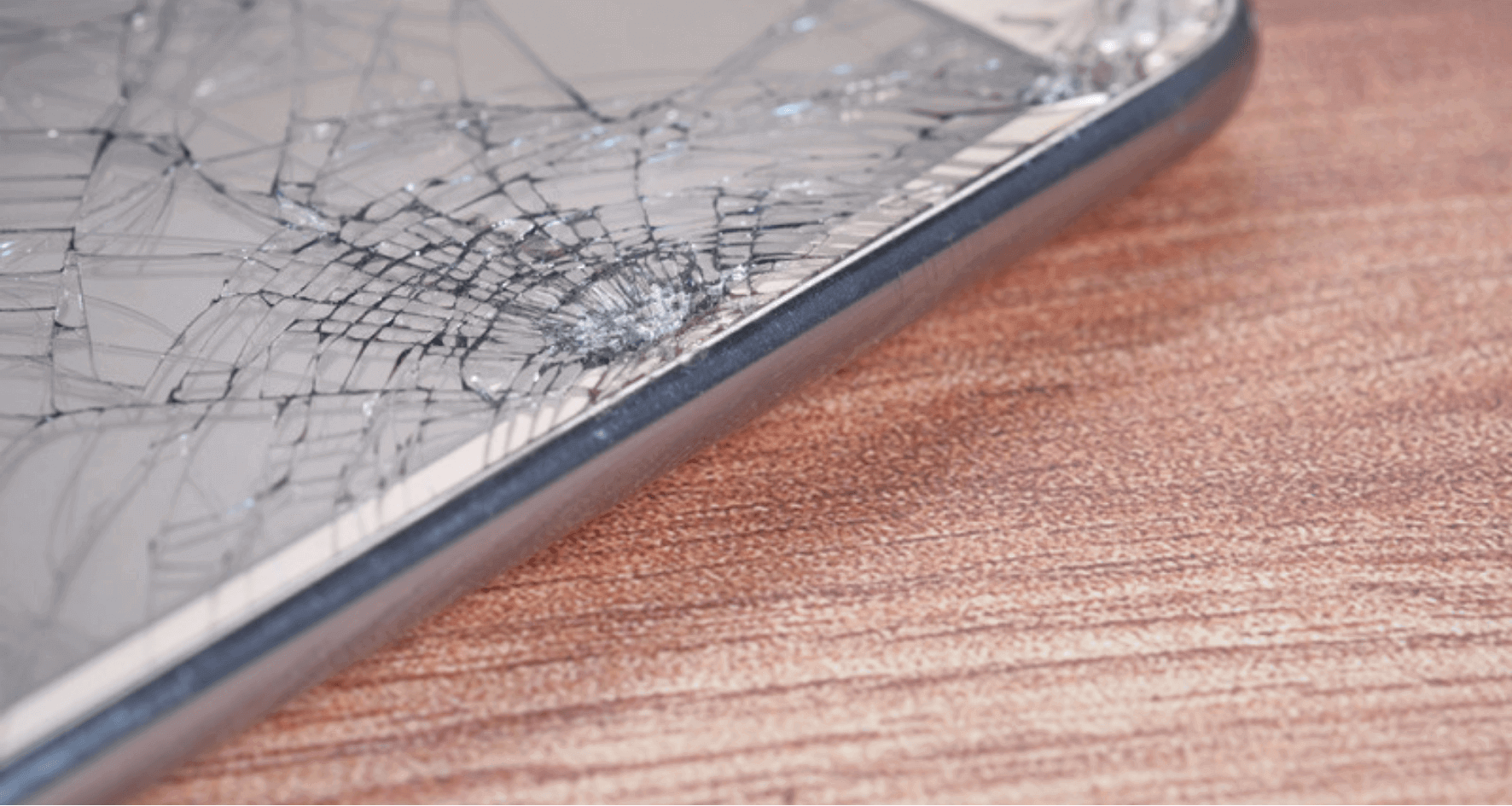
 Glass – ceramics – stone
 Technological innovation
Coatings to prevent glass scratching
-
 Food – microorganims – disinfection
 Technological innovation
Determination of the microbiological evolution during fermentation
-
 Food – microorganims – disinfectionTechnological innovation
Evaluation of the antimicrobial properties of a device for food disinfection
-
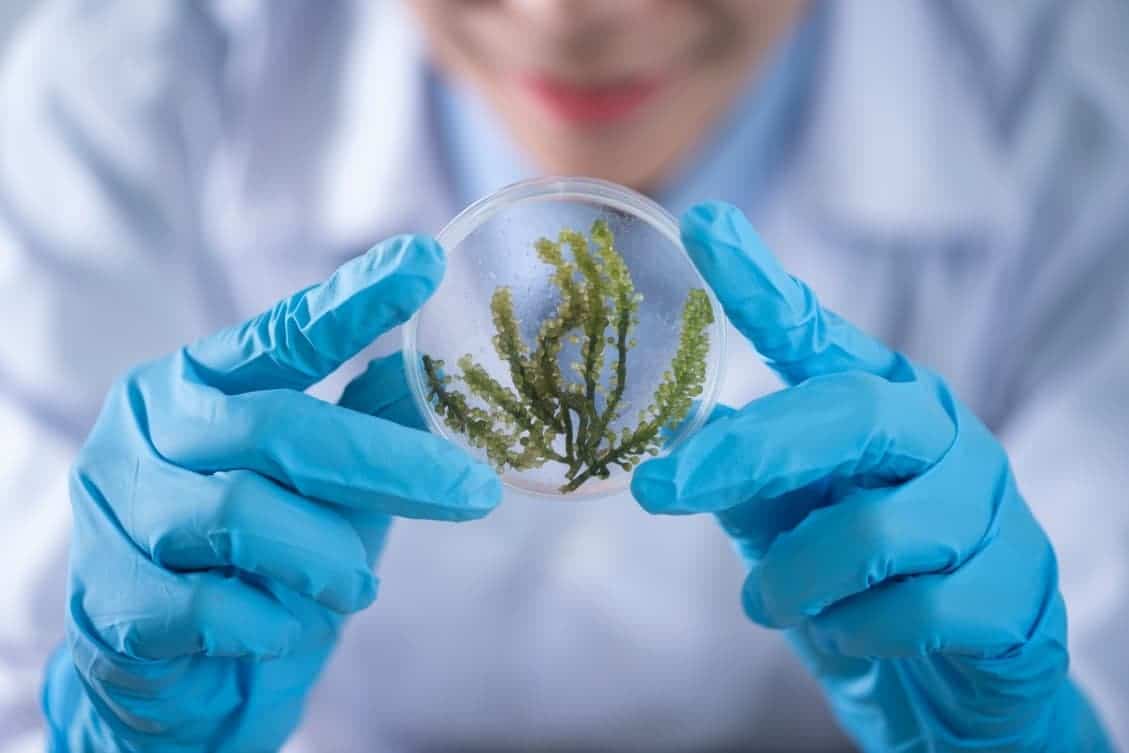 Food – microorganims – disinfectionTechnological innovation
Ultrasound for food safety improvement
-
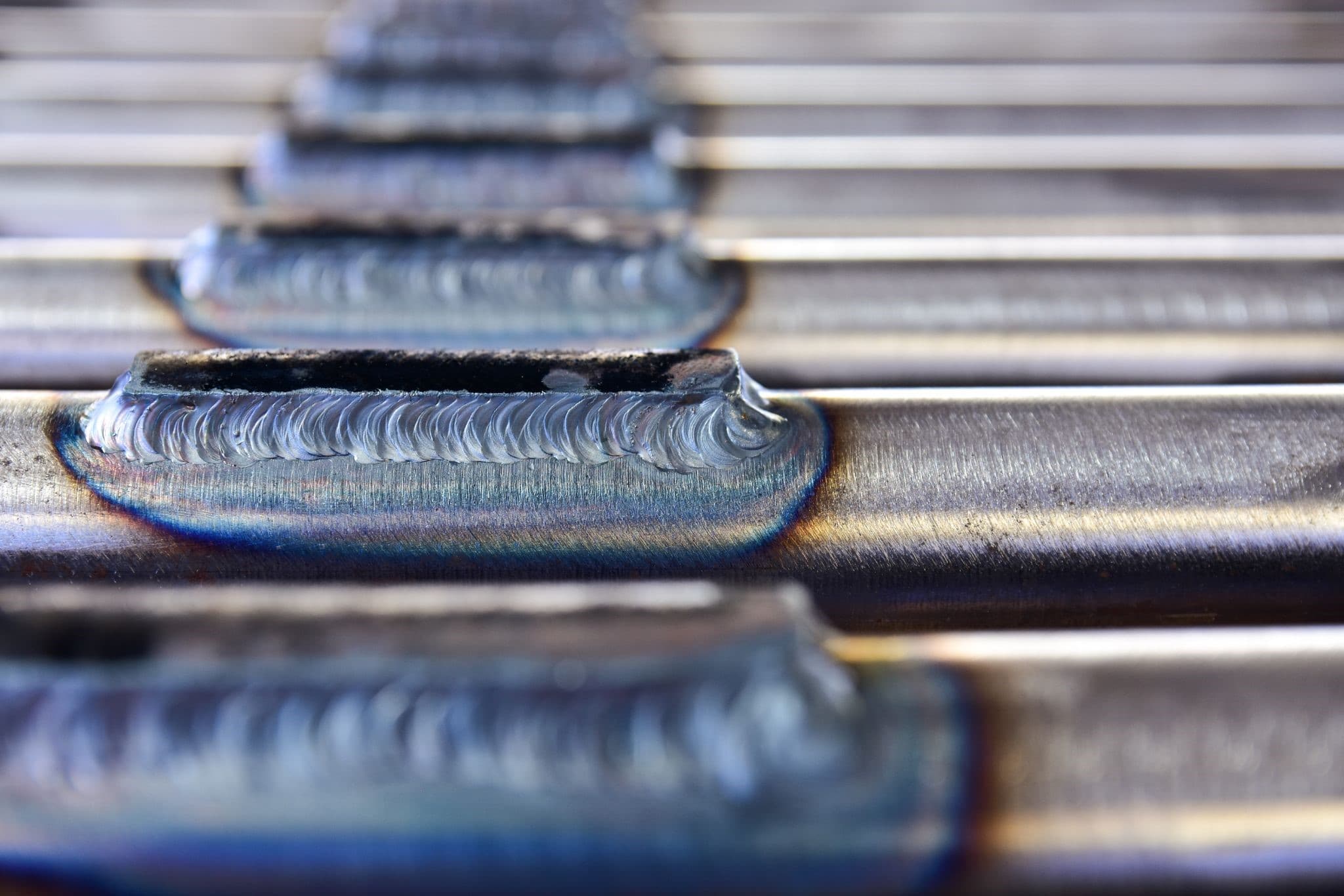 Metals – alloys – weldsTechnological innovation
Optimal weld design of metallic materials
-
 Food – microorganims – disinfectionTechnological innovation
Design and training of panelists for food tastings
-
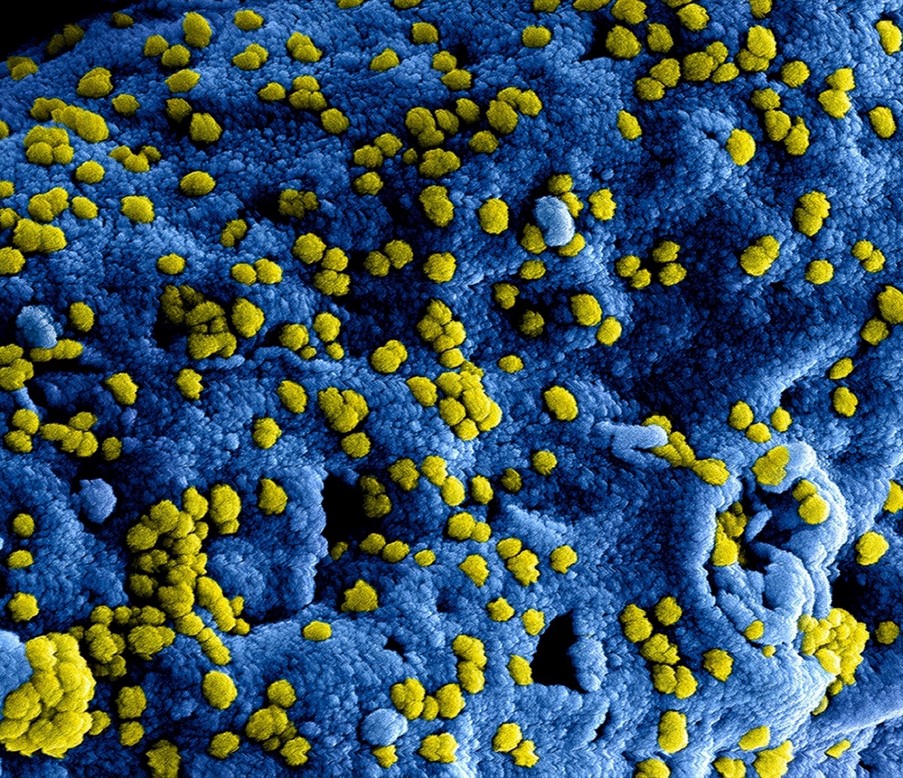 Plastics – polymers – compositesTechnological innovation
Plastics optimization with a new antimicrobial additive
-
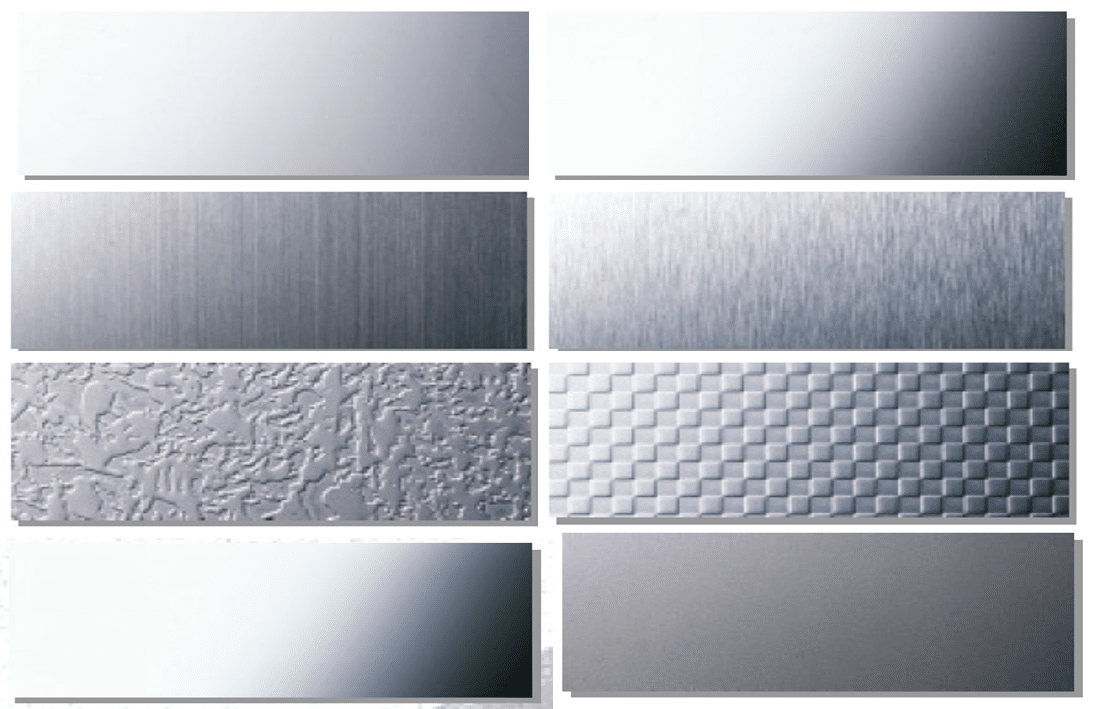 Metals – alloys – weldsTechnological innovation
Selection of an austenitic stainless steel alloy resistant to corrosion
-
 Waste – recycled – sustainabilityTechnological innovation
Research and validation of sustainable corrosion-resistant coatings
-
 Food – microorganims – disinfection
 Technological innovation
Analysis of toxic compounds present in bread baked under different conditions
-
 Metals – alloys – weldsTechnological innovation
Hardening treatments of steel to reduce wear and their evaluation under operating conditions
-
 Food – microorganims – disinfectionTechnological innovation
Improving materials for shelf-life extension and food preservation through microstructuring
-
 Food – microorganims – disinfectionTechnological innovation
Design and validation of a prototype to improve the sensory properties of coffee.
-
 Food – microorganims – disinfection
 Technological innovation
Design and validation of a prototype for the improvement of the extraction of compounds in fruits.
-
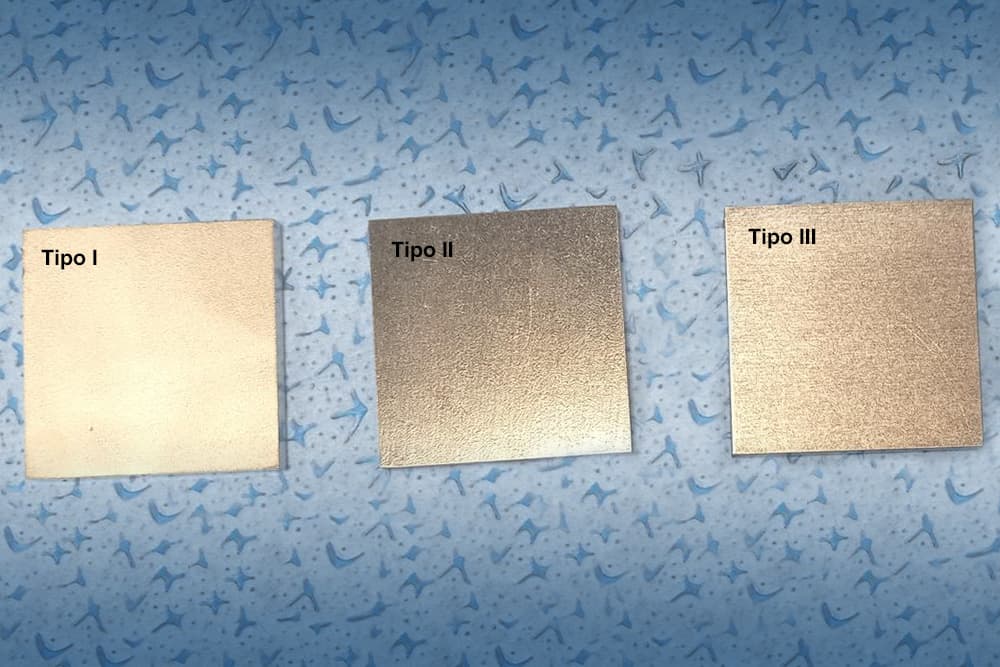 Life tests – accelerated tests – homologationTechnological innovation
Comparative study and selection of wear resistant steels
-
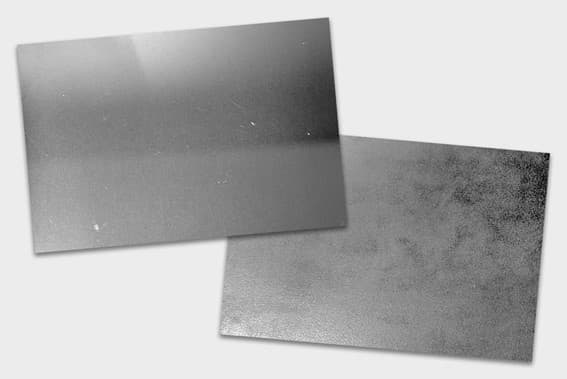 Metals – alloys – weldsTechnological innovation
Corrosion resistance comparison for selecting the optimum surface finish
-
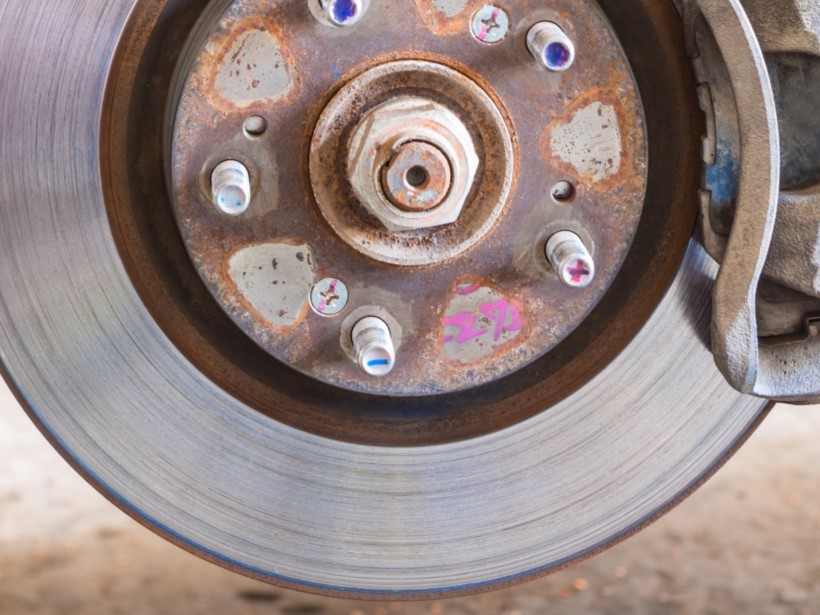 Metals – alloys – weldsTechnological innovation
Selection of Corrosion-Resistant Materials for New Assemblies
-
 Textiles – fibers – packaging
 Technological innovation
Custom Thermal Conductivity Testing in Polymers to Define New Requirements
-
 Life tests – accelerated tests – homologationTechnological innovation
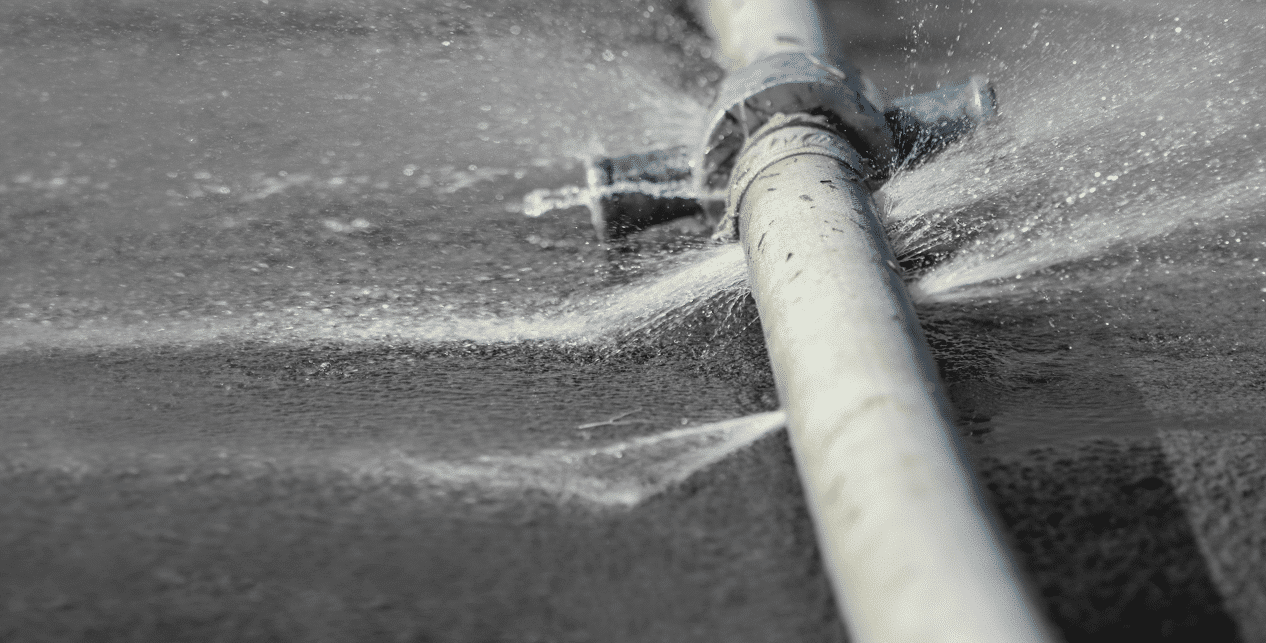
Custom moisture testing in insulating materials for efficient supplier approval
-
 LaserTechnological innovation
Laser Microperforations in Aluminum for the Development of New Aesthetic Finishes with Backlighting
Frequently asked questions about product improvement
FAQs
What is product improvement in the industrial sector?
Product improvement is the technical service that optimizes the performance of an existing product by acting on its materials, properties, and finishes, without needing to redesign it from scratch. It makes it possible to resolve a specific shortfall (durability, corrosion, aesthetics, or regulatory compliance) while preserving the investment already made in the design.
Unlike a new development, it starts from a validated base and works on it with engineering judgment, measuring the effect of each change on the component as a whole so that the improvement is real and reproducible.
What happens if a product with technical shortcomings is not improved?
A product that does not evolve accumulates claims, in-service failures, and loss of competitiveness against more efficient alternatives or ones more aligned with current regulations. Postponing the improvement shifts the problem to the market, with the associated cost of batch recalls and eroded customer trust.
Acting early on the property that limits performance avoids these costs and keeps the product within regulation and in the market. Preventive improvement is always more cost-effective than reactive correction.
How is the right improvement lever selected for a product?
The lever is selected based on the dominant failure mode or shortfall: if the problem is corrosion, action is taken on the material or the coating; if it is wear, on the finish or surface treatment; if it is functionality, on reformulating the material. The decision is always based on characterizing the product under its real service conditions.
This prior analysis avoids improvised improvements that optimize one property while degrading others, ensuring the change adds net value to the product as a whole.
What is the difference between incremental improvement and disruptive innovation?
Incremental improvement optimizes an existing product through gradual, low-risk changes (substituting a material, adjusting a finish, reformulating a property), while keeping the design base intact. Disruptive innovation, by contrast, rethinks the product from its concept, with greater potential but also greater risk and time frame.
Both approaches are complementary. Incremental improvement is the most efficient route when the product fulfills its function but needs to raise a specific performance level; INFINITIA helps decide when each approach adds more value.
How is it ensured that an improvement does not degrade other product properties?
Every improvement is validated against the component as a whole, not just the property being raised. A change that increases hardness can reduce adhesion, and an additive that improves strength can compromise processability; that is why the overall effect of the change is measured before scaling it to production.
This approach balances performance, cost, and reliability, avoiding improvements that solve one problem while creating another. INFINITIA evaluates each modification in the context of the complete product, ensuring the change adds net value rather than introducing a new failure mode.
How is it validated that an improvement works before taking it to mass production?
The improvement is validated by reproducing real service conditions (fatigue, accelerated corrosion, thermal cycling, wear) on treated samples, so the result confirms the effectiveness of the change before scaling it up. This prior validation reduces trial and error and avoids carrying an unconfirmed improvement over to the production line.
The prototyping process and comparative testing provide the evidence on which final implementation is decided. INFINITIA verifies each improvement against the real demands placed on the product, ensuring the change holds up under real use and not only under ideal conditions.
How does product improvement help reduce costs?
Product improvement reduces costs in two ways: it avoids the cost of poor quality (claims, recalls, warranties) by eliminating the cause of failure, and it optimizes the performance-to-cost ratio through more efficient material substitutions or finishes. A sound decision raises performance without driving up manufacturing cost.
Compared to a complete redesign, incremental improvement concentrates investment on the critical property, making it the most cost-effective option when the product base is sound.
How much does a product improvement service cost?
The cost depends on the scope: the number of materials to evaluate, the validation tests required, and the complexity of the improvement. A focused study on a specific property costs much less than a project covering reformulation and full industrial validation.
How long does it take to get results?
Typical timelines range from two to four weeks, depending on the complexity of the study and the validation tests involved. A focused materials comparison is resolved quickly; a reformulation with industrial validation takes longer.
For critical cases, an urgent option is available with a response time of 24–72 hours, aimed at situations that put production or delivery at risk. The timeline is confirmed once the project scope is defined.
How does a product improvement project with INFINITIA get started?
An improvement project begins with a technical assessment of the product and the intended objective, which is used to define the scope, the necessary tests, and the timeline. This initial phase determines which property to improve and with which lever, before committing investment to validation.
From there, the work proceeds through phases (diagnosis, proposal, validation, and implementation) with clear decision criteria at each stage. Requesting an initial assessment of the case is the first step toward guiding the improvement with data rather than assumptions.
Does improving a product require modifying the manufacturing process?
Not always. Many improvements (a coating, a finish, or a compatible material) integrate into the existing line without substantial changes; others, such as a reformulation, do require adjusting process parameters. The industrial viability of the change is assessed from the outset to avoid improvements that cannot be industrialized.
Anticipating the impact on manufacturing avoids surprises when scaling to series production. INFINITIA validates that each improvement is compatible with the production process used by the client, so the technical solution is also viable on the shop floor.
Can improving a product contribute to sustainability goals?
Yes. Product improvement makes it possible to reduce weight, extend service life, or replace materials with more efficient alternatives, decisions that lower resource consumption and waste generation throughout the product life cycle. Sustainability is treated as just another technical performance attribute, measurable and verifiable.
Optimizing material and durability improves environmental performance without sacrificing performance. INFINITIA incorporates sustainability criteria into the improvement when it is part of the product requirements, aligning technical performance with resource efficiency.