
What is material identification and why is it important?
In industrial environments it is relatively common to encounter situations where it becomes necessary to replicate a component for which no drawings, technical specifications or manufacturing documentation exist. This often occurs in machinery that has been operating for many years, in imported equipment whose manufacturer no longer provides support, or in systems where the original documentation has been lost over time. When a failure occurs or a critical element must be replaced, the lack of technical information can become a significant obstacle for maintenance or operational continuity.
Replicating a component in these circumstances involves reconstructing all the technical information required to manufacture the part again based on the existing physical object. This process does not simply involve copying the visible geometry of the component. It also requires understanding the material used, its mechanical properties, applied treatments, dimensional tolerances and the role it plays within the system in which it operates. A geometrically correct replica may not behave in the same way if the material or manufacturing process differs from the original.
Replicating an industrial part does not simply mean copying its shape. Material, tolerances and service conditions directly influence its performance.
The need to replicate a component appears across many industrial sectors. In energy generation facilities, chemical plants, production machinery, transport systems or specialized industrial equipment, it is common to find parts that are no longer available on the market or that were designed decades ago under technical standards different from those used today. In these situations, replicating the component allows the functionality of the system to be restored without redesigning the entire machine.
Furthermore, replicating components is not only related to maintenance needs. In many cases it also makes it possible to better understand how a part was designed, evaluate potential improvements or study technical solutions developed by other manufacturers. This approach is particularly useful when modernizing old machinery, optimizing an existing design or adapting a component to new operating conditions.
What component reverse engineering involves
The technical process that makes it possible to replicate a component from an existing part is commonly known as component reverse engineering. Unlike conventional design, where a conceptual idea is developed into a product, reverse engineering starts with a physical object that has already been manufactured and seeks to reconstruct all the information that enabled its design and production.
When reverse engineering is applied to an industrial component, the main objective is to understand how the part was designed and which technical characteristics are essential for its operation. To achieve this, different aspects of the component are analyzed, including its geometry, material, manufacturing process and behavior in service. This analysis makes it possible to rebuild a complete technical model of the component even when no prior documentation exists.
Component reverse engineering is frequently used to replicate machinery parts, manufacture spare components that are no longer available or analyze technical solutions developed by other manufacturers. It is also commonly used in failure investigations, where the design of a component is studied to understand the causes of degradation or breakage. In all these cases, analyzing the component allows the creation of a digital and technical model that reproduces the essential characteristics of the original part.
Factors that influence replicating a part without drawings
When attempting to replicate a part without drawings, one of the main challenges is correctly identifying all the factors that influence its behavior. Although the geometry of the component can be measured with reasonable accuracy using metrology tools, other aspects of the original design may not be immediately evident.
When trying to replicate a part without drawings, understanding the role it plays within the system is essential to avoid design or material errors.
One of the most relevant aspects is the function that the part performs within the system. A component that is part of a transmission mechanism, for example, may be subjected to dynamic loads, friction or vibration that influence its design. In these cases, small geometric details or specific material characteristics may be essential to ensure the correct operation of the entire assembly.
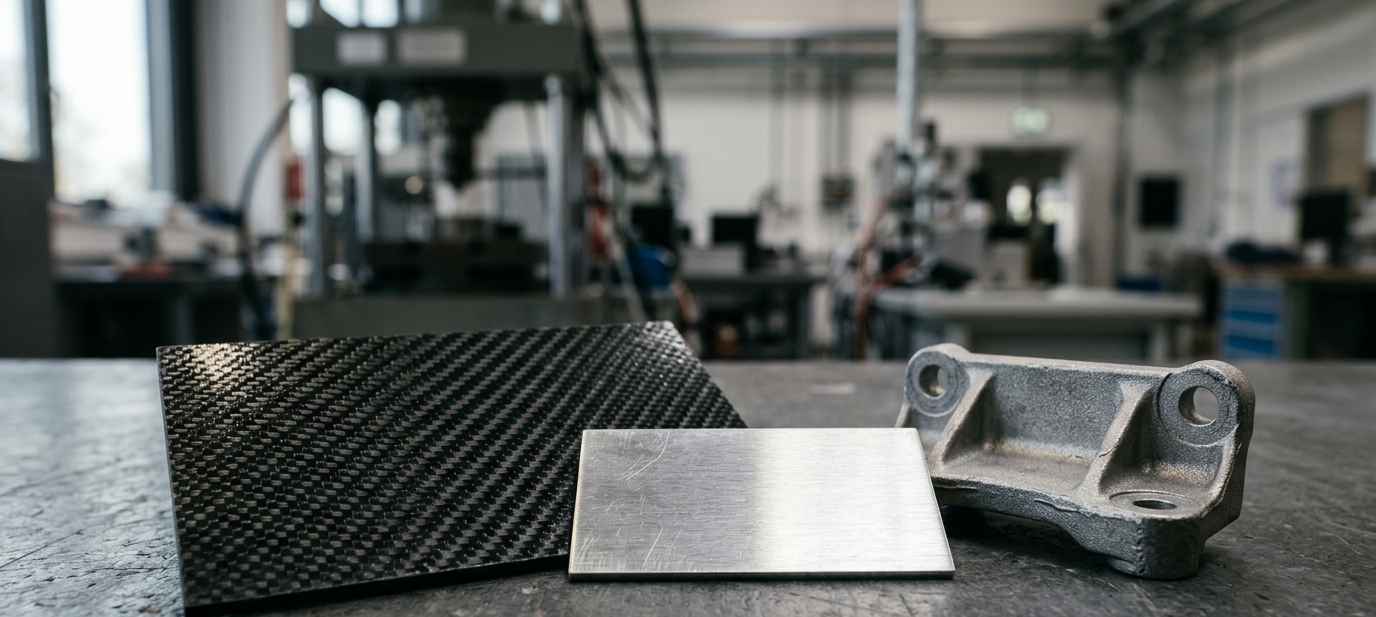
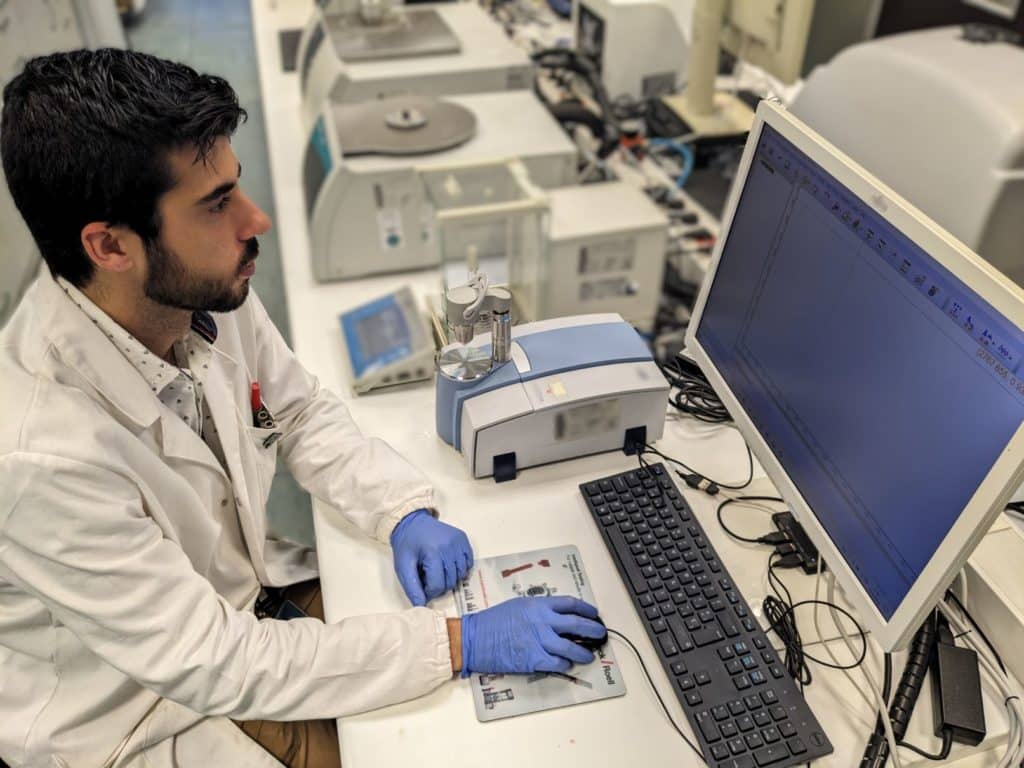
Another critical factor is the material of the component. Material characterization of a part makes it possible to identify its chemical composition, microstructure and mechanical properties. This information is essential when manufacturing a replica that maintains performance equivalent to the original component. Small differences in material composition or heat treatment can significantly alter mechanical strength, hardness or wear resistance.
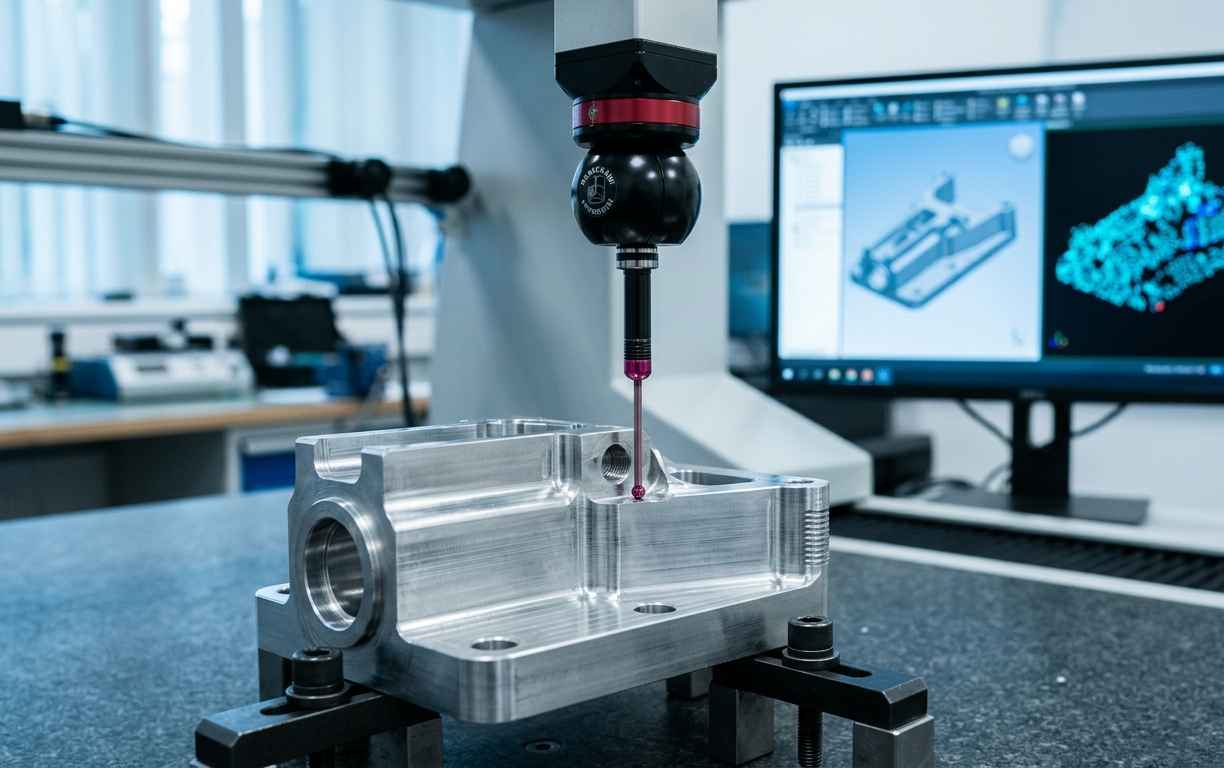
Dimensional tolerances used in the original component must also be considered. Tolerances determine how the part fits within the system and how it interacts with other elements of the assembly. When a part is replicated without knowing these tolerances, assembly or operational problems may appear that were not present in the original design.
Technical impact and industrial implications
The need to replicate a component often arises in situations where the operational continuity of an industrial system is at risk. When a critical part fails and spare components are not available, equipment downtime can generate significant costs related to production interruption, machinery repair or the replacement of entire systems. In this context, component replication can become a viable technical solution to restore system functionality.
In many industrial systems, original spare parts are no longer manufactured. Reverse engineering makes it possible to reconstruct the information needed to produce new components.
In many industrial facilities there are machines that have remained in operation for decades. In these situations it is common for some of the components used in the original design to no longer be manufactured or for the original supplier to have disappeared. The absence of drawings or technical documentation can make it difficult to produce an equivalent spare part, particularly when the component belongs to a complex system or operates under demanding conditions.
Replicating parts makes it possible to address these situations by reconstructing the original design of the component. Through component digitalization, dimensional analysis and material characterization it is possible to generate the technical information required to manufacture the part again. This process allows existing machinery to remain operational without replacing the entire system.
Beyond maintenance applications, replicating components can also provide value from a technical knowledge perspective. Detailed analysis of a component makes it possible to understand how it was designed, which engineering criteria were applied and what technical solutions were used to solve specific functional problems. This information can help optimize future designs or improve the reliability of similar systems.
Risks associated with reproducing industrial parts
Although reproducing industrial parts can solve spare part availability problems, it also involves certain risks when proper technical analysis is not performed. Replicating a part based only on its geometry may lead to incorrect results if other aspects of the original design are not considered.
One of the most common risks is using a material different from that used in the original component. Even if the geometry of the replicated part is correct, a change in material may alter its behavior under mechanical loads, wear or corrosion. In some cases these differences may cause premature failures or significantly reduce the service life of the component.
Another frequent risk is the loss of information regarding dimensional tolerances. When a part is replicated without knowing the original tolerances, the resulting component may interfere with other elements of the system or generate excessive clearances that affect the assembly’s performance. These deviations may lead to vibrations, accelerated wear or reduced system efficiency.
For these reasons, component replication in industrial environments is usually approached through technical analysis methodologies that allow the original design of the part to be understood before producing a replica.
Requirements for manufacturing discontinued spare parts
In some industrial sectors, manufacturing discontinued spare parts involves not only reproducing the geometry of a component but also demonstrating that the new part meets functional requirements equivalent to the original design. This is particularly relevant in industries where safety, reliability or regulatory compliance are critical.
In these cases, replicating components may require additional analyses to validate the performance of the new design. Mechanical property evaluation, dimensional verification or material analysis may be necessary to ensure that the replicated component delivers performance equivalent to that of the original part.
These analyses help reduce the uncertainty associated with component replication and ensure that the new part can be integrated into the system without introducing additional operational risks.
Methods of analysis, evaluation, or solution
Replicating a component when no drawings or technical specifications exist requires progressively reconstructing the information that defines the original part. In practice this involves combining different analytical techniques that allow both the geometry of the component and its material properties, and in many cases the manufacturing process, to be understood.
Reliable replication of a part does not rely solely on measuring visible dimensions. It also requires understanding aspects such as functional tolerances, the type of material used or the service conditions for which the component was designed. For this reason, replication projects typically integrate metrology tools, component digitalization and material characterization to reconstruct the technical design of the part with greater accuracy.
This approach reduces the uncertainty associated with the absence of technical documentation and makes it possible to generate a digital model of the component that can be used for manufacturing or for evaluating potential improvements to the original design.
Before manufacturing a replica, the component must be transformed into technical data through geometric digitalization and material analysis.
Use of 3D scanning of parts for geometric reconstruction
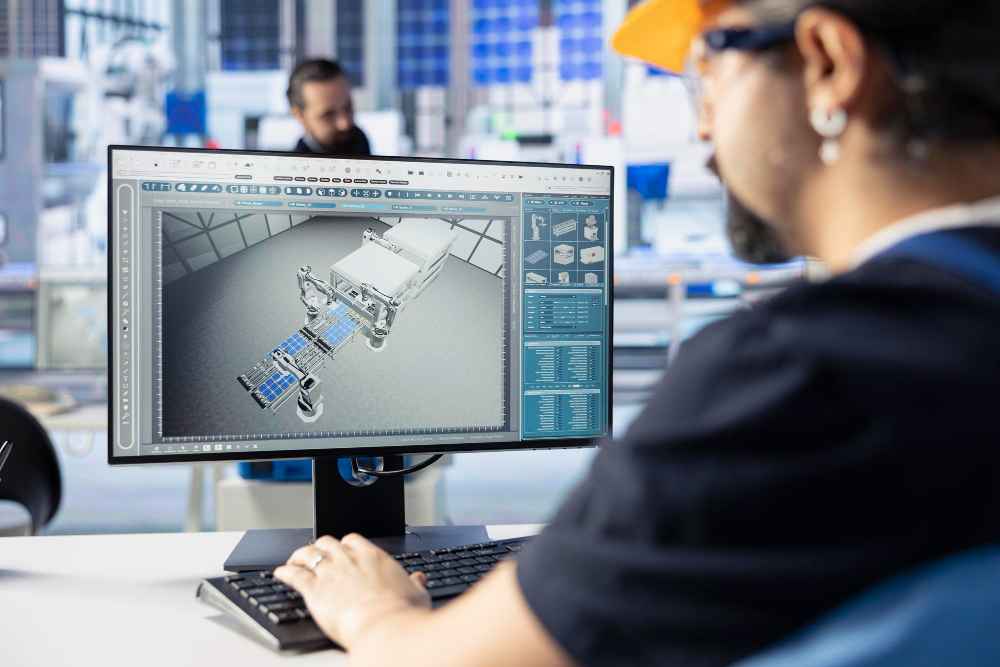
3D scanning of parts is one of the most widely used technologies to capture the geometry of a component when it needs to be replicated. Optical or laser systems can record millions of points on the surface of the part, generating a three-dimensional point cloud that describes its shape with high precision.
From this information a digital mesh is created that reproduces the geometry of the component. The data is then processed to generate a CAD model that represents the part and allows it to be used in design or manufacturing environments. This process, known as CAD modeling from a physical part, transforms an existing object into a digital model that can be used for engineering purposes.
3D scanning is particularly useful for parts with complex geometries or surfaces that are difficult to measure using traditional methods. In addition, geometric digitalization can be complemented with dimensional analysis of parts to verify tolerances or detect deformation and wear in the original component.
Importance of material characterization of a part
Beyond geometry, the material of a component directly influences its performance in service. For this reason, material characterization of a part is a key step when attempting to replicate a component reliably.
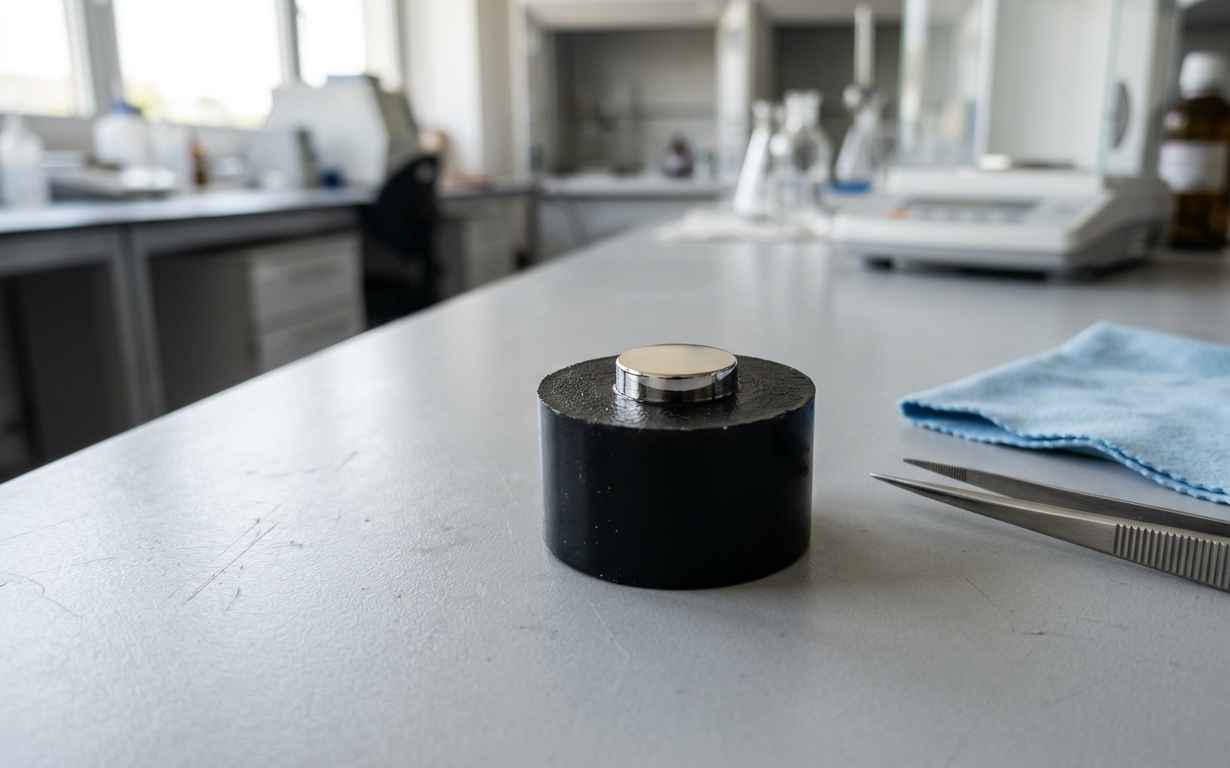
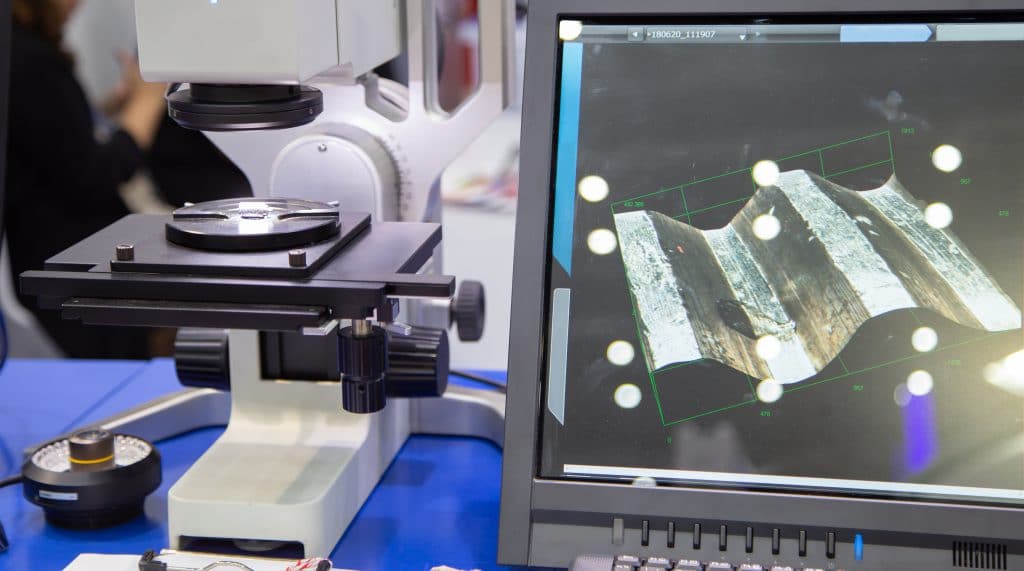
Material analysis makes it possible to identify its chemical composition, microstructure and relevant properties such as hardness or mechanical strength. This information helps select an equivalent material capable of reproducing the behavior of the original component and avoiding deviations in performance.
In many cases it is also possible to detect heat treatments or surface coatings that influence wear resistance, corrosion behavior or fatigue performance. These aspects can be critical for the durability of the component and must be considered during the replication process.
In industrial environments, this type of analysis is often integrated within forensic engineering services, where materials, manufacturing processes and potential degradation mechanisms are studied to understand component behavior and ensure that the replicated part will deliver equivalent performance.
How to approach material identification in industry
The need to replicate a component when no technical drawings exist is relatively common in many industrial environments. Equipment obsolescence, supplier disappearance or the loss of technical documentation may require critical parts to be reconstructed from the existing physical component.
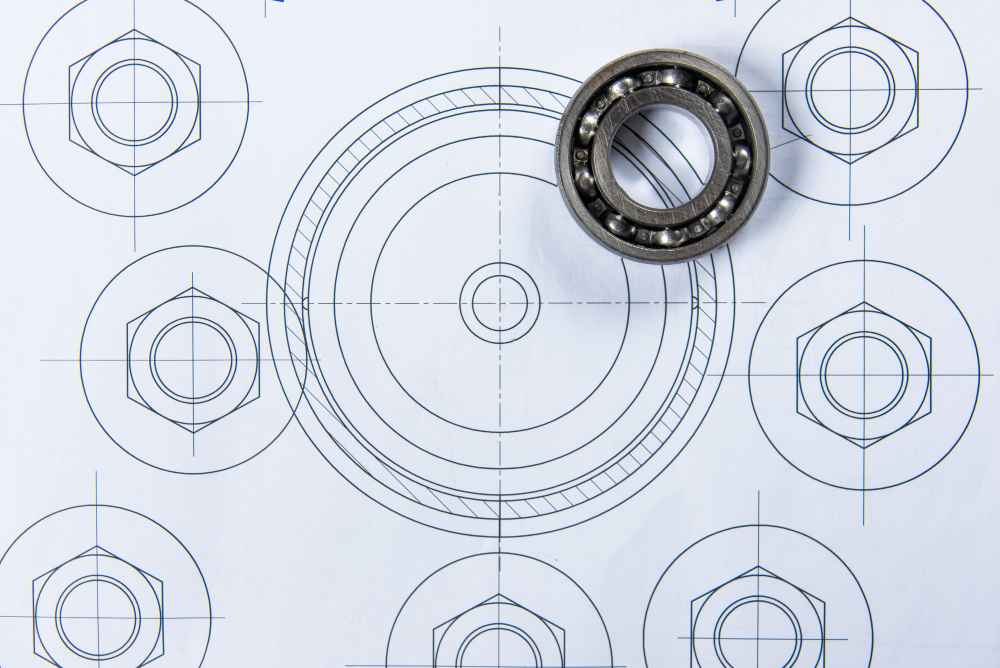
However, replicating a component does not simply mean copying its geometry. To ensure that the new part behaves in the same way as the original design, it is necessary to understand key aspects such as the material used, dimensional tolerances, the manufacturing process and the role the component plays within the system.
Methodologies such as component reverse engineering, together with techniques such as 3D scanning of parts, dimensional analysis or material identification in reverse engineering, make it possible to reconstruct the technical information required to reproduce a component with greater reliability.
This approach not only enables spare parts to be manufactured when drawings do not exist but also provides a deeper understanding of the original component design. In many cases this knowledge can be used to optimize the design, improve system reliability or adapt the component to new operating conditions.
If you need to analyze or replicate an industrial component, you can contact our technical team.