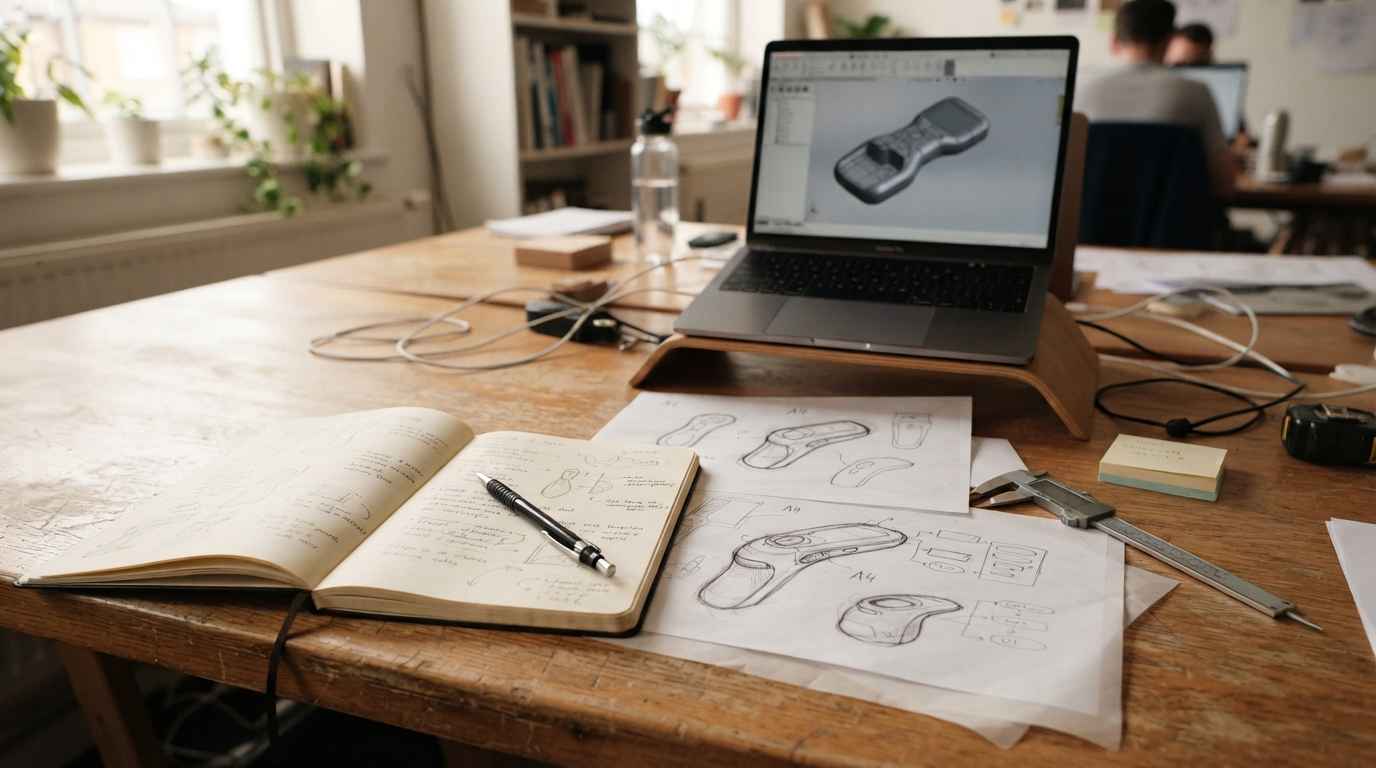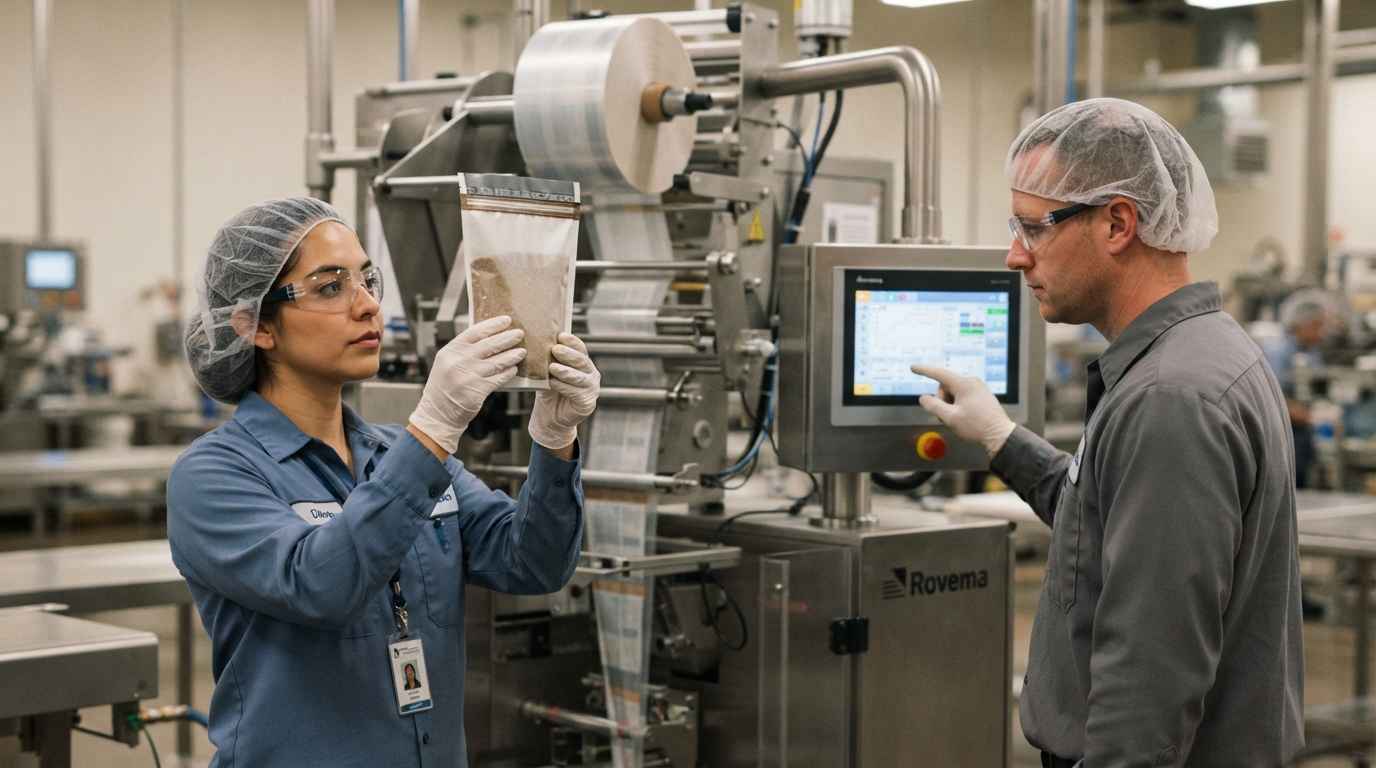

Consumer goods product improvement is the work of redesigning an everyday article so that it lasts longer, works better and has less environmental impact, without making it more expensive or less appealing to the person who buys it. In this sector, durability and sustainability have stopped being an extra and become two of the factors that most decide whether a product is bought again or abandoned.
A consumer good competes in a market where the user notices at once if something breaks too soon or if its manufacture clashes with what they expect on environmental grounds. Improving the product on those two axes, with technical criteria and not just aesthetics, is part of technological innovation, where every change of material or design is judged by its real effect on service life and on the product’s footprint.
That is the approach a product improvement service brings: analysing why an article fails, is perceived as short-lived or does not meet sustainability criteria, and proposing measurable changes before redesigning a whole range. The goal is not a perfect product, but one that is clearly better at what the user values.
PRODUCT IMPROVEMENT
Do you want to improve the durability or sustainability of a consumer product? Discover our product improvement service

What consumer goods product improvement means
Consumer goods product improvement is the process of analysing an existing article and redesigning it to raise its performance, its durability and its environmental profile, starting from real usage data and not from impressions. Unlike creating a product from scratch, here you start from something that already works in the market and correct its weak points without breaking what users do like.
Improving a consumer good is not about adding features, but about solving what makes the user perceive it as fragile, awkward or unsustainable, which is usually a handful of specific, fixable details.
What consumer goods product improvement covers
Improvement covers several levers that combine according to the product: the material (for its strength, feel or recyclability), the coating and finish (which drive aesthetics and wear), the shape and number of parts (which affect assembly, cost and waste) and the validation that the changes withstand real use. Not all weigh the same in each article, and part of the work is identifying which ones really move the needle.
The starting point is to understand how the product is used and how it fails in the consumer’s hands, which rarely matches the ideal use assumed in the design. A utensil is dropped, washed in a dishwasher, scratched and put through heat cycles that the laboratory must reproduce to know what to improve. Without that diagnosis, any redesign is a gamble.
In consumer goods, moreover, improvement is rarely only technical: it lives alongside the target cost, the launch deadline and brand perception. A change that improves durability but pushes the price above what the user is willing to pay is not a viable improvement. That is why the work is about finding the changes that add the most perceived value per euro of added cost, and discarding those that only pad the datasheet.
Why durability and sustainability go together
Durability and sustainability reinforce each other more than it seems: a product that lasts twice as long halves the resource use per year of service, even if its manufacture is somewhat more demanding. That is why, in consumer goods, extending service life is usually the most effective environmental lever, ahead even of switching to a recycled material if that shortens the product’s life.
The tension appears when a change improves one axis and worsens the other, such as a recycled material that performs worse or a greener finish that wears out sooner. Managing that balance with data, and not with slogans, is exactly what separates a real improvement from a rebranding exercise. The goal is for the product to be both more durable and more sustainable, not one at the expense of the other.
This balance also has an economic reading. A product that breaks early generates returns, replacements and lost trust, costs that are rarely counted when setting the price but that erode the margin. Investing in durability and in a more sustainable design reduces those hidden costs and, at the same time, fits a demand and a regulation that increasingly penalise the disposable. What starts as an environmental requirement often ends up being a profitable decision.
Durability: making the product last what it promises
Durability is the axis where the user judges a consumer good fastest, because an early failure is remembered and talked about. Improving it requires knowing what breaks, why and at what point in the product’s life, so as to act on the cause and not the symptom.
What fails too soon in a consumer good
The most common early failures in consumer goods are the wear of surfaces and finishes, the fatigue of parts that flex daily, degradation from heat, humidity or aggressive cleaning, and the breakage of joints and mechanisms subjected to harder use than expected. Each leaves a recognisable signature that guides the improvement, and confusing them leads to reinforcing the wrong thing.
Analysing how parts wear in real use is key to prioritising, because not every failure deserves the same investment. Understanding the types of wear in components makes it possible to tell the wear that ruins the function from the merely cosmetic, and to decide where it is worth reinforcing the material or redesigning the part.
In consumer goods, most of the failures the user perceives as poor quality do not come from a bad material, but from a design or finish detail that concentrates the wear at the wrong point.
How durability is measured and improved
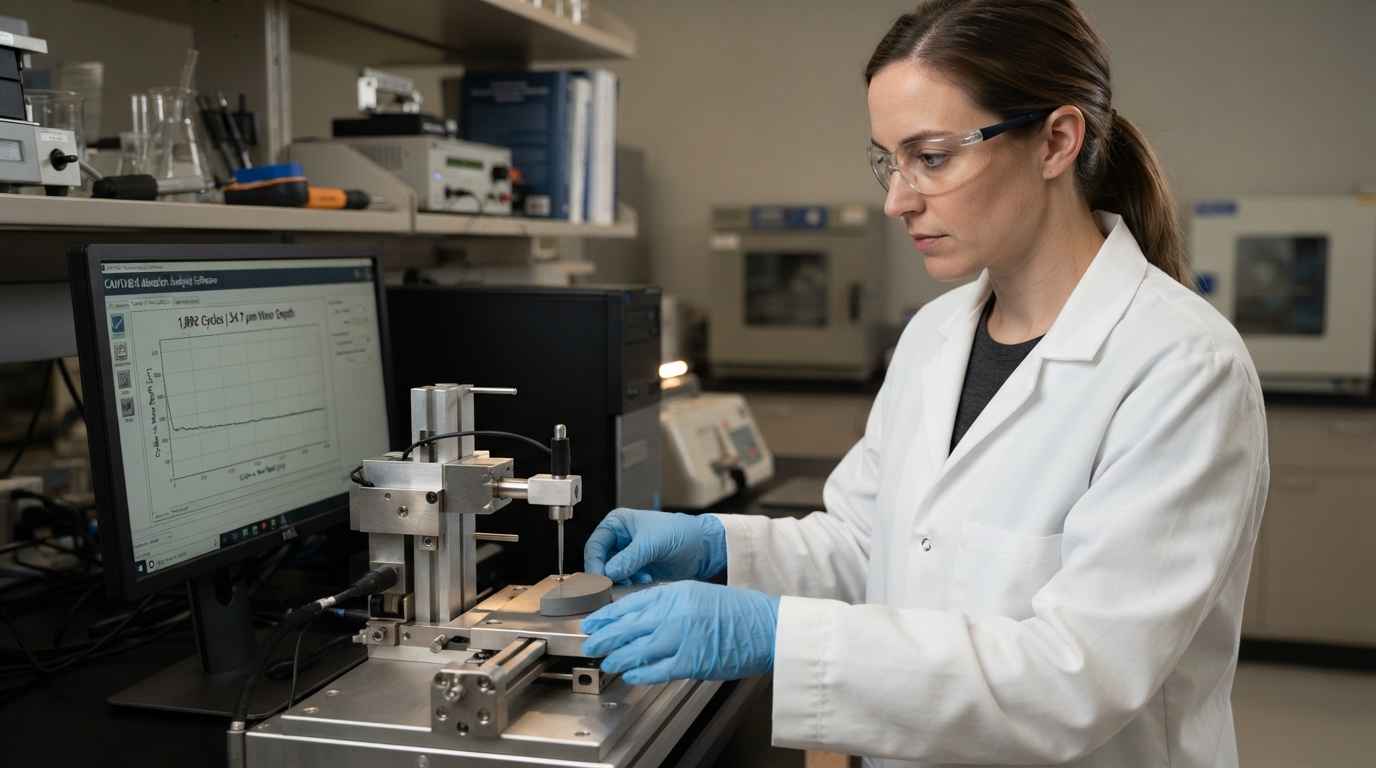
Durability is measured by reproducing months or years of use in a few weeks in the laboratory, through accelerated ageing tests, abrasion and fatigue cycles and exposure to heat, humidity or cleaning products. Those tests turn an impression of fragility into a figure that is comparable between the current product and the improved one, which is what allows the change to be justified.
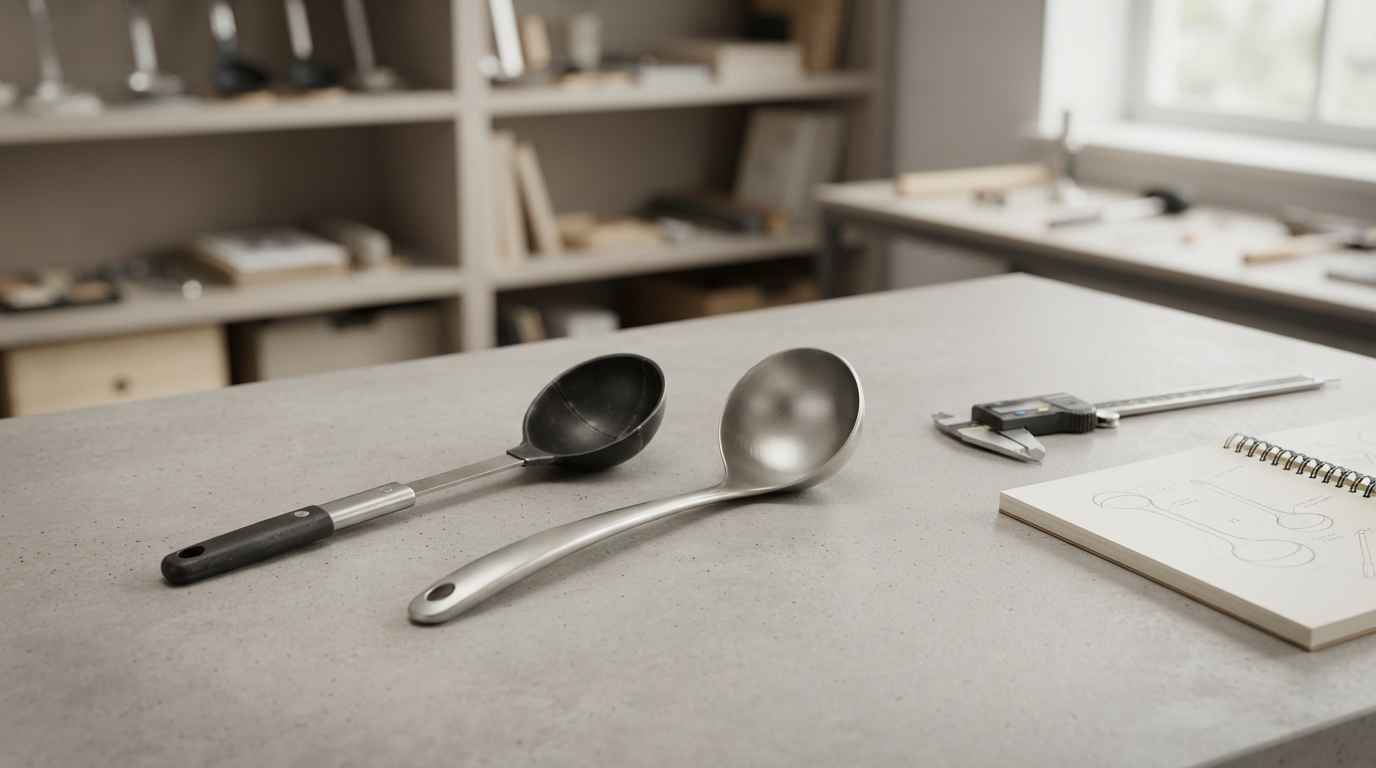
Comparing the product with market alternatives helps to set the improvement target realistically. A clear case is the reverse engineering and comparison of cooking utensils for product improvement, where measuring how several products behave under the same use shows what has to be matched and what can be surpassed. From there, improving durability is a matter of material, finish and geometry, validated with data.
It helps to distinguish functional durability from perceived durability. The first is how long the product withstands before it stops doing its job; the second, the sense of solidity it conveys in use. Both matter and are improved by different decisions: functional durability, by reinforcing the point that fails; perceived durability, by looking after tolerances, noises, feel and finish. A product that lasts but feels flimsy is perceived as worse than it is, and one that feels solid but fails early disappoints twice over.
Sustainability and product improvement levers
Sustainability in consumer goods has become a purchase criterion and, increasingly, a regulatory requirement. Improving a product on this axis means reducing its impact across its whole life cycle without sacrificing function, something that is decided above all in the choice of materials and in the design.
Ecodesign, materials and recyclability
Ecodesign tackles environmental impact from the product’s own design: choosing lower-footprint materials, making end-of-life recycling easier and reducing manufacturing waste. A decision as simple as moving from a multi-material product to a single-material one can transform its recyclability, because it avoids having to separate components that the user will never separate.
Redesigning with end of life in mind is a powerful lever, as shown by the design of a new product to improve sustainability and recycling in the kitchen, where rethinking the product improved its environmental profile without losing performance. When the current material does not deliver the answer sought, the project can move into material substitution, always validating that the alternative matches or beats the original in durability and cost.
Sustainability, moreover, is no longer voluntary in many products. Ecodesign and repairability regulations push designers to think about service life, spare-part availability and ease of recycling, and penalise what cannot be repaired or separated. Anticipating those requirements at the improvement stage, instead of reacting when they become mandatory, avoids forced redesigns and gives an edge over competitors who arrive late.
Improvement levers and their effects
In practice, improving a consumer good rests on a small number of levers whose effect is worth being clear about before deciding. Each acts on durability, sustainability, cost or aesthetics, and they almost always have to be combined to reach a balanced result rather than an improvement that worsens another aspect.
| Lever | What it improves | Example in consumer goods | Benefit |
|---|---|---|---|
| Material | Durability and footprint | Stronger or recyclable polymer in a utensil | Fewer breakages and returns |
| Coating and finish | Resistance and aesthetics | A more durable non-stick finish | Longer service life |
| Ecodesign | Recyclability | Single-material product, easy to separate | Better recycling and lower footprint |
| Shape redesign | Material use and assembly | Fewer parts for the same function | Less cost and waste |
TELL US ABOUT YOUR CASE
Do you have a consumer product to make more durable or sustainable? Send us your case and we will propose a diagnosis and the highest-impact improvements
How a product improvement project is approached
A consumer goods product improvement project orders the decisions so that changes rest on evidence and not on hunches. The usual sequence goes from diagnosis to prioritised improvements and, from there, to validation before taking anything to production.
From diagnosis to prioritised improvements
The diagnosis crosses three sources: how the product fails in real use, how it behaves against the competition and what the user and regulation expect on durability and sustainability. From that cross come the candidate improvements, which are prioritised by impact and cost, leaving for last those that require redesigning more parts or changing the manufacturing process.
Prioritising is essential because it almost never pays to change everything at once. Concentrating the effort on the two or three improvements that most raise perceived durability or sustainability usually gives a better return than a full redesign, and lets the improvement be launched without stalling sales of the current product.
A good source for prioritising is the after-sales data itself: returns, complaints and reviews point quite precisely to what fails and what annoys the user. Crossing that information with the technical analysis avoids improving what nobody notices and focuses the effort on what really weighs in the repurchase decision. Listening to the market and measuring in the laboratory are not alternatives, but the two halves of the same diagnosis.
Validating the improvements before producing
Before taking an improvement to production you have to validate that it delivers what was promised and does not introduce a new problem. A more sustainable material must pass the same durability tests as the original, and a more resistant finish must not worsen the feel or look that made the product attractive. That validation with representative tests is what turns a good idea into an improvement that holds up in the market.
Documenting what was measured, with which method and against which reference also protects the decision against claims or audits, and makes it possible to communicate the improvement with data and not adjectives. In consumer goods, being able to back a claim of greater durability or better recyclability is increasingly important to avoid accusations of greenwashing.
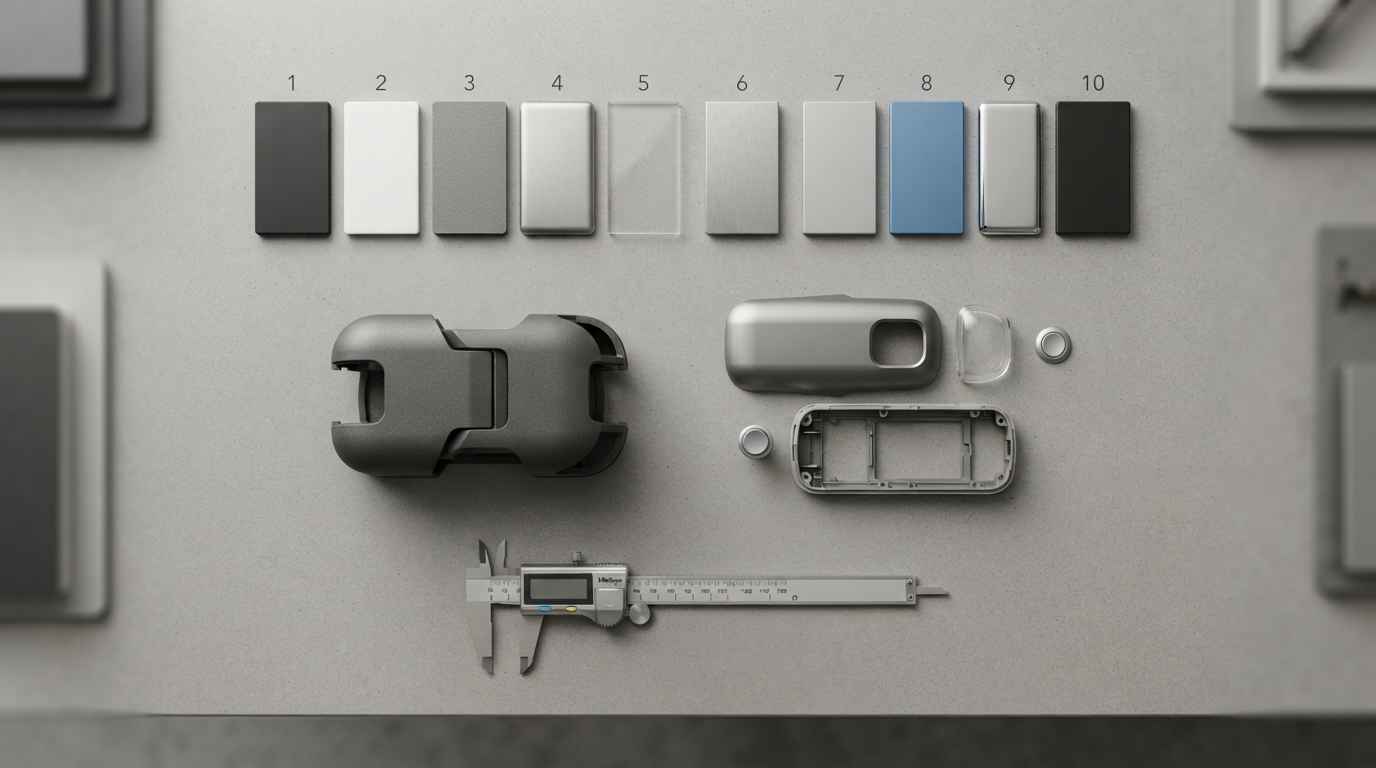
A better product is more durable and more sustainable at once
Consumer goods product improvement is not window dressing: it is redesigning with data so that the article lasts longer, works the same or better and leaves a smaller footprint, while looking after the cost and the appeal that make it sellable. Durability and sustainability, far from getting in each other’s way, tend to reinforce each other when decisions are taken on tests and not on impressions. The difference between a product that builds loyalty and one that is abandoned often lies in a handful of well-chosen, well-validated improvements.
If you have a consumer product you want to make more durable, more sustainable or both, gather the article, how it is used and the problems you see, and send them over: we return a diagnosis, a list of improvements prioritised by impact and a plan to validate them before redesigning the range.
Frequently asked questions
What is consumer goods product improvement?
It is the process of redesigning an existing everyday article to raise its durability, its performance and its environmental profile, starting from real usage data. It is not about creating a product from scratch, but about correcting its weak points without losing what users already like, combining changes of material, finish, shape and validation with tests.
Why does durability improve sustainability?
Because a product that lasts twice as long spreads the impact of its manufacture over more years of use, reducing resource consumption per year. In consumer goods, extending service life is usually the most effective environmental lever, provided the change does not force a material that performs much worse. That is why durability and sustainability are best treated together and not separately.
How is the durability of a consumer product measured?
By reproducing months or years of use in a few weeks in the laboratory, through accelerated ageing, abrasion and fatigue tests and exposure to heat, humidity or cleaning products. Those tests turn the sense of fragility into a figure that is comparable between the current product and the improved one, which allows each change to be justified with data rather than impressions.
What is ecodesign in consumer goods?
It is designing the product with its environmental impact in mind from the start: choosing lower-footprint materials, making end-of-life recycling easier and reducing manufacturing waste. A frequent measure is moving from a multi-material product to a single-material one, easier to recycle because it does not force the user to separate components they would never separate.
Do you have to redesign the whole product to improve it?
Usually not. The norm is to prioritise the two or three improvements that most raise perceived durability or sustainability and leave for later those that require redesigning many parts or changing the process. This delivers a clearly better product without stalling sales of the current one, and with a higher return than a full redesign of the range.