
×

Characterization of additives and fillers

The characterization of additives and fillers is a service focused on the identification, quantification, and analysis of compounds incorporated into materials, especially polymers, with the aim of understanding their actual composition and their influence on the final behavior of the product. This type of analysis is critical in industrial environments where small variations in formulation can lead to significant changes in mechanical, thermal, or chemical properties.

At INFINITIA, this service is approached from a technical and applied perspective, combining advanced chemical, structural, and morphological analysis techniques with deep knowledge of materials and industrial processes. This makes it possible to adapt the characterization strategy to each case, depending on the type of material, the expected additives or fillers, and the manufacturing or service context in which the component operates.

The objective is to verify formulation compliance, detect composition deviations, identify possible causes associated with failures, and validate the consistency of the production process. This approach makes it possible not only to determine which compounds are present in the material, but also to evaluate their distribution, interaction, and effect on performance, facilitating technical decision-making and the optimization of products and processes.

Fillers and additives in plastics and polymers

Additives and fillers in polymers are compounds incorporated into the matrix with the aim of modifying its properties, whether to improve its mechanical, thermal, or chemical behavior, adjust its appearance, or act as filler loading to reduce manufacturing costs. Their use makes it possible to adapt the material to specific application requirements, optimizing both its performance and its industrial viability through improved properties.

These materials may be present in solid, liquid, or dispersed form and are integrated by means of different processes such as extrusion or injection. Their correct dosing and dispersion are critical, since they directly influence homogeneity and the final behavior of the material, especially in the incorporation of additives in plastic manufacturing. Poor incorporation can generate defects, loss of properties, or failures in service, which makes their control through characterization techniques necessary.

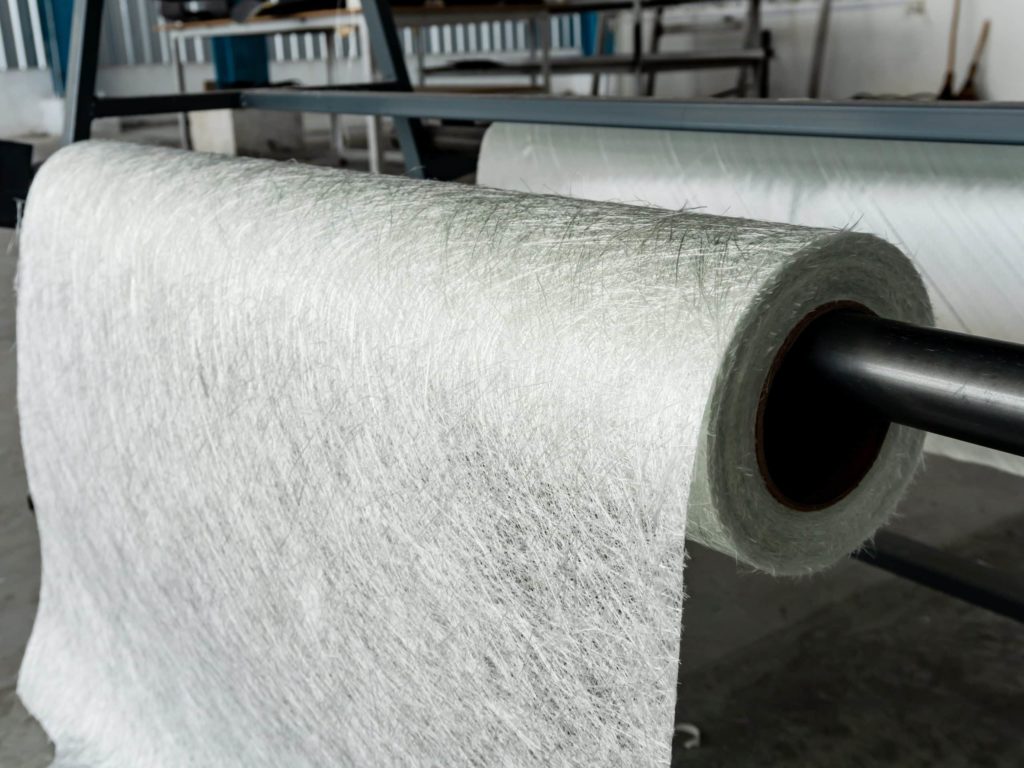
Roll of glass fiber used as filler and reinforcement in industrial polymer composite materials

Fillers and reinforcements

There are multiple types of fillers in polymer materials, which can be classified according to their nature, particle size, shape, or function within the material, as well as the filler surface area. Among them, extender fillers stand out, whose main objective is to occupy volume within the polymer matrix in order to reduce material cost while maintaining properties that are acceptable for the application. This type of filler, such as calcium carbonate or talc, is widely used in applications where the main requirement is economic efficiency without excessively compromising performance or the stiffness of the composite material.

On the other hand, functional fillers are incorporated with the aim of providing specific properties to the material. These can improve characteristics such as stiffness, mechanical strength, thermal stability, or even electrical or barrier properties, thanks to the use of different fillers. This group includes materials widely used in industry, such as glass fiber, carbon fibers, or treated mineral fillers, which make it possible to adapt polymer behavior to more demanding service conditions.

In addition, the effect of these fillers depends not only on their type, but also on factors such as loading per unit volume, dispersion, orientation, and compatibility with the polymer matrix, particularly in the context of plastic additives and fillers. A homogeneous distribution makes it possible to maximize the desired properties, whereas poor dispersion or the formation of agglomerates can generate structural defects and act as failure initiation points. For this reason, their characterization is essential to ensure material performance and final product reliability, especially in the polymer industry.

Additives (stabilizers, modifiers and processing aids)

Additives in plastic materials are, for the most part, organic compounds incorporated during the manufacturing process or at later stages in small amounts, generally between 0.05% and 5% by weight, affecting the filler surface. Their main function is to modify or improve certain properties of the base polymer, making it possible to adapt the material to specific usage requirements without significantly altering its main structure.

From a functional point of view, additives can be classified into three main groups, including coupling agents that improve interaction with polymers, performance enhancers, polymer modifiers, fiber-reinforced plastics, and processing aids. Performance enhancers are intended to provide properties that the original material does not possess, such as fire resistance, oxidation stability, or protection against biological agents. This group includes additives such as flame retardants, antioxidants, or biocides, which are widely used in demanding applications involving PVC.

On the other hand, polymer modifiers act by altering the material’s mechanical or physical properties, such as toughness, transparency, or density. These include blowing agents, impact modifiers, or clarifying agents, which make it possible to adjust material behavior according to its final application, improving its properties.

Finally, processing aids are aimed at improving polymer processability during manufacturing. These are generally surfactant agents that facilitate operations such as demolding, reduce friction, or improve the flow of the molten material. Common examples include lubricants or release agents, whose correct selection directly influences process efficiency and the surface quality of the final product.

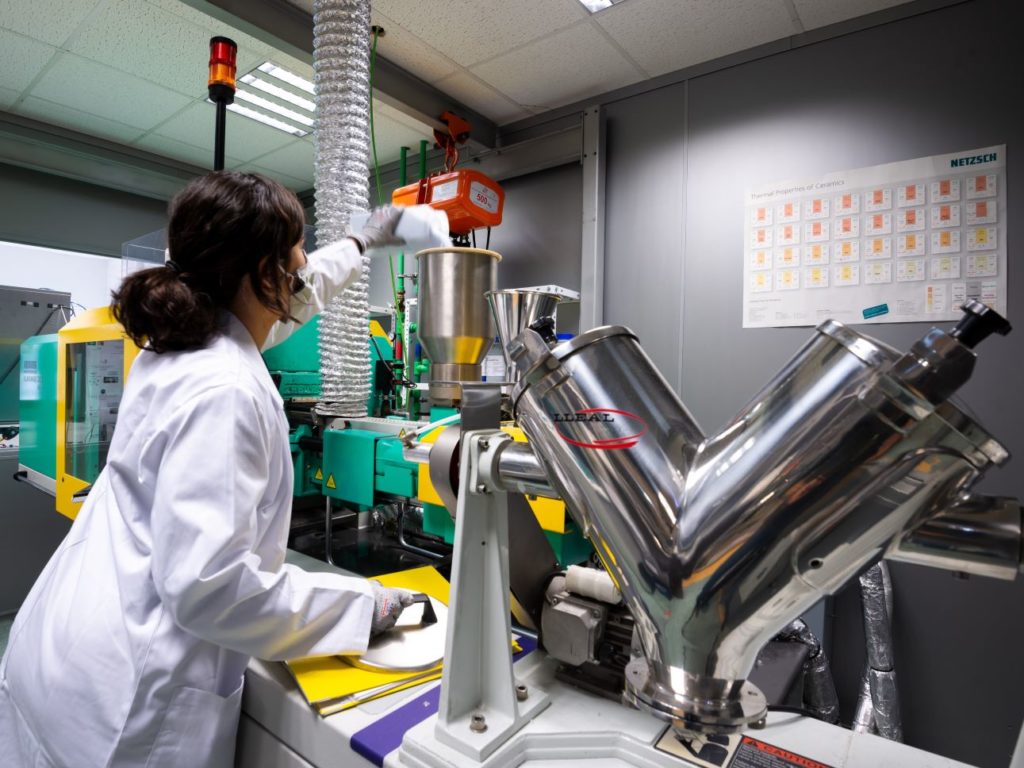
Technician performing additives and fillers characterization in polymer materials using lab equipment
Técnico realizando caracterización de aditivos y cargas en materiales poliméricos con equipo de laboratorio

Benefits of fillers and additives characterization

One of the main benefits of incorporating additives is enhanced performance in various applications. Additive and filler characterization is the ability to accurately determine the real composition of a material and detect deviations from its theoretical or specified formulation, which is key to improving polymer properties. This analysis makes it possible to identify variations in the content, type, or distribution of these plastic additives, which may be directly related to changes in the behavior of the composite material. In this way, early detection of problems is facilitated and uncertainty is reduced during validation or quality control phases.

At INFINITIA, this type of study is commonly applied in comparisons between compliant and non-compliant samples (OK vs NOK), making it possible to identify differences in fillers, additive presence, or degree of dispersion that explain failures in service or performance deviations. This approach is especially useful in sectors such as automotive or electronics, where small formulation variations can have a significant impact on component reliability.

Likewise, characterization makes it possible to validate raw materials and suppliers, detect undeclared changes in formulations, and analyze the impact of recycling or material modification processes. In applications where multiple variables are involved, such as temperature, mechanical stresses, or chemical exposure, this analysis is essential for understanding the origin of degradation or property loss.

Taken together, these studies make it possible to improve product robustness, optimize formulations, and reduce incidents in production or in the field, providing a solid technical basis for decision-making and the development of more reliable and consistent materials.

Plastic additive and filler characterization at INFINITIA

At INFINITIA, additive and filler characterization is approached from a comprehensive perspective that combines chemical analysis, material characterization, and forensic engineering, with a problem-solving focus aimed at industrial issues. The objective is not only to identify the compounds present in a material, but also to understand how its composition, distribution, and interaction influence its in-service behavior, considering the real application context and the manufacturing processes involved.

To achieve this, advanced analytical equipment is available, such as FTIR spectroscopy, X-ray fluorescence (XRF), chromatography, and microscopy, making it possible to address the analysis from different levels: chemical composition, filler content, additive identification, and dispersion assessment. These techniques are combined to obtain a complete view of the material, especially in cases where compounds are present in low concentration or distributed heterogeneously, which may require analysis both during the process and in the final product.

INFINITIA’s approach is based on comparative analysis between samples, such as compliant versus non-compliant materials (OK vs NOK), original materials versus alternatives, or different production batches, making it possible to identify relevant formulation differences that may explain deviations in properties or failures in service, or in cases where tensile strength is critical. This approach is especially useful in supplier validation, quality control, or incident analysis related to plastic processing.

In addition, analysis strategies adapted to each case are designed according to the type of material, the expected compounds, and the problem to be solved. This makes it possible not only to identify the presence of additives and fillers, but also to evaluate their real impact on material performance, facilitating hypothesis validation, root cause detection, and technical decision-making based on experimental evidence.

Polymer microstructure showing dispersion and agglomeration of filler particles

Techniques for additive and filler characterization and elemental analysis in polymer materials

At INFINITIA, we apply different additive and filler characterization techniques to identify, quantify, and analyze the compounds present in polymer materials. These methods make it possible to determine material composition, assess the presence of additives in low concentration, analyze filler content, and study their distribution, providing key information for quality control, material validation, and failure analysis.

Our objective is to select the most suitable technique depending on the type of material, the nature of the compounds to be identified, and the problem to be solved, combining different methodologies to obtain a complete, reliable view oriented toward technical decision-making. This approach makes it possible not only to identify what a material contains, but also to understand how its composition, including polymers and fillers, influences its behavior and in-service performance.

Glass fiber content determination using thermal analysis

The calculation of the glass fiber percentage is one of the most common procedures in the characterization of reinforced materials, especially in engineering polymers where this type of filler is widely used. This analysis makes it possible to quantify the actual reinforcement content present in the material, which is essential for validating specifications, controlling quality, and comparing different batches or suppliers.

The study is usually carried out using techniques such as calcination or thermal analysis, removing the polymer matrix and determining the inorganic residue corresponding to the fiber. This approach makes it possible to directly correlate reinforcement content with mechanical properties such as stiffness or strength, facilitating the identification of deviations that may affect component behavior.

The results make it possible to detect variations in the manufacturing process, validate formulations, and ensure material consistency, and they are especially relevant in structural applications where fiber content has a direct impact on reliability and in-service performance.

Infrared spectroscopy (FTIR)

FTIR spectroscopy is a technique widely used for the identification of organic compounds through the analysis of their functional groups, which is crucial for evaluating elastomers and additives. Applied to polymer materials, it makes it possible to identify both the base matrix and the presence of additives, contaminants, or degradation products.

This method provides a characteristic “chemical fingerprint” of the material, which facilitates comparison between samples, the detection of formulation changes, or the identification of unknown materials. It is especially useful in comparative studies (OK vs NOK), where small composition variations in polymer type may be related to changes in behavior.

The results make it possible to evaluate the material’s chemical stability, detect aging or degradation processes, and validate polymer composition, providing key information for quality control and failure analysis.

X-ray fluorescence (XRF)

X-ray fluorescence (XRF) is a spectroscopic technique that makes it possible to determine the elemental composition of a material through the emission of characteristic radiation after excitation with X-rays. It is a non-destructive, fast method applicable to a wide variety of materials, including plastics with inorganic fillers and several types of polymers.

This technique is especially useful for identifying and quantifying mineral fillers, pigments, or trace elements present in the material, providing direct information about its elemental composition and particle size. In addition, it makes it possible to detect contamination or formulation deviations without the need for complex sample preparation.

The results obtained make it possible to validate materials, compare compositions between different samples, and ensure compliance with technical specifications, making it a key tool in quality control and comparative analysis.

Chromatography (GC, HPLC)

Chromatography techniques, such as gas chromatography (GC) or liquid chromatography (HPLC), make it possible to separate, identify, and quantify organic compounds present in a material, and they are especially relevant for additive analysis.

These techniques are essential when compounds are present in low concentrations or form part of complex mixtures, making it possible to analyze plasticizers, stabilizers, antioxidants, or other additives incorporated into the polymer. In addition, they allow the study of phenomena such as migration or degradation of these compounds.

The results facilitate accurate additive identification, the detection of formulation variations, and the analysis of their impact on material behavior, making them key in quality studies, validation, and failure analysis.

Analysis of particle dispersion and degree of agglomeration

The study of particle dispersion and degree of agglomeration is a critical aspect in filled materials, since it directly influences their mechanical, optical, and rheological properties. A homogeneous distribution of fillers makes it possible to maximize material performance, whereas the presence of agglomerates can generate defects and stress concentrators.

This analysis is performed using techniques such as optical or electron microscopy, as well as laser diffraction methods, which make it possible to assess particle size and distribution within the matrix. In sectors such as paints, coatings, or engineering plastics, this parameter is decisive for final product behavior.

The results make it possible to optimize mixing and transformation processes, improve compatibility between phases, and ensure material quality, reducing the risk of failures associated with inadequate dispersion or the formation of internal defects.

Applications of additives: Industrial sectors where additive and filler characterization can be applied

The characterization of additives and fillers in polymer materials is applied across multiple industrial sectors where material composition has a direct impact on performance, durability, and reliability. Its use makes it possible to validate formulations, detect production deviations, and adapt materials to specific service conditions.

This type of analysis is integrated both in development phases and in quality control or failure analysis, providing key information on the real composition of the material and its relationship with in-service behavior.

Automotive industry: Validation of polymer materials under demanding conditions

In the automotive sector, plastic materials are subjected to severe temperature, vibration, and chemical exposure conditions, which can significantly affect their behavior throughout the service life of the component. The correct formulation of the material, including the type and content of additives and fillers, is key to ensuring durability, safety, and compliance with specifications, as well as improving tensile strength.

  • Mechanical and thermal demands: Components subjected to loads, impacts, and thermal cycling require a controlled formulation in fillers and additives that ensures dimensional stability and strength, thus improving impact resistance.
  • Control of recycled materials and extender fillers: The integration of recycled polymers and fillers introduces variability in composition, which can affect product repeatability.
  • Durability requirements: It is necessary to ensure stability against aging, UV radiation, or chemical agents present in the service environment.

Characterization makes it possible to validate materials, compare formulations among suppliers, and detect deviations that may compromise component performance under real use conditions.

Electronics industry: Composition control in technical materials

In electronics, polymer materials perform critical functions such as electrical insulation, encapsulation, or component protection. Small variations in composition can affect electrical, thermal, or adhesion properties, compromising system reliability.

  • Miniaturization: Components in which small additive variations have a significant impact on overall behavior.
  • Functional materials incorporating additives: Use of specific extender or extension fillers to modify dielectric properties, thermal conductivity, or dimensional stability.
  • High reliability: The need to avoid premature failures under demanding operating conditions and repeated thermal cycles through the use of functional fillers.

Characterization makes it possible to ensure material composition, validate suppliers, and detect contamination or deviations that affect device operation.

Packaging industry: Material safety and behavior

In the packaging sector, material composition is key to ensuring properties such as barrier performance, stability, and food safety. The presence and type of additives and fillers directly influence final product behavior.

  • Migration of compounds: Control of additives that may transfer to the contents, especially in food-contact applications.
  • Barrier properties added to plastics: Influence of fillers on permeability to gases, moisture, or aromas.
  • Regulatory compliance: The need to validate materials according to sector-specific regulations to ensure the specific activity of the filler used.

Characterization makes it possible to analyze composition, detect unwanted substances, and ensure material compliance with technical and regulatory requirements.

Engineering plastics industry: Reduce costs, formulation and quality control

In the manufacture of engineering plastics, material formulation is a critical factor that determines its final behavior in demanding applications. Variations in fillers or additives can generate property dispersion or failures in service, especially if fillers are defined as unsuitable materials for polymer formulation.

  • Process variability: Changes in raw materials or manufacturing conditions that affect final composition.
  • Cost optimization: Use of fillers to reduce cost while maintaining functional performance.
  • Product consistency: The need to ensure repeatability between batches and stability in production.

Characterization makes it possible to control material quality, compare suppliers, and detect formulation deviations that affect performance.

Chemical industry: Types of additives, material compatibility and resistance

In chemical environments, materials are exposed to aggressive substances that may interact with additives or fillers, affecting their long-term stability and durability.

  • Chemical exposure: Interaction with acids, bases, or solvents that may alter material composition and affect the properties of plastics.
  • Additive degradation: Loss of functionality due to chemical reaction or leaching in chemical polymers, causing physical bonding.
  • Material selection: The need to ensure compatibility under real service conditions and preserve plastic properties.

Characterization makes it possible to identify the components present and evaluate their behavior against chemical agents, facilitating the selection of materials that are properly incorporated.

Recycling and circular economy: Evaluation of reused materials

In recycling processes, materials show greater variability in composition due to the mixture of sources, additives, and previous processes, which may affect their final properties.

  • Material heterogeneity: Presence of multiple uncontrolled additives and fillers from different origins.
  • Previous degradation: Changes in polymer structure and composition due to use or reprocessing, which may compromise the mechanical properties of polymers.
  • Safe reuse: The need to validate the material for new applications with guarantees.

Characterization makes it possible to analyze the real composition of recycled material, detect contaminants, and assess its suitability for reuse, contributing to improved quality and reliability in circular economy processes.

The role of additive and filler characterization in INFINITIA’s forensic engineering

The characterization of additives and fillers is a strategic tool for any company that needs to understand the real composition of its materials and ensure their specific characteristics under service conditions. Throughout this content, it has been shown how at INFINITIA we apply different analytical techniques to identify compounds, analyze formulations, and correlate material composition with behavior, making it possible to carry out preventive analysis, detect deviations in time, validate processes, and understand the origin of failures.

Through the combined use of techniques such as FTIR, XRF, chromatography, or morphological analysis, it is possible to identify both the presence of additives and the content and distribution of fillers, providing a complete view of the material. This approach allows companies to anticipate problems, optimize formulations, validate suppliers, and reduce risks associated with failures in production or in service. Characterization is especially relevant in contexts where small variations in composition can have a significant impact on product properties.

The progress of this field is closely linked to the integration of analytical techniques, data digitalization, and comparative approaches that make it possible to interpret material behavior more accurately. The combination of chemical characterization, structural analysis, and experience in materials engineering enables a deeper understanding of the mechanisms governing in-service performance and improves technical decision-making.

Having INFINITIA as a technological partner means having access to a team specialized in forensic engineering and material characterization, capable of designing analysis strategies adapted to each case. The goal is to provide technical rigor, reliability, and support in decision-making, ensuring that materials not only meet initial specifications, but also maintain their expected behavior throughout their service life.

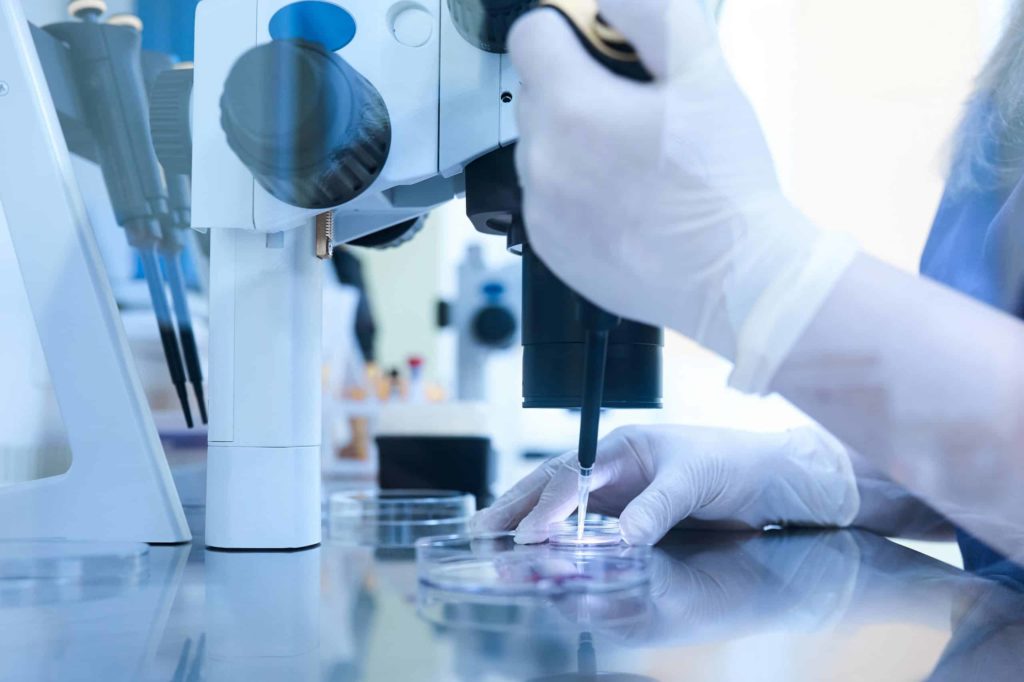
Microscopic image of additives and fillers in polymer materials for composition analysis

Contact us

To receive a PREFERENTIAL ANSWER, please contact us using the form below.


    (*) Mandatory fields


    When do you need to receive the quotation? (*)

    What approximate investment do you expect for this service? (*)

    When do you need to receive the results of the contracted service? (*)

    If you prefer, you can send us your documentation:


    Allowed formats: PDF, DOC, XLS, PPT, JPG, PNG. Maximum size 10 MB total

    Or if your file is large, you can send it via a transfer platform and provide us with the link here:

    BASIC INFORMATION ON DATA PROTECTION:
    Responsible: INFINITIA RESEARCH, S.L. Purpose: to respond to queries raised by the user and send the requested information. Legitimation: user consent. Recipients: only transfers are made if there is a legal obligation. Rights: to access, rectify and delete, as well as other rights, as indicated in the Privacy Policy. You can find the complete information in our privacy policy.

    I agree with the  privacy policy.