

Our customers
We are your trusted partner in industrial engineering






















































Reverse Engineering
Materials reverse engineering is a specialized technical service that we apply at INFINITIA to thoroughly analyze the composition, structure, properties, and behavior of materials found in industrial products, components, and systems.
In our laboratory for engineering and characterization, we have specialists working with advanced materials analysis techniques, physicochemical characterization, structural evaluation, thermal analysis, surface study, and functional testing, providing a complete view of the material from a chemical, microstructural, and performance standpoint.
Our goal is to reconstruct the material logic of a component, identifying which materials have been used, how they interact with each other, what processes may have influenced their properties, and what factors determine their performance. This approach also makes it possible to analyze competitor products to understand their technical solutions, identify differentiating advantages, and develop optimized or equivalent products with better performance.
This service is key when reliable technical information is not available, when deviations between materials exist, or when it is necessary to understand why a product works, degrades, or fails.
Talk to a specialist
Request a free initial consultation; contact a consultant from our team of specialists

What is reverse engineering?
What is it?
Reverse engineering is the process of thoroughly analyzing a product, component, or system to identify its chemical composition, internal structure, physical properties, thermal behavior, material compatibility, and associated manufacturing processes. This approach makes it possible to understand the real nature of the material from a physical sample. Through this process, a detailed technical characterization of the component is obtained. All of this makes it easier to understand its performance under real conditions of use.
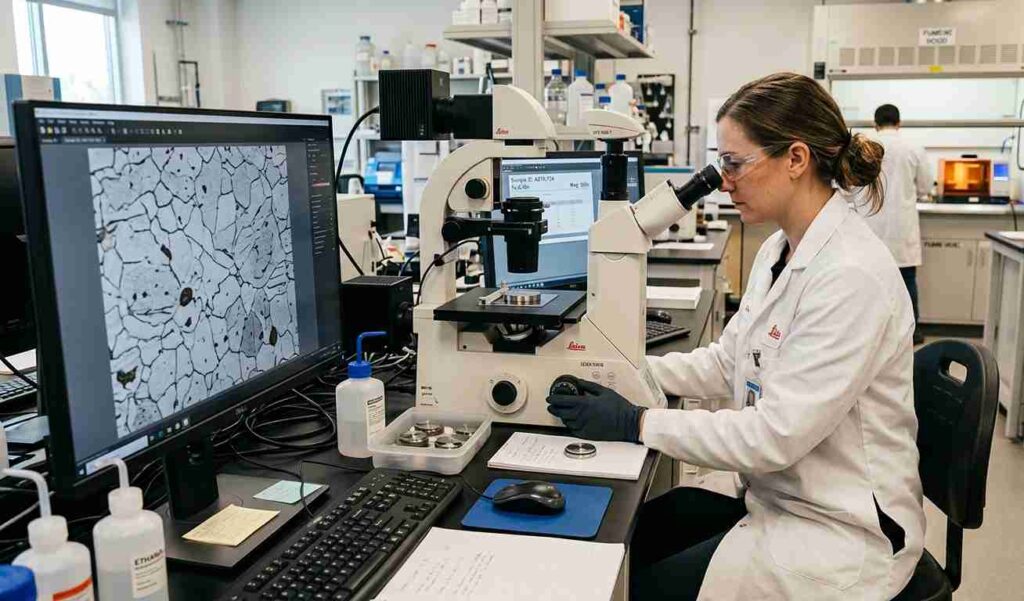
At INFINITIA, we approach this service through a detailed study of the materials that make up the product, assessing how they behave individually and how they interact with each other. This approach is based on technical observation, experimental analysis, and sample comparison. It makes it possible to identify relationships between composition, structure, treatment, degradation, and behavior. This way, materials can be validated, replaced, or improved using objective criteria.
To do this, we combine techniques such as chemical analysis, physicochemical characterization, microscopy, thermal analysis, surface study, mechanical testing, and compatibility assessment. These tools make it possible to identify polymers, metals, coatings, additives, fillers, contaminants, treatments, and possible material alterations. They also help determine whether the observed properties match the expected design or reflect process deviations. This provides a complete view of the material from a technical standpoint.
Thanks to this process, reverse engineering can analyze how a material behaves throughout its life cycle, from manufacturing to aging, degradation, or failure. Deficiencies, incompatibilities, contamination, loss of properties, or structural changes can all be detected.
It also makes it possible to study existing products on the market to understand their material design, assess their performance, and identify opportunities for improvement compared to competitors’ solutions.
Based on this information, solutions are defined to improve material selection, validate alternatives, and reduce risk. This provides key data for decision-making in design, production, quality control, and issue resolution.
The reverse engineering process at INFINITIA
At INFINITIA, reverse engineering is approached from a comprehensive perspective that combines materials characterization, physicochemical analysis, functional evaluation, forensic engineering, and failure analysis. The goal is not only to identify a material, but to interpret how its composition, structure, and processing influence the product’s real-world behavior, which relates to the challenges of reverse engineering.
To do this, advanced techniques are used, including chemical analysis, structural characterization, surface study, microscopy, thermal analysis, and specific tests The analyses must be adapted to each case and to the type of similar product being evaluated. These methods provide detailed information on polymers, metals, elastomers, coatings, adhesives, composites, mineral fillers, additives, contaminants, or degradation products.
The approach is based on studying the interaction between materials, processes, and conditions of use, as well as comparative analysis between components in different states. Reverse engineering is a process that makes it possible to identify deviations, incompatibilities, or limitations that affect the product’s performance and durability.
In addition, reverse engineering also makes it possible to develop analysis strategies tailored to each case, aimed at validating hypotheses, identifying root causes, defining specific technical improvements, and producing a product similar to competitors’. This approach enables decisions based on objective data obtained through testing and analysis under controlled conditions.
Benefits of reverse engineering in product analysis and improvement
Benefits
Reverse engineering makes it possible to address industrial challenges related to a lack of information about a material composition, formulation, treatments, properties, or behavior. One of the most common cases is the need to identify what a component is made of when no reliable technical data sheet exists, or when the received material is suspected not to match the specification. Through composition analysis and advanced characterization, it is possible to reconstruct critical material information, reducing dependence on incomplete documentation.
At INFINITIA, we apply this approach to identify the root cause of failures in industrial components and systems, combining materials analysis with forensic engineering and functional evaluation. This process enables an accurate diagnosis, identifying root causes linked to improper material selection, contamination, incompatibilities, or degradation. Thanks to this analysis, it is possible to avoid repeating errors and improve product reliability.
This type of study also makes it possible to analyze how different materials interact within the same system, detecting chemical, mechanical, thermal, or surface compatibility issues. This aspect is critical in multilayer systems or demanding environments, where small variations can lead to significant failures. This approach makes it possible to optimize materials, improve in-service behavior, and improve the stages of product design. This service is also key in improvement processes, supplier validation and comparative analysis between samples.
It also makes it possible to carry out technical benchmarking of competitors’ products, identifying differences in materials, formulations, or behavior that can be used to improve in-house designs or develop competitive alternatives.
Studying equivalent materials or compliant versus non-compliant parts makes it possible to understand which differences explain changes in performance. Overall, this approach reduces uncertainty, improves quality, and optimizes product development.
services
How do we apply reverse engineering at INFINITIA?
-
 Reverse Engineering
Physical properties
The physical approach examines specific, observable variables: the depth and morphology of machining marks, the way a crack propagates, the flow rate of a leak…
-
 Reverse Engineering
Surface texture and microstructure analysis
The Microstructure and surface texture analysis consists of the study of Internal and external characteristics of a sample on a microscopic scale. In the case…
-
 Reverse Engineering
Elemental analysis and chemical composition
Elemental analysis involves quantifying the chemical elements present in a sample, whether at high concentrations or trace levels. The aim is to obtain a complete compositional profile that supports informed decision-making during the development, validation…
-
 Reverse Engineering
Analysis of unknown substances
Identify in order to decide
-
 Reverse Engineering
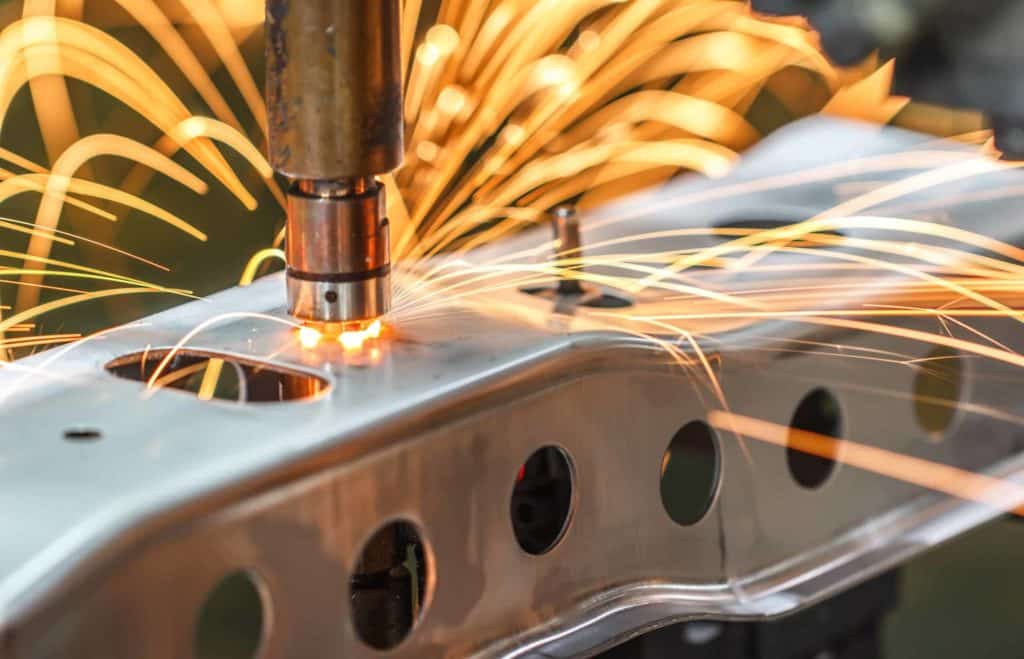
Thermal properties
Among the most important thermal properties in engineering are thermal conductivity, heat capacity (or specific heat), thermal diffusivity, thermal expansion, melting point and thermal stability.…
-
 Reverse Engineering
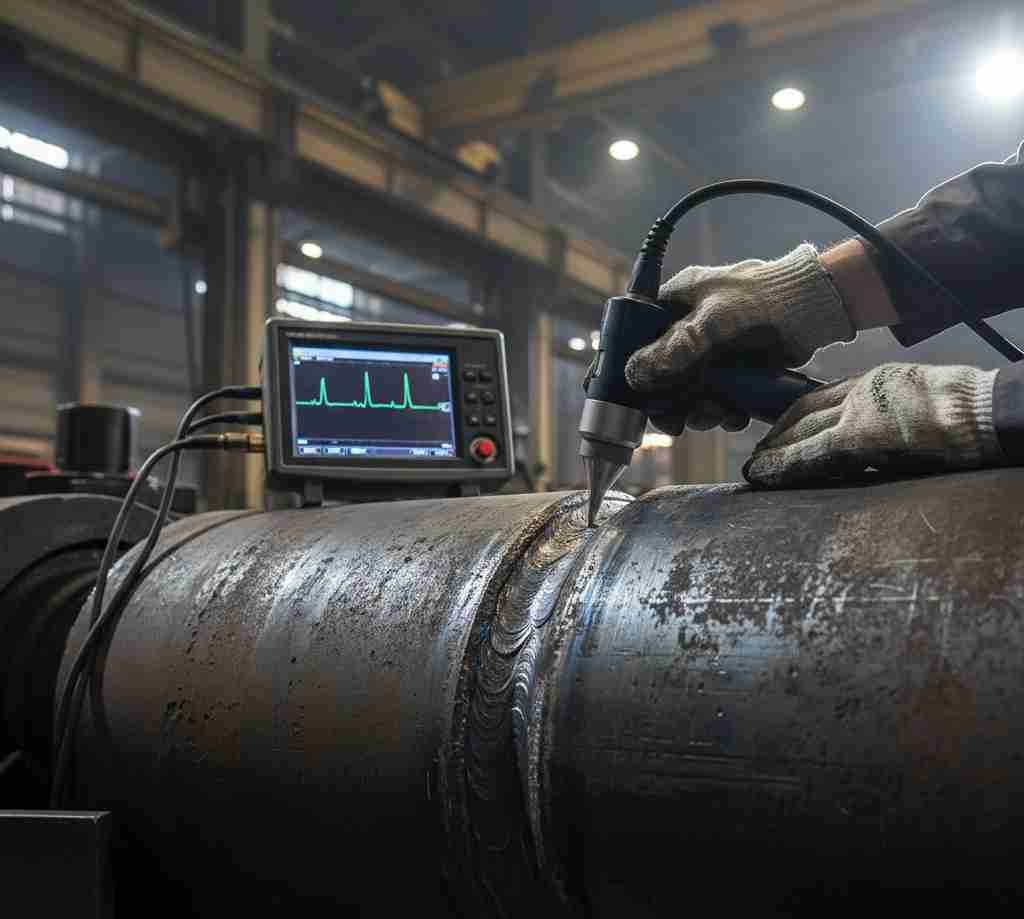
Non-destructive testing
Non-destructive testing (NDT) comprises a range of inspection techniques designed to assess the properties, integrity and behaviour of materials, components or structures without compromising their…
-
 Reverse Engineering
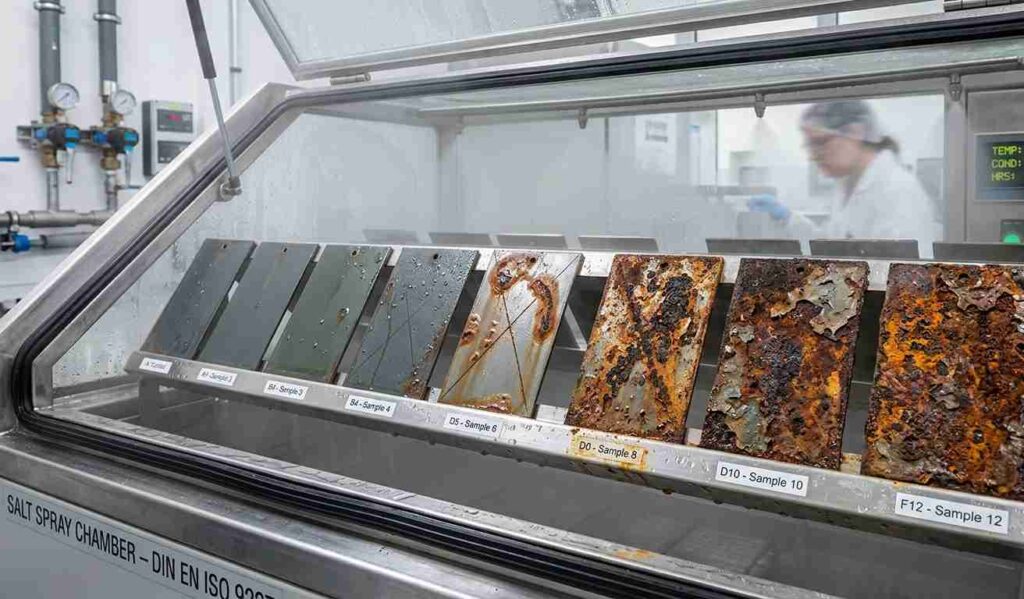
Industrial benchmarking and comparative trials
Comparative tests involve the experimental evaluation of different solutions under controlled and reproducible conditions, with the aim of making objective comparisons between products, materials or…
-
 Reverse Engineering
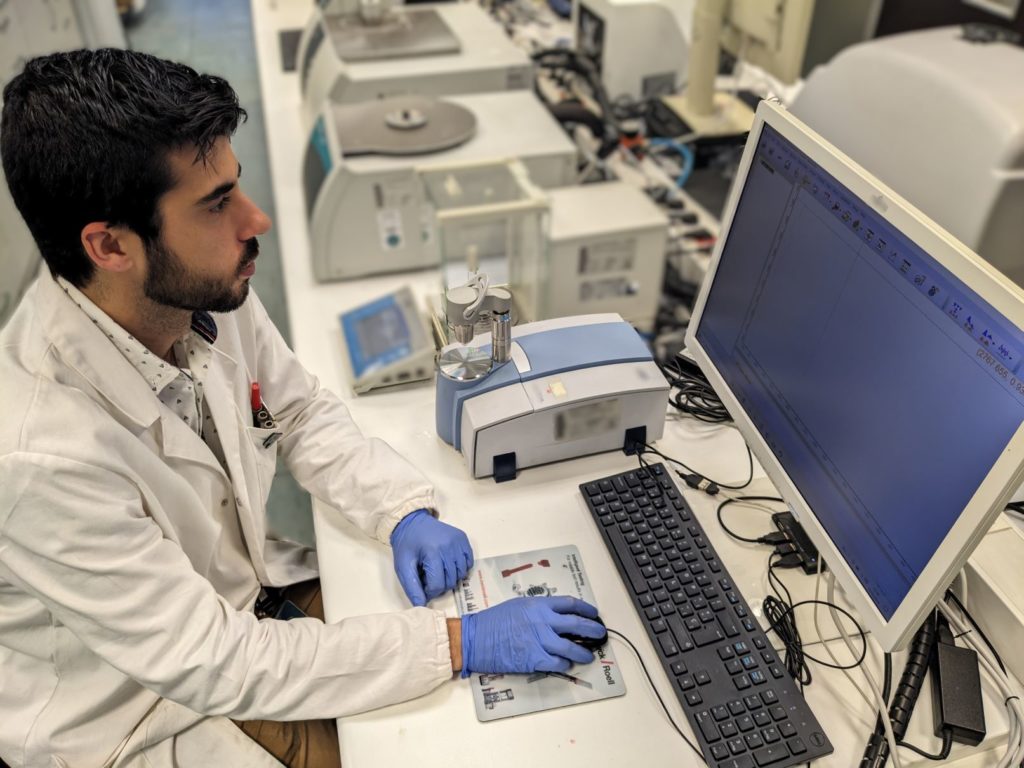
Chemical analysis
Chemical analysis of materials encompasses a wide range of techniques aimed at determining the quality, composition and characteristics of specific products. At Infinitia, we use…
-
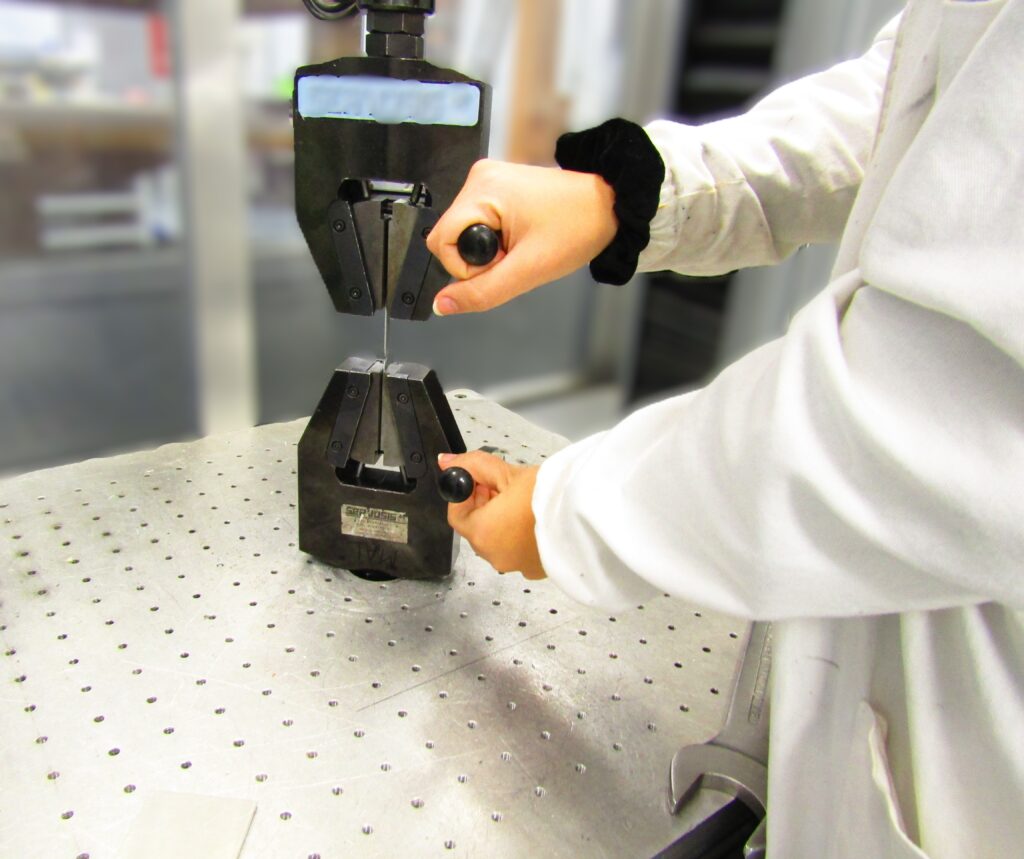 Reverse Engineering
Mechanical properties
Mechanical property tests are technical procedures that measure how a material responds to external stresses and determine its ability to withstand loads without failure. They…
Applications of reverse engineering, component and industrial product analysis
Applications
At INFINITIA, we apply reverse engineering in different industrial contexts to identify, compare, validate, and improve materials. The approach is based on breaking the material down into its fundamental variables: composition, structure, properties, treatments, and behavior in relation to the environment.
Our goal is to integrate the analysis of individual materials and complex systems, combining information on compatibility, degradation, and functional performance. This makes it possible to make well-founded technical decisions in material selection, supplier validation, and product improvement.
Materials reverse engineering
Materials reverse engineering makes it possible to identify the composition, structure, and properties of the materials used in a product. This analysis is key to understanding how they influence the component’s mechanical behavior, thermal behavior, or chemical behavior through reverse engineering.
Through advanced characterization techniques, contamination, formulation variations, or incompatibilities between materials can be detected. This makes it possible to assess the suitability of the materials used and their impact on the product’s durability and performance.
At INFINITIA, we use this approach to optimize material selection, improve formulations, and prevent failures associated with uncontrolled interactions. This analysis makes it possible to increase product reliability and adapt its properties to real conditions of use, tailoring solutions to each client’s needs.
Chemical composition and formulation analysis
Chemical composition analysis makes it possible to identify the elements, compounds, additives, fillers, plasticizers, stabilizers, pigments, or contaminants present in a material, essential for understanding how it performs in its application. This study is key to understanding which chemical variables determine its behavior.
Through advanced analytical techniques, it is possible to compare materials from different suppliers, detect differences between batches, or confirm whether a sample meets a technical specification. This makes it possible to interpret how composition affects the final properties.
At INFINITIA, we apply this approach to support validation processes, product improvement, and the development of alternatives. The information obtained makes it possible to adjust formulations, select the right raw materials, and reduce risks associated with supplier changes.
Structural and microstructural characterization of materials
Structural and microstructural characterization makes it possible to analyze how a material is internally organized and how that structure influences its properties. In metals, polymers, or composites, it can explain differences in strength, stability, or in-service behavior.
This analysis is essential because two materials with similar composition can behave differently if their structure, processing, or thermal history are not equivalent. This makes it possible to detect defects, inclusions, treatments, or degraded areas.
At INFINITIA, we use these techniques to interpret differences between functional and failed samples, validate treatments, and study process defects. Structural characterization provides a solid technical basis for defining corrective actions.
Material compatibility analysis
Material compatibility analysis makes it possible to assess how different materials interact within the same product or system. It is especially relevant in assembled components, coatings, adhesives, elastomers, seals, or products exposed to chemical agents, where reverse engineering models can be applied.
Through this study, it is possible to identify whether a failure is due to poor material selection, an unforeseen chemical interaction, or environment-driven accelerated degradation. This is key when the problem appears at the interface between materials.
At INFINITIA, we apply this approach to validate material combinations, investigate adhesion failures, and improve the stability of complex systems. The results make it possible to select compatible materials and reduce in-service issues.
Degradation, aging, and failure analysis of materials
Degradation and aging analysis of materials makes it possible to study how their properties change over time or under demanding use conditions, for example in mechanical engineering cases. Temperature, humidity, radiation, chemical agents, or mechanical stress can cause loss of properties or failure.
This approach is especially useful when a product has failed in service and it is necessary to determine whether the cause lies in the material, the process, or the environment. Comparing new, used, and failed samples makes it possible to reconstruct how the material has evolved.
At INFINITIA, we combine materials analysis, forensic engineering, and advanced characterization to study degradation and failure mechanisms. Reverse engineering makes it possible to recreate conditions, validate hypotheses, define corrective actions, and select more resistant materials.
Comparative materials analysis and validation of alternatives
Comparative materials analysis makes it possible to assess differences between apparently similar samples or competitors’ products, identify which variables explain changes in behavior, and better design a similar product. It is applied in supplier changes, non-compliant batches, alternative products, or modified formulations, making it easier to analyze a product in greater depth.
This approach is key to developing equivalent or superior products, optimizing materials, formulations, and performance based on solutions already available on the market.
This study makes it possible to determine whether two materials are equivalent, or whether an alternative can replace the original material without compromising quality, safety, or durability, helping to inform engineering decisions. To do this, composition, structure, properties, and functional behavior are analyzed.
At INFINITIA, we use reverse engineering to find the best option, supporting approvals, cost optimization, product improvement, and the resolution of issues that arise in production processes. Comparative analysis reduces risk before introducing changes into production and provides technical selection criteria.
Reverse engineering for competitor analysis and technical benchmarking
Reverse engineering makes it possible to analyze existing products on the market from a technical standpoint, to gain deep insight into how they are designed, what materials they use, and how they behave under real conditions of use. This approach is especially useful when evaluating competitors’ solutions without relying on declared information or limited technical documentation.
By studying composition, structure, and properties, it is possible to identify which design decisions have been made, which materials have been selected, and which processes may have influenced the product’s performance. This makes it possible to understand not only how a component is made, but why it behaves in a certain way and which variables are critical to its behavior.
This type of analysis facilitates technical benchmarking between products, comparing materials, formulations, and performance to identify relevant differences. Based on this information, it is possible to detect competitive advantages, technical limitations, or opportunities for improvement that can be applied directly to the development of new products or the optimization of existing solutions.
At INFINITIA, we apply this approach to help companies improve their technical market positioning, reducing uncertainty in product development and speeding up decision-making. Reverse engineering thus makes it possible not only to understand the competition, but to outperform it through optimized solutions based on real data.
Industrial sectors where reverse engineering is key to improving performance, quality, and reliability
sectors
Reverse engineering has key applications across a wide range of industrial sectors, as it makes it possible to analyze, reproduce, and improve products in contexts where technical information is limited or performance needs to be optimized. However, functional requirements, the materials used, and conditions of use vary significantly by sector, making it essential to adapt the analysis approach to each case in order to obtain relevant, applicable results.
At INFINITIA, we develop advanced reverse engineering studies combining digitization, materials characterization, functional analysis, and forensic engineering methodologies. Our goal is to understand each product in its real context, identify opportunities for improvement, and generate technical information that supports decision-making, ensuring quality, reliability, and optimization through reverse engineering in industrial design, while supporting engineering decisions.
Reverse engineering in the automotive sector: failure diagnosis and materials validation in automotive components
In the automotive sector, materials are subjected to demanding conditions of temperature, vibration, friction, fatigue, humidity, chemical agents, and repeated use cycles. Reverse analysis makes it possible to study plastic, metal, elastomeric, adhesive, or coated components to understand their composition, structure, and behavior under real service conditions.
- Material and finished product validation: analysis of composition, properties, and treatments to check whether the material meets the expected technical requirements.
- Failure diagnosis: identification of root causes associated with degradation, incompatibility, contamination, fatigue, or process deviations.
- Durability optimization: selection of more resistant materials against temperature, chemical agents, wear, or demanding environmental conditions.
At INFINITIA, we apply these studies to evaluate critical components, compare compliant and non-compliant samples, identify deviations, and define improvements aimed at increasing product reliability. This approach makes it possible to reduce field incidents, support supplier changes, and improve material robustness in demanding automotive applications.
Reverse engineering in electronics: materials characterization, packaging, and component reliability
In the electronics sector, materials must maintain functional stability under conditions of miniaturization, heat dissipation, humidity, thermal cycling, and environmental exposure, which requires a reverse engineering process for their evaluation. Materials analysis makes it possible to study packaging, solder joints, coatings, adhesives, and technical polymers to understand their composition, structure, and behavior under real operating conditions.
- Functional material identification: analysis of polymers, resins, coatings, solder joints, adhesives, and insulating materials used in the system.
- Degradation diagnosis: detection of cracks, delamination, corrosion, ionic contamination, or thermal aging that affect performance.
- Reliability optimization: evaluation of behavior against humidity, temperature, thermal cycling, and chemical agents, feeding back into the design process.
At INFINITIA, we apply these studies to evaluate electronic systems from a materials standpoint, identify critical points, and define improvements aimed at increasing the overall robustness of the system. This approach makes it possible to reduce incidents, optimize specifications, and improve reliability in industrial applications.
Reverse engineering in the chemical industry: material composition, compatibility, and stability
In the chemical industry, materials and formulations are exposed to complex interactions that can affect their stability, compatibility, and in-service behavior. Composition analysis makes it possible to study additives, fillers, contaminants, and degradation products to understand how they influence product performance.
- Chemical characterization: identification of the composition, additives, plasticizers, stabilizers, or contaminants present in the material.
- Compatibility assessment: analysis of interactions between materials and chemical substances to detect unwanted reactions.
- Formulation optimization: adjustment of composition and selection of raw materials to improve stability and durability, through reverse engineering.
At INFINITIA, we use these studies to detect deviations in formulations, compare materials, and define improvements aimed at increasing product efficiency and stability. This approach makes it possible to validate alternatives, reduce incompatibility-related failures, and optimize performance in demanding environments.
Reverse engineering in construction and infrastructure: materials evaluation, degradation, and service life
In construction and infrastructure, materials are exposed to mechanical loads, humidity, thermal changes, contaminating agents, and long-term degradation processes. Materials analysis makes it possible to study concrete, metals, polymers, coatings, and sealants to understand their behavior under real conditions of use.
- Construction materials evaluation: analysis of chemical, mechanical, structural, and surface properties in materials used on site.
- Degradation diagnosis: identification of causes of cracking, corrosion, loss of adhesion, or aging.
- Durability improvement: selection of appropriate materials and treatments to extend the service life of systems.
At INFINITIA, we apply these studies to evaluate the condition of materials, identify problems, and define technical solutions aimed at improving the safety and reliability of structures. This approach makes it possible to make well-founded decisions on maintenance, repair, or replacement.
Reverse engineering in consumer goods: materials optimization, product quality, and durability
In consumer goods, materials must meet demanding requirements for quality, durability, safety, and stability during use. Materials analysis makes it possible to study plastics, elastomers, technical textiles, coatings, or packaging to understand which variables determine their performance.
- Materials optimization and product design: analysis of formulations, additives, fillers, and treatments to improve performance and stability.
- Incident reduction: identification of mechanisms of wear, breakage, discoloration, migration, or loss of properties.
- Validation of alternatives: comparison between materials from different suppliers or reference products.
At INFINITIA, we use this approach to analyze products on the market, detect differences, and define improvements aimed at increasing the quality and durability of finished products. This analysis makes it possible to reduce incidents, optimize costs, and make decisions based on reliable technical data.
Applying reverse engineering to improve business competitiveness
value
Reverse engineering is a strategic tool in industrial environments where it is essential to gain a deep understanding of what a product is made of, how its materials behave, and why differences in performance, degradation, or failures can occur. This approach makes it possible to analyze not only composition, but also the structure, treatments, and conditions of use that directly influence its in-service behavior.
Thanks to this approach, it is possible to carry out an accurate technical diagnosis, identify the source of material-related problems, and significantly reduce analysis times. The information obtained also makes it possible to improve products by selecting more suitable materials, optimizing formulations, and correcting deviations in manufacturing processes or conditions of use.
It also facilitates comparative analysis between samples, detection of contamination, and validation of alternatives. It also makes it possible to analyze competitors’ products from a technical standpoint to identify opportunities for improvement, reduce development times, and increase market competitiveness.
This type of study makes it possible to identify relevant differences between apparently similar materials, assess their impact on performance, and anticipate possible failures before they occur in service, thereby improving technical decision-making.
Carrying out reverse engineering with INFINITIA means having access to a team specialized in characterization and advanced analysis, capable of addressing each case comprehensively and tailored to each problem. This approach makes it possible to reduce uncertainty, improve product quality and reliability, optimize processes, and increase competitiveness through decisions based on solid experimental data.
-
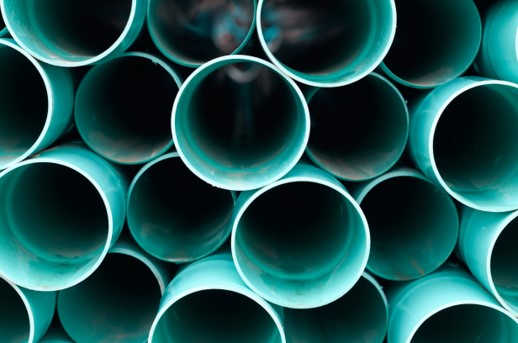
 Plastics – polymers – composites
 Forensic engineering
Reverse engineering of weather-resistant plastics
-
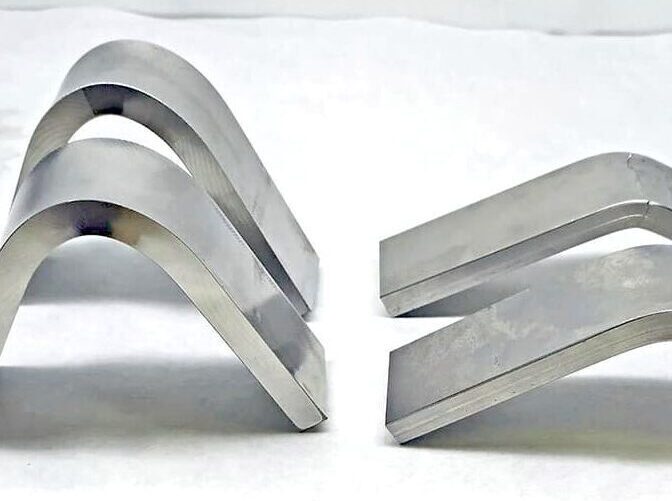 Metals – alloys – weldsForensic engineering
Reverse engineering and homologation of special steels
-
 Waste – recycled – sustainability
 -
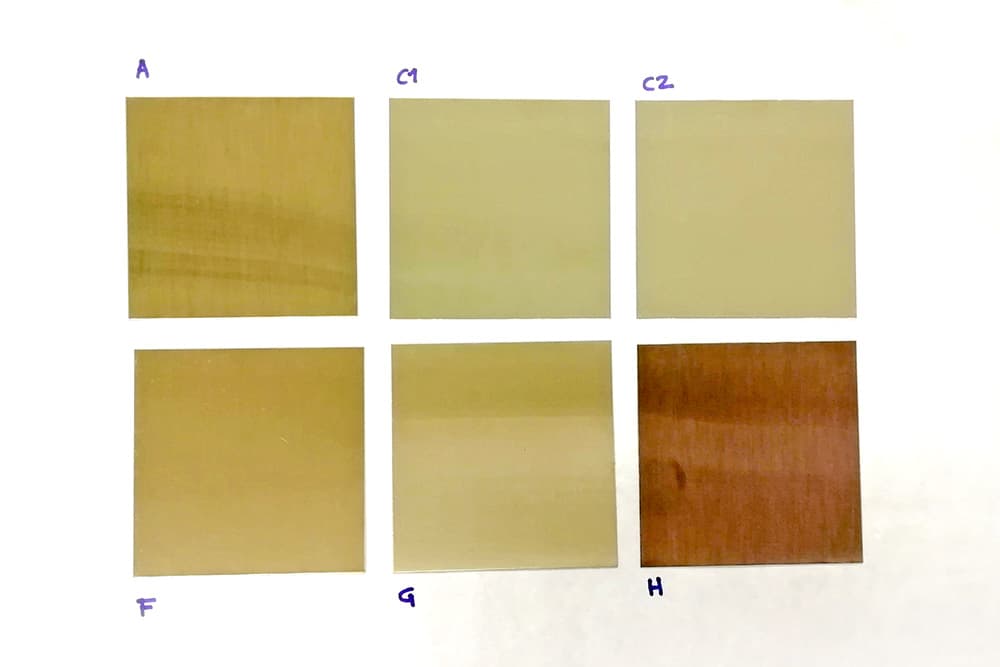 Adhesives – coatings – treatmentsForensic engineering
Analysis of stainless steel yellowing to improve performance at high temperatures
-
 Plastics – polymers – composites
 -
Electrical – electronics components

-
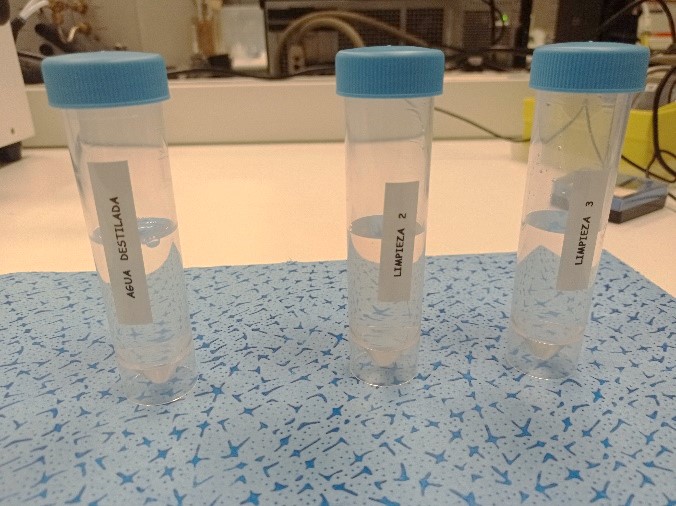 Chemicals – detergents – oilsForensic engineering
Identification of Unknown Contaminants during the Manufacturing Process
-
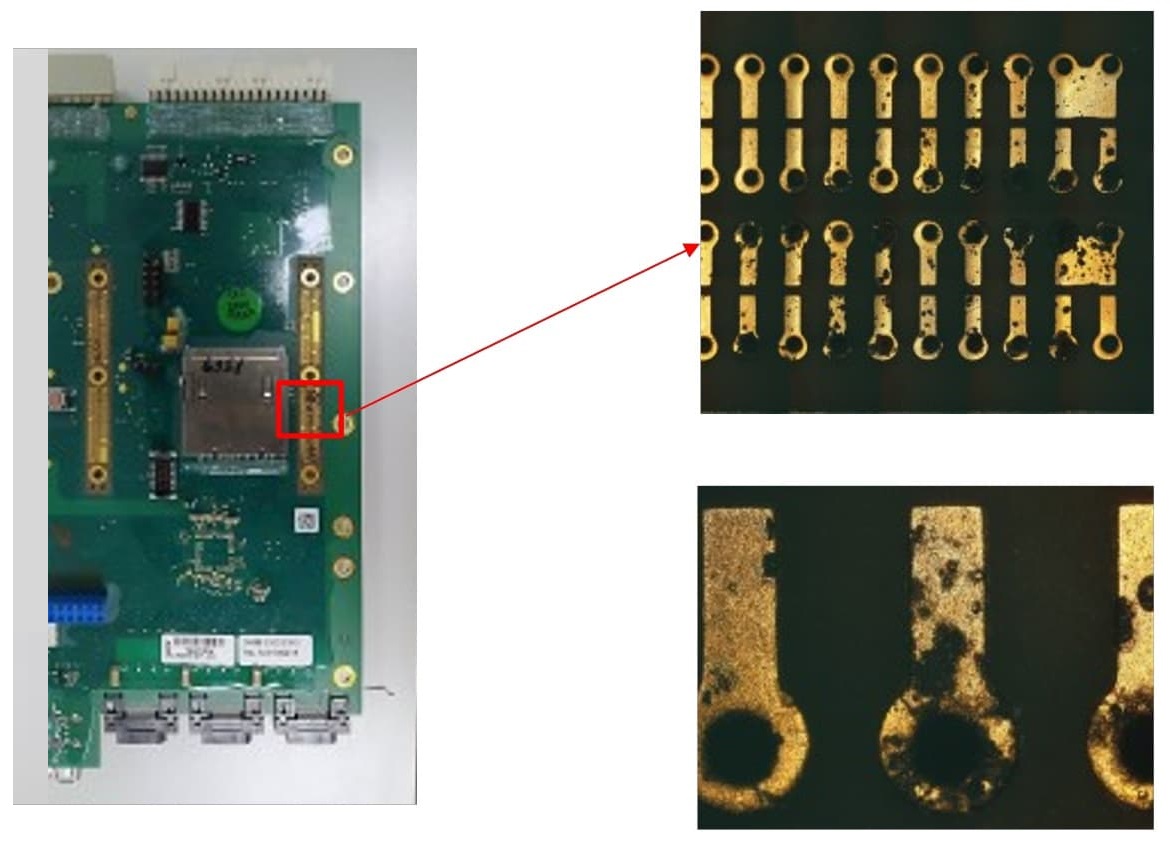 Electrical – electronics components
 -
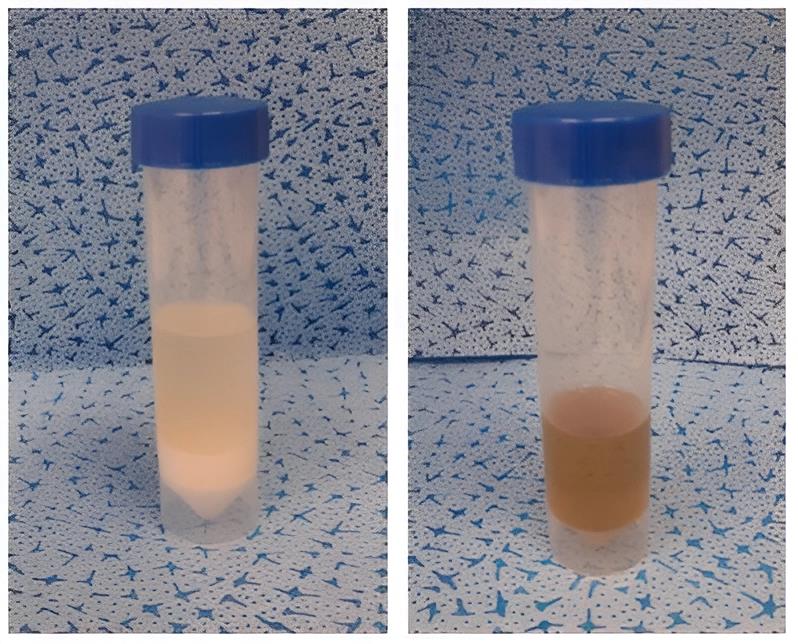 Chemicals – detergents – oils
 Forensic engineering
Fluid Analysis in Production for Cost Reduction and Sustainability Improvement
-
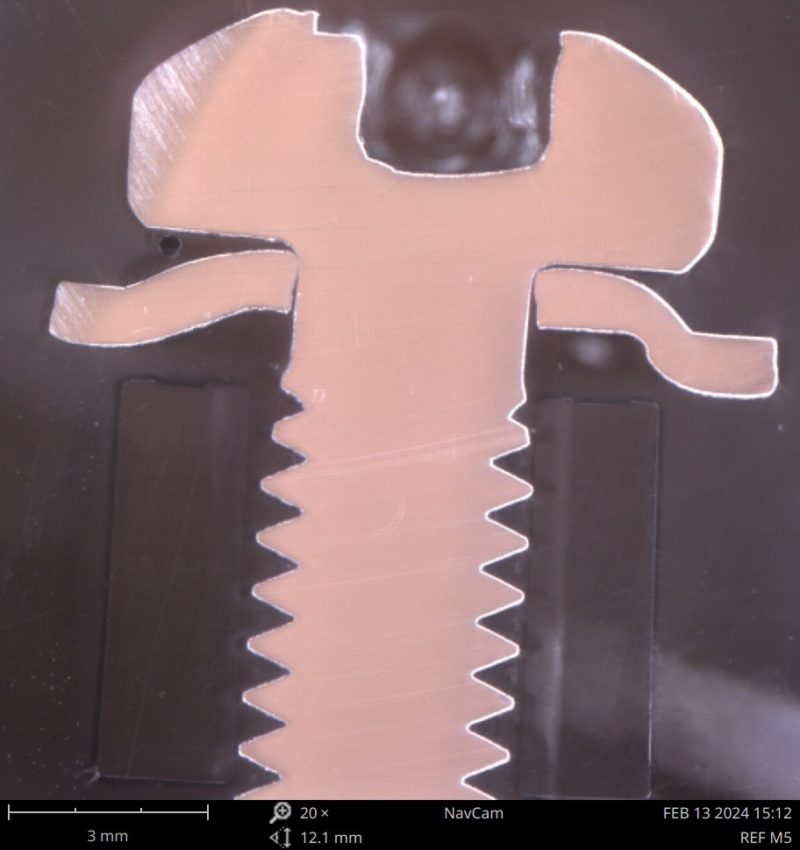 Electrical – electronics components
 -
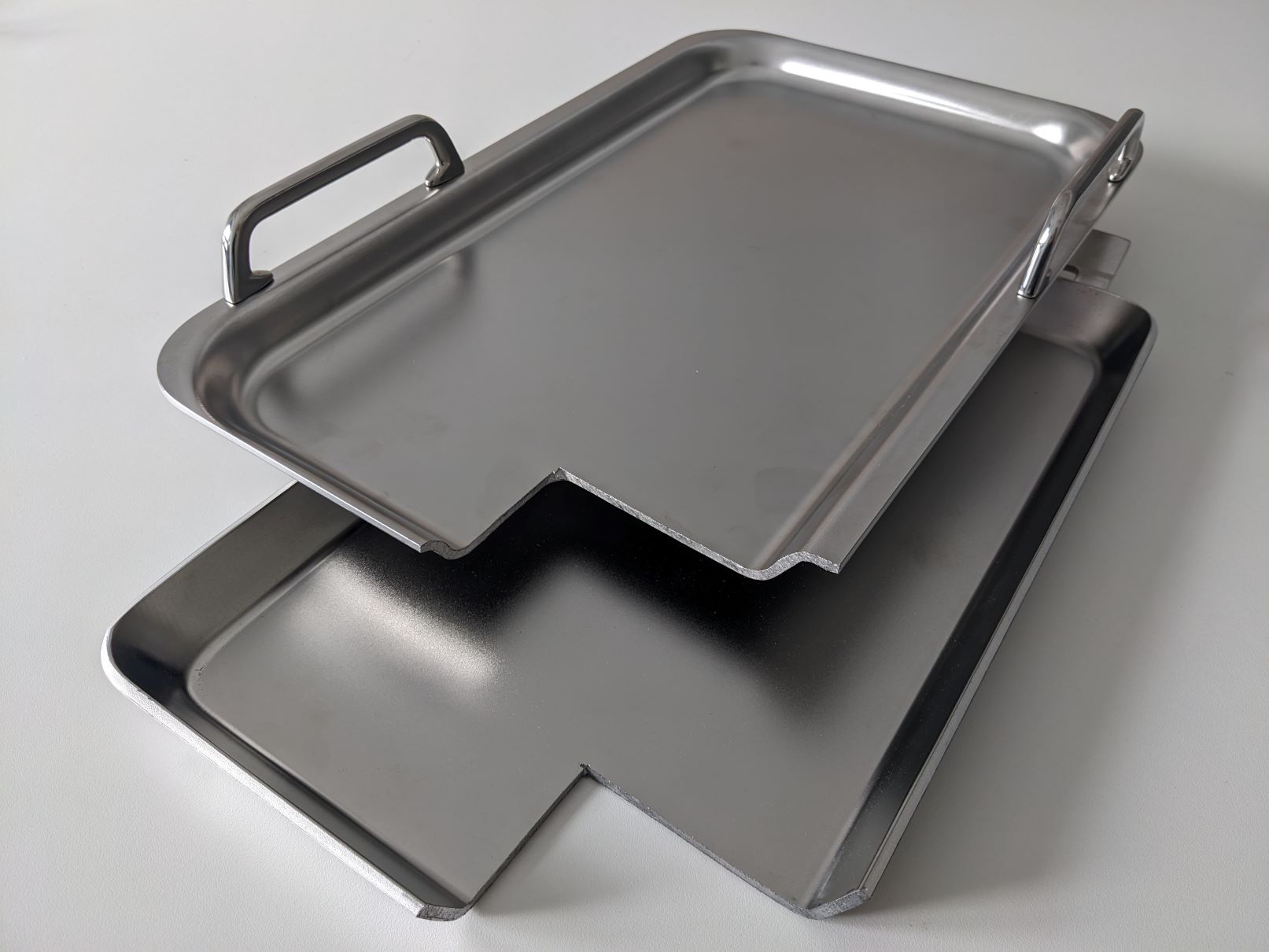 Metals – alloys – welds
 Forensic engineering
Reverse Engineering and Comparison of Cooking Utensils for Product Improvement
-
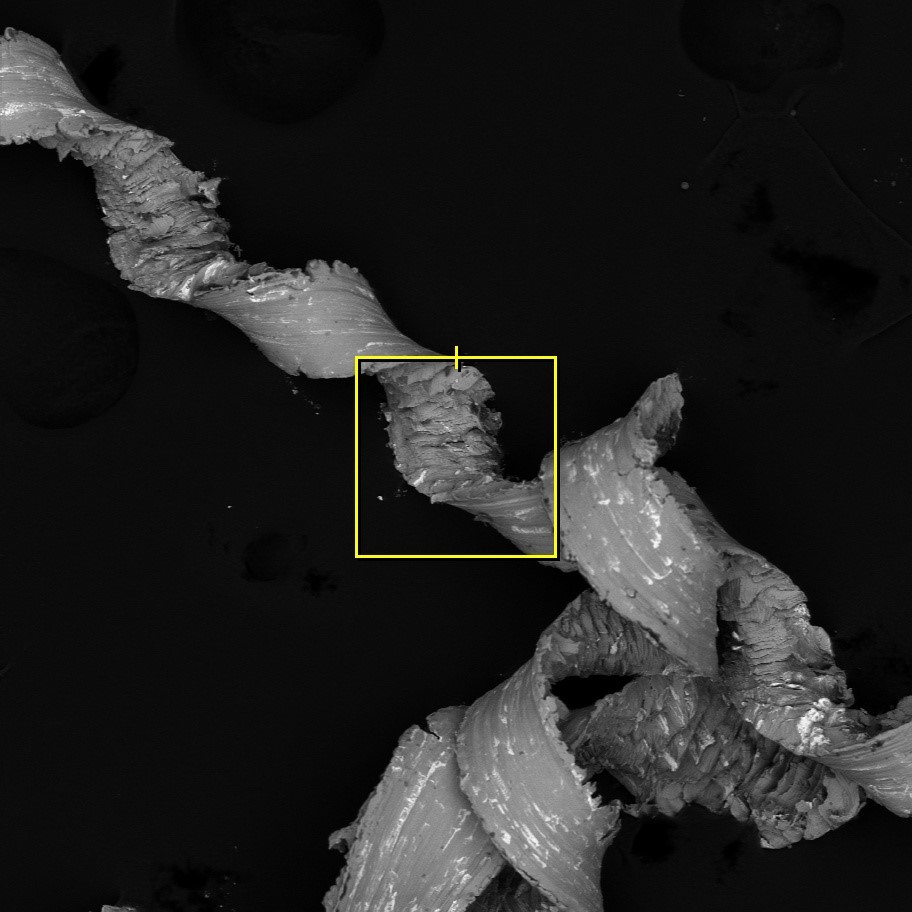 Metals – alloys – welds
 -
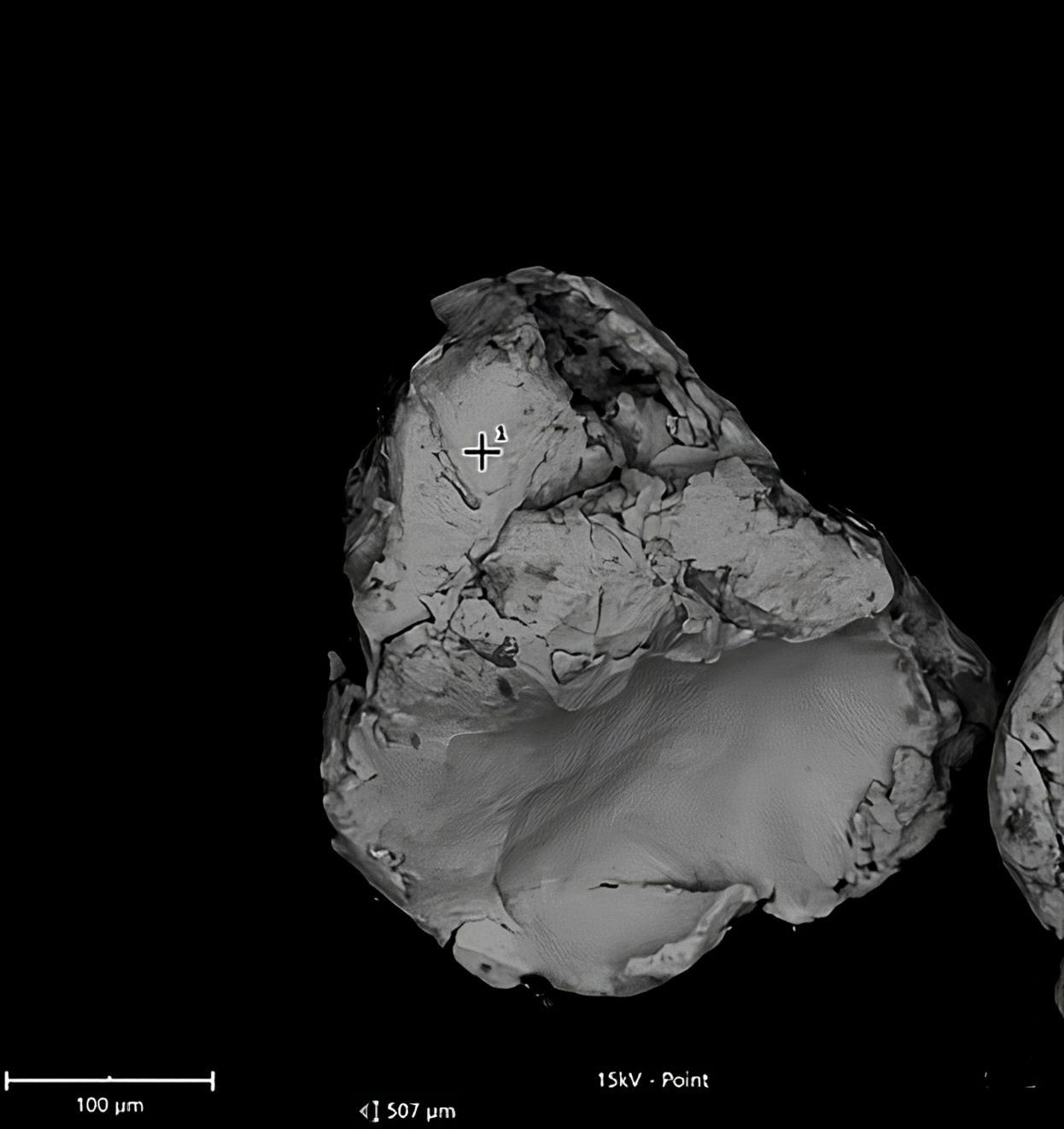 Plastics – polymers – compositesForensic engineering
Characterization of Particles Generated During a Plastic Pyrolysis Process
-
 Metals – alloys – weldsForensic engineering
Alloy analysis to optimize performance and costs through reverse engineering
-
 Waste – recycled – sustainability
 -
 Adhesives – coatings – treatmentsForensic engineering
Reverse engineering of paints to verify conformity and safety
-
 Volatiles – gases – pollutants
Frequently asked questions about reverse engineering and materials analysis in industry
FAQs
What is reverse engineering used for in industrial materials and products?
Materials reverse engineering is used to reconstruct the technical information of a product through physical analysis: chemical composition, internal structure, mechanical, thermal, and surface properties, and associated manufacturing processes. At Infinitia, we apply this service when a company needs to understand why a product works, degrades, or fails, without relying on documentation from the manufacturer.
It is especially useful in situations where no reliable technical data sheet exists, when the material received does not match the specification, or when it is necessary to understand the real behavior of a component. The result is objective technical information that supports well-founded decisions in material selection, quality control, issue resolution, and product development.
When is it necessary to carry out a materials analysis using reverse engineering?
Applying reverse engineering is necessary when the available information about a material or component is insufficient, inaccurate, or does not reflect its real in-service behavior. The most common cases we work on at Infinitia include: unexpected field failures, deviations between production batches, supplier changes without sufficient validation, suspected non-compliant materials, or the need to develop an alternative to a component with no documentation.In all these scenarios, relying solely on declared specifications is not enough. Experimental analysis makes it possible to verify composition, detect contamination, identify incompatibilities, and obtain real data on which to base technical decisions. If you are not sure whether your case requires this type of study, you can tell us about your problem and we will assess it at no obligation.
What types of materials can be analyzed with reverse engineering?
With reverse engineering, virtually all industrial materials can be analyzed: technical polymers and plastics, metals and alloys, elastomers, composites, coatings, adhesives, ceramics, technical textiles, and chemical formulations such as paints, lubricants, or cleaning products.
At Infinitia, we have the equipment and specialists needed to handle both simple materials and complex multilayer or multi-material systems. We work with samples in any condition: new, aged, failed, or reference. You can check specific examples in our completed reverse engineering projects, where you will find real cases in sectors such as automotive, electronics, consumer goods, or the chemical industry.
What is the difference between reverse engineering and a standard laboratory test?
A standard laboratory test applies a defined standard (for example, ISO, ASTM, or UNE) to check whether a material meets a specific reference value. It is useful for validating properties under controlled conditions, but it does not answer the question of why a material behaves in a certain way.Reverse engineering, on the other hand, starts from a real problem and combines multiple analytical techniques (chemical, microstructural, thermal, mechanical, surface) to interpret the material in context. At Infinitia, we integrate both approaches: when the case requires it, we support reverse analysis with custom-designed tests specifically built to reproduce the conditions of use of the client.
Can competitor products be analyzed with reverse engineering?
Yes. Reverse engineering makes it possible to technically study commercial products to identify what materials they use, how they are formulated, and which variables explain their performance. This analysis does not require access to internal documentation, nor does it infringe intellectual property rights, provided it is carried out on physical samples obtained legally.
At Infinitia, we apply this approach to help companies carry out rigorous technical industrial benchmarking: comparing materials, detecting formulation differences, and applying those conclusions to the development of more competitive in-house products. We have applied this service, for example, in the comparative analysis of metal alloys to optimize performance and costs against the competition.
How is the composition of a material determined without a technical data sheet?
When no technical data sheet is available or it is not reliable, the composition of a material is determined using instrumental analytical techniques such as infrared spectroscopy (FTIR), mass spectrometry, X-ray fluorescence (XRF), thermal analysis (DSC/TGA), or chromatography, among others, depending on the type of material.At Infinitia, we select the most suitable techniques for each case, taking into account whether it is a polymer, a metal, a coating, or a complex formulation. The results make it possible to identify the base of the material, its additives, fillers, contaminants, or degradation products. If you also need to compare that information against a specification or a reference material, we carry out elemental and chemical composition analysis using comparative criteria.
What confidentiality guarantees are in place when sending samples or technical information to Infinitia?
Confidentiality is a baseline condition in every project we manage at Infinitia, not an optional add-on. Any technical information shared by the client (material composition, formulations, product data, problem context) is handled under strict professional confidentiality standards. Before starting a project, it is common practice to formalize a confidentiality agreement (NDA) that protects both the information provided and the results obtained.
This is especially relevant in competitor analysis and benchmarking projects, where the client shares product strategy, or in composition studies where proprietary formulations are sensitive assets. Working with an external technical partner that guarantees this discretion is essential for this type of collaboration to work, and it is something we understand and manage at Infinitia from the very first contact.
How does the process work, from contacting Infinitia to receiving results?
The process begins with an initial conversation in which the client describes their problem or need: what they want to know, about which material or product, and in what context. There is no need to have prior technical documentation or to know which analysis is needed; that is precisely the role Infinitia plays as an external technical partner. From there, the process follows these phases:
How long does a reverse engineering study take?
The timeline depends on the complexity of the material, the number of techniques required, and the depth of analysis needed. Generally speaking, projects are usually completed within 1 to 4 weeks: the most straightforward composition analyses fall at the shorter end, while comprehensive studies combining microstructural characterization, functional testing, and sample comparison can extend to the longer end.For urgent situations, Infinitia offers an expedited quotation option that delivers results in 24-72 hours. If you are working to a tight deadline, let us know when you contact us and we will prepare a proposal tailored to your needs.
How is working with Infinitia different from going to an accredited laboratory, a technology center, or a university?
Accredited laboratories, technology centers, and universities are valuable references within the technical and industrial ecosystem, and in many contexts their services are the most appropriate option: when official accreditation is required for a regulatory test, when the project has a basic research component, or when the client is looking for a standardized testing provider. These are complementary approaches, not mutually exclusive ones.
Infinitia has a different profile: we act as an external technical partner focused on solving specific industrial problems. This means we do not run tests in isolation, but rather integrate materials characterization with forensic engineering, failure analysis, and technical consulting to address a real business problem. Our goal is not to issue a test certificate, but to help understand what is happening with a material or product and what technical decision should be made next. That hands-on approach, with direct interaction with specialists and adaptation to each case, is what companies working with us value most.
Can reverse engineering results be used as technical support in claims or litigation?
Yes. The analyses carried out at Infinitia produce structured technical reports, with methodology, results, and justified conclusions, which can be used as technical support in supplier claims, contractual disputes, or non-conformity processes. These reports can also be used by a court-appointed expert to support an expert report, although issuing the expert report itself is the responsibility of the qualified professional.
We have applied this approach in cases such as the analysis of defective electronic boards in market claims or the verification of paint compliance against their safety data sheets. The quality, traceability, and rigor of the analysis are decisive in these contexts, and it is one of the aspects we take particular care with in our technical reports.