
What was the challenge or problem to be solved?
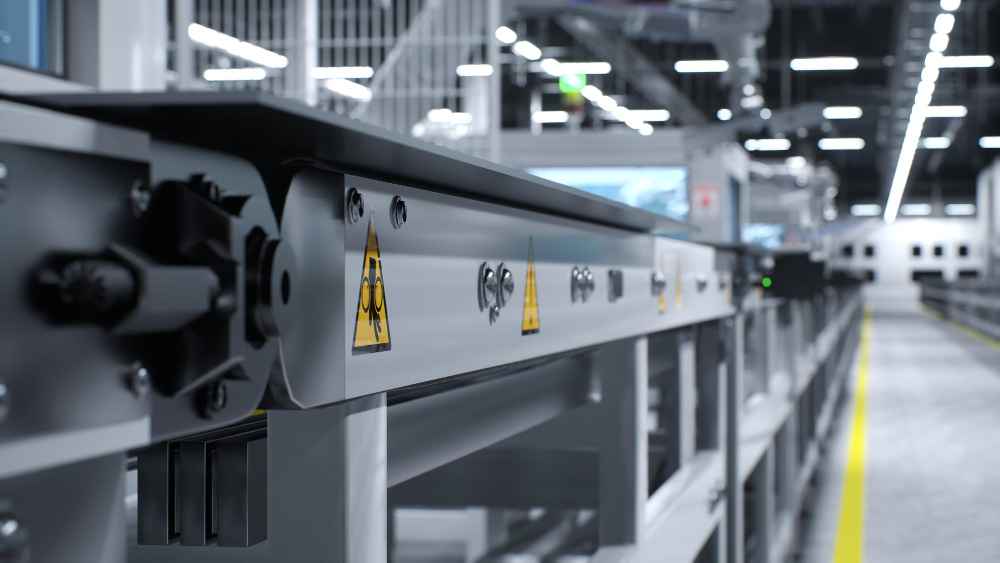
In highly automated industrial environments, the operational continuity of production equipment is a critical factor in ensuring efficiency and profitability. When a key machine fails unexpectedly, the impact is not limited to the affected equipment but can extend across the entire production chain, generating economic losses, delivery delays, and operational strain within the organization.
In this context, an industrial company experienced an unexpected incident that caused a complete shutdown of its production line. Faced with this situation, the organization needed to understand what had actually happened and identify the factors that triggered the issue. The priority was to determine the root causes of the incident to prevent similar situations from occurring in the future.
Failures in factory equipment and their impact on production continuity
Industrial facilities rely on multiple interconnected systems that must operate in a coordinated manner to keep production running. When failures occur in factory equipment, the effect can quickly spread to the rest of the production line, causing significant disruptions in the process.
In the case analyzed, a key piece of equipment within the manufacturing process failed, forcing a complete halt in production while certain components were replaced. This type of situation not only leads to immediate downtime but also raises concerns about the future reliability of the system.
A single failure in a critical piece of equipment can stop an entire production line if its causes are not properly identified.

The company needed to understand whether the issue was caused by premature component wear, unexpected operating conditions, or an external factor related to the production process. Without a clear diagnosis, the risk of recurrence remained high.
For this reason, the organization decided to address the issue through a structured technical approach that would allow for a rigorous analysis of the incident and the generation of reliable conclusions regarding its origin.
Production downtime caused by failures in industrial machinery
Unplanned downtime in industrial environments represents one of the most critical challenges for production and maintenance managers. When a machine stops unexpectedly, the entire production schedule can be compromised, leading to additional costs and affecting the company’s competitiveness.
In this specific case, the production line stopped abruptly following the failure of a key piece of equipment. The interruption required halting operations temporarily while the necessary actions were taken to replace the affected components.
However, replacing parts or repairing the equipment was not sufficient to ensure that the problem would not recur. The company needed to accurately understand what had caused the incident in order to implement effective preventive measures.
This type of situation highlights the importance of addressing technical problems using structured analytical methodologies capable of identifying the factors that contributed to the failure and determining the most appropriate corrective actions.
Root cause diagnosis in complex industrial equipment
Determining the actual cause of a failure in industrial machinery can be a complex process, especially when the incident occurs within technical systems that are part of integrated production processes. In many cases, the observed symptoms do not directly reflect the origin of the problem.
For this reason, the main challenge of the project was to carry out a rigorous failure diagnosis that would provide a deep understanding of what had happened. This required analyzing both the operation of the equipment and the operating conditions under which the incident occurred.
This process involved studying various factors, such as equipment operating records, system working conditions, potential previous incidents, and the technical characteristics of the machinery involved.
Identifying the root cause of a failure allows organizations to move from reacting to incidents to systematically preventing them.
In this context, the INFINITIA team integrated into the client’s environment to analyze the problem from an objective and methodological perspective. The goal was to identify the root cause of the failure and establish a solid foundation for defining solutions aimed at improving system reliability.
How was it addressed or what was the solution?
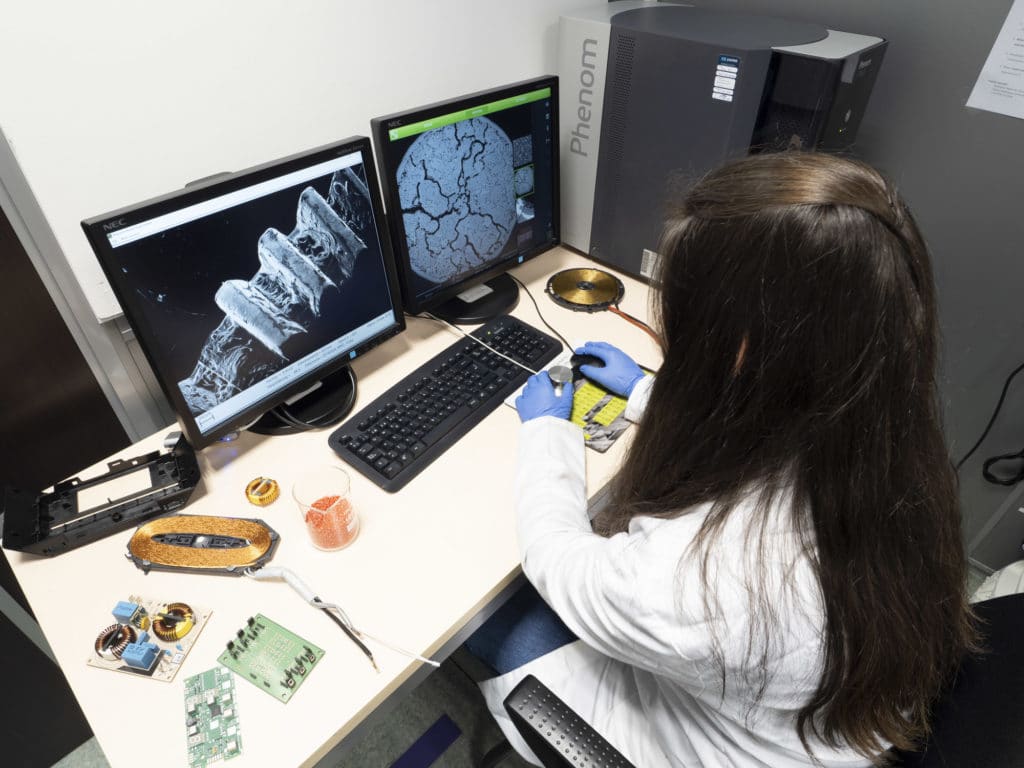
To tackle this challenge, the INFINITIA team designed a structured work plan aimed at gaining an in-depth understanding of the problem and identifying the causes behind the incident. The approach combined technical expertise with analytical methodologies commonly used in industrial engineering.
The objective was not only to repair the affected equipment but also to analyze the incident systematically to identify the contributing factors. This approach enabled the problem to be addressed from a preventive perspective, focused on improving long-term system reliability.
Industrial forensic engineering applied to failure diagnosis
The first step of the project involved conducting an on-site diagnostic visit to observe firsthand the environment in which the machinery was operating. This phase made it possible to understand the operational context of the equipment and gather initial information about the incident.
During this stage, meetings were held with maintenance and production personnel, who provided valuable insights into the system’s behavior prior to the failure and the circumstances surrounding the production shutdown.
This fieldwork was essential to obtaining a comprehensive view of the problem and identifying factors that may have contributed to the incident. In the field of industrial forensic engineering, this type of contextual analysis is critical for accurately interpreting the events that led to equipment failure.
Thanks to this initial approach, the technical team was able to establish the foundations for the subsequent study and define the working hypotheses that would guide the analysis.
FMEA analysis to identify failure modes and critical causes
Once the initial information was collected, the team carried out a systematic process of data gathering, reviewing operational records, maintenance histories, and relevant performance data of the equipment.
This information made it possible to reconstruct the technical context of the incident and detect potential patterns related to the failure. Based on this preliminary analysis, the FMEA (Failure Modes and Effects Analysis) methodology was applied, widely used to study failure modes in industrial systems.
FMEA analysis enables the prioritization of technical risks based on their impact and likelihood of occurrence.
Through this approach, the different ways in which the equipment could fail were analyzed, evaluating the potential impact of each failure mode and its probability of occurrence. This process allowed the team to prioritize the most relevant hypotheses and focus on the factors most likely to have caused the incident.
The use of structured methodologies such as FMEA facilitates the identification of critical causes and provides a clear hierarchy of risks associated with equipment operation.
Improving equipment reliability through corrective and preventive actions
Once the technical analysis was completed, several critical points in the equipment’s operation were identified as contributing factors to the problem. These findings made it possible to better understand the triggers of the incident and establish a solid basis for defining solutions aimed at both correcting the failure and preventing similar situations in the future.
Based on these results, the INFINITIA team developed a set of actions aimed at improving industrial equipment reliability, combining corrective measures with a preventive analysis approach. This strategy made it possible not only to address the direct causes of the incident but also to identify potential failure scenarios that could arise under similar operating conditions.
The proposed measures included recommendations related to optimizing maintenance procedures, adjusting certain system operating conditions, and implementing monitoring mechanisms designed to detect anomalies at an early stage. This approach transformed the diagnosis into a practical tool for anticipating risks and strengthening the technical management of the equipment.
By combining corrective and preventive analysis, the client was able to implement actions aimed at reducing the likelihood of new incidents and improving the robustness of the production system. The study not only resolved the immediate issue but also established a technical foundation to enhance operational reliability and minimize the impact of potential future failures on production.