What is an XRF gun and why is it key in industry?
The XRF gun (X-Ray Fluorescence) is an analytical device based on portable X-ray fluorescence, designed to identify and quantify the chemical composition of materials quickly, accurately, and non-destructively. This technology is based on X-ray fluorescence spectrometry, an analytical method that detects chemical elements by exciting the atoms of a sample. When these atoms are irradiated with X-rays, they emit a characteristic signal that is captured by the equipment and transformed into an elemental spectrum, enabling the identification of the elements present and the estimation of their concentration.
Non-destructive elemental analysis without sample preparation reduces time and avoids sampling errors, which is critical in industrial environments where speed is essential.
The key advantage of this technique lies in its ability to perform non-destructive elemental analysis, meaning that the sample does not need to be prepared or altered during testing. This is particularly relevant in industrial contexts where components must remain intact or where response times are critical. In this regard, the XRF gun has become an essential tool for quality control, material inspection, and process validation across multiple industrial sectors.
How the XRF gun and portable X-ray fluorescence work
The operation of a portable XRF device is based on the interaction between the radiation emitted by the device and the atoms of the material being analyzed. The equipment generates a beam of X-rays that strikes the surface of the sample, causing the inner electrons of the atoms to be displaced. As a result of this process, the atoms emit secondary radiation with an energy characteristic of each chemical element. This signal is detected by a sensor and converted into a digital spectrum, which is interpreted by the software to perform elemental quantification.
Elemental quantification depends on calibration, sample homogeneity, and measurement conditions, especially in complex materials.
One of the main advantages of this method is its ability to perform multi-element analysis simultaneously, allowing complete information about the material composition to be obtained in a matter of seconds. However, the accuracy of the analysis depends on various factors such as sample homogeneity, geometry, measurement time, and proper calibration of the equipment. These aspects directly influence the detection limit and the quality of the results obtained.
Advantages of the XRF gun in material quality control
The use of the XRF gun provides significant advantages compared to traditional chemical analysis techniques, especially in industrial environments where speed and efficiency are critical. The ability to obtain results in just a few seconds enables immediate decision-making, reducing downtime and improving productivity. In addition, as it is a non-destructive technique, it allows chemical analysis of metals and other materials without compromising their integrity, which is essential when inspecting critical or high-value components.
Another key aspect is the portability of the device, which allows XRF analysis to be carried out in the field without the need to transport samples to a laboratory. This facilitates direct inspection in production plants, construction sites, or any industrial environment, optimizing verification and control processes. Furthermore, the versatility of the technique allows it to be applied to a wide variety of materials, including metals, coatings, soils, and plastics, expanding its use across different sectors.
Field XRF analysis enables in-situ material validation, reducing time and improving technical decision-making.
From a quality perspective, the use of standards such as ISO 17054:2010 ensures the reliability and reproducibility of results, particularly in material quality control. This guarantees that analyses comply with international standards, reinforcing traceability and data consistency.
XRF gun equipment for material analysis at INFINITIA
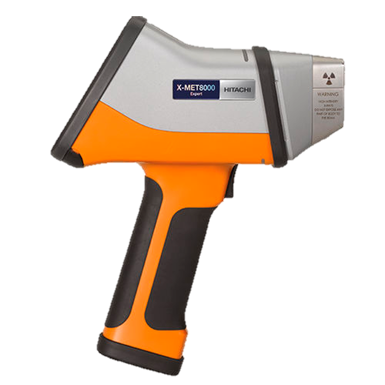
At INFINITIA, advanced equipment is available for analysis using XRF guns, including the HITACHI X-MET8000 Optimum hh-xrf analyzer, a portable X-ray fluorescence solution designed to provide fast, accurate, and reliable results in industrial environments. This equipment incorporates a high-sensitivity detection system that allows the identification and quantification of the chemical composition of materials even at low concentrations, maintaining a low detection limit and high analytical precision across different matrices such as metals, alloys, and coatings.
The integrated software allows automatic calibration, matrix effect correction, and processing of the obtained spectra to perform reliable and reproducible elemental quantification. This capability reduces operator dependency and improves result consistency, especially in material quality control applications. Additionally, the system enables storage and management of obtained data, facilitating traceability and integration into industrial processes where documentation control is essential.
From an operational standpoint, its robust and portable design allows field XRF analysis without the need to transport samples to the laboratory, optimizing time and enabling immediate decision-making. At INFINITIA, the integration of this technology with other characterization techniques provides a more comprehensive understanding of materials, combining chemical analysis with structural and functional information. This is particularly useful in failure analysis studies, material validation, and technological development projects.
Applications of the XRF gun in industrial material analysis
The XRF gun offers a wide range of applications in industrial and research environments due to its ability to perform fast, accurate, and non-destructive analysis on different types of materials. Its value goes beyond simple elemental identification, enabling real-time technical decision-making, reducing uncertainty in production processes, and validating hypotheses in engineering studies.
In this context, XRF acts as a transversal tool that connects quality control, field inspection, environmental analysis, and the development of new materials.
Quality control of metals and alloys with XRF
One of the most relevant applications is the use of XRF for identifying and verifying the chemical composition of materials. In sectors such as automotive, metallurgy, or component manufacturing, it is essential to ensure that alloys meet design specifications and standards.
In INFINITIA laboratories, XRF is used to analyze elements such as nickel, chromium, molybdenum, or titanium in steels and superalloys, allowing the detection of compositional deviations, material mix-ups, or supply chain errors. This type of analysis, in accordance with ISO 17054:2010, guarantees traceability and consistency in quality control processes.
Verification of coatings and surface treatments
X-ray fluorescence allows the determination of both chemical composition and thickness of metallic or ceramic coatings, as well as the evaluation of the uniformity of surface treatments. This capability is particularly useful in components where coatings play a critical role, whether for corrosion protection, aesthetic improvement, or friction reduction.
In INFINITIA, this methodology is applied to characterize zinc, tin, or chromium coatings, as well as more complex multilayer systems. The information obtained allows validation of processes such as galvanizing, anodizing, or physical vapor deposition (PVD), and detection of defects such as insufficient thickness, contamination, or lack of uniformity.
In-situ inspection of materials with portable XRF
Thanks to its compact design and autonomy, portable XRF can be used directly in industrial or construction environments without transporting samples to the laboratory. This capability reduces analysis time and avoids production interruptions.
In INFINITIA, this approach is used in predictive maintenance tasks, quality audits, incoming material verification, and inspection of structures in service. Additionally, the ability to perform non-destructive analysis in the field enables immediate decision-making, especially in situations where rapid validation of material suitability is required.
Environmental analysis and contamination control with XRF
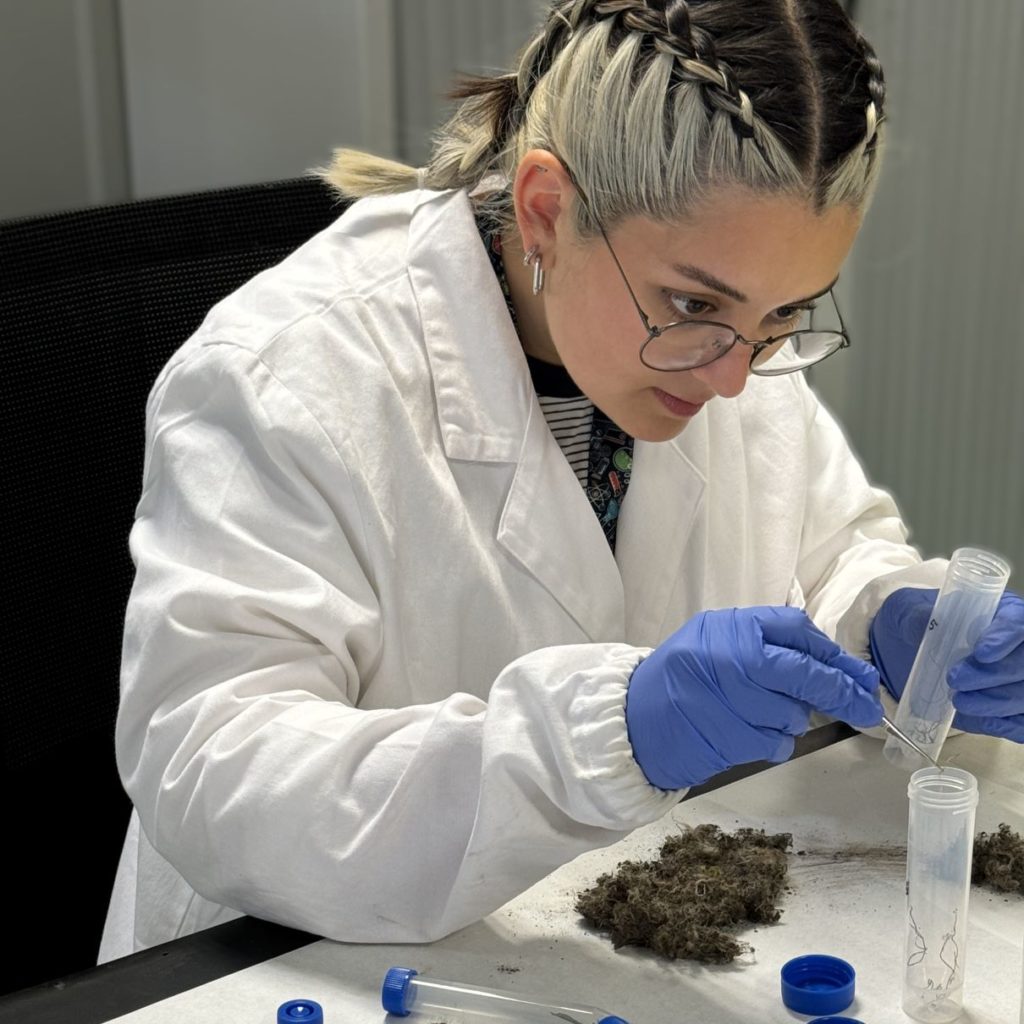
The technique is also used for the analysis of soils, waste, and sediments, allowing the detection of potentially toxic elements such as lead, cadmium, or arsenic. In environmental studies carried out by INFINITIA, the XRF gun is used as a rapid screening tool in the field, enabling the identification of contaminated areas and prioritization of more detailed laboratory analyses.
This approach is particularly useful in environmental impact assessments, soil remediation, or industrial waste control projects. The use of portable XRF in this field aligns with ISO 13196, which defines guidelines for soil screening using this technique.
Material classification in recycling and circular economy with XRF
In the recycling industry, correct material identification is essential to optimize the efficiency of separation and recovery processes. XRF enables rapid distinction between different metal alloys and determination of their composition, facilitating material classification in recycling lines.
In INFINITIA, this technology is used to improve the accuracy of metal identification, reduce classification errors, and increase the value of recovered materials. Its application directly contributes to the implementation of circular economy models, where resource reuse depends on proper characterization.
Application of the XRF gun in research and development of materials
In R&D, portable XRF acts as a support tool for the chemical characterization of prototypes and materials under development. Its speed allows multiple measurements in a short time, which is useful in iterative formulation and optimization processes.
In INFINITIA, this technique is used to validate compositions, detect cross-contamination, and evaluate the chemical stability of materials subjected to accelerated testing. In addition, its integration with techniques such as electron microscopy or Raman spectroscopy provides a more complete understanding of material behavior.
Use of the XRF gun in engineering projects and material characterization
At INFINITIA, the XRF gun is integrated into a broader material characterization approach, combined with other analytical techniques such as electron microscopy, Raman spectroscopy, or physico-chemical testing. This integration provides a complete understanding of materials not only from a chemical perspective but also from a structural and functional point of view.
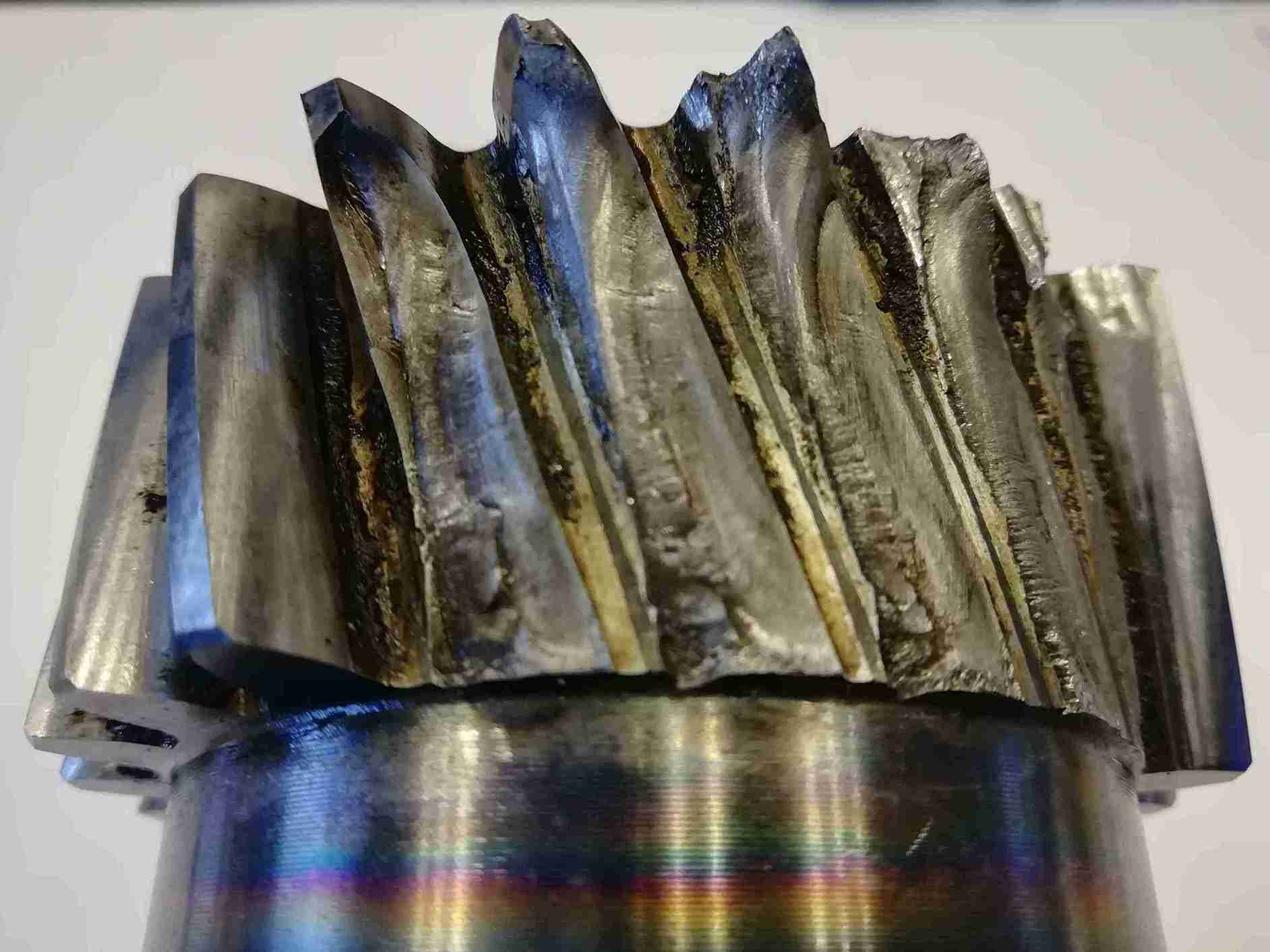
This approach is particularly useful in failure analysis projects, where it is necessary to identify differences between materials, detect contamination, or validate hypotheses about the root cause of a problem. Likewise, in the development of new materials, XRF enables rapid composition control, facilitating formulation validation and process optimization.
Automotive industry: Material control and alloy validation
In the automotive sector, metal components are subjected to demanding service conditions, including mechanical loads, exposure to corrosive environments, and thermal variations. Proper material identification is critical to avoid failures in service, ensure vehicle safety, and comply with increasingly strict technical specifications.
The XRF gun enables rapid verification of material composition, supporting control across different stages of the production process.
- Need for material traceability: complex supply chains require verification of alloy composition to avoid mix-ups or errors in critical materials.
• Validation of coatings and treatments: correct application of galvanizing, anodizing, or anti-corrosion coatings must be ensured.
• Production and incoming control: rapid non-destructive analysis allows detection of deviations without affecting parts.
XRF technology enables validation of metal components, improves product quality, and reduces risks associated with service failures.
Metallurgical and manufacturing industry: Quality control and process consistency
In manufacturing environments, variability in the chemical composition of materials can compromise both product performance and production process stability.
Portable X-ray fluorescence enables immediate verification on the shop floor, ensuring that the materials used meet the required specifications.
- Composition control in production processes: It is necessary to continuously verify alloy composition to avoid deviations.
- Material homogeneity: Variability between batches can affect mechanical properties and in-service behavior.
- Detection of contamination: The presence of unwanted elements can compromise subsequent processes such as welding or heat treatments.
The application of XRF helps improve process stability and ensure quality in demanding industrial environments.
Recycling industry: Efficient classification of metallic materials
In the recycling sector, proper material identification is a key factor in maximizing the efficiency and profitability of recovery processes.
Metal detection by XRF makes it possible to distinguish between different types of alloys quickly, facilitating their classification and recovery.
- Need for rapid identification: Recycling processes require immediate decisions on large volumes of material.
- Optimization of separation: Correct classification improves the quality of the recovered material.
- Reduction of errors: Accurate identification prevents mix-ups that reduce the value of the final product.
XRF improves operational efficiency and contributes to more sustainable circular economy models.
Energy industry: Evaluation of materials under extreme conditions
In the energy sector, components are subjected to severe conditions of temperature, pressure, and chemical exposure, which can accelerate degradation mechanisms and compromise material integrity.
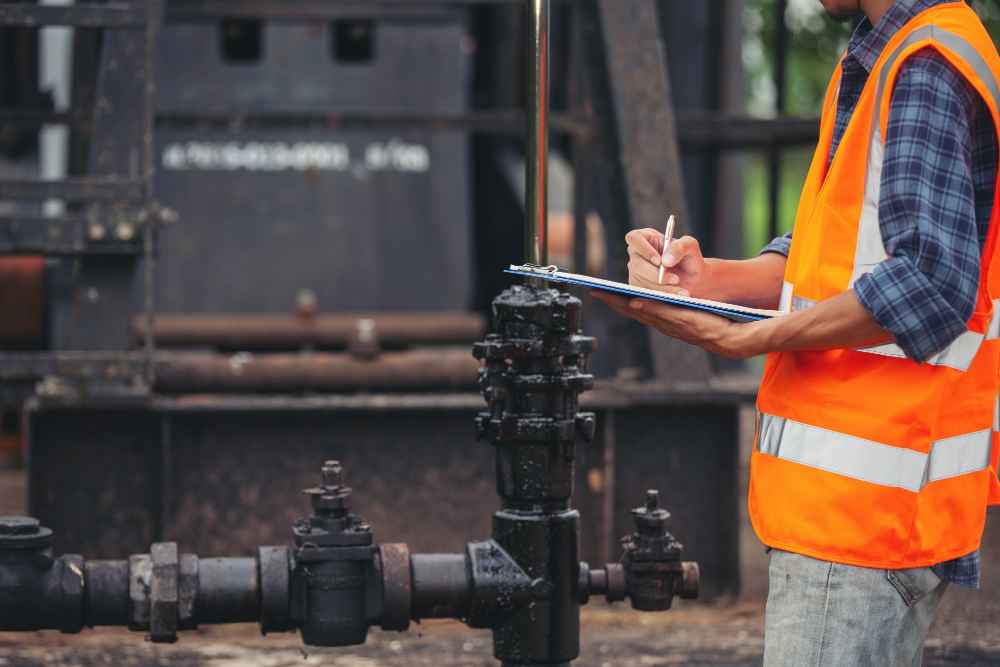
Verifying chemical composition is essential to ensure that the materials used meet the specifications required to operate under critical conditions. The XRF gun enables rapid inspections through field XRF analysis, even on equipment in service.
- Need for in-service inspection: Assets must be evaluated without stopping operation, which requires non-destructive techniques applicable in the field.
- High-responsibility components: Equipment such as pipes, valves, or heat exchangers require strict control due to the impact of a possible failure.
- Severe operating conditions: Exposure to aggressive environments can promote degradation or the incorrect substitution of materials.
The use of XRF makes it possible to verify critical materials, support maintenance strategies, and reduce operational risks.
Construction and infrastructure: Verification of materials on site
In construction projects, correct material identification is essential to ensure structural safety and compliance with technical specifications.
In-situ inspection of materials by XRF makes it possible to validate metal elements directly on site, avoiding errors that could compromise the integrity of the structure.
- Incoming material inspection: It is necessary to verify that supplied materials meet the required specifications.
- Validation during execution: On-site inspection makes it possible to detect deviations before materials are incorporated into the structure.
- Prevention of structural failures: The use of incorrect materials can lead to long-term safety issues.
The application of XRF improves quality control and reduces risks in infrastructure projects.
Environment: Contamination assessment and soil analysis
The analysis of soils and waste is key to identifying the presence of contaminants and assessing the impact of industrial activities. The chemical composition of materials determined by XRF allows rapid screening in the field, facilitating decision-making in the early stages of investigation.
- Detection of heavy metals: Elements such as lead, cadmium, or arsenic can be identified quickly.
- Preliminary field assessment: It enables prioritization of areas for more detailed analysis.
- Optimization of sampling campaigns: It reduces costs and time in environmental studies.
XRF becomes an effective tool for the initial assessment of contamination and soil management.
Research and development (R&D): Chemical characterization of materials
In the field of research, material characterization requires tools capable of delivering fast and reliable information to accelerate the development of new solutions. The portable XRF gun facilitates elemental analysis in early stages, supporting iterative design and validation processes.
- Validation of formulations: It makes it possible to verify the chemical composition of new materials.
- Detection of contamination: It identifies unwanted elements that may affect material behavior.
- Support for advanced testing: It complements techniques such as electron microscopy or spectroscopy.
The use of XRF helps improve efficiency in innovation and technological development projects.
INFINITIA and the application of the XRF gun in industry: advanced analysis and material validation
The XRF gun has been applied in various industrial projects at INFINITIA, providing key insights for technical decision-making. These include material selection for corrosion resistance, failure analysis in galvanized components, and comparison of coatings under demanding environmental conditions. In all these scenarios, portable X-ray fluorescence has enabled fast analysis of material composition, facilitating deviation detection and hypothesis validation without destructive testing.
These examples demonstrate the capability of this technology to deliver relevant data in situations where speed, accuracy, and reliability are critical. The possibility of performing non-destructive elemental analysis directly in the laboratory or in the field reduces diagnostic time, optimizes resources, and improves efficiency in engineering, quality, and research processes.
From a technical perspective, the XRF gun has become a key tool for material control and characterization in industrial environments. Its ability to determine chemical composition instantly facilitates quality control, process validation, and early detection of anomalies. This approach minimizes risks associated with service failures, improves traceability, and reinforces data-driven decision-making.
The combination of portability, versatility, and precision makes portable XRF a strategic technology for multiple industrial sectors. At INFINITIA, its integration with advanced analytical techniques enables a multidisciplinary approach, combining elemental, structural, and functional information to deliver robust and efficient technical solutions.