

Our customers
We are your trusted partner in industrial engineering





































































Failure Analysis
Failure analysis is a specialized service at INFINITIA applied to accurately identify the origin of failures in materials, components, and industrial systems, enabling a clear understanding of the real causes behind incidents in production, in the product, or following a market claim.
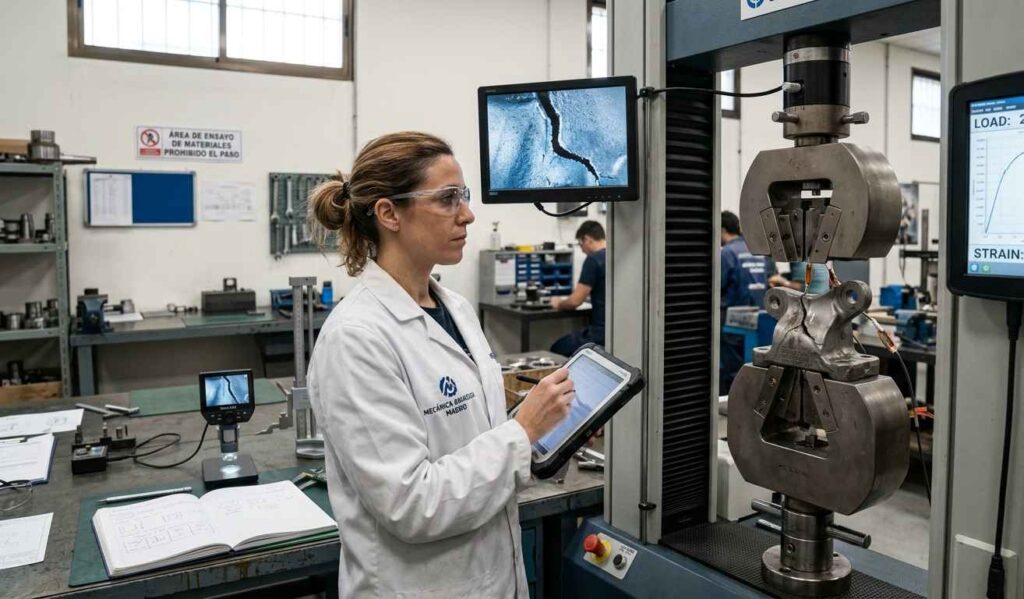
In our failure analysis laboratory for materials and components, advanced characterization techniques, experimental testing, and forensic engineering methodologies are combined to evaluate everything from material microstructure to real operating conditions. We investigate the causes of failures and propose more effective solutions. This approach allows us to address complex problems involving variables related to design, manufacturing, assembly, transportation, maintenance, or final use.
The objective is to provide an evidence-based technical diagnosis that enables companies to correct errors, establish responsibilities when necessary, and define effective actions to prevent the issue from recurring. This service is particularly relevant in industrial sectors where product functionality, quality, safety, and durability cannot tolerate uncertainty.
Talk to a specialist
Request a free initial consultation; contact a consultant from our team of specialists

What does failure analysis and root cause analysis consist of?
What is it?
Failure analysis is a structured technical process aimed at investigating why a material, component, joint, or system ceases to function as intended, carrying out analysis to correct the causes. Its purpose is not only to describe visible damage, but to determine the failure mode and the cause of failure—that is, to understand how the incident occurred and why it led to that outcome, which is critical for process improvement. In industrial practice, this type of study is essential when fractures, deformations, unexpected corrosion, performance loss, aesthetic defects, or any anomaly that compromises functionality or product quality appear.
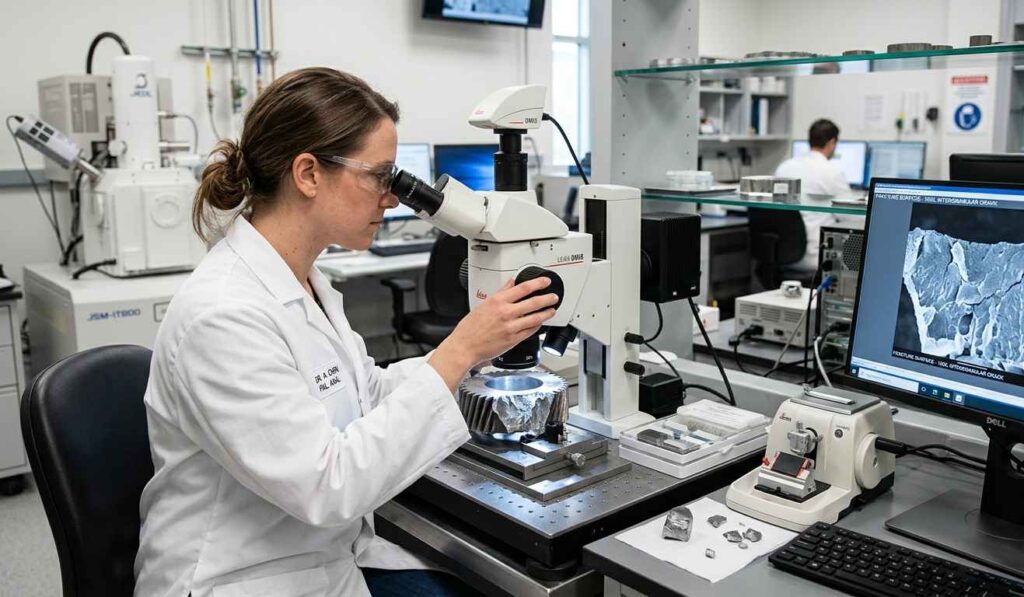
From a forensic engineering and failure engineering perspective, this work requires analyzing the complete context of the problem. It is not enough to observe the damaged part; it is necessary to reconstruct what happened by considering design, materials used, manufacturing process, service conditions, transportation, storage, and even final use. Therefore, failure analysis relies on a combination of document review, interviews with involved stakeholders, visual inspection, material characterization, and specific testing to obtain objective evidence.
At INFINITIA, failure analysis in materials and components is approached as both a diagnostic and decision-making tool. When the problem has already occurred, the goal is to identify the root cause and prevent recurrence. When still in the design or industrialization phase, methodologies such as Failure Mode and Effects Analysis (FMEA) can be used as complementary tools to anticipate risks, prioritize actions, and improve product or process robustness. In this way, failure analysis not only helps understand past incidents but also generates valuable knowledge to reduce their future likelihood through failure mode analysis.
Failure analysis at INFINITIA. Ishikawa diagram and fault tree analysis.
At INFINITIA, we approach failure analysis using analytical methods and tools such as the Ishikawa diagram, following the Kaoru Ishikawa approach, recognizing that industrial incidents rarely have a single cause. It is common to encounter combinations of factors such as out-of-spec raw materials, weak tolerances, unforeseen interactions between components, deviations in manufacturing processes, or more demanding service conditions than expected. Therefore, we structure the analysis to evaluate all these variables in an integrated way, avoiding partial interpretations that could lead to ineffective solutions or recurrence.
We work with components and products showing physical evidence of failure, such as fractures, corrosion, wear, or degradation, where correct interpretation of material history is essential. To achieve this, we combine microstructural characterization techniques, chemical analysis, surface evaluation, and specific testing to identify alterations, residues, or damage patterns. This approach transforms an incident into useful technical information, distinguishing between plausible hypotheses and evidence-based conclusions through experimental validation, including fault tree analysis.
Additionally, the service has a direct impact on industrial decision-making by addressing the causes of inefficiencies. At INFINITIA, we help companies define concrete actions based on analysis, such as redesigning components, adjusting processes, reviewing specifications, selecting materials, or modifying usage conditions. This work is complemented, when necessary, with methodologies such as design or process FMEA to prioritize risks and optimize implemented solutions, using valuable information to improve decision-making. The result is improved quality control, reduced failure-related costs, and increased product reliability in real applications.
Benefits of failure analysis for quality, causes, and effects
benefits
One of the main benefits of failure analysis is enabling companies to move from suspicion to evidence when an incident occurs in production or service. At INFINITIA, we work with components that fail without an apparent cause, where it is necessary to determine whether the origin lies in the material, design, manufacturing process, or unforeseen usage conditions. This approach avoids ineffective corrective actions and allows direct intervention on the real cause, reducing costs and preventing recurrence.
We also address issues that directly affect final product quality through the analysis of complex systems, aiming to understand the root of deficiencies. It is common to analyze parts presenting defects such as discoloration, premature wear, corrosion, or loss of functionality, where the origin is not evident at first glance and requires root cause analysis. In these cases, analysis helps identify material incompatibilities, process deviations, or equipment-related errors. These studies are essential for manufacturers who need to ensure product uniformity and avoid deviations in mass production.
Furthermore, the service is particularly relevant in market claims, where the origin of failure may be ambiguous. It may be related to human error or usage conditions. At INFINITIA, we analyze returned products or customer-reported incidents to determine whether the issue originates from manufacturing, transportation, design, or misuse. This approach supports technical reporting, establishes responsibilities, and defines proportionate corrective actions, addressing the causes that may have contributed to the incident. Overall, these benefits lead to improved quality control, reduced uncertainty, and increased product reliability in the market.
services
How we perform failure analysis at INFINITIA?
At INFINITIA, failure analysis is carried out through a structured methodology that combines contextual investigation, experimental analysis, technical validation, and root cause analysis to explore the causes of problems.
Our approach goes beyond identifying the failure, focusing on understanding its real origin and translating it into concrete industrial decisions, adapting each study to the type of material, component, and operating environment.
-
 Failure Analysis
Failure mode study
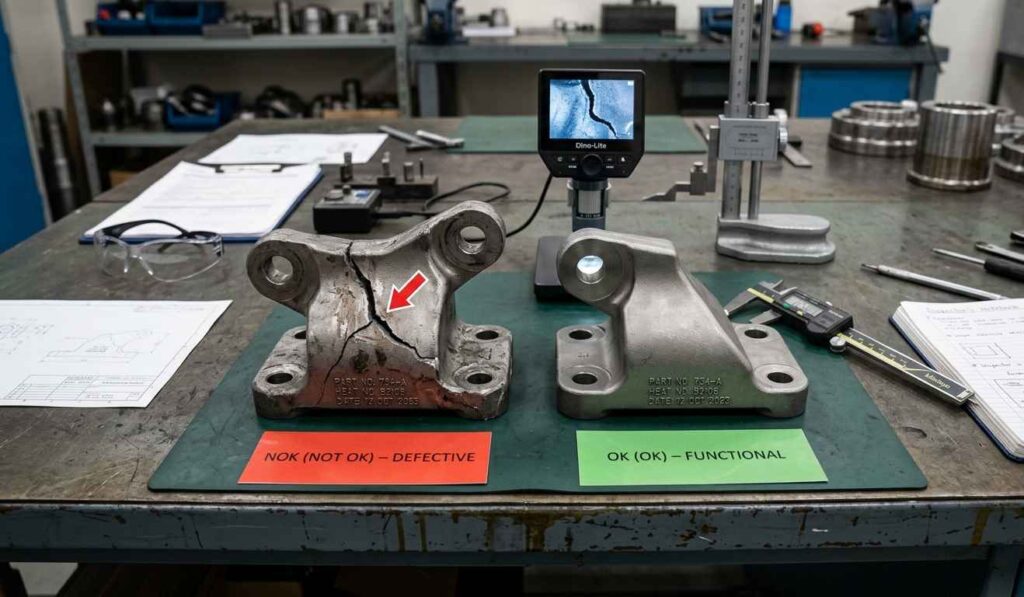
The failure mode study consists of a detailed technical investigation that analyzes defective samples (NOK) by comparing them with others operating under normal conditions (OK). At INFINITIA, we carry out…
-
 Failure Analysis
Failure reproduction
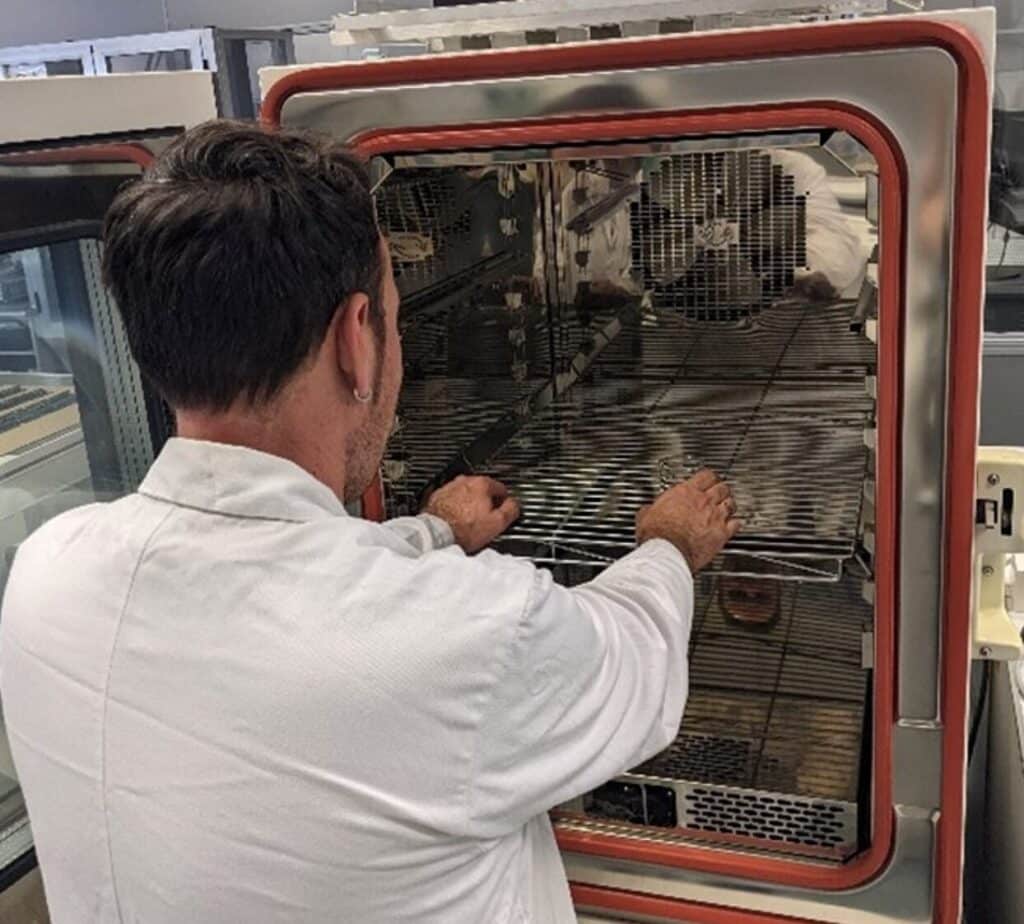
Failure reproduction involves designing and carrying out a set of technical tests that make it possible to simulate, under controlled conditions, the behavior that triggers a failure previously observed in…
-
 Failure Analysis
Diagnosis of the root cause of failure
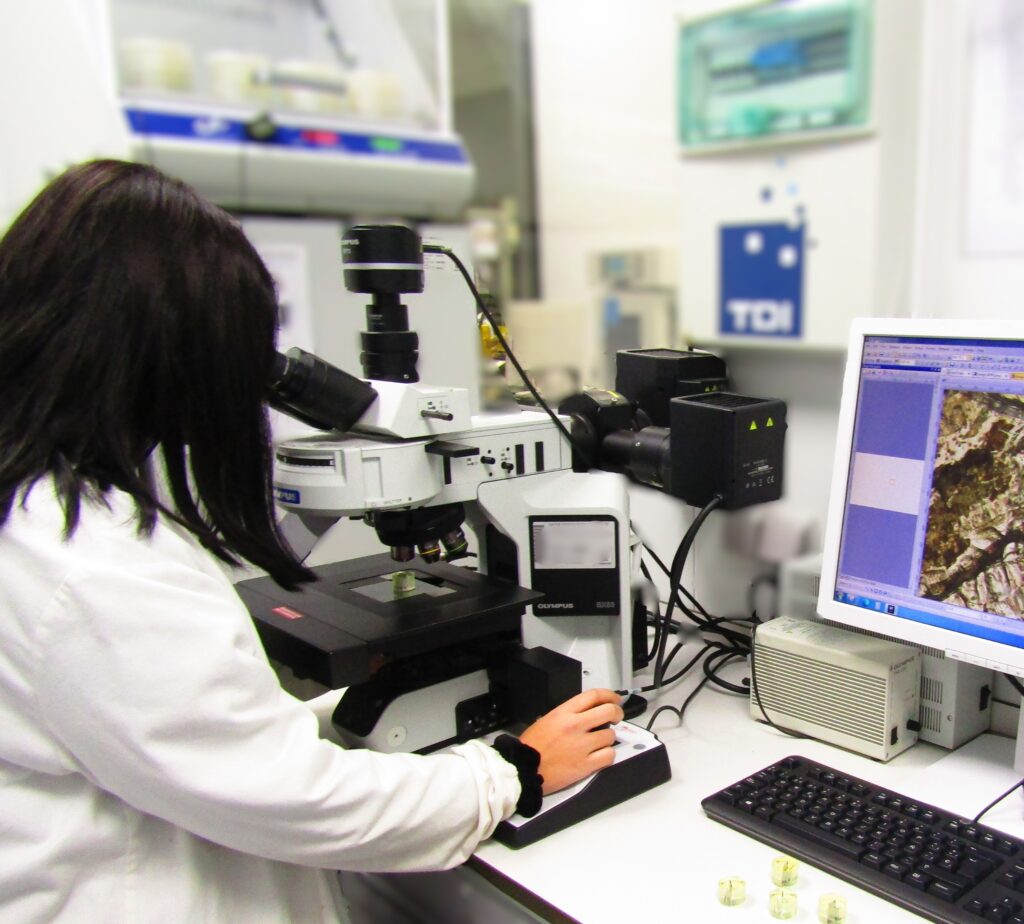
Root cause failure diagnosis, also known as Root Cause Analysis (RCA), is a structured process for investigating and determining the underlying factors that cause a given failure in components, systems, or industrial processes. At INFINITIA, we use tools…
-
 Failure Analysis
Initial fault diagnosis
Root Cause Analysis (RCA) is a systematic process aimed at finding the real origin of a technical problem, beyond its apparent symptoms. At INFINITIA we develop this diagnosis by applying structured…
-
Failure Analysis
Preventive failure analysis
Preventive failure analysis is the set of techniques and methodologies that make it possible to identify, prioritize, and mitigate the potential failure modes of a…
-
 Failure Analysis
Comparative characterisation of the failure
At INFINITIA, we undertake a comparative characterisation of the failure through a sequence of analyses that begins with a visual inspection of the materials to…
Applications of failure analysis in materials, components, and industrial processes
Applications
At INFINITIA, failure analysis is applied in various industrial contexts, from production line incidents to complex market claims after product release. Although symptoms may vary, the technical approach remains consistent: understanding context, identifying damage mechanisms, discriminating between possible causes, and validating the determining variables.
Our goal is to transform each failure into a technically grounded decision, combining material analysis, process review, OK/NOK comparison, and reproduction of real operating conditions. This approach not only explains the origin of the issue but also enables correction and prevention, adding direct value to industrial decision-making.
Failure diagnosis in materials and components
These analyses identify what has failed in materials and components that have lost functionality or present fractures, cracks, deformations, or unexpected degradation, helping understand what failure analysis entails. The origin and mechanism of damage are studied, such as fatigue, corrosion, embrittlement, wear, creep, or chemical incompatibility, combining microstructural characterization, chemical analysis, and surface evaluation in metals, polymers, coatings, adhesives, or multimaterial systems.
At INFINITIA, this approach is used to determine whether the failure originates from the material, its processing, component interaction, or real usage conditions. This diagnosis supports decisions such as redesigning parts, adjusting tolerances, modifying specifications, or validating suppliers, providing a solid technical basis for improving reliability and supporting decisions in quality, production, or client contexts.
This type of analysis is particularly relevant in critical validation phases or recurring incidents, where accurate root cause identification prevents superficial solutions and reduces future failure probability.
Production line failures
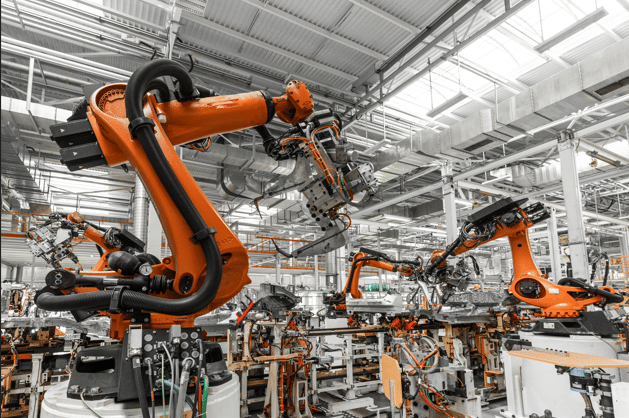
These analyses detect critical incidents in production lines caused by process errors, handling issues, machinery malfunction, or environmental conditions, improving system efficiency. All production stages are systematically reviewed, from raw material reception to final product, identifying deviations that may lead to defective, contaminated, deformed, or out-of-spec parts.
At INFINITIA, we analyze complete manufacturing processes, identifying failures in process parameters, equipment maintenance, quality control, or interaction between operations. This enables precise corrective actions, reduction of scrap, minimization of rework, and avoidance of production stoppages, improving process stability and overall plant efficiency through data analysis.
Additionally, this approach helps detect systemic failures not evident in isolated controls, strengthening process robustness and improving detection capability before defects impact final products.
Finished product failures
These tests evaluate defects detected in finished products, both functional and aesthetic, such as discoloration, loss of adhesion, premature wear, accelerated ageing, deformation, or surface degradation. The analysis determines whether the product meets intended usage conditions and aligns with technical specifications and customer expectations.
At INFINITIA, we use this analysis to determine whether failures originate from design, material, manufacturing process, or a combination of factors, using fault tree analysis or inverted tree diagrams. These studies allow correction of deviations before new production runs, optimization of design, and improvement of product durability, reducing returns and enhancing perceived quality.
This evaluation is essential in high-value or aesthetically demanding products, where minor deviations can significantly impact customer acceptance and competitiveness.
Market claims and responsibility assessment
These analyses investigate incidents after product commercialization, determining whether the failure originates from manufacturing, transportation, storage, installation, or misuse. A detailed study of material evidence and usage context is conducted, reconstructing the conditions experienced by the product to correct possible causes of failure.
At INFINITIA, we analyze claimed products to identify usage traces, specific degradation, or original defects, supporting technical and expert reports when required. This approach allows clear assignment of responsibilities, accurate response to customers, and definition of appropriate corrective actions, reducing conflicts and improving traceability.
Additionally, these analyses provide valuable feedback for internal processes, improving product quality and reducing future market claims.
Hypothesis development and experimental validation
These tests validate potential causes of failure through controlled reproduction of real or simulated conditions. Different hypotheses, such as mechanical overload, chemical degradation, design errors, or environmental conditions, are evaluated through designed experiments to confirm or discard each scenario.
At INFINITIA, we develop specific tests to reproduce failures in laboratory conditions, adapting standardized methods or defining new protocols when necessary. This experimental validation confirms the root cause with objective evidence, reduces uncertainty, and ensures that implemented solutions are aligned with the real origin of the problem.
This approach is particularly useful in complex or multifactorial failures requiring rigorous verification to avoid incorrect conclusions.
Risk analysis and solution implementation
These studies assess severity, occurrence probability, and detection capability of failures, prioritizing actions through methodologies such as FMEA. The system is analyzed globally to identify critical points and define strategies to reduce recurrence risk.
At INFINITIA, this approach transforms diagnosis into concrete solutions, such as redesigning components, changing materials, adjusting processes, improving quality controls, or modifying usage conditions. It shifts from reactive to preventive strategies, optimizing decision-making and ensuring greater product reliability through risk management and prioritization.
As a result, companies can anticipate future failures, optimize processes, and strengthen product robustness from both technical and strategic perspectives using advanced analytics.
Industrial sectors where failure analysis is key to ensuring quality, safety, and reliability
sectors
Failure analysis has essential applications across a wide range of industrial sectors, as any system based on materials, components, and processes is exposed to technical incidents. However, failure mechanisms, regulatory requirements, and impact vary significantly between sectors, making it essential to adapt the analysis approach to each specific context.
At INFINITIA, we develop advanced failure analysis studies combining characterization techniques, experimental testing, and forensic engineering methodologies. Our goal is to interpret each incident within its real context, validate hypotheses, and provide valuable information for decision-making, ensuring product reliability and process robustness in every sector.
The Value of INFINITIA’s Failure Analysis for Risk Management and Industrial Decision-Making
Value
Failure analysis is a key tool for turning an incident into an informed technical decision. At INFINITIA, we approach each case using an evidence-based methodology, distinguishing between root causes, contributing factors, and secondary effects. This helps prevent misinterpretations or partial solutions, ensuring that corrective actions are directly aligned with the true source of the problem and reducing the likelihood of recurrence.
Through a combination of characterization techniques, experimental testing, and comparative sample analysis, we help companies mitigate risks before an issue escalates into production failures, returns, or safety concerns. This approach enables us to generate validated insights, improving product and process robustness and enhancing the ability to verify changes in materials, design, suppliers, or operating conditions.
Furthermore, failure analysis has a direct impact on cost optimization. At INFINITIA, we work to reduce costs associated with scrap, rework, production downtime, warranties, or litigation by identifying root causes early on and avoiding unnecessary investments. Each study provides actionable insights that help improve design and optimize processes from a continuous improvement perspective.
The future of failure analysis is linked to the integration of advanced methodologies for risk analysis, simulation, and experimental validation, enabling us to anticipate incidents before they occur. At INFINITIA, we are already working on this approach, combining forensic engineering, root cause analysis, and tools such as FMEA to prioritize actions and strengthen the reliability of industrial systems.
Partnering with INFINITIA as a technology partner means having access to a team specialized in failure analysis of materials and components, with the ability to design customized tests and adapt each study to the client’s industrial context. Our goal is to bring rigor, safety, and confidence to decision-making, ensuring not only that we understand what happened, but also that we prevent it from happening again.
Projects
Works done in Failure analysis
-

 3D printing – MVP – MLPForensic engineering
3D printing to detect design flaws in leak-tight parts
-
 Textiles – fibers – packagingForensic engineering
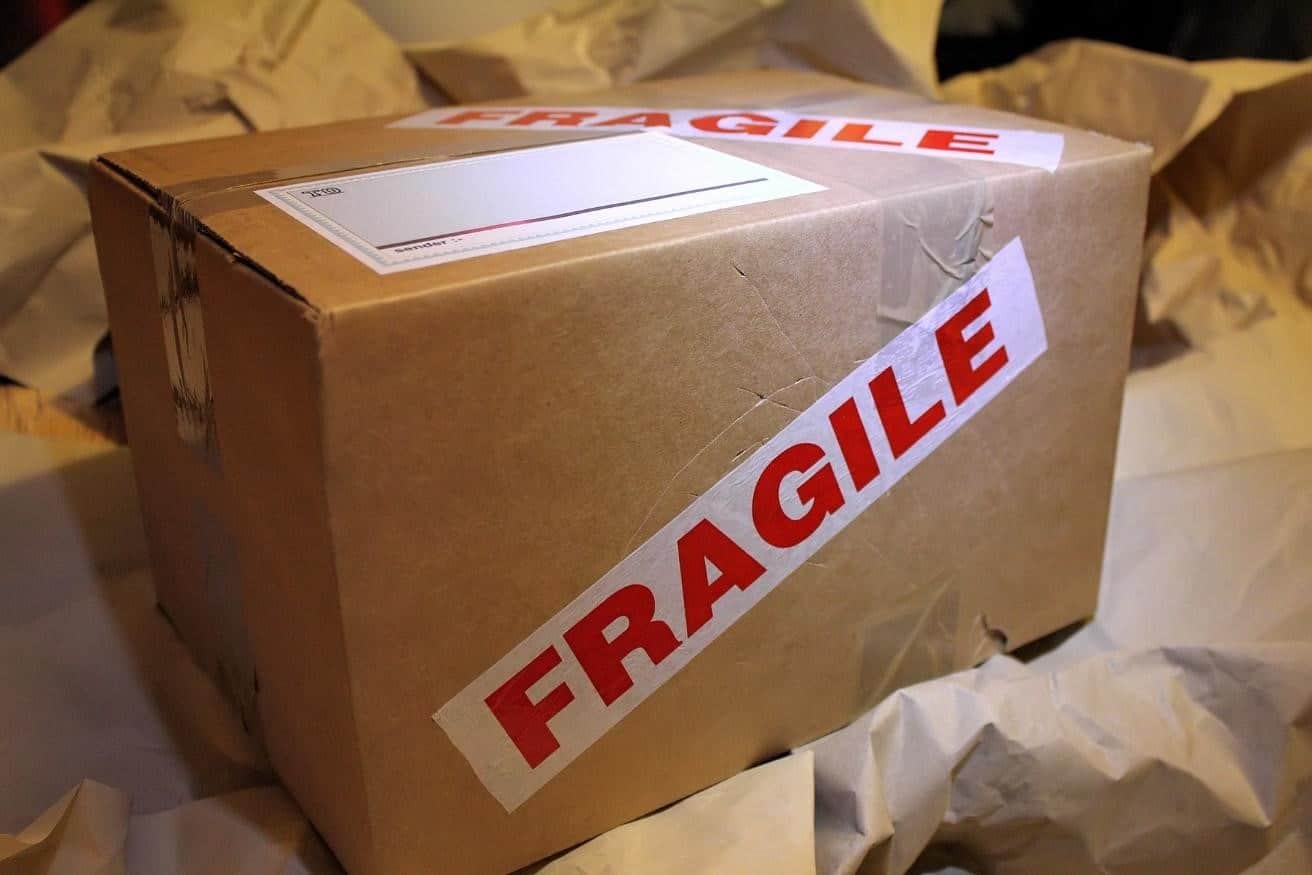
Failure analysis, packaging design and validation
-
 Plastics – polymers – compositesForensic engineering
Fatigue analysis of materials and redesign of cracked components
-
 Adhesives – coatings – treatmentsForensic engineering
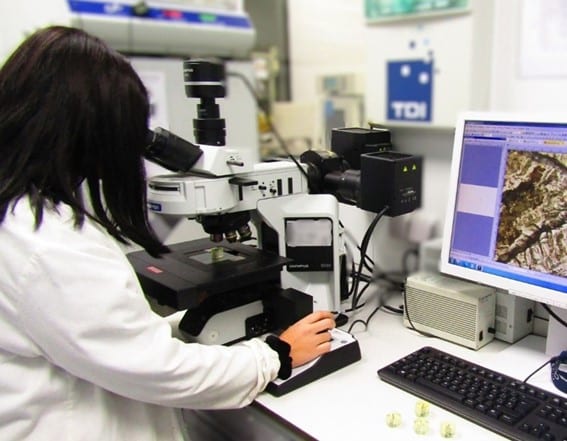
Coating analysis to resolve adhesion failures in production
-
 Electrical – electronics components
 Forensic engineering
Defect detection in electrical cables to improve quality and reliability
-
 Plastics – polymers – compositesForensic engineering
Detection of defects in fiberglass reinforced polyamide components
-
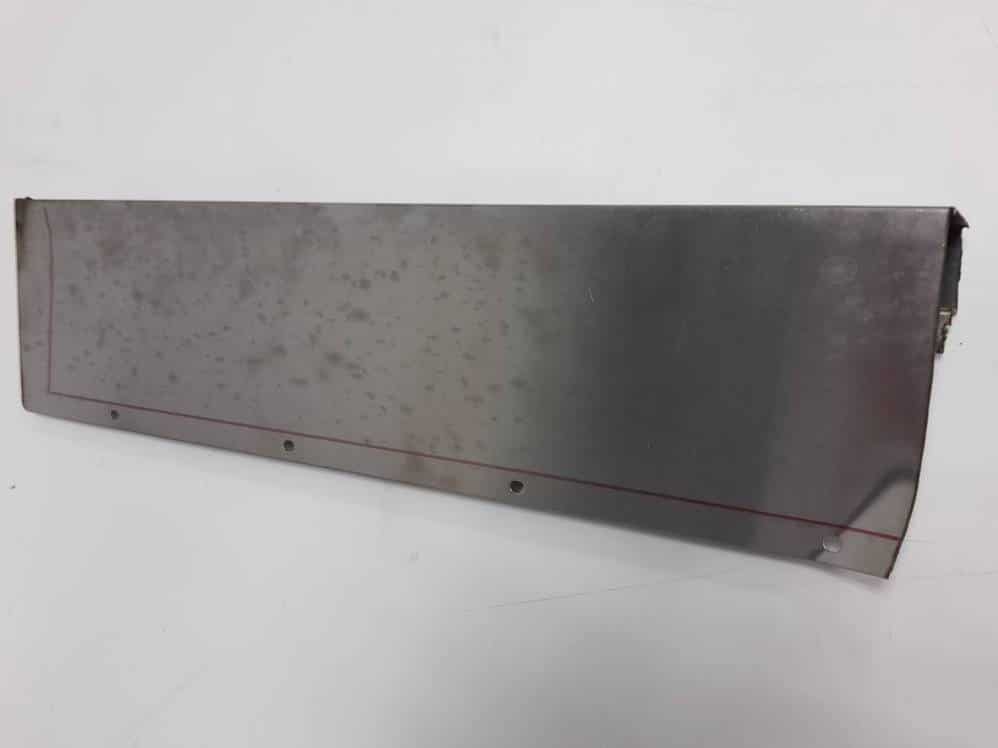 Metals – alloys – weldsForensic engineering
Corrosion and stain analysis on stainless steel
-
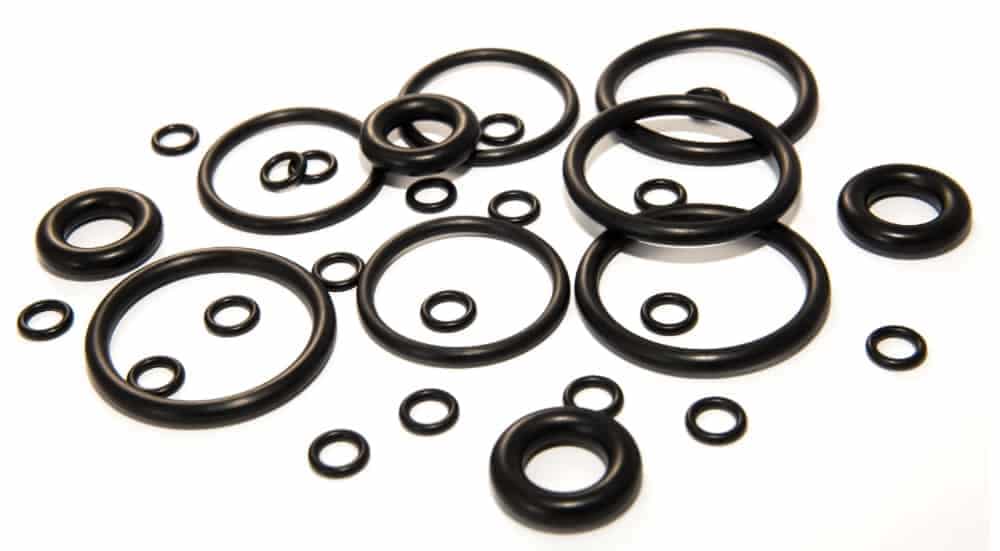 Plastics – polymers – compositesForensic engineering
Detection of rubber defects and assurance of quality standards
-
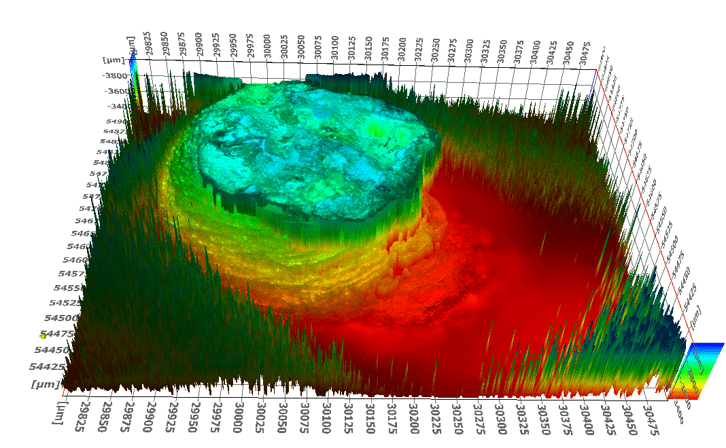 Metals – alloys – welds
 Forensic engineering
Flaw detection and redesign of aluminum conductors
-
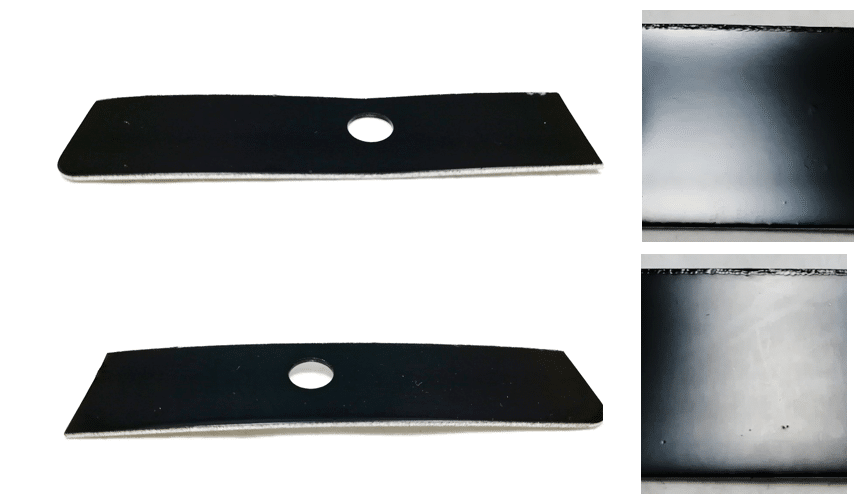 Adhesives – coatings – treatmentsForensic engineering
Paint defect analysis using microscopy to identify anomalies in industrial coatings
-
 Metals – alloys – welds
 Forensic engineering
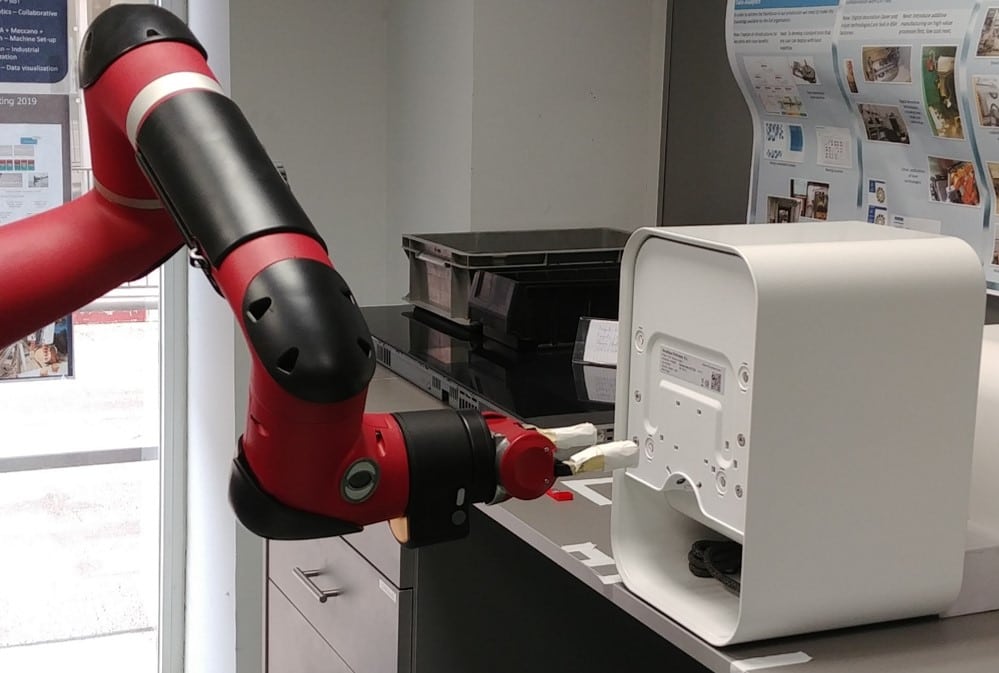
Simulation of wear and service life of components using life cycles
-
 Plastics – polymers – compositesForensic engineering
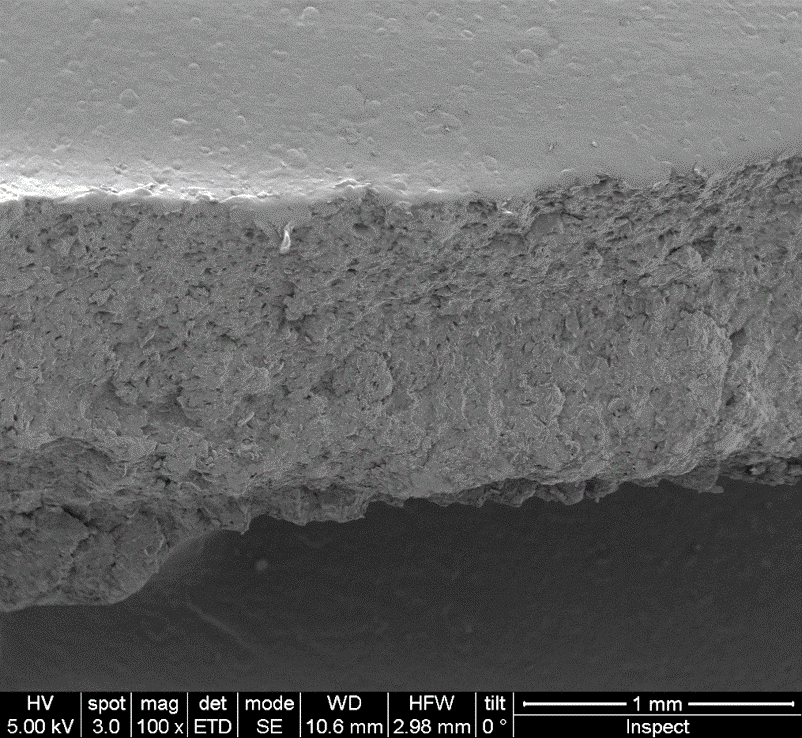
Detection of defects during the transport of parts
-
 Metals – alloys – weldsForensic engineering
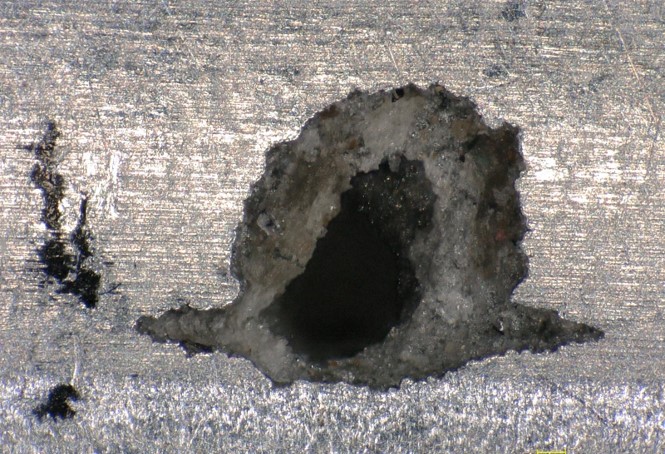
Detection of defects in aluminum pipes from a market claim
-
 Plastics – polymers – compositesForensic engineering
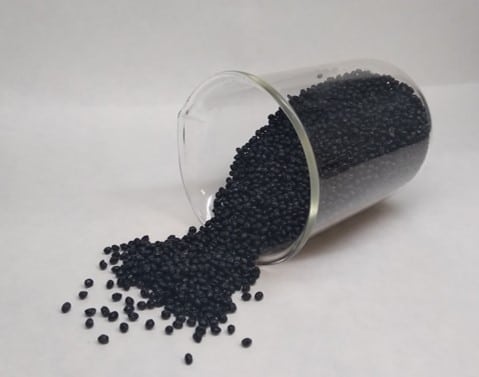
Detection of defects in polyamide components
-
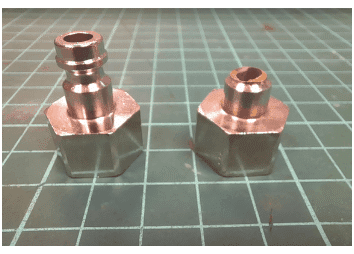 Metals – alloys – weldsForensic engineering
Accelerated aging of materials to detect critical corrosion failures
-
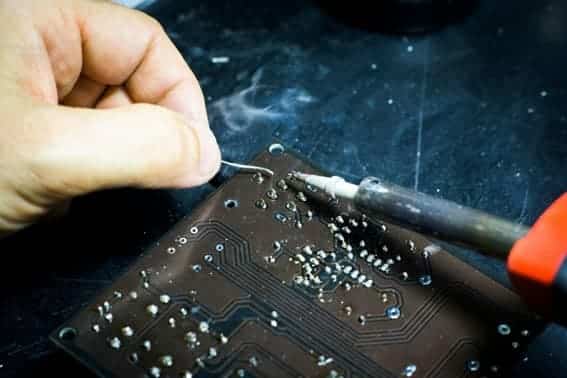 Electrical – electronics componentsForensic engineering
PCB failure analysis to improve the reliability of temperature sensors
-
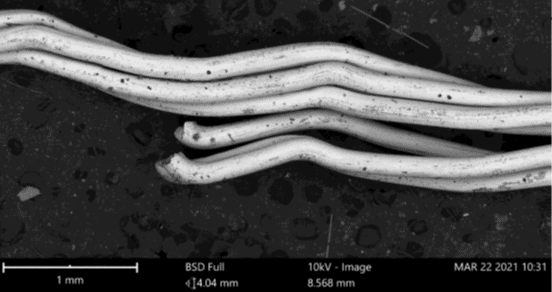 Electrical – electronics componentsForensic engineering
Electrical cable failure analysis to improve thermal reliability
-
 Plastics – polymers – compositesForensic engineering
Failure analysis and evaluation of polycarbonate injection conditions
-
 Plastics – polymers – compositesForensic engineering
Failure analysis of polycarbonate pipes in a market claim
-
 Metals – alloys – weldsForensic engineering
Failure and breakage analysis of cables subjected to high temperatures
Frequently Asked Questions about Failure Analysis
Faqs
In what cases is a failure analysis necessary?
A failure analysis is necessary whenever an incident occurs whose origin is not evident and whose recurrence carries technical, economic or reputational risks. The most common scenarios are: fractures or cracks in components in service, recurring defects on the production line with no identified cause, market claims with diffuse liability, loss of functional or aesthetic properties in finished products, and situations where it is necessary to establish responsibilities with a supplier or customer.
Relying solely on visual inspection or the production team’s opinion without experimental backing frequently leads to applying corrective measures on symptoms rather than causes. At Infinitia we handle both standalone projects and studies integrated into broader industrial technical consulting processes, ensuring that decisions are made based on objective evidence before the problem impacts production or the end customer.
What information or samples do I need to provide to start a failure analysis?
The most useful elements are: the affected parts or components (both the defective ones and conforming samples for comparison), available technical documentation (drawings, specifications, material datasheets or supplier certificates), information about the manufacturing process and actual conditions of use, and a description of when and how the failure manifests: whether it is isolated or recurring, at what stage of the life cycle it appears, and whether there have been recent changes in material, process or supplier.
It is not necessary to have everything from the outset. At Infinitia we start with the information available and define together what additional evidence is needed to move forward. What does make a significant difference is having comparative samples: a failed component alongside another from the same batch that is working correctly allows comparative failure characterisation techniques to be applied from the very first moment, which considerably accelerates the diagnosis. The more context you can provide, the faster and more accurate the analysis will be. Tell us about your case and we will tell you exactly what we need.
What are the consequences of not conducting a failure analysis when an incident occurs?
Failing to correctly diagnose the origin of a failure means accepting a technical and economic risk that tends to grow over time: the incident recurs, corrective measures don’t work, and costs associated with scrap, rework, warranties or production stoppages accumulate.
Without experimental analysis, conclusions rest on assumptions that don’t always reflect the real cause. A frequent mistake, well documented in industrial practice, is misidentifying the source of failure — attributing it to the material when it actually lies in the design or the process — which leads to changing suppliers without solving anything. The cost of an early analysis is always lower than managing its consequences at an advanced stage.
How is it determined which analysis techniques to apply in each case?
The selection depends on four variables: type of material and suspected failure mechanism, whether or not the sample needs to be preserved, the level of detail required, and whether the analysis is standalone or comparative. There is no single protocol valid for all cases.
As a general guide:
SEM microscopy + EDX: morphological analysis of fracture surfaces, identification of damage mechanisms (fatigue, embrittlement, corrosion) and localised elemental microanalysis. Essential for identifying fatigue fractures with characteristic marks such as striations or beach marks.
OES / XRF spectrometry: verification of the material’s chemical composition to detect deviations from specification.
Standardised mechanical testing (tensile, hardness, impact): validation of properties against requirements and detection of embrittlement or loss of strength.
Corrosion testing (salt spray, immersion, electrochemical): evaluation of corrosion resistance when the damage mechanism involves environmental attack.
At Infinitia we combine several techniques and design custom protocols when standard methods are not sufficient for the specific problem.
What is the difference between a basic diagnosis and a complete failure analysis?
A basic diagnosis identifies the visible damage mechanism (fracture, corrosion, wear…) and formulates a hypothesis about its origin. It is useful when the question is exploratory: “what type of failure is this?”
A complete analysis goes much further: it studies all possible failure modes and types in materials — fatigue, creep, corrosion, embrittlement, wear — conducts an experimental comparison between conforming and defective samples, reproduces the failure under laboratory conditions to validate hypotheses, and defines specific corrective and preventive actions. This integral approach makes it possible to understand not only what failed, but why it happened and how to prevent it from recurring, generating knowledge applicable to future designs or production runs.
When does it make sense to rely on an external technical team in addition to the internal quality team?
Relying on a specialised external laboratory makes sense in four specific situations: when the failure is recurring and internal measures have not managed to eliminate it, when the root cause requires characterisation techniques not available on site, when the problem involves liability towards a supplier or customer and a neutrally backed report is needed, and when operational pressure does not allow the internal team to dedicate the analysis time the case requires.
The internal team knows the process better than anyone, but operates with the same tools, the same starting hypotheses and the same pressure that generated the failure. An external team brings technical distance, advanced equipment and a forensic perspective free from prior bias, applying the same rigour to common pathologies in industrial materials as to the investigation of failures in critical infrastructure. In practice, combining both delivers the best results: the internal team provides context and the external laboratory provides evidence. At Infinitia we regularly work in this collaborative model. If you have an open unresolved case, tell us about it and we will assess together what an external analysis could contribute.
Can components from different suppliers or batches be compared to identify the source of a failure?
Yes, comparative analysis between samples is one of the most effective tools in industrial failure investigation. It allows real differences in composition, microstructure, mechanical properties or surface finish to be identified between apparently equivalent parts, with a direct impact on their behaviour in service.
This approach is common in the qualification of alternative suppliers, analysis of batch deviations and detection of undeclared material substitutions. At Infinitia we have a specific comparative failure characterisation service, which we also apply in industrial benchmarking projects when the client needs to understand why their own or a competitor’s component behaves differently from what was expected.
Why does a component that meets specification fail in service?
Because specifications define conformity conditions at the time of manufacture or receipt, not the actual behaviour of the component throughout its entire service life. A material can meet all regulatory requirements and still fail if service conditions generate damage mechanisms that the specification does not contemplate.
A particularly frequent case is fatigue: a component may pass all incoming inspection checks and fracture in service due to cyclic loads that generate progressively growing cracks, especially when stress concentrators not anticipated in the design are present. Understanding how a fatigue fracture originates and propagates is key to correctly interpreting these failures and distinguishing them from point overload fractures or other mechanisms.
Why do recurring failures appear even after corrective measures have been applied?
Recurring failures after a correction are the clearest sign that the root cause has not been correctly identified. It is common for measures to be applied to observable symptoms without having experimentally validated that the variable was actually the determining one.
This pattern is particularly frequent in industrial maintenance environments, where operational pressure leads to resolving the breakdown quickly without investigating the systematic origin. A structured industrial maintenance failure study makes it possible to differentiate between a one-off failure and a recurring deviation with its root cause in the material, the process or the design — which can only be eliminated by acting on its real origin.
How does failure analysis help reduce industrial costs?
Failure analysis makes it possible to act on the real cause before the problem escalates, eliminating the additional cost of partial or incorrect solutions. Detecting and correcting the origin of a failure during production is always more economical than managing it once it has reached the customer.
Furthermore, the knowledge generated has cumulative value: it allows specifications to be improved, material selection to be optimised and process controls to be strengthened. In many cases, failure analysis opens the door to product improvement projects where the initial problem becomes an opportunity for redesign with a validated technical basis. See more cases in completed projects.
How much does a failure analysis cost?
The cost depends on three factors: the complexity of the case and number of variables to investigate, the analytical techniques required, and the scope of the study (initial diagnosis, complete root cause analysis or expert report with legal validity).
A straightforward exploratory diagnosis on a part with an evident fracture is not the same as a multi-material study with reproduction of service conditions. At Infinitia we always size the analysis to the real technical objective: we prioritise the most representative techniques, avoiding unnecessary tests and optimising the cost-to-value ratio. If you would like an estimate tailored to your case, contact us and we will send you a technical and economic proposal.
How long does it take to get results from a failure analysis?
Timescales vary depending on the complexity of the case, but as a general reference, a complete failure analysis including experimental characterisation, hypothesis validation and definition of corrective actions typically takes between 1 and 4 weeks.
For urgent cases with a direct impact on the production line or active claims, we offer an urgent quotation service that allows results to be delivered within 24 to 72 hours. You can indicate your level of urgency directly in the contact form and we will prepare a proposal tailored to your timeline.